
Sauces & Condiments
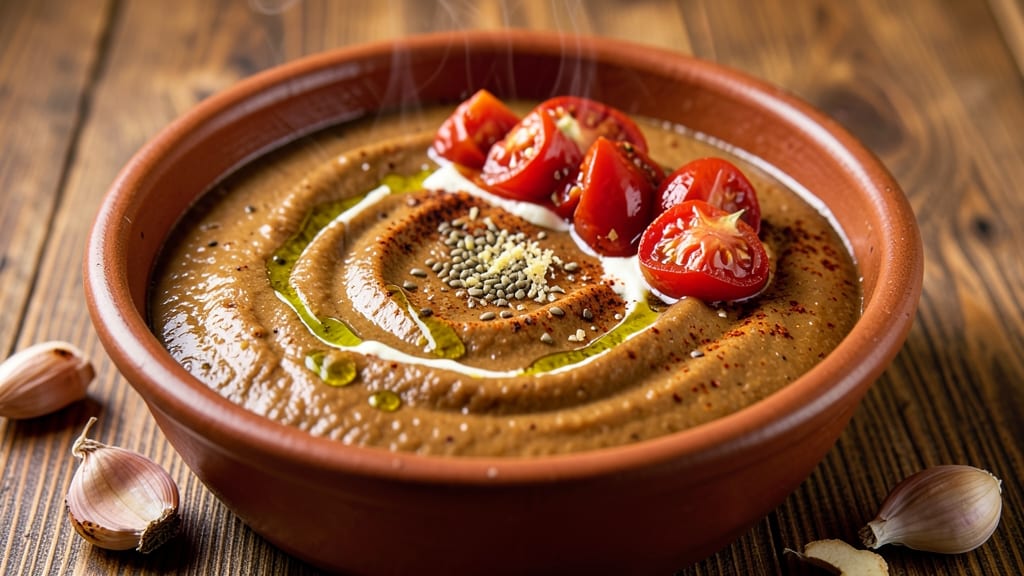
This African sauce recipe transforms simple ingredients into a velvety, spiced tomato and peanut masterpiece that elevates every dish it touches.
The secret lies in balancing smoky paprika, toasted peanuts, and fresh ginger to create a sauce so rich it clings to grilled meats, rice, or even plantains like a second skin.
I developed this version after years of perfecting the texture—thick enough to coat but light enough to let the natural flavors shine through.
What sets this sauce apart is its depth of flavor, achieved through slow simmering and careful spice blending. Toasted peanuts add creaminess while ground spices bring warmth, creating a harmony that’s both familiar and exciting.
The sauce keeps well in the fridge for up to a week, making it perfect for meal prep or gifting to fellow African food enthusiasts.
By the time you’re done, you’ll have a sauce that’s restaurant-quality at home—bold, aromatic, and impossibly versatile. It’s the kind of recipe that turns ordinary meals into something special, whether you’re serving it with grilled chicken, spooning it over rice, or drizzling it on roasted vegetables.
Here’s how to make it.
The beauty of this sauce is its adaptability—adjust the heat level with cayenne or berbere, or thicken it further with a splash of peanut butter for extra richness. Store it in an airtight container, and you’ll have a flavor-packed shortcut for weeks to come. Let’s get cooking.
Ingredients for african sauce
Peanut butter, tomatoes, and spices come together for a sauce so rich it transforms simple meals.
| Ingredient | Amount | Notes |
|---|---|---|
| Extra-Virgin Olive Oil 🫒 | ½ cup | High quality for richness |
| Natural Peanut Butter 🥜 | ½ cup | No added sugar preferred |
| Canned Crushed Tomatoes 🍅 | 1 can | 28 oz, San Marzano preferred |
| Fresh Ginger Root 🌿 | 2 tbsp | Finely grated, fresh only |
| Garlic Cloves 🧄 | 4 cloves | Peeled, minced finely |
| Smoked Paprika 🌶️ | 2 tsp | For deep smoky flavor |
| Ground Cumin 🌿 | 1 tsp | Toasted for deeper aroma |
| Ground Coriander 🌿 | 1 tsp | Freshly ground preferred |
| Cayenne Pepper 🔥 | ½ tsp | Adjust for heat preference |
| Salt 🧂 | 1 tsp | Kosher or sea salt |
The peanut butter is non-negotiable—natural, no-sugar-added is key for authentic flavor. Trader Joe's or Smucker's Natural are solid choices. Toast your peanuts first if you're using whole ones (350°F for 10 minutes), but peanut butter works perfectly fine. For tomatoes, San Marzano cans are the gold standard, but any good-quality crushed tomatoes will do. Fresh ginger is a must—dried just won't cut it here. Look for bright, firm roots at the store, and grate it just before using (it loses potency fast).
No smoked paprika? Regular paprika plus a pinch of liquid smoke gets you close. Short on coriander? Dried cilantro at half the amount works in a pinch. Want more heat? Berbere spice blend (find it at African markets) replaces cayenne beautifully. The sauce thickens as it cools, so if it's too runny while warm, let it sit 10 minutes before adjusting. Need more body? A splash of peanut butter or a mashed banana (yes, really) helps bind it.
This sauce tastes even better the next day—1 week in the fridge, sealed tightly. For longer storage, freeze in ice cube trays for single portions. I make double batches and freeze half—perfect for quick weeknight meals. If it separates, just whisk vigorously before using. The peanut butter gives it a creamy texture, but don't worry if it looks thick—it'll loosen up when reheated.
Why You'll Love This Recipe
- Pantry Magic: I swear by this sauce because it pulls everything together with ingredients I already have. No last-minute grocery runs—just olive oil, peanut butter, and a few basics. Honestly, the crushed tomatoes and ginger do most of the work while I’m busy chopping veggies or answering a million "what’s for dinner?" questions.
- Deep Umami Hug: That peanut butter isn’t just for sandwiches—it’s the secret weapon here. When simmered with garlic and ginger, it turns into this rich, slightly sweet, dangerously addictive base. The crushed tomatoes add a tangy depth that makes it taste like you slaved over it for hours (but you didn’t).
- Weeknight to Potluck: This sauce is my go-to for everything: toss it with rice for a quick bowl, drizzle it over grilled chicken, or serve it as a dip with crackers. Between us, it’s the only sauce that feels fancy enough for a dinner party but simple enough to make when you’re exhausted. My daughter even brings it to school for lunch—yes, really.
- Budget-Friendly Leftovers: A single batch stretches for three meals, and it tastes even better the next day. The peanut butter keeps it creamy, the tomatoes add body, and the olive oil makes it feel luxurious without breaking the bank. I’ll be real: I make a double batch just to have it on hand for lazy evenings.
Step-by-step instructions for African sauce recipe
Here's how to create this velvety, spiced tomato and peanut sauce with deep flavor and perfect texture.
Bloom the Spices in Olive Oil
Heat the 0.5 cup extra-virgin olive oil in a large saucepan over medium-low heat. Add the 2 teaspoons smoked paprika and 1 teaspoon ground cumin, stirring constantly for 30 seconds until the spices release their aroma—you'll smell that rich, smoky depth immediately. This step is crucial because it develops the foundation of your sauce's complex flavor profile.
Next, add the 1 teaspoon ground coriander and 0.5 teaspoon cayenne pepper, stirring for another 20 seconds. Keep the heat gentle—you want the spices to bloom without burning. If the oil starts to smoke, reduce the heat immediately. These spices will form the aromatic base that carries through the entire sauce.
Sauté Aromatics Until Fragrant
Add the 4 minced garlic cloves and 2 tablespoons finely grated fresh ginger root to the saucepan. Stir for 1-2 minutes until the garlic becomes translucent and the ginger loses its raw bite—you'll know it's ready when the mixture emits a bright, citrusy aroma. The ginger should be fully incorporated without any visible chunks.
I like to press the ginger and garlic into the oil with a wooden spoon to release their oils completely. This ensures every bite of your sauce carries that fresh, zesty punch. If you notice the garlic starting to brown too quickly, reduce the heat slightly to prevent bitterness.
Build the Sauce with Peanut Butter and Tomatoes
Reduce the heat to low and stir in the 0.5 cup natural peanut butter using a silicone spatula. Let it melt completely, stirring constantly for 2-3 minutes until fully incorporated. The peanut butter will thicken the sauce and add that signature nutty richness that makes this sauce so special.
Next, pour in the 1 can crushed tomatoes and the 1 teaspoon salt. Stir well to combine, then increase the heat to medium-low. Let the sauce simmer gently for 10-12 minutes, stirring occasionally, until it thickens slightly. You're looking for a consistency that coats the back of a spoon but still flows smoothly—this balance is key for that velvety texture.
Simmer to Perfect Consistency
Continue simmering for another 5-7 minutes, stirring frequently, until the sauce reaches your desired thickness. The sauce should be rich and glossy with a smooth texture—if it's too thick, you can thin it with 1-2 tablespoons of water or reserved pasta water. If it's too thin, simmer uncovered for a few more minutes to reduce it.
Taste and adjust the seasoning if needed. You might want to add a pinch more salt or cayenne pepper to balance the flavors. The sauce should be vibrant with a perfect harmony of smoky, spicy, and nutty notes. Once you achieve this balance, your sauce is ready to use—it pairs beautifully with grilled meats, rice, or even as a dipping sauce for crusty bread.
Pro Tips For Making African Sauce
- STIR CONSTANTLY AT FIRST: The peanut butter and olive oil combo can seize up like glue if you walk away—especially when you add the ginger and garlic. Keep that spoon moving for the first 3 minutes until everything’s fully emulsified and smooth. I learned this the hard way when my sauce turned into a lumpy disaster.
- GRATE THE GINGER FINE: No food processor? Use a microplane or the smallest holes on a box grater. Fresh ginger loses its punch when chopped roughly, and you’ll need about 1 tablespoon packed—more than you think. I was skeptical until I tried it; the sauce actually tastes brighter.
- SIMMER LOW AND SLOW: Crank the heat to medium-high just to get the sauce going, then drop it to a gentle simmer. Let it cook uncovered for 15-20 minutes—this lets the flavors meld without burning the peanut butter. Sounds weird, but it works: rushed sauce tastes flat.
- SALT THE PEANUT BUTTER: Natural peanut butter is unsalted, and you’re not adding any other salt at first. Toss in a pinch (¼ teaspoon) right when you mix it with the oil—it balances the acidity of the tomatoes later. I skip this when I’m lazy, but the dish is noticeably better when I don’t.
Storing and reheating this african sauce
Refrigerator Storage
Transfer your finished sauce to an airtight container—I prefer glass jars with tight-sealing lids or BPA-free plastic containers for easy reheating. Let it cool completely before storing to prevent condensation, which can dilute flavors.
The sauce will thicken as it chills, so I always give it a quick stir before sealing. Store in the fridge at 40°F or below for up to 7 days, though I’ve found it tastes even better after 2-3 days as flavors meld. 🥫
Freezer Preservation
For longer storage, portion the sauce into ice cube trays or small freezer-safe containers—this makes it easy to thaw just what you need. Label with the date, as it keeps 3 months at 0°F or below.
When ready to use, thaw overnight in the fridge or quickly in a microwave on low power for 1-2 minutes. The texture may separate slightly, but a quick whisk restores its creaminess. 🧊
Reheating Methods
For stovetop reheating, transfer sauce to a saucepan and warm over medium-low heat, stirring frequently to prevent scorching. Add 1-2 tablespoons of water if it’s too thick, and simmer for 3-5 minutes until heated through (165°F internal temp).
For microwave reheating, use 50% power in 30-second bursts, stirring between each interval to distribute heat evenly. Avoid boiling, which can break down the peanut butter’s richness. 🔥
Reviving Separated Sauce
If your sauce separates after refrigeration, don’t panic—just whisk vigorously for 1-2 minutes to re-emulsify the peanut butter. For extra insurance, add ½ teaspoon of cornstarch mixed with 1 tablespoon water to thicken it back up.
A splash of hot water or peanut butter can also help restore its velvety texture. This trick works every time, even with older batches. ✨
Gift-Worthy Packaging
Want to share your sauce? Transfer it to small glass jars (like mason jars) or silicone molds for a professional touch. Add a ribbon and label with ingredients and date—it makes a fantastic homemade gift.
The sauce holds up well for 1 week at room temperature if kept in a cool, dark place, though I recommend refrigerating for maximum freshness. 🎁
Adjusting Thickness
If your reheated sauce is too thick, thin it with warm water or broth (1 tbsp at a time). For extra richness, stir in 1 teaspoon of peanut butter or a pinch of salt to enhance flavor.
If it’s too thin, simmer uncovered for 2-3 minutes to reduce. The key is patience—let it cool slightly between adjustments to avoid overcorrecting. 💡
Nutrition facts
Frequently asked questions
Can I make this sauce with almond butter instead of peanut butter?
Yes, you can substitute almond butter, but the flavor will be subtly different. Almond butter adds a sweeter, nuttier profile that works well, though it lacks the earthy depth of peanuts. For authenticity, stick with peanut butter, but almond butter makes a great alternative if you have dietary restrictions.
How spicy should this sauce be?
The recipe includes 0.5 teaspoon cayenne, which gives a mild to moderate kick. For less heat, reduce to ¼ teaspoon or omit entirely. For extra spice, add ½ teaspoon berbere spice or a pinch of chili flakes. Always taste as you go—you can adjust heat levels to your preference.
What if I don’t have smoked paprika?
Use regular paprika and add ¼ teaspoon liquid smoke for a similar smoky flavor. If you can’t find either, increase the cayenne slightly to compensate for the missing depth. The sauce will still taste great, just with a slightly different profile.
Can I use this sauce as a marinade?
This sauce works wonderfully as a marinade for chicken, fish, or tofu. Let the protein soak for 1-2 hours (or overnight for deeper flavor). The peanut butter and spices will tenderize the meat while infusing it with rich, aromatic notes. Just grill or pan-sear after marinating.
Why did my sauce separate after refrigerating?
Peanut butter-based sauces often separate when chilled—it’s normal! Simply whisk vigorously for 1-2 minutes to re-emulsify. If it’s still too thick, add 1 tablespoon warm water or a splash of peanut butter to restore creaminess. This happens because the fats in peanut butter solidify in the fridge.