Sauces & Condiments
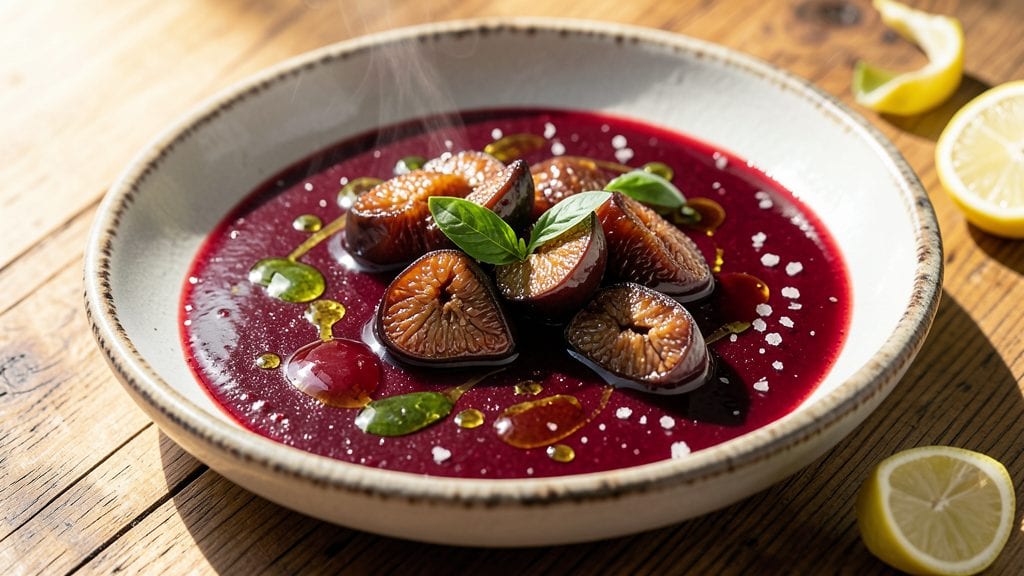
This fig sauce recipe transforms humble ingredients into a velvety, sweet-tart condiment that elevates grilled cheese sandwiches to gourmet status. The secret lies in balancing ripe figs with sharp vinegar and honey, creating a sauce that's rich yet bright—perfect for drizzling, dipping, or glaze applications.
I developed this recipe after years of experimenting with fruit-based condiments, and it consistently delivers that restaurant-quality touch.
The process is straightforward: simmer fresh figs with vinegar and honey until they break down into a smooth, jammy consistency, then strain for a silky texture.
What you'll end up with is a versatile sauce that adds depth to cheeses, complements roasted meats, and even enhances desserts with its natural sweetness. The reduction process concentrates flavors while maintaining that perfect balance of sweet and tart.
This fig sauce transforms simple dishes into something extraordinary—think grilled cheese with a sophisticated drizzle or glazed chicken with an unexpected fruit note. The best part? It keeps well in the refrigerator for up to two weeks, making it an excellent pantry staple for quick flavor upgrades.
Let's create this versatile condiment that will become your new kitchen essential.
Whether you're serving it over brie, pairing it with pork tenderloin, or using it as a dessert glaze, this fig sauce delivers professional results with minimal effort. The key is patience during the reduction—allowing the flavors to meld creates that restaurant-quality depth that sets it apart from store-bought alternatives.
Ingredients for fig sauce
Eight ingredients, one game-changing condiment—this velvety fig sauce transforms simple bites into restaurant-worthy experiences.
| Ingredient | Amount | Notes |
|---|---|---|
| Fresh Figs 🍇 | 1 ½ lb | Ripe, firm but yielding when pressed |
| Red Wine Vinegar 🍷 | ½ cup | Balsamic alternative if preferred |
| Honey 🍯 | ¼ cup | Wildflower for floral notes |
| Granulated Sugar 🍚 | ¼ cup | Balances tartness perfectly |
| Extra-Virgin Olive Oil 🫒 | ¼ cup | High-quality for finishing |
| Fresh Lemon Juice 🍋 | 1 tbsp | Brightens the final product |
| Salt 🧂 | ½ tsp | Diamond Crystal preferred |
| Fresh Rosemary 🌿 | 2 sprigs | For aromatic depth (optional) |
Figs are the star, so don't cut corners—look for plump, ripe ones with vibrant purple skin at your local farmers market or specialty grocer like Whole Foods. They should yield slightly when pressed but not feel mushy. If you can't find fresh figs, high-quality dried figs soaked in warm water work in a pinch, though texture will differ. The vinegar? Red wine vinegar adds complexity, but balsamic works beautifully if you prefer a sweeter profile. For honey, local wildflower adds floral notes that complement the figs perfectly—avoid the overly processed grocery store brands.
No fresh rosemary? Dried works at half the amount, but fresh is ideal. Substituting vinegar? Apple cider vinegar gives a milder tang, while white wine vinegar keeps it bright. Running low on honey? Maple syrup works in a 1:1 ratio, though it leans more earthy. The sugar is crucial—it's what creates that perfect sweet-tart balance. If you're using a sweeter fig variety, you might reduce it to 0.2 cup to avoid overpowering the tartness. For a smoother sauce, strain through a fine-mesh sieve; for texture, leave some fig bits in.
This sauce is a pantry MVP—stores beautifully in an airtight jar for up to 2 weeks in the fridge. For longer storage, freeze in ice cube trays and transfer to a bag. The flavors actually improve over time as they meld. I like to make a double batch because it disappears faster than you'd think—drizzled over grilled cheese, spooned onto roasted pork, or even swirled into vanilla ice cream. The key to reheating? Gently warm in a saucepan over low heat—never microwave, or you'll lose that silky texture.
Why You'll Love This Recipe
- Five-Ingredient Magic: I swear, this sauce comes together with no fuss—just chop figs, toss in vinegar and honey, simmer. That’s it. No peeling, no dicing, no stress.
- Sweet-Tart Balance: Honestly, the way the honey and red wine vinegar play off those ripe figs? It’s like summer in a jar—bright, rich, and just a little bit indulgent without trying too hard.
- Cheat Code for Meals: Slather it on grilled cheese, drizzle over yogurt, or toss with roasted chicken. I’ve even used it to glaze salmon in a pinch. It’s my secret weapon for when I don’t want to overthink dinner.
- Lasts All Week: Between us, I make a big batch and keep it in the fridge for days—perfect for when I’m too tired to cook. The flavors only deepen, and the olive oil keeps it luscious, not sticky.
Step-by-step instructions for fig sauce with perfect sweet-tart harmony
Transform ripe figs into a velvety, aromatic sauce that elevates grilled cheese to gourmet heights.
Prepare the Figs for Cooking
Slice the 1.5 lb fresh figs in half lengthwise, removing any stems. Arrange them cut-side down in a medium saucepan, creating a single layer. The figs should release their natural juices as they cook, which will form the base of our sauce.
Here's the thing—don't crowd the pan. If you're working with particularly large figs, you might need to use two pans. The goal is even cooking and proper caramelization. As the figs soften, they'll release their syrupy interior, creating a rich foundation for our sauce.
Simmer with Vinegar and Sugar
Pour in the 0.5 cup red wine vinegar and 0.25 cup granulated sugar, stirring gently to combine. Bring the mixture to a simmer over medium heat, then reduce to low heat and let it cook uncovered for 10 minutes. You'll notice the figs breaking down and releasing their juices, creating a thick, syrupy liquid.
This is where the magic happens—the vinegar cuts through the figs' natural sweetness while the sugar begins to caramelize, creating depth of flavor. Stir occasionally to prevent sticking, but avoid over-mixing as we want some texture in our final sauce.
Add Honey and Rosemary for Complexity
Stir in the 0.25 cup honey and 2 sprigs fresh rosemary, crushing the rosemary sprigs between your fingers to release their aromatic oils. Increase heat to medium-low and continue simmering for another 10-12 minutes, until the figs are completely tender and the sauce has thickened noticeably.
Here's what to watch for: the sauce should coat the back of a spoon and have a glossy sheen. The rosemary will infuse its piney aroma, while the honey adds another layer of sweetness that balances the vinegar's acidity. If the sauce reduces too quickly, add 1-2 tablespoons of water to maintain the right consistency.
Finish with Olive Oil and Lemon
Remove the saucepan from heat and carefully stir in the 0.25 cup extra-virgin olive oil and 1 tbsp fresh lemon juice. The olive oil will add richness and help emulsify the sauce, while the lemon brightens all the flavors. Add the 0.5 tsp salt and taste—you want a perfect balance between sweet, tart, and herbal notes.
Let the sauce sit off heat for 5 minutes to allow the flavors to meld completely. The texture should be velvety with small fig pieces suspended throughout. If you prefer a smoother sauce, you can press it through a fine-mesh sieve, but I prefer keeping some texture for contrast.
Adjust and Store for Maximum Flavor
Return the sauce to low heat if needed to warm it slightly before serving. Taste and adjust the balance—add more honey if it's too tart, or a splash more vinegar if it's too sweet. The sauce should be vibrant, aromatic, and ready to transform your grilled cheese into something extraordinary.
For best results, let the sauce cool completely, then transfer it to a clean jar. It will keep in the refrigerator for up to 1 week, with flavors actually improving as they develop. The sauce thickens as it chills, so you may want to thin it with a splash of water when reheating.
Pro Tips For Making Fig Sauce
- COOK FIGS UNTIL SOFT: Don’t rush the simmer—figs need 10-15 minutes to break down into a jammy texture, not just a chunky glaze. I used to cut corners here, but undercooked figs make the sauce taste raw and uneven. A gentle, steady simmer (not a boil) keeps the vinegar from turning harsh.
- USE RIPENED FIGS ONLY: Overripe figs (slightly squishy when pressed) release their flavor better than firm ones. I learned this the hard way when a batch tasted bland—turns out, "ripe" isn’t the same as "overripe." Skip the green ones unless you want a mealy texture.
- BALANCE VINEGAR WITH HONEY: If your sauce tastes too sharp, add honey gradually—start with 1 tablespoon, taste, then adjust. I once dumped in all the honey at once and ended up with a syrupy mess. The goal is tangy-sweet, not cloying.
- FINISH WITH OIL COLD: Stir in the olive oil while the sauce is still warm, but let it cool slightly first—hot oil can turn the sauce greasy. A quick swirl at room temp emulsifies it better. (Yes, even if you’re impatient like me.)
Pro cooking tips for this dish
Heat Control Secrets
Simmering fig sauce requires patience—too high heat burns the sugar and vinegar, creating bitter notes instead of that perfect sweet-tart balance. I keep the heat at medium-low after the initial simmer, just enough to maintain gentle bubbling without boiling.
A stainless steel saucepan (like All-Clad) distributes heat evenly, preventing hot spots that can scorch the figs. 🌡️
Texture Mastery
For a velvety finish, strain the sauce through a fine-mesh sieve after simmering, but leave some fig pieces for texture if you prefer contrast. I use a NutriBullet for smoothness or a sieve with a spoon for hands-on control.
If your sauce thickens too much, add 1 tablespoon water at a time—this keeps the balance without diluting flavors.
Flavor Layering
The rosemary isn’t just for aroma—crushing the sprigs releases oils that deepen the sauce’s complexity. For extra depth, add ½ tsp dried thyme alongside the rosemary. If you’re feeling adventurous, a pinch of ground cinnamon (just ¼ tsp) adds warmth that pairs beautifully with the figs’ natural sweetness.
Acid Balance
The vinegar-to-lemon ratio is critical—too much vinegar makes the sauce harsh, while too little flattens the flavor. I start with 0.5 cup red wine vinegar and 1 tbsp lemon juice, then adjust to taste.
For a brighter finish, add ½ tsp lemon zest at the end—it brightens without overpowering the figs’ richness.
Equipment Upgrades
A candy thermometer helps track reduction—aim for 210°F to ensure proper thickening without burning. If you don’t have one, watch for the sauce to coat a spoon and glisten. For a smoother finish, blend with an immersion blender (like Breville) right in the pan—no transferring needed!
Storage Hacks
This sauce thickens as it chills, so store it in a glass jar with a loose lid to allow air circulation. For longer shelf life, freeze in 1-ounce portions—perfect for single-use drizzles.
When reheating, warm gently over low heat with 1 tbsp water to restore silky texture. Never microwave, or it’ll separate. 💡
Nutrition facts
Frequently asked questions
Can I use dried figs instead of fresh?
Yes, but you'll need to soak 1 cup dried figs in warm water for 20 minutes first to rehydrate them. Drain well before using, as they'll release less natural juice than fresh figs. You may need to add 1-2 tablespoons extra vinegar to maintain the same tangy balance. The texture will be slightly thicker and more jam-like rather than velvety.
How do I fix fig sauce that's too thick?
Thin with 1 tablespoon water at a time while stirring constantly over low heat. For a smoother consistency, warm the sauce with 1 teaspoon lemon juice—it helps emulsify the mixture naturally. If you've already cooled it, simply stir in water gradually until you reach your desired thickness. The sauce will thicken again when refrigerated, so adjust before storing.
What are the best ways to use this fig sauce?
This versatile sauce shines drizzled over grilled cheese, roasted pork tenderloin, or aged cheeses like brie. Use it as a glaze for baked chicken or as a sweet-tart dip for fresh mozzarella. For dessert, swirl it into vanilla ice cream or drizzle over panna cotta. The key is balancing its richness with savory or creamy elements to highlight its complex flavors.
Can I make this sauce without honey?
Substitute honey with maple syrup (1:1 ratio) for a deeper earthy note, or use agave nectar for a neutral sweetness. If you prefer a more refined taste, light corn syrup works in a pinch, though it lacks the floral complexity of honey. Reduce the sugar slightly (0.2 cup) if using a sweeter alternative to maintain balance.
Why does my fig sauce taste bitter?
Bitterness usually comes from overcooking or using too much vinegar. Reduce heat to low and add 1 teaspoon honey or 1 tablespoon lemon juice to balance the flavors. For future batches, simmer uncovered to prevent burning and taste frequently—remove from heat as soon as the figs soften. A pinch of salt can also help round out harsh flavors.