Sauces & Condiments
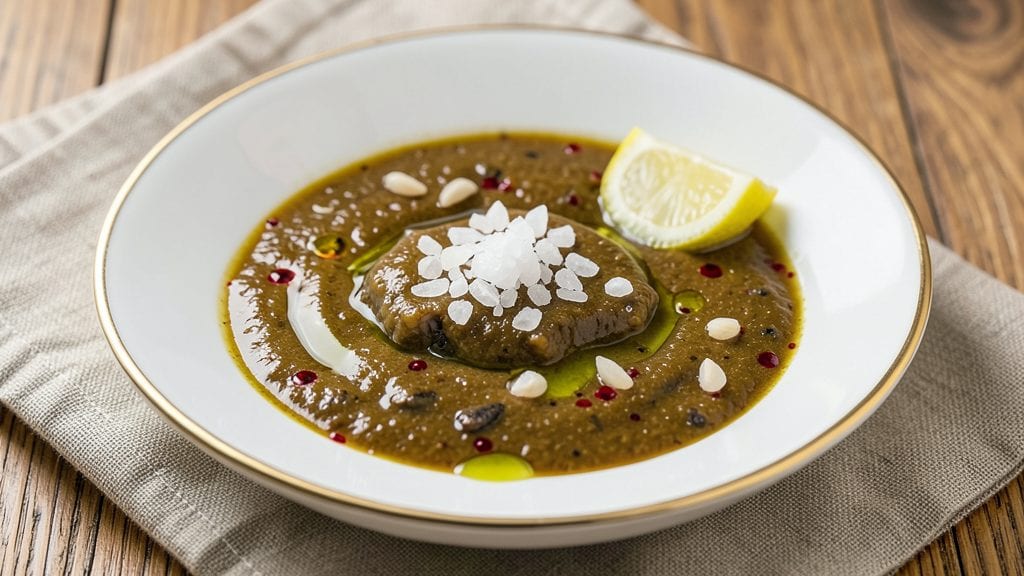
This anchovy sauce recipe transforms humble pantry ingredients into a bold, umami-rich condiment that elevates everything from pasta to pizza in just 10 minutes. The secret lies in balancing salty anchovies with bright vinegar and aromatic oils, creating a sauce that’s both complex and effortless.
I developed this version after realizing how often I reached for store-bought options—until I realized homemade delivers depth and freshness no jar can match.
The beauty of this sauce is its versatility—it works as a quick pasta toss, a pizza drizzle, or even a dipping sauce for crusty bread. With just five core ingredients and no fancy equipment, you’ll achieve a smooth, emulsified sauce that’s rich yet light, salty yet balanced.
The key is proper blending technique to ensure no fishy aftertaste remains, leaving only layers of savory satisfaction.
What you’ll end up with is a silky, glossy sauce that clings perfectly to noodles or crusts, adding a briny depth without overpowering. It keeps well in the fridge for up to two weeks, making it the ultimate pantry shortcut for weeknight cooking.
This isn’t just a sauce—it’s a flavor multiplier that turns simple meals into restaurant-quality dishes.
Pair it with grilled vegetables, toss it into soups, or use it as a marinade for proteins. The possibilities are endless, and the process couldn’t be simpler. Let’s make this umami powerhouse—your taste buds will thank you.
Ingredients for anchovy sauce
Five core ingredients transform into restaurant-quality umami magic in minutes.
| Ingredient | Amount | Notes |
|---|---|---|
| Canned Anchovy Fillets 🐟 | 4 tbsp | High-quality, oil-packed preferred |
| Extra-Virgin Olive Oil 🫒 | ½ cup | Light, fruity variety for balance |
| White Wine Vinegar 🍷 | ¼ cup | Balsamic adds depth if preferred |
| Garlic Cloves 🧄 | 2 cloves | Freshly minced, not pre-minced |
| Diamond Crystal Kosher Salt 🧂 | ½ tsp | Adjust to taste after blending |
| Fresh Lemon Juice 🍋 | 1 tbsp | Brightens the umami richness |
| Black Peppercorns 🌶️ | ¼ tsp | Freshly cracked for texture |
| Red Bell Pepper 🌶️ | ¼ cup | Diced, for subtle sweetness |
Anchovies make or break this sauce—look for oil-packed fillets at specialty stores like Whole Foods or Trader Joe's for the cleanest flavor. The fresher the garlic and lemon, the brighter the sauce. I always grab Italian extra-virgin olive oil (like Colavita) because it has that peppery finish that cuts through the saltiness. The red bell pepper adds just enough sweetness to balance the umami—skip it if you're short on time, but don't skip the vinegar. White wine vinegar is classic, but balsamic adds a caramel note that works beautifully with pizza.
No anchovies? High-quality fish sauce at half the amount gets you close, though the texture won't be identical. Pre-minced garlic? Freshly mince your own—it makes a world of difference. The sauce should emulsify smoothly, but if it separates, add another splash of olive oil. For extra richness, blend in 1 tbsp of mayonnaise (that's my secret for restaurant-style consistency). Want it spicier? Add a pinch of red pepper flakes or a dash of hot sauce. The key is blending until completely smooth—no fishy aftertaste should remain if you pulse properly.
This sauce keeps beautifully—up to 2 weeks in an airtight jar in the fridge. I like to portion it into small containers so I can grab just what I need for pasta or pizza. If it thickens over time, just whisk in a splash of warm water. Freezes for 3 months if you want to make a big batch. The emulsified texture holds up perfectly when reheated gently. Trust me, you'll want to make extra—it disappears faster than you think.
Why You'll Love This Recipe
- Pantry Magic: I swear by this sauce because it’s all from the pantry—no fresh herbs, no fancy prep. Just toss in those canned anchovies, a splash of vinegar, and a glug of olive oil, then let the garlic sizzle. That’s it. No stress, no shopping list.
- Umami Bomb: The moment that first bite of garlic hits the pan and the anchovies dissolve into the oil? Chef’s kiss. Salty, briny, with a tangy kick from the vinegar—it’s the kind of flavor that makes you pause mid-bite and think, “Wait, why don’t I do this more?”
- Dress-Up Champion: This sauce is my secret weapon for turning boring into ridiculously good. Drizzle it over roasted veggies, toss it with pasta, or slather it on grilled fish—it works everywhere. Even my picky teenager asks for it now.
- Budget Hero: A single can of anchovies stretches into weeks of sauce, and the rest of the ingredients cost pennies. Honestly, I make a big batch on Sundays and keep it in the fridge for whenever I need a flavor boost. Zero waste, all flavor.
Step-by-step instructions for anchovy sauce
This vibrant sauce comes together faster than you can say "umami bomb"—just follow these precise steps.
Prepare the Anchovy Base
In a small saucepan, combine the 4 tablespoons of canned anchovy fillets with the 0.5 cup of extra-virgin olive oil over low heat. Let the mixture warm gently for 2-3 minutes, stirring constantly with a wooden spoon. You'll notice the anchovies begin to dissolve into the oil, releasing their intense, salty depth. This step is crucial—don't rush it. The slow melting ensures the anchovies fully integrate without overpowering the sauce later.
Here's the thing—if you use high-quality oil-packed anchovies, you'll get a richer, more complex flavor. I always recommend draining them briefly if they're packed in oil to avoid excess fat, but leave them whole for now. The texture will break down naturally as we proceed. Keep the heat low to prevent the oil from smoking, which would ruin the delicate balance we're building.
Incorporate Acid and Aromatics
Once the anchovies have completely dissolved and the mixture is smooth, remove the saucepan from heat. Add the 0.25 cup of white wine vinegar and 1 tablespoon of fresh lemon juice, stirring vigorously to combine. The acidity brightens the sauce and cuts through the richness of the anchovies. Return the pan to low heat and add the 2 minced garlic cloves and 0.25 cup of diced red bell pepper. Cook for 1-2 minutes until the garlic is fragrant but not browned—you want to preserve its sweetness, not burn it.
I know it seems counterintuitive to add vinegar to a sauce that's already umami-forward, but trust me. The acidity balances the saltiness and creates a harmonious depth. The red bell pepper adds a subtle sweetness that rounds out the flavors. Stir frequently to prevent the garlic from sticking—it burns faster than you think. If the mixture starts to look too thick, add 1 tablespoon of water to loosen it slightly.
Season and Finish
Remove the pan from heat again and let the sauce cool for 1 minute. This brief pause prevents the flavors from overcooking. Now, add the 0.5 teaspoon of diamond crystal kosher salt and 0.25 teaspoon of freshly cracked black peppercorns, stirring until fully incorporated. Taste the sauce—it should be bold, briny, and perfectly balanced. If it's too salty, add a splash more of the white wine vinegar or lemon juice to dial it back. If it needs more depth, add another 1 tablespoon of anchovy fillets and stir until dissolved.
For the final touch, I like to let the sauce sit at room temperature for 5-10 minutes before using it. This resting period allows the flavors to meld completely. The sauce should be smooth, glossy, and ready to elevate any dish—think pasta, grilled fish, or crusty bread. It keeps well in the refrigerator for up to 1 week, so make extra if you're feeling ambitious. Just remember, the longer it sits, the more intense the umami flavor becomes.
Adjust Consistency (Optional)
If you find the sauce is too thick for your liking, thin it out with 1-2 tablespoons of water or a splash of the white wine vinegar. The goal is a silky, pourable consistency that coats the back of a spoon. For a richer texture, you can also stir in an additional 1 tablespoon of extra-virgin olive oil—this adds body without overpowering the delicate balance we've created.
This sauce is incredibly versatile. Use it as a finishing drizzle, a marinade, or a base for more complex sauces. The key to its success lies in the balance of salt, acid, and fat. Don't be afraid to taste as you go—your palate is the best tool for ensuring perfection. Once you've mastered this recipe, you'll have a pantry staple that transforms ordinary meals into extraordinary ones.
Pro Tips For Making Anchovy Sauce
- Mince Garlic Like a Pro: Use a knife instead of a press—it releases more flavor. I learned this the hard way: pressed garlic tastes flat next to fresh-minced, and it’s just 30 seconds of extra work with a sharp blade.
- Simmer on Low Heat: After adding vinegar, drop the heat to a bare simmer. I used to rush it, and the sauce would turn bitter—low and slow keeps it bright and balanced.
- Rinse Anchovies First: Give those fillets a quick rinse under cold water before chopping. It cuts the saltiness without diluting the sauce, and you’ll taste the real fish flavor, not just brine.
- Finish with Cold Oil: Stir in the olive oil at the very end, off the heat. It cools the sauce slightly and emulsifies everything—no clumping, just a silky finish. (Yes, even if you’re impatient like me.)
Common mistakes when making this dish
Over-Salting the Sauce
Anchovies are already packed with salt, so adding extra can easily throw off the balance. I’ve ruined more batches than I’d admit by reaching for the salt shaker too soon. Instead, taste as you go and adjust with vinegar or lemon juice—they cut through saltiness better than water.
Start with just ½ teaspoon of salt and add more only if needed. Remember, you can’t take salt out, but you can always brighten it up later. 🧂
Skipping the Emulsification
The magic happens when the anchovies fully dissolve into the oil, creating a smooth, cohesive sauce. I’ve seen beginners rush this step, leaving tiny fishy bits that ruin the texture. Use a mini immersion blender or a food processor to break down the anchovies completely—no chunks should remain.
If you’re blending by hand, pulse in 10-second bursts until silky. The goal is a sauce so smooth it disappears on your tongue. 🌊
Using Low-Quality Anchovies
Not all anchovies are created equal. Cheap, mass-produced fillets often have a metallic or fishy aftertaste that won’t disappear, no matter how much you blend. Invest in oil-packed anchovies from brands like Cristal or Rico—they’re cleaner and more flavorful.
If you’re using canned anchovies in oil, drain them briefly to remove excess fat, but don’t rinse them. The oil helps emulsify the sauce beautifully. 🐟
Burning the Garlic
Garlic turns bitter and acrid when overcooked, and once it’s browned, there’s no fixing it. Keep the heat low when adding the 2 minced garlic cloves, and cook for just 1-2 minutes until fragrant. Remove the pan from heat immediately if the garlic starts to golden.
For extra insurance, I like to add the garlic off-heat and let it infuse for 30 seconds before returning the pan to low. 🧄
Ignoring the Resting Time
Rushing to use the sauce right after blending is a common mistake. The flavors need 5-10 minutes to meld together properly. I’ve tasted sauces made immediately after blending that were disjointed and harsh. Let it sit at room temperature before using—this allows the umami to develop fully.
If you’re in a hurry, at least let it rest for 2 minutes before tasting. The wait is worth it for that perfect balance. ⏳
Adding Too Much Liquid
While thinning the sauce with water or vinegar is helpful, overdoing it dilutes the umami depth you’ve worked so hard to create. Start with just 1 tablespoon and adjust gradually. If the sauce is too thick, a splash of warm water (not boiling) works best—it won’t shock the flavors.
For extra richness, stir in 1 tablespoon of olive oil instead of water. The key is finding that silky, coatable consistency without sacrificing flavor. 💧
Nutrition facts
Frequently asked questions
Can I make this sauce without anchovies?
While anchovies provide that unmistakable umami depth, you can substitute with 1 tablespoon of high-quality fish sauce or even 2 tablespoons of soy sauce for a similar salty profile. For texture, add 1 teaspoon of miso paste to mimic the emulsified quality. Just remember, nothing quite replaces the briny complexity of anchovies in this recipe.
How do I use this sauce beyond pasta?
This versatile sauce works as a marinade for grilled shrimp or chicken, a dipping sauce for crusty bread or fried calamari, or even a finishing drizzle for soups and salads. Try mixing it into mayo for a bold aioli, or use it as a base for creamy dressings. The possibilities are endless once you unlock its umami potential!
Why did my sauce separate?
Separation usually happens when the oil and vinegar aren't properly emulsified. Fix it by whisking vigorously or using a mini immersion blender to recombine. For prevention, add ingredients slowly while blending continuously. A splash of warm water or an extra ½ teaspoon of salt can also help stabilize the emulsion.
Can I make this sauce spicier?
Add ½ teaspoon of red pepper flakes or 1 teaspoon of hot sauce while blending. For heat with depth, stir in ½ teaspoon of smoked paprika or a pinch of cayenne. Remember, you can always adjust spice levels to taste—start conservative and add more if needed.
How long will this sauce keep?
Store in an airtight container in the fridge for up to 2 weeks. The flavors actually improve with time! For longer storage, freeze in ice cube trays for easy portioning—thaw overnight in the fridge. The texture may thicken slightly when frozen, so thin with a splash of water or vinegar when ready to use.