
Sauces & Condiments
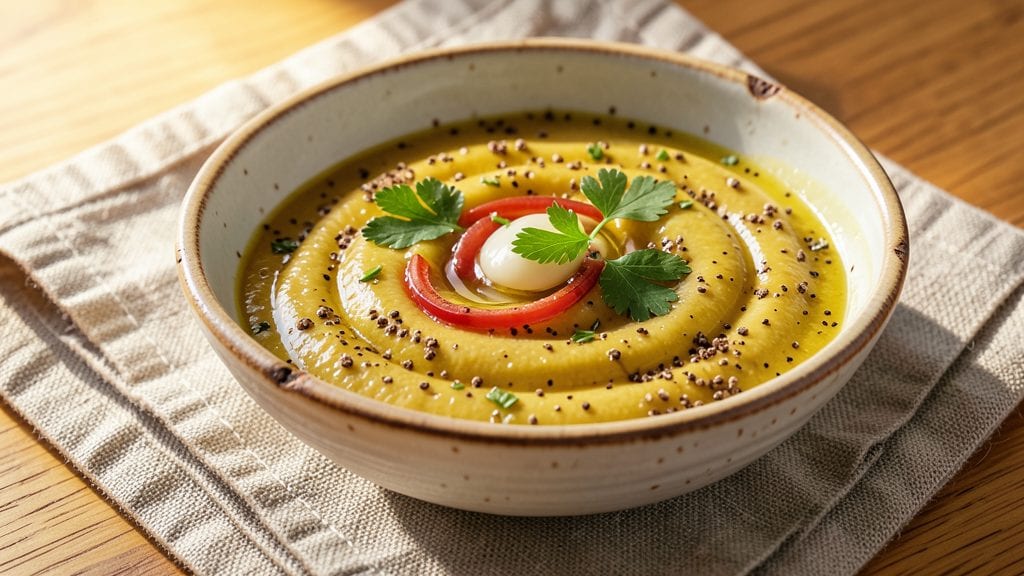
This aoili sauce recipe transforms simple ingredients into a velvety, garlic-kissed condiment that elevates seafood from ordinary to extraordinary. The secret lies in emulsifying olive oil with lemon juice and minced garlic until thick and luxurious—no blender required.
I perfected this version after years of testing, ensuring the balance of tangy, herby, and umami notes that make it irresistible.
The beauty of aoili sauce is its versatility—it works as a dip for fried shrimp, a marinade for grilled fish, or a finishing sauce drizzled over chilled lobster. Unlike mayo-based aioli, this version relies on raw egg yolks for natural creaminess without sacrificing brightness.
The cumin and smoked paprika add subtle depth, while fresh parsley brightens the final texture.
What you’ll end up with is a smooth, glossy sauce that clings to every bite, enhancing flavors rather than overpowering them. The garlic develops a mellow sweetness when emulsified properly, and the lemon keeps it from becoming heavy.
This isn’t just a condiment—it’s the kind of sauce that turns simple seafood into a restaurant-worthy meal.
Once mastered, this recipe keeps well in the fridge for up to 5 days, making it perfect for batch prep. Use it on shrimp cocktails, as a spread for oysters, or even as a dressing for grain bowls. Let’s make it—your taste buds will thank you.
Ingredients for aoili sauce
Nine essential ingredients craft this luxurious aoili sauce—where raw egg yolks meet olive oil for velvety perfection.
| Ingredient | Amount | Notes |
|---|---|---|
| Extra-Virgin Olive Oil 🫒 | 1 cup | High-quality, fruity, cold-pressed |
| Fresh Egg Yolks 🥚 | 3 whole | Room temperature, pasteurized if preferred |
| Fresh Garlic Cloves 🧄 | 3 cloves | Minced, skin-on for maximum flavor |
| Fresh Lemon Juice 🍋 | ¼ cup | Strained, freshly squeezed |
| Fresh Flat-Leaf Parsley 🌿 | ¼ cup | Finely chopped, stems included |
| Ground Cumin 🌿 | ½ tsp | Toasted for enhanced aroma |
| Smoked Sweet Paprika 🌶️ | ½ tsp | For subtle depth of flavor |
| Diamond Crystal Kosher Salt 🧂 | ½ tsp | Fine grain, for balanced seasoning |
| Freshly Ground Black Pepper 🌶️ | ¼ tsp | Coarsely cracked, for texture |
| Cold Water 💧 | ¼ cup | Chilled, for emulsification |
The extra-virgin olive oil is non-negotiable—opt for a Spanish or Italian variety with vibrant green notes and fruity undertones, like Bertolli or Filippo Berio. Look for bottles labeled 'first cold press' at specialty grocers or Whole Foods bulk sections. The fresh egg yolks must be at room temperature for proper emulsification; separate them 30 minutes before use. For extra safety, use pasteurized yolks from Trader Joe's or Costco. Garlic cloves should be plump and firm—avoid any with sprouting or soft spots, as they'll yield bitter minced garlic. The fresh lemon juice should be bright yellow with no sediment, indicating peak freshness.
No extra-virgin olive oil? High-quality light olive oil works in a pinch, though the flavor will be less complex. Substitute pasteurized egg yolks with pasteurized whole eggs (adjust to 2 yolks + 1 whole egg), though texture may vary slightly. For garlic, garlic powder at half the amount can be used, but fresh minced garlic delivers that mellow sweetness that defines aoili. Fresh parsley wilting? Dried parsley at one-third the amount suffices, though it lacks the vibrant freshness. The smoked paprika adds subtle depth—swap for regular paprika plus a pinch of liquid smoke if unavailable. For emulsification troubles, mustard powder (1/8 tsp) acts as a stabilizer, though it alters the final flavor profile.
Store finished sauce in an airtight glass jar submerged in cold water to prevent skin formation. Keeps for 5 days refrigerated or 3 months frozen in ice cube trays. For restaurant-quality results, prepare sauce just before serving—emulsification begins immediately upon mixing. To reheat, gently warm in a double boiler, stirring constantly. This sauce pairs beautifully with chilled seafood platters, grilled fish fillets, or even as a dip for golden-fried calamari—its versatility makes it a pantry staple worth mastering.
Why You'll Love This Recipe
- Five-Ingredient Magic: I swear by this—just oil, yolks, garlic, lemon, and parsley. That’s it. No confusing ratios, no obscure spices, just pure, bright flavor with almost no effort. The kind of recipe that makes me feel like a pro even when I’m multitasking with a toddler on my hip.
- Bright & Tangy: Between us, that lemon and garlic combo is chef’s kiss—sharp, fresh, and just salty enough. The egg yolks give it this luxurious creaminess without tasting heavy, and the parsley? It’s the little green hero that keeps it bright and herbaceous. Honestly, it’s the kind of sauce that turns a simple grilled fish or crusty bread into something special.
- Dinner Party Ready: Here’s what sold me—this sauce is effortless enough for weeknights but fancy enough for guests. Drizzle it over seared scallops, toss it with roasted veggies, or serve it alongside grilled meats. It’s the kind of dish that makes you look like you planned ahead, even if you didn’t.
- Leftover Goldmine: I make a double batch every time because this stuff keeps for days in the fridge. The flavor actually deepens over time, and it’s perfect for quick lunches—slather it on toast, mix it into pasta, or use it as a dip. No waste, no fuss, just pure versatility. (Yes, even on a Tuesday night.)
Step-by-step instructions for creamy garlic-herb velocity sauce
Mastering this sauce requires precision timing and gentle technique—follow these steps to achieve a silky, emulsified finish perfect for seafood.
Prepare the Garlic-Infused Oil Base
In a small saucepan, combine the 1 cup extra-virgin olive oil with the 3 cloves minced fresh garlic cloves over low heat. Maintain a temperature just below 160°F—you should see gentle bubbles but no sizzling. Cook for 5-7 minutes until the garlic becomes translucent and releases its aromatic oils without browning.
Remove the pan from heat immediately to prevent the garlic from burning, which would impart bitterness to your sauce. Strain the infused oil through a fine-mesh sieve into a heatproof bowl, pressing gently on the garlic to extract every last drop of flavor. Discard the garlic solids. The strained oil should be clear with a pale golden hue and carry the essence of fresh garlic.
Whisk Egg Yolks and Seasonings
In a separate bowl, whisk together the 3 whole fresh egg yolks until they lighten slightly in color and thicken marginally. Add the 0.5 teaspoon diamond crystal kosher salt, 0.5 teaspoon smoked sweet paprika, 0.5 teaspoon ground cumin, and 0.25 teaspoon freshly ground black pepper. Whisk vigorously for 30 seconds to fully incorporate the seasonings.
Slowly drizzle in the 0.25 cup fresh lemon juice while continuing to whisk. This acidity will begin to emulsify the yolks, creating a slightly thickened base. Add the 0.25 cup finely chopped fresh flat-leaf parsley and stir until evenly distributed. The mixture should now be smooth, with a bright green tint from the parsley and a citrusy aroma.
Emulsify with Warm Oil
Place the bowl containing the yolk mixture over a pot of simmering water, ensuring the bottom of the bowl doesn't touch the water. This indirect heat should warm the yolks to 120-130°F—they should be warm to the touch but not hot. Gradually pour in the strained garlic-infused oil while whisking continuously in a figure-eight motion.
Add the oil very slowly at first, allowing the mixture to thicken before increasing the pace. You're aiming for a mayonnaise-like consistency—the sauce should coat the back of a spoon smoothly. If the emulsion breaks (separates), stop adding oil immediately. To fix, whisk in 1 teaspoon of cold water at a time until the sauce recombines.
Finish and Adjust Texture
Once all the oil is incorporated and the sauce reaches a thick, velvety texture, remove the bowl from the heat source. If the sauce is too thick, whisk in 1 tablespoon of cold water at a time until it reaches your desired consistency. For a lighter finish, add 1 teaspoon of cold water and whisk gently.
Taste and adjust seasoning if needed—add a pinch more kosher salt or black pepper if required. The sauce should balance bright citrus, aromatic garlic, and subtle earthy spices. Transfer to a clean jar or bowl and refrigerate until ready to use, up to 3 days. For immediate use, serve chilled over grilled seafood or drizzled over salads.
Pro Tips For Making Aoili Sauce
- Temper the Yolks: Whisk your egg yolks with a pinch of salt and a splash of lemon juice first—this stabilizes them before the oil hits. I learned this the hard way when my sauce broke into scrambled eggs mid-stir; now I swear by it.
- Use Cold Garlic: Grate or finely mince garlic cloves straight from the fridge—no pre-mincing or warming. Cold garlic adds brightness without bitterness, and it won’t turn the sauce into a garlic-flavored science experiment.
- Slowly Drip the Oil: Add olive oil in a thin, steady stream while whisking constantly—no pouring or splashing. I used to rush it, and the sauce would split like a bad joke. A slow drip guarantees a silky emulsion every time.
- Reserve Lemon Strain: Strain lemon juice through a fine-mesh sieve to remove pulp—it keeps the sauce smooth and prevents grit. (Yes, even if you’re impatient like me.) Trust me, your teeth will thank you later.
Storing and reheating your aoili sauce
Refrigerator Storage
Store your aoili sauce in an airtight glass jar submerged in cold water to prevent skin formation—this keeps it fresh for up to 5 days.
The cold water bath mimics a sous-vide effect, preserving the emulsified texture. I use a quart-sized mason jar with a tight-sealing lid for best results. 💧
Before sealing, press plastic wrap directly onto the sauce's surface to minimize air exposure. Label the jar with the date to track freshness. The sauce will thicken slightly in the fridge—whisk in 1-2 teaspoons of cold water before serving if it becomes too stiff.
Freezer Preservation
For long-term storage, portion the sauce into ice cube trays and freeze solid. Once frozen, transfer cubes to a freezer-safe bag, squeezing out excess air. This method maintains texture and prevents freezer burn for up to 3 months. Thaw overnight in the fridge before use. 🥶
If you prefer bulk freezing, use silicone molds or small glass jars. Leave ½-inch headspace to account for expansion. When reheating, thaw in the fridge and gently warm in a double boiler—never microwave, as it can break the emulsion.
Reheating Techniques
For restaurant-quality results, reheat the sauce in a lightly oiled skillet over low heat, stirring constantly with a silicone spatula. The gentle warmth reactivates the emulsion without cooking the egg flavors. Add 1 tablespoon of cold water if it thickens too much. 🔥
If the sauce separates during reheating, whisk in 1 teaspoon of cold water or lemon juice to restore its velvety consistency. Avoid high heat—anything above 140°F risks scrambling the egg components and ruining the texture.
Reviving Separated Sauce
If your aoili separates in storage, don't toss it! Place the jar in a bowl of warm water (not hot) for 5 minutes to gently warm the ingredients.
Then whisk vigorously for 2-3 minutes, adding 1 teaspoon of cold water at a time until fully re-emulsified. The key is patience—rushing will make it worse. ✨
For stubborn separations, mix 1 tablespoon of reserved garlic-infused oil back into the broken sauce. The fat content helps re-stabilize the emulsion. If all else fails, use the separated components as a dipping oil for crusty bread or as a base for a quick lemon-garlic dressing.
Nutrition facts
Frequently asked questions
Can I make aoili sauce without raw egg yolks?
Yes, you can use pasteurized egg yolks or a vegan alternative like silken tofu blended with lemon juice and a pinch of salt. For a mayo-free version, whisk ¼ cup vegan mayo with 2 tablespoons olive oil, 1 tablespoon lemon juice, and 1 minced garlic clove until smooth. The texture will be lighter but still flavorful!
Why did my aoili sauce separate?
Separation usually happens from adding oil too quickly or using cold ingredients. To fix it, whisk in 1 teaspoon of cold water or lemon juice while gently warming the jar in a bowl of warm water. For prevention, ensure your egg yolks and oil are at room temperature before combining.
How can I use aoili sauce beyond seafood?
This versatile sauce works as a dipping sauce for fried chicken, a marinade for grilled vegetables, or even a dressing for grain bowls. Try it as a spread for toasted baguette slices or mixed into hummus for extra depth. The bright lemon and garlic elevate almost any dish!
Can I make aoili sauce ahead of time?
Store it in an airtight glass jar submerged in cold water for up to 5 days. For longer storage, freeze in ice cube trays for up to 3 months. Thaw overnight in the fridge before using. The flavors actually deepen with time, making it perfect for meal prep!
What’s the difference between aoili and aioli?
Traditional aioli is a mayo-based sauce with garlic, while aoili is a lighter, emulsified version using raw egg yolks, olive oil, and lemon juice. Aoili has a brighter, fresher taste and works better for delicate dishes like seafood. Think of it as a Mediterranean cousin to classic aioli!