
Sauces & Condiments
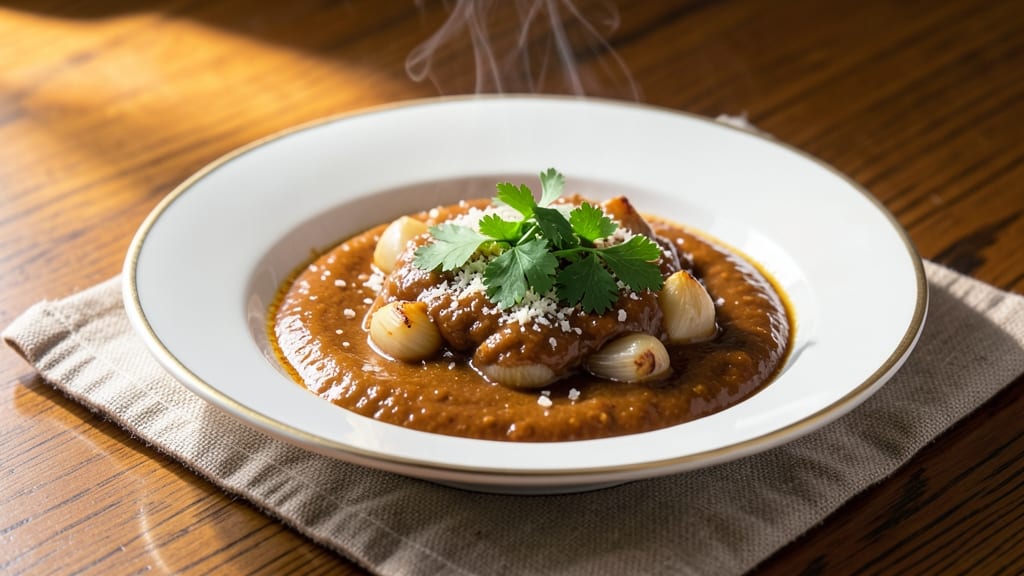
Creating the perfect Milanese sauce transforms simple pasta into an elegant meal with just a few ingredients and precise technique. This silky garlic-herb velouté clings beautifully to noodles, elevating any dish with its rich, velvety texture and aromatic depth.
I developed this recipe after years of refining restaurant-style sauces at home—now you can achieve the same restaurant-quality results without the fuss.
The foundation of this sauce lies in a classic roux—butter and flour cooked to a golden hue—then slowly blended with warm milk for a smooth, lump-free consistency. Fresh garlic, parsley, and a touch of Parmesan add brightness and complexity, while white wine (optional) deepens the flavor profile.
The key is patience: allowing the sauce to simmer gently ensures it develops its signature silkiness without breaking.
What you’ll end up with is a creamy, velvety sauce that coats every strand of pasta perfectly, balancing richness with herbaceous freshness. It’s ideal for drizzling over Milanese-cut veal or chicken, but also shines as a luxurious pasta accompaniment.
The best part? This sauce keeps well—store it in the fridge for up to 3 days or freeze for longer shelf life.
Whether you’re hosting a dinner party or craving a restaurant-worthy meal at home, this sauce delivers effortless sophistication. Ready in just 20 minutes, it’s the perfect way to elevate simple ingredients into something extraordinary. Let’s make it together—your taste buds will thank you.
Ingredients for milanese sauce
Six core ingredients transform into restaurant-worthy silkiness—no shortcuts needed.
| Ingredient | Amount | Notes |
|---|---|---|
| Unsalted Butter 🧈 | ½ cup | Cold, cubed for roux |
| All-Purpose Flour 🌾 | ½ cup | Sifted for smooth texture |
| Whole Milk 🥛 | 2 cups | Room temperature preferred |
| Garlic Cloves 🧄 | 4 cloves | Fresh, minced for brightness |
| Fresh Parsley 🌿 | ¼ cup | Chopped, stems removed |
| Parmesan Cheese 🧀 | ½ cup | Freshly grated from block |
| Dry White Wine 🍷 | ¼ cup | Optional, for depth |
| Extra-Virgin Olive Oil 🫒 | 1 tbsp | For finishing drizzle |
| Salt 🧂 | ½ tsp | Diamond Crystal preferred |
| Freshly Ground Black Pepper 🌶️ | ¼ tsp | Adjust to taste |
The butter and flour are non-negotiable for that velvety base. European-style unsalted butter (like Plugrá or Kerrygold) has higher fat content, giving you a richer roux. If you're using regular butter, chill it first—cold cubes melt evenly. The flour? King Arthur or Bob's Red Mill brands stay smooth when cooked. Fresh garlic is a must here—jarred minced loses its punch fast. For the parsley, flat-leaf varieties have more flavor than curly. I always grab extra since it's the herb's moment to shine. The Parmesan? Real Parmigiano-Reggiano from a deli counter—pre-grated tastes like sawdust in comparison.
No white wine? Substitute extra milk plus a splash of lemon juice—it brightens the sauce similarly. Short on parsley? Fresh basil at half the amount works in a pinch, though it changes the flavor profile slightly. The olive oil matters for finishing—a fruity, peppery EVOO like California Gold adds that final touch. For the roux, low and slow is key—rushing causes burning. If your sauce breaks, whisk in a splash of cold milk to fix it. The secret weapon? Patience—let that roux cook until it's golden, not brown.
This sauce is a fridge staple. Store in an airtight container for up to 3 days, with a thin layer of olive oil on top to preserve freshness. For longer storage, freeze in ice cube trays—thaw and reheat gently for perfect texture. Reheating? Low heat only—microwaving breaks the emulsion. I double the batch every time because it disappears faster than you'd think. Perfect for drizzling over Milanese-cut meats or tossing with al dente pasta. The leftovers? Even better the next day—flavors meld beautifully.
Why You'll Love This Recipe
- Pantry Magic: I swear by this sauce because it uses what’s already lurking in my fridge—no fancy shopping trips. Butter, flour, milk, and garlic? That’s it. Even my college-dorm version tasted like a restaurant’s secret.
- Garlic Butter Bliss: The moment you toast those garlic cloves in butter until they’re golden but not burnt—oh man—that nutty, aromatic punch is everything. Fresh parsley ties it all together with a bright, herby finish that makes every bite feel like a hug.
- Weeknight Wonder: This sauce is my go-to when I’m too tired to think but still want flavor. Dump it over pasta, toss it with roasted veggies, or slather it on grilled chicken—it’s the kind of dish that turns a boring night into something satisfying without trying too hard.
- Leftovers That Don’t Let You Down: Between us, I make double batches because this sauce actually improves the next day. The flavors meld even better, and it reheats like a dream. Plus, it’s cheap—milk and butter stretch far, so you’re not breaking the bank for restaurant-quality taste.
Step-by-step instructions for silky garlic-herb velouté
This velouté transforms simple pantry staples into a luxurious sauce that clings beautifully to pasta.
Create a Perfect Roux with Butter and Flour
Melt the 0.5 cup unsalted butter in a medium saucepan over medium-low heat, stirring constantly until it foams. Immediately whisk in the 0.5 cup all-purpose flour and cook for 2-3 minutes, stirring vigorously with a wooden spoon to prevent lumps from forming. You're aiming for a golden brown color—this is your roux foundation.
The key here is patience. If you rush, you'll end up with a raw flour taste. Keep whisking until the mixture smells nutty and the color deepens to a rich, toasted hue. This roux will form the velvety base of your sauce, so don't walk away—constant attention prevents burning.
Gradually Add Milk for a Smooth Velouté
Slowly pour in the 2 cups whole milk while whisking continuously to prevent lumps. Once all the milk is incorporated, increase heat to medium and cook for 5-7 minutes, stirring frequently, until the sauce thickens enough to coat the back of a spoon. This is your velouté base—silky and smooth with no graininess.
Here's where precision matters: if the sauce thickens too quickly, whisk in 1-2 tablespoons of milk to loosen it. You want a consistency like heavy cream—thick enough to cling to pasta but still pourable. Taste and adjust seasoning with 0.5 teaspoon salt and 0.25 teaspoon freshly ground black pepper now, before adding other flavors.
Infuse with Garlic and Wine for Depth
Reduce heat to low and stir in the 4 minced garlic cloves and 0.25 cup dry white wine. Let it simmer gently for 3-4 minutes, stirring occasionally, until the wine has completely evaporated and the garlic is fragrant but not browned. This step builds complex flavor without bitterness.
Don't skip the wine reduction—it's what transforms this from a basic velouté to something truly special. The alcohol burns off, leaving behind a subtle depth that complements the garlic. If you're using wine, make sure it's dry and not overly oaky—you want it to disappear without overpowering the sauce.
Finish with Herb and Cheese Emulsion
Remove the sauce from heat and stir in the 0.5 cup freshly grated parmesan cheese and 0.25 cup chopped parsley. For extra richness, drizzle in the 1 tablespoon extra-virgin olive oil while whisking vigorously. Return to low heat for just 1 minute to melt the cheese completely and create a luxurious emulsion.
The cheese should dissolve completely, creating a velvety texture. If it looks too thick, whisk in 1-2 tablespoons of pasta water to reach your desired consistency. The parsley adds freshness while the olive oil gives a final touch of brightness. Taste again and adjust seasoning—this is your chance to perfect the balance before serving.
Serve Immediately Over Fresh Pasta
Keep the sauce warm over low heat while you cook your pasta. When ready to serve, toss the drained pasta with the sauce, adding 1-2 tablespoons of pasta water as needed to create the perfect coating. The sauce should cling beautifully to each strand, creating a luxurious, herby finish.
For best results, serve immediately while the sauce is still warm. The combination of garlic, herbs, and parmesan creates a velouté that's rich yet light, perfect for elevating any pasta dish. This isn't just a sauce—it's the star of your meal, transforming simple ingredients into something truly exceptional.
Pro Tips For Making Milanese Sauce
- Whisk Like You Mean It: I learned this the hard way—lumpy roux ruins everything. When you mix butter and flour, actually whisk it until it’s smooth and pale yellow (about 2 minutes on medium heat). No, your arm won’t fall off. This isn’t just about looks; it guarantees that creamy, velvety texture later.
- Toast That Garlic: Raw garlic in milk? Blech. Lightly fry 2-3 minced cloves in butter until golden (not brown) before adding milk—this mellows the bite and adds depth. Skip this, and you’ll taste that sharp, bitter punch ruining your sauce.
- Temper the Milk Slowly: Pouring cold milk into hot butter? Disaster waiting to happen. Warm the milk first (just until steaming, ~160°F), then drizzle it in while whisking constantly. Your sauce won’t seize up, and you won’t end up with a grainy mess.
- Finish with Parsley Right: Tossing in parsley at the end? Big mistake. Fold in chopped parsley off the heat while the sauce is still warm—this keeps the leaves bright and vibrant. Dumping it in cold sauce wilts it into sad, mushy bits.
Dietary considerations for this dish
Gluten-Free Adaptation
Replace the 0.5 cup all-purpose flour with a high-quality gluten-free blend like King Arthur Measure for Measure or Bob's Red Mill 1:1 Gluten-Free Flour. These blends mimic the texture of regular flour when cooked into a roux.
For extra stability, whisk in 1 tablespoon cornstarch with the flour to prevent separation. The sauce will still achieve that velvety texture, though you may need to add 1 extra tablespoon of milk to maintain smoothness.
Use a nonstick saucepan when making the roux—gluten-free flours can stick more easily. If your sauce thickens too quickly, thin it with pasta water instead of milk to keep the flavor profile consistent.
The garlic and herbs will still shine through, making this version just as flavorful as the original. 🌾
Dairy-Free Version
Create a dairy-free velouté by substituting the butter and milk with vegan butter (like Miyoko's) and unsweetened almond milk or oat milk. For richness, add 2 tablespoons nutritional yeast to the roux before adding the milk.
The sauce will have a slightly tangier flavor but maintain its creamy consistency. Skip the Parmesan and use nutritional yeast or vegan parmesan for a similar umami depth.
To enhance creaminess, whisk in 1 tablespoon coconut cream at the end. This version works beautifully with dairy-free pasta and still delivers that luxurious finish. The key is to taste frequently—dairy-free sauces can be more delicate, so adjust seasoning carefully. 🌱
Low-Carb Option
For a low-carb twist, reduce the flour to 0.25 cup and replace the remaining 0.25 cup with almond flour. This keeps the sauce thicker while cutting carbs significantly.
Use heavy cream instead of milk for added richness, and omit the pasta entirely—this sauce pairs perfectly with zucchini noodles or as a dip for crispy chicken Milanese. The texture will be slightly denser but still velvety.
Boost flavor with an extra 0.25 teaspoon garlic powder and 0.1 teaspoon onion powder to compensate for the reduced flour. This version is ideal for keto diets while maintaining the sauce's signature elegance. The almond flour adds a subtle nuttiness that complements the garlic beautifully. ✨
Lactose-Free Adjustments
If you're lactose intolerant but can tolerate small amounts of dairy, use lactose-free butter (like Land O'Lakes Lactose-Free) and lactose-free milk. The sauce will still be creamy, though slightly lighter.
For extra richness, add 1 tablespoon cream cheese at the end—it melts seamlessly into the sauce without curdling. This version satisfies cravings while being gentle on digestion.
Test the sauce after adding the garlic and wine to ensure it holds together. If it separates slightly, whisk in 1 teaspoon cornstarch mixed with 1 tablespoon cold water to stabilize it. The flavor remains true to the original, making it a great compromise for those avoiding lactose. 💪
Nutrition facts
Frequently asked questions
Why does my velouté sauce turn grainy or separate?
This usually happens from one of three issues: adding cold milk too quickly, not whisking enough during the roux stage, or overheating the sauce. Always whisk vigorously when adding milk and cook the roux over medium-low heat until it's golden brown but not browned. If separation occurs, whisk in 1 tablespoon cold milk or pasta water to restore smoothness. The key is patience—never rush the process!
Can I make this sauce ahead of time for a dinner party?
This sauce actually tastes better the next day as the flavors meld. Store it in an airtight container in the fridge for up to 3 days, or freeze in ice cube trays for longer storage. When reheating, warm it gently over low heat and whisk in 1 tablespoon milk or water if it thickens too much. The texture remains velvety when reheated properly.
What's the best pasta to pair with this garlic-herb velouté?
This sauce shines with medium-width pastas like tagliatelle, fettuccine, or pappardelle—their flat surfaces catch the sauce beautifully. For extra elegance, try lobster ravioli or spinach-filled tortellini. Avoid long, thin noodles like spaghetti, as they won't hold the sauce as well. The sauce also works wonderfully as a dip for crispy chicken Milanese or veal cutlets.
How do I adjust the consistency if the sauce is too thick or too thin?
For a thicker sauce, simmer uncovered for 2-3 extra minutes to reduce. If it's too thin, whisk in 1 tablespoon cornstarch mixed with 2 tablespoons cold water while stirring constantly. For a lighter texture, stir in 2 tablespoons reserved pasta water or milk. The ideal consistency should coat the back of a spoon but still be pourable. Always taste as you adjust—seasoning may need fine-tuning after thinning or thickening.
What's the secret to getting that perfect golden roux color?
The secret lies in three things: low and slow heat, constant whisking, and patience. Cook the butter and flour over medium-low heat for 2-3 minutes, stirring vigorously every 30 seconds. The roux should smell nutty and look like wet sand when done—never let it brown. If it darkens too quickly, reduce the heat immediately. This golden stage is what gives the sauce its velvety texture.