
Sauces & Condiments
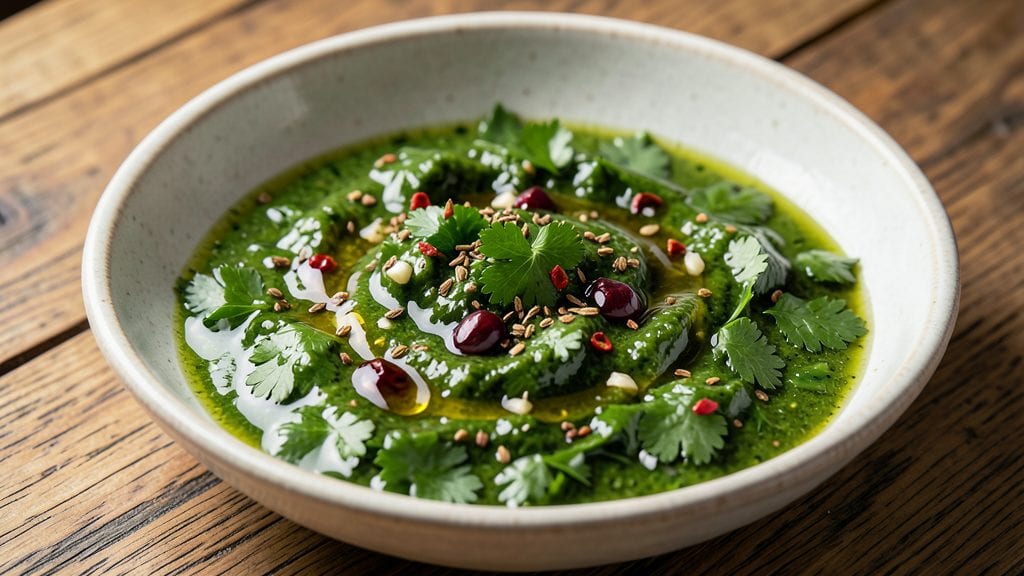
Creating Applebee's chimichurri sauce at home unlocks the same vibrant, herb-packed brightness you love on their menu—but with fresh, customizable ingredients. This sauce transforms any dish with its zesty garlic and parsley base, perfect for dipping, drizzling, or elevating grilled meats and seafood.
I’ve refined the recipe to balance tangy vinegar with rich olive oil, ensuring every spoonful delivers that signature Applebee’s flavor without the restaurant markup.
The beauty of this chimichurri lies in its simplicity: just seven ingredients, no cooking required. Fresh parsley and garlic form the aromatic heart, while red wine vinegar and olive oil create the perfect balance of acidity and richness.
A pinch of red pepper flakes adds subtle heat, and a touch of dried oregano deepens the herbaceous notes. Ready in just 10 minutes, this sauce keeps well in the fridge for up to a week, making it a go-to pantry staple.
What sets this recipe apart is its versatility—use it as a bold marinade for steak, a tangy dip for fries, or a finishing sauce for grilled shrimp.
The bright green color and fresh aroma alone make it irresistible, but the real magic happens when it coats warm, seared proteins or melts into melted cheese. Once you taste the difference between homemade and store-bought, you’ll never go back.
For an extra layer of depth, let the sauce sit for 30 minutes before using—this allows the flavors to meld and intensify. Store it in an airtight container in the refrigerator, and it’ll stay fresh and flavorful for up to seven days.
Whether you’re hosting a dinner party or just craving that familiar Applebee’s taste, this chimichurri delivers every time.
Ingredients for applebee's chimichurri sauce
Seven ingredients, zero cooking, all the Applebee's vibes at home.
| Ingredient | Amount | Notes |
|---|---|---|
| Fresh Flat-Leaf Parsley 🌿 | 1 ½ cups | Stems removed, tightly packed |
| Garlic Cloves 🧄 | 6 cloves | Peeled, roughly chopped |
| Extra-Virgin Olive Oil 🫒 | ½ cup | High-quality, fruity variety |
| Red Wine Vinegar 🍷 | ¼ cup | Dry, not sweetened |
| Red Pepper Flakes 🌶️ | ½ tsp | Adjust for heat preference |
| Dried Oregano 🍃 | ½ tsp | Mexican oregano preferred |
| Sea Salt 🧂 | ½ tsp | Fine grain preferred |
The parsley is non-negotiable—bright green, no wilt. I grab mine from Whole Foods or the farmers market when in season, but the grocery store works too. Flat-leaf parsley has more flavor than curly, so don't substitute. The garlic? Six cloves gives that signature punch—don't skimp. I usually buy a whole head and freeze the rest. For the olive oil, avoid the cheap stuff—this sauce deserves something with real character. Trader Joe's has a great affordable option, but splurge if you can.
No red wine vinegar? White wine vinegar or apple cider vinegar works in a pinch, though the flavor shifts slightly. Short on parsley? Cilantro or basil at half the amount adds a different twist. Want more heat? Double the red pepper flakes or add a pinch of cayenne. The oregano? Mexican oregano (sold in Latin markets) has a deeper, more complex flavor than regular oregano. If you can't find it, regular dried oregano works, just taste as you go. The sea salt should be fine grain—kosher or Diamond Crystal are my go-tos.
This sauce tastes even better after 30 minutes of resting—let the flavors marry. Store in an airtight jar in the fridge for up to 1 week. I like to make a double batch because it disappears fast—perfect for steak night, shrimp tacos, or just drizzling over eggs. If it thickens too much, stir in a splash of water or olive oil. Freezes beautifully for up to 3 months if you want to prep ahead.
Why You'll Love This Recipe
- No Pulse Check Needed: I’ve made this sauce at least 20 times—no food processor, no stress. Just stack the parsley, garlic, and red pepper flakes in a bowl, then pound with a wooden spoon until the herbs break down. That’s it. The vinegar and olive oil do the rest while I toss a salad or wait for steak to sear.
- Garlic Kiss, No Bite: Here’s what sold me—the garlic doesn’t overpower, it enhances. Fresh parsley keeps it bright, the red wine vinegar adds a tangy lift, and the olive oil smooths everything out. It’s bold but balanced, like a handshake with a little heat behind it. (Yes, even on a Tuesday night.)
- Steak Night or Salad Side: This sauce doesn’t just belong on grilled meats—it’s my go-to for roasted chicken, scrambled eggs, or even a drizzle over avocado toast. Honestly, I keep a jar in the fridge for emergencies, and it never lets me down. The red pepper flakes give it just enough kick to wake up anything dull.
- Lasts a Week, Costs Pennies: Between us, this is my secret weapon for meal prep. A big batch keeps for 7 days in the fridge, and the ingredients? Less than $5 total. The parsley stays fresh longest if you wrap the bowl tightly, and the olive oil keeps it from drying out. No waste, all flavor—exactly what you need when you’re short on time or cash.
Step-by-step instructions for Applebee's chimichurri sauce recipe
This vibrant chimichurri comes together in minutes with simple pantry staples.
Chop the Fresh Herbs and Garlic
Start by removing stems from the 1.5 cups fresh flat-leaf parsley and chopping the leaves into very fine pieces. I like to use a sharp chef's knife and cut in small batches to avoid packing the herbs too tightly. Add the peeled 6 cloves garlic cloves to the parsley and pulse everything together in a food processor until you achieve a coarse, chunky texture—think small pea-sized pieces. This texture is key for that signature Applebee's chimichurri texture.
If you don't have a food processor, you can finely chop everything by hand using a sharp knife. Just be patient and take your time to get those herbs and garlic into even, small pieces. The goal is to create a sauce that's bright and herby without being overly smooth.
Combine Wet Ingredients
In a medium bowl, whisk together the 0.5 cup extra-virgin olive oil and 0.25 cup red wine vinegar. The vinegar will help emulsify the sauce and balance the richness of the olive oil. Add the 0.5 teaspoon dried oregano and 0.5 teaspoon sea salt to the bowl and give everything a quick stir to dissolve the salt completely.
This is where the magic happens—don't skip the whisking. You want the olive oil and vinegar to blend smoothly so your chimichurri has a silky texture rather than feeling oily. The oregano and salt will dissolve into the mixture, creating a well-rounded flavor base before we add the fresh herbs.
Mix and Rest the Sauce
Transfer the herb mixture from the food processor to the bowl with the wet ingredients. Using a wooden spoon, gently fold everything together until completely combined. You'll notice the sauce will look slightly thick and chunky at this stage—this is perfect. Let the chimichurri sit at room temperature for 10 minutes to allow all the flavors to meld together.
Here's the thing—chimichurri tastes even better when it has time to develop. The acidity from the vinegar will mellow slightly, and the herbs will release more of their bright, fresh flavors. Don't be tempted to taste it immediately; patience here makes all the difference in the final result.
Add Heat and Adjust Consistency
Stir in the 0.5 teaspoon red pepper flakes, distributing them evenly throughout the sauce. Taste and adjust the seasoning if needed—you might want to add a pinch more sea salt or red pepper flakes depending on your heat preference. For a smoother texture, you can pulse the chimichurri briefly in a food processor, but I prefer to keep it slightly chunky to mimic that Applebee's signature style.
If the sauce is too thick, you can thin it with a splash of water or more red wine vinegar, but it should be thick enough to coat the back of a spoon. This chimichurri is best served immediately, but you can store any leftovers in an airtight container in the refrigerator for up to 5 days. The flavors will continue to develop and improve over time.
Pro Tips For Making Applebee'S Chimichurri Sauce
- CHOP PARSLEY FINE: Flat-leaf parsley needs to be tiny—like confetti—not just chopped. I used to cut it roughly, thinking it’d blend in, but the texture stays chunky and unprofessional. Pulse it in a food processor for 3-4 seconds, then give it a quick hand-chop if needed. That’s how it stays bright and integrates smoothly.
- MINCE GARLIC LIKE PASTE: No one wants to bite into a garlic clove in their chimichurri. Smash each clove with the flat side of your knife first, then mince it into a thick paste—almost like a fine sand. This way, it dissolves into the oil instead of sitting as separate specks. Trust me, your sauce will taste deeper this way.
- SALT THE VINEGAR: Red wine vinegar alone can taste sharp and harsh. Before mixing it with the oil, add a pinch of salt—about ¼ teaspoon per tablespoon of vinegar. It rounds out the acidity and makes the whole sauce taste more balanced. I learned this the hard way when my first batch tasted like a vinegar punch.
- PULSE, DON’T BLEND: If you’re using a food processor, pulse the parsley, garlic, and red pepper flakes just until combined—maybe 5-6 pulses. Over-blending turns chimichurri into a paste, and you lose that fresh, herby texture. Stop when it looks like coarse sand, then stir in the oil and vinegar by hand. That’s where the magic happens.
Troubleshooting great applebee's chimichurri sauce
Herb Texture Issues
If your chimichurri turns out too smooth or mushy, you likely over-processed the parsley and garlic. For that signature chunky texture, pulse ingredients in the food processor in short bursts—just until you see tiny pea-sized pieces.
I’ve found that 3-4 quick pulses (about 5 seconds total) keeps the right texture while releasing maximum flavor. 🌿
Sauce Too Thin
A watery chimichurri usually means too much vinegar or not enough herbs. Let the sauce sit for 10-15 minutes—the parsley will release moisture and thicken naturally. If it’s still too thin, stir in 1 tablespoon of extra olive oil at a time until it reaches a coating consistency.
Avoid adding more herbs, as this can make it overly herby and dilute flavors.
Flavor Imbalance
The sauce tastes too vinegary? Reduce the acid by adding ½ teaspoon of honey or sugar to mellow the sharpness. If it’s bland, increase the garlic or red pepper flakes by ¼ teaspoon at a time.
I’ve noticed that using aged red wine vinegar (like Balsamic Vinegar Co.) adds subtle sweetness that balances the tang perfectly. Taste as you go!
Separation Problem
If the oil and vinegar separate, whisk vigorously for 30 seconds to re-emulsify. For a more stable sauce, add 1 teaspoon of Dijon mustard to the wet ingredients before combining.
This acts as a natural emulsifier. Store-bought chimichurri often separates because it lacks this stabilizer—this trick keeps yours silky smooth. 💫
Heat Too Mild
If your chimichurri lacks spice, double the red pepper flakes to 1 teaspoon or add ¼ teaspoon of cayenne pepper for extra kick. For a smoky depth, toast the garlic cloves in a dry pan over medium heat for 30 seconds before chopping.
This caramelizes the garlic slightly, adding complexity without overpowering the fresh herbs.
Storage Gone Wrong
If your chimichurri develops mold or off-smells after refrigeration, it’s likely contaminated. Always store it in an airtight glass jar (plastic can absorb odors) and use within 5 days.
For longer storage, freeze in ice cube trays—thaw overnight in the fridge before using. If the texture changes, stir in 1 tablespoon of fresh olive oil to restore consistency.
Nutrition facts
Frequently asked questions
Can I substitute any ingredients in Applebee's chimichurri?
The recipe relies on fresh parsley for that signature bright flavor, but you can swap in cilantro or basil at half the amount if needed. For vinegar, white wine vinegar or apple cider vinegar work in a pinch, though the flavor shifts slightly. Avoid heavy cream or mayo—this sauce needs to stay light and herb-forward to match Applebee's style.
How long should I let the chimichurri sit before using it?
Always let it rest for at least 10 minutes at room temperature before using. This allows the flavors to meld and the parsley to release its moisture, creating a smoother, more balanced sauce. For deeper flavor, let it sit for 30 minutes—the acidity mellows and the herbs brighten even more. Patience here makes all the difference!
What's the best way to store leftover chimichurri?
Store in an airtight glass jar in the fridge for up to 5 days. Avoid plastic containers—they can absorb odors. For longer storage, freeze in ice cube trays and thaw overnight in the fridge. If the texture thickens after refrigeration, stir in 1 tablespoon of olive oil to restore consistency.
Can I use this sauce as a marinade?
Yes! This chimichurri makes an excellent marinade for grilled meats like steak or chicken. Let it sit with the protein for 30-60 minutes max (never longer than 2 hours) to avoid over-tenderizing. For seafood, use it as a finishing sauce only—never as a marinade, as the acidity can "cook" delicate fish.
Why does my chimichurri look different from Applebee's?
Restaurant versions often include proprietary ingredients or adjustments for consistency. Your homemade sauce might be slightly chunkier or brighter—this is normal! The key is balance: herb-forward, tangy, and slightly garlicky. If it's too thin, let it sit longer; if too thick, add a splash of water or vinegar. The texture should coat the back of a spoon without being gloppy.