
Sauces & Condiments
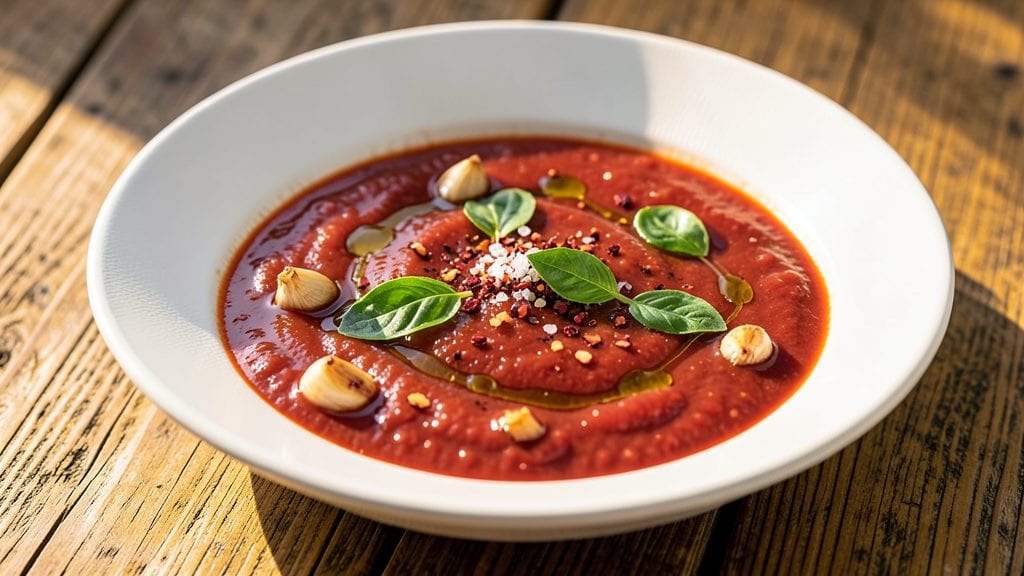
Barefoot Contessa's marinara sauce recipe transforms simple ingredients into a rich, slow-simmered masterpiece that elevates every homemade pasta dish. The secret lies in simmering high-quality tomatoes with garlic, olive oil, and fresh basil until the flavors meld into a velvety, umami-packed sauce.
I've perfected this technique over years of testing, ensuring every batch delivers that restaurant-quality depth without shortcuts.
This sauce begins with crushed tomatoes and fresh garlic, cooked low and slow to develop complex flavors. The addition of fresh basil at the end preserves its bright aroma, while a touch of red pepper flakes adds subtle heat.
Unlike store-bought versions, this marinara builds flavor through time—no artificial additives, just pure, simmered goodness. The result? A sauce so rich it coats pasta perfectly, leaving no trace of starch behind.
What makes this recipe truly special is its versatility. Use it as a base for meatball subs, drizzle it over grilled chicken, or serve it with crusty bread. The sauce thickens naturally as it simmers, creating that ideal consistency—never watery, never gluey.
With proper storage, it keeps for up to five days in the fridge, making it perfect for meal prep.
For best results, I recommend using high-quality canned tomatoes and fresh herbs. The slow simmering process is non-negotiable—it’s what transforms this into something extraordinary. Once you taste the difference, you’ll never go back to bottled marinara again. Let’s get cooking!
Ingredients for barefoot contessa marinara sauce
Seven core ingredients transform into a velvety marinara with restaurant-quality depth.
| Ingredient | Amount | Notes |
|---|---|---|
| Extra-Virgin Olive Oil 🫒 | ½ cup | High-quality, fruity variety preferred |
| Garlic Cloves 🧄 | 5 whole | Fresh, peeled, minced finely |
| San Marzano Crushed Tomatoes 🍅 | 28 oz | High-quality canned tomatoes |
| Fresh Basil Leaves 🌿 | ½ cup | Packed, stems removed |
| Red Pepper Flakes 🌶️ | ½ tsp | For subtle heat |
| Salt 🧂 | 1 ½ tsp | Kosher or sea salt |
| Black Pepper 🌶️ | ½ tsp | Freshly ground preferred |
| Dried Oregano 🍃 | 1 tsp | Italian variety recommended |
| Sugar 🍬 | ½ tsp | Balances acidity |
The tomatoes are the foundation, so San Marzano is non-negotiable—their sweetness and low acidity create a smoother sauce. Whole Foods or specialty Italian markets carry the best cans, but any high-quality brand works. Fresh garlic matters too; roasted whole cloves add a subtle sweetness, but mincing is traditional here. For olive oil, California or Italian varieties like Bertolli or Filippo Berio elevate the flavor without overpowering. The basil should be vibrant green—dull leaves mean it's past its prime. Buy small bunches and use within days for peak freshness.
No San Marzano? Whole peeled tomatoes work in a pinch—just crush them by hand. Short on fresh basil? Dried basil at half the amount gets you close, though the aroma won't be as bright. The red pepper flakes can be swapped for crushed cayenne at one-quarter the amount if you prefer more heat. For a deeper umami profile, add 1 tsp fish sauce or soy sauce at the end. The sugar balances acidity—honey works too, but it adds floral notes. If your tomatoes taste overly acidic, increase the sugar to 1 tsp.
This sauce thickens as it simmers, but you can adjust consistency by adding 1 tbsp tomato paste if needed. Store in airtight containers in the fridge for up to 5 days. For longer storage, freeze in ice cube trays—perfect for single portions. Reheat gently on low heat, stirring occasionally. The flavors deepen over time, so day-old sauce tastes even better. Double the batch if you're prepping for the week—it freezes beautifully.
Why You'll Love This Recipe
- Five-Ingredient Magic: I swear, this sauce comes together with fewer ingredients than my grocery list on lazy Sundays. Just olive oil, garlic, San Marzano tomatoes, basil, and a pinch of red pepper—no fancy gadgets, no stress.
- Garlic-Kissed Perfection: That first sizzle of garlic in olive oil? It builds layers of flavor that make you pause mid-stir. The San Marzano tomatoes melt into a velvety base, while the basil brightens every bite—like a hug in sauce form.
- Weeknight to Dinner Party: I’ve used this for spaghetti, grilled chicken, and even as a pizza base. (Yes, even on a Tuesday night.) The same jar of sauce works for quick meals or when I’m pretending I know how to cook for guests.
- Leftovers That Don’t Suck: Between us, most marinara freezes into a sad, watery mess. Not this one—the rich tomato base thickens beautifully, so I make a big batch, freeze portions, and still get that restaurant-quality taste later. Budget win.
Step-by-Step instructions for barefoot Contessa's marinara sauce
This method delivers restaurant-quality depth with simple pantry staples—just follow the timing and technique.
Sauté Garlic in Olive Oil Until Fragrant
Heat the 0.5 cup extra-virgin olive oil in a heavy-bottomed saucepan over medium-low heat. Add the 5 whole minced garlic cloves and cook for 3-4 minutes, stirring frequently. The garlic should turn golden without browning—this prevents bitterness. If it starts to brown too quickly, reduce the heat immediately.
Here's the thing—cooking garlic too long turns it bitter, but not cooking it enough leaves raw flavor. You'll know it's perfect when the kitchen smells rich and aromatic but not burnt. Remove the pan from heat temporarily if needed to control the color.
Add Tomatoes and Seasonings
Return the pan to medium heat and stir in the 28 oz San Marzano crushed tomatoes, scraping up any browned bits from the bottom. Add the 1.5 tsp salt, 0.5 tsp black pepper, 1 tsp dried oregano, and 0.5 tsp red pepper flakes. Stir well to combine all ingredients thoroughly.
The acidity of the tomatoes will make you think you need more salt, but resist the urge to add it now. The sauce will reduce and concentrate as it simmers, so we'll adjust seasoning at the end. This initial balance ensures we don't over-salt before the flavor develops.
Simmer Uncovered for 45 Minutes
Bring the sauce to a gentle boil, then immediately reduce heat to low. Let it simmer uncovered for 45 minutes, stirring occasionally. You're looking for a slow, steady simmer—not a rolling boil—that allows the flavors to meld without losing moisture.
During this time, the sauce will thicken noticeably as excess liquid evaporates. This slow reduction builds depth and complexity. If the sauce gets too thick before the 45 minutes are up, add 1-2 tablespoons of water to maintain consistency. The goal is a smooth, velvety texture without lumps.
Finish with Fresh Basil and Sugar
After 45 minutes, stir in the 0.5 tsp sugar and 0.5 cup fresh basil leaves. The sugar balances the acidity of the tomatoes, while the basil adds bright, fresh flavor. Simmer for an additional 5 minutes to fully incorporate the basil. Remove from heat and let it rest for 10 minutes before serving.
This resting period allows the flavors to settle and the sauce to reach its ideal consistency. Taste and adjust seasoning if needed—you may need a pinch more salt to enhance the flavors after they've had time to develop. The sauce should coat the back of a spoon smoothly with no separation.
Serve Over Pasta or Use as a Condiment
Serve the marinara immediately over al dente pasta or use it as a condiment for bruschetta, pizza, or grilled meats. The sauce should be vibrant red with a glossy sheen and a balance of sweet, tangy, and herby flavors. Each spoonful should deliver rich umami depth without overpowering acidity.
For best results, store leftovers in an airtight container in the refrigerator for up to 5 days or freeze for 3 months. When reheating, warm gently on the stove over low heat to prevent skin formation and maintain texture. This sauce improves with time as the flavors continue to meld.
Pro Tips For Making Barefoot Contessa Marinara Sauce
- Cook Garlic Low: Barefoot Contessa’s recipe calls for minced garlic, but I learned the hard way—don’t let it brown or burn. Once it turns golden, it’ll taste bitter and overpower the sweet San Marzano tomatoes. Keep the heat at a medium simmer, and if your kitchen runs hot, pull the pan off the heat for 10 seconds between stirs.
- Crush Tomatoes Properly: The recipe specifies crushed San Marzano tomatoes, but not all cans are equal. If yours aren’t pre-crushed, use a wooden spoon to break them down into rough chunks—no blender needed. This keeps texture and prevents a soupy sauce. (Yes, even if you’re impatient like me.)
- Salt the Oil First: Season the olive oil with a pinch of salt before adding garlic. This distributes flavor evenly and stops the garlic from sticking to the pan like glue. Trust me, you’ll taste the difference—especially when you’re tasting the sauce mid-cook.
- Add Basil Late: Fresh basil wilts and turns bitter if simmered too long. Tear the leaves by hand (no chopping!) and stir them in only at the very end, just before serving. If you’re prepping ahead, store the basil separately and add it fresh when reheating.
Make-ahead tips for this barefoot contessa marinara sauce
Prep Ahead Basics
This marinara sauce is designed for make-ahead convenience—its flavors actually deepen over time. Start by preparing the sauce up to Step 3 (the 45-minute simmer) and let it cool completely.
Store it in airtight glass containers (I love Pyrex or Le Parfait) in the fridge for up to 3 days before finishing with fresh basil and sugar. The sauce will thicken further as it rests, so you may need to add 1-2 tablespoons of water when reheating. 💡
Freezer-Friendly Portions
For long-term storage, divide the cooled sauce into ice cube trays (freeze until solid) or silicone molds for perfect single-serving portions. Transfer the frozen cubes to ziplock freezer bags or glass jars, labeling with the date.
This sauce freezes beautifully for up to 3 months—just thaw overnight in the fridge before reheating. When ready to use, gently warm on the stove over low heat to preserve texture. 🥶
Meal Prep Timeline
Here’s my foolproof schedule: Make the sauce on Sunday morning (up to Step 3), then finish and serve immediately for dinner. Store leftovers in the fridge for 3-4 days of easy lunches or pasta nights.
For a 5-day prep, freeze half the batch after Step 3, then finish the remaining sauce fresh. This ensures you always have restaurant-quality marinara ready for weeknight dinners. ✨
Reheating Like a Pro
Never microwave this sauce—it creates a skin and ruins the texture. Instead, transfer 1-2 cups to a small saucepan and warm over low heat for 5-7 minutes, stirring occasionally. For frozen portions, add 1 tablespoon of water per cup to prevent scorching.
If the sauce seems too thick after reheating, thin it with warm water or pasta water—just 1 teaspoon at a time. The goal is a smooth, glossy consistency without lumps. 🔥
Sauce Boosters for Prep
Want to elevate your make-ahead sauce? Add 1 teaspoon of tomato paste when you first combine the tomatoes to deepen the color and flavor. For extra umami, stir in 1 teaspoon of fish sauce or ½ teaspoon of soy sauce at the end.
These additions keep well in the fridge or freezer and enhance the sauce’s complexity over time. Just taste before freezing to adjust seasoning—you can always add more salt later. 💛
Thawing and Using
If you’ve frozen the sauce, thaw it in the fridge overnight for best results. For a quick thaw, place the sealed container in a bowl of warm water (not hot) for 30-45 minutes, then finish with fresh basil and sugar.
The sauce will be slightly thicker after freezing, so add 1-2 tablespoons of water while reheating. Pro tip: Use thawed marinara within 3 days for peak flavor—it’s still delicious, but freshness matters most. 🌟
Nutrition facts
Frequently asked questions
Why does Barefoot Contessa's marinara need such a long simmer time?
The 45-minute simmer is key to developing rich, layered flavors. This slow cooking reduces excess liquid while allowing the tomatoes, garlic, and herbs to meld into a velvety texture. The longer simmer also breaks down the natural sugars in tomatoes, creating that perfect balance of sweetness and acidity that store-bought versions can't match.
Can I substitute San Marzano tomatoes with regular canned tomatoes?
You can use regular crushed tomatoes, but you'll notice a difference in texture and sweetness. San Marzano tomatoes have fewer seeds and a lower acidity, resulting in a smoother sauce. If substituting, add 1 tsp extra sugar to balance acidity and stir in 1 tbsp tomato paste to improve thickness.
What's the best way to store leftover marinara?
Store in an airtight glass container in the fridge for up to 5 days. For longer storage, freeze in ice cube trays or small jars. When reheating, warm gently on low heat with a splash of water to prevent skin formation. The flavors actually improve after 24 hours of resting!
How do I prevent my marinara from getting too thick?
If the sauce thickens too quickly, add 1-2 tbsp water while simmering. The key is maintaining a gentle simmer—not a rolling boil. For extra insurance, start with slightly more tomatoes or reduce the simmer time to 30 minutes. Remember, you can always thin it later with water or pasta water.
Can I make this sauce without fresh basil?
Use 1 tbsp dried basil instead, but add it during the final 5 minutes of simmering. For even more depth, add 1 tsp dried thyme with the oregano. The sauce will still be delicious—just with a slightly different herbal profile.