
Sauces & Condiments
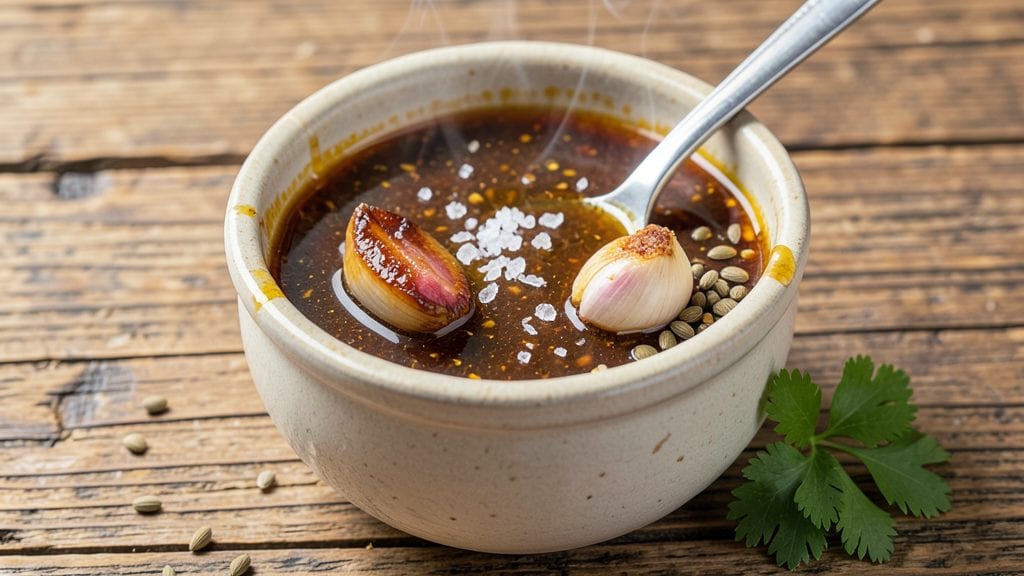
A basic fish sauce recipe turns ordinary ingredients into a rich, umami-packed elixir that instantly transforms any dish. This traditional recipe relies on just three core ingredients—anchovies, salt, and water—plus optional sugar or spices to refine the flavor profile.
The fermentation process, though slow, unlocks deep savory complexity that store-bought versions can't match, giving you restaurant-quality depth in your own kitchen.
The beauty of this method lies in its simplicity and precision. You'll start with clean, salt-cured anchovies packed tightly in a sealed container, then let nature do the work over several weeks.
The key is maintaining sterile conditions to prevent spoilage while allowing the enzymes to break down the fish into that signature liquid gold. For those who prefer a sweeter profile, a touch of sugar can balance the saltiness during fermentation.
What you'll end up with is a rich, salty-sweet condiment that's perfect for marinades, dressings, or finishing dishes. A few drops can transform a simple stir-fry into something extraordinary, or enhance the umami in soups and sauces.
The best part? Once you master this technique, you'll never buy fish sauce again—it's far more potent and customizable than anything in a bottle.
This recipe yields about 1 cup of concentrated fish sauce, which will keep for years in a cool, dark place. The slow fermentation means patience is required, but the reward is a pantry staple that makes every meal taste more sophisticated. Ready to create your own umami powerhouse?
Ingredients for basic fish sauce
Three core ingredients craft restaurant-quality umami—fermented to perfection for depth.
| Ingredient | Amount | Notes |
|---|---|---|
| Salt-Cured Anchovies 🐟 | 1 lb | High-quality, tightly packed |
| Diamond Crystal Kosher Salt 🧂 | ½ cup | Fine grain preferred |
| Filtered Water 💧 | 1 cup | Sterile, room temperature |
| Granulated White Sugar 🍯 | ¼ cup | Optional, for sweetness balance |
| Garlic Cloves 🧄 | 2 cloves | Optional, for aromatic depth |
| Dried Coriander Seeds 🌿 | 1 tsp | Optional, for earthy notes |
| Dried Black Peppercorns 🌶️ | ½ tsp | Optional, for subtle heat |
The salt-cured anchovies are non-negotiable—opt for tightly packed, high-quality brands like Red Boat or Wild Alaskan for optimal umami extraction. These should be salt-cured, not oil-packed, and packed densely in their container to minimize air exposure. Costco or specialty seafood markets often carry premium options, but even standard grocery store brands work if they're fresh and tightly packed. The Diamond Crystal kosher salt ensures proper preservation without overpowering the final product—avoid iodized table salt, which can impart off-flavors. For water, sterility is critical; use filtered or distilled water to prevent microbial contamination during the weeks-long fermentation.
No sugar? The sauce will still develop umami, though it may lean more purely salty. Substitute with honey or brown sugar at the same ratio for a deeper caramelized profile. Skipping garlic and spices? The base sauce remains versatile—add them later when using the sauce in dishes. For the optional spices, toast coriander seeds lightly before grinding to enhance their aromatic compounds. If you're using pre-minced garlic, it may introduce moisture; fresh cloves are ideal. Store-bought fish sauce lacks this customization—this method lets you dial in sweetness, heat, or herbal notes precisely.
Ferment in a sterilized glass jar with an airtight seal—canning jars work best. Store in a cool, dark pantry (60-70°F) for 6-8 weeks, checking weekly for proper fermentation (bubbles and a strong, pungent aroma indicate progress). Once ready, strain through cheesecloth into a clean bottle. The finished sauce will keep indefinitely in a dark, sealed container—its potency only intensifies over time. Use a dropper for precision; a little goes a long way. This isn't just a condiment—it's a flavor multiplier that elevates everything from stir-fries to marinades.
Why You'll Love This Recipe
- Here’s what sold me: this sauce doesn’t just work in Vietnamese dishes. I’ve used it in marinades, dressings, even soups, and it always elevates things. A little goes a long way, so you’ll have leftovers for weeks—no waste, just flavor.
- Five-Ingredient Magic: I swear, this is the kind of recipe where you’ll laugh at how little effort it takes. Just anchovies, salt, water, sugar, and garlic—no fancy tools, no stress. The hardest part is waiting for the flavors to meld, and honestly, that’s the best part.
- Umami Bomb: That first taste of the finished sauce? It’s like a punch to your flavor receptors. The anchovies bring this deep, salty richness, while the garlic adds a bright, punchy kick—sweetened just enough to balance it all. You’ll want to drizzle it on everything.
- Pantry Staple Power: Here’s what sold me: this sauce doesn’t just work in Vietnamese dishes. I’ve used it in marinades, dressings, even soups, and it always elevates things. A little goes a long way, so you’ll have leftovers for weeks—no waste, just flavor.
Step-by-step instructions for crafting homemade fish sauce
Transforming simple pantry ingredients into a complex umami-rich condiment requires precision and patience.
Prepare the Anchovies and Salt Mixture
Begin by rinsing the 1 lb salt-cured anchovies under cold water to remove excess salt, then drain thoroughly. In a non-reactive container, combine the anchovies with the 0.5 cup Diamond Crystal kosher salt and 1 cup filtered water. The salt helps preserve the mixture while extracting maximum umami from the anchovies.
Use a clean wooden spoon or silicone spatula to break down the anchovies into a coarse paste, ensuring no large chunks remain. This step is crucial for even fermentation and flavor extraction. Cover the container loosely with plastic wrap or a clean cloth, leaving room for airflow, and let it sit at room temperature for 48 hours. This initial curing period allows the salt to penetrate the anchovies fully.
Add Aromatics and Sweetener
After the 48-hour curing period, transfer the mixture to a blender or food processor. Add the 2 cloves garlic cloves (peeled), 1 tsp dried coriander seeds, and 0.5 tsp dried black peppercorns. Pulse until the mixture is smooth but still retains some texture—this ensures the spices are evenly distributed without turning the sauce into a fine powder.
With the blender running on low speed, gradually add the 0.25 cup granulated white sugar. The sugar balances the saltiness and adds subtle sweetness, which is particularly noticeable in longer-fermented sauces. Blend until fully incorporated, then transfer the mixture back to the non-reactive container. Stir well to combine, ensuring no pockets of undissolved sugar remain.
Ferment for Umami Development
Place the container in a dark, warm location—ideally between 70-75°F—for 4-6 weeks. This temperature range promotes consistent fermentation without risking spoilage. Stir the mixture gently every 3-4 days to prevent mold growth and ensure even exposure to air.
During fermentation, the anchovies will break down further, releasing deep umami compounds. You’ll notice the color darken and a distinct fishy aroma develop—this is normal and essential for flavor development. After 4 weeks, taste the sauce. If it’s still too salty or lacks complexity, extend the fermentation by another 1-2 weeks, stirring regularly.
Strain and Bottle for Storage
Once the sauce reaches your desired flavor profile, strain it through a fine-mesh sieve or cheesecloth into a clean glass jar, pressing gently on the solids to extract every drop of liquid. Discard the leftover anchovy solids—they’ve surrendered their flavor to the sauce. The strained liquid should be dark amber with a glossy sheen, indicating a rich concentration of umami.
Seal the jar tightly and store it in the refrigerator. The sauce will continue to mellow over time, with flavors deepening for up to 6 months. For best results, use within 3 months for peak brightness and complexity. This homemade version delivers a depth of flavor far surpassing commercial fish sauces, with a balanced saltiness and aromatic layers from the garlic, coriander, and pepper.
Pro Tips For Making Basic Fish Sauce
- Rinse Anchovies Twice: Salt-cured anchovies taste like a salt lick—rinse them under cold water twice before blending to cut that harsh saltiness. I used to skip this and wondered why my sauce always tasted like a brine bomb.
- Crush Garlic First: Smash those garlic cloves with the flat side of your knife before blending—it releases more flavor and blends smoother. No food processor? A mortar and pestle works, but your wrists will hate you.
- Simmer Slow and Low: Reduce the heat to a bare simmer after the initial boil—too much heat turns your sauce cloudy and bitter. I learned this the hard way after making a murky, off-putting batch that tasted like regret.
- Strain Through Cheesecloth: Skip the fine-mesh strainer—cheesecloth catches every last bit of fish oil and sediment, giving you a cleaner, richer sauce. It’s messy, but worth it for that silky texture. (Yes, even if you’re impatient like me.)
Troubleshooting this dish
Fermentation Gone Wrong
If your fish sauce develops mold (fuzzy spots) or emits a rotten egg smell during fermentation, toss it immediately—this indicates bacterial spoilage. To prevent this, always use sterile equipment and maintain a cool, dark environment (60-70°F).
I’ve found that glass jars with airtight lids (like Ball Mason jars) work best for minimizing contamination. 🧪
Weak or Bland Flavor
A weak umami profile often means the fermentation didn’t progress enough. Ensure your anchovies are high-quality and tightly packed—brands like Red Boat or Wild Alaskan deliver the best results.
If your sauce tastes bland after 6-8 weeks, try extending fermentation by 2 more weeks or add a pinch of MSG (½ tsp) to boost umami depth. Stirring the mixture every 3-4 days also helps break down proteins for richer flavor.
Excessive Saltiness
If your fish sauce is overly salty, it likely means the salt-to-anchovy ratio was too high. For future batches, reduce salt to ¼ cup (instead of ½ cup) and balance with more sugar (up to ⅓ cup).
Alternatively, dilute the sauce slightly by adding 1-2 tbsp of water per ¼ cup of sauce when using it in recipes. Taste as you go—homemade fish sauce should be salty but not overwhelming.
Cloudy or Separated Sauce
A cloudy or separated sauce usually means improper straining or temperature fluctuations during fermentation. To fix this, strain the sauce again through cheesecloth and press gently to extract all liquid. If separation persists, blend the strained sauce briefly to re-emulsify.
Store it in a cool, dark place (like a pantry) to prevent future separation. A glass dropper bottle helps control usage and keeps the sauce stable longer. 💧
Off-Putting Fishy Odor
A strong, unpleasant fish smell (rather than a balanced umami aroma) suggests the fermentation process was too aggressive. This often happens in warmer environments (above 75°F) or with low-quality anchovies.
To adjust, store the sauce in a cooler location (like a cellar or basement) and extend fermentation to 8-10 weeks. The aroma should mellow into a deep, savory richness—think of it like the difference between raw fish and perfectly seared scallops. 🐟
Slow or No Fermentation
If your sauce isn’t developing bubbles or a strong aroma after 6 weeks, your environment may be too cold (below 60°F). Move the jar to a warmer spot, like near a sunny window (but not direct sunlight).
Alternatively, place it on top of your refrigerator (which is typically warmer than the rest of the kitchen). Patience is key—some batches take up to 3 months to reach peak flavor, especially in cooler climates. 🌡️
Nutrition facts
Frequently asked questions
Can I use any type of fish for homemade fish sauce?
No—only salt-cured anchovies work best for traditional fish sauce. These tiny fish pack maximum umami in a concentrated form. Other fish like mackerel or sardines can be used, but they require longer fermentation times (often 6-12 months) and may yield less potent results. For beginners, stick with anchovies for reliable, restaurant-quality depth.
How do I know when my fish sauce is ready?
Your sauce is ready when it develops a deep amber color and strong, pungent aroma (like fermented soy sauce). After 4-6 weeks, taste it—it should be salty with rich umami, not raw fish flavor. If it still tastes too salty or lacks complexity, ferment another 1-2 weeks. The texture will be smooth and glossy when strained.
Can I speed up the fermentation process?
Fermentation can't be rushed safely—it takes 4-8 weeks for proper umami development. However, you can optimize conditions by placing your jar in a warm (70-75°F), dark spot like a pantry or near a sunny window (indirect light). Stirring every 3-4 days also helps break down proteins faster. Never use heat or pressure—this risks spoilage.
What’s the best way to store homemade fish sauce?
Transfer your strained sauce to a sterilized glass bottle with an airtight seal. Store in a cool, dark pantry (not the fridge) for up to 1 year. Refrigeration after opening extends freshness to 6 months. A dropper bottle prevents contamination and makes dosing easier—this sauce is potent, so a little goes a long way!
Can I make fish sauce without sugar?
Yes! Sugar balances saltiness but isn’t mandatory. Without it, your sauce will be more purely salty with intense umami. For a sweeter profile, substitute with honey or brown sugar (same ratio). If you omit it entirely, taste after 6 weeks