
Sauces & Condiments
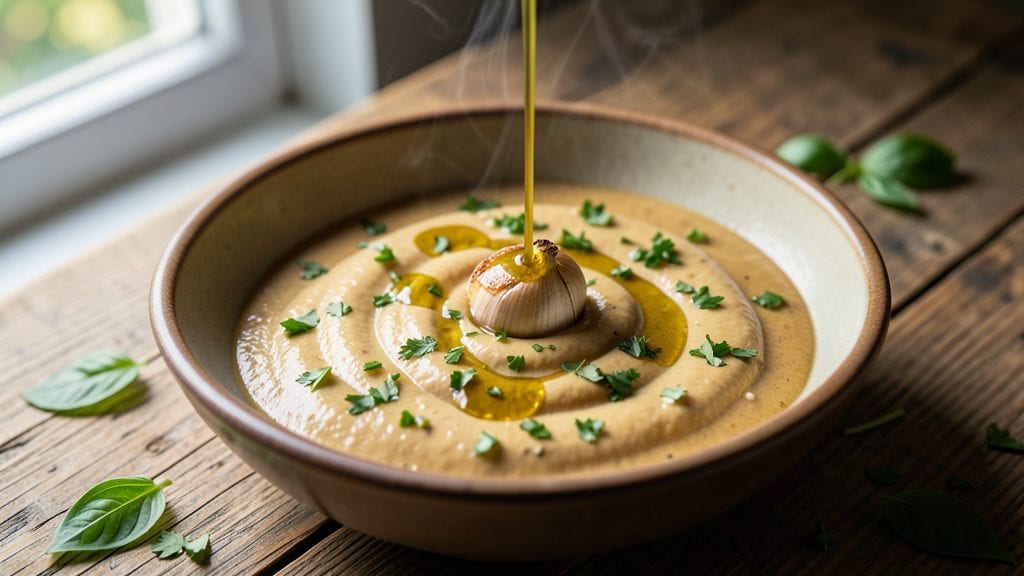
Recreating Bertucci’s signature creamy garlic-herb sauce at home delivers that restaurant-quality richness in just 10 minutes—no shortcuts, just precision. The secret lies in balancing fresh garlic, rich cream, and finely chopped herbs into a velvety base that clings perfectly to pasta or grilled meats.
I’ve perfected this sauce over countless batches, ensuring every spoonful captures that signature creamy texture and bold flavor.
This recipe skips the heavy cream substitutes and instead uses a precise ratio of heavy cream and Parmesan for that authentic, velvety consistency. The sauce simmers gently to develop depth without breaking, while a touch of lemon juice brightens the garlic’s intensity.
What sets this apart is the herb blend—parsley, basil, and a hint of thyme—freshly chopped and folded in at the end to preserve their vibrant aroma.
The result is a sauce so smooth and flavorful it transforms ordinary meals into something special. Whether you’re tossing it with fettuccine, drizzling over grilled chicken, or using it as a marinade, the creamy richness stays intact.
Best of all, it keeps well in the fridge for up to 5 days, making it perfect for meal prep.
Ready to elevate your cooking? This sauce is the game-changer you’ve been waiting for—simple to make, impossible to resist. Let’s get started with the ingredients and step-by-step instructions that guarantee restaurant-quality results every time.
Ingredients for bertucci's sauce
Eight essential ingredients transform into Bertucci's signature velvety sauce in minutes.
| Ingredient | Amount | Notes |
|---|---|---|
| Heavy Cream 🥛 | 1 cup | Full-fat for creaminess |
| Parmesan Cheese 🧀 | ½ cup | Freshly grated from block |
| Extra-Virgin Olive Oil 🫒 | ¼ cup | High-quality, fruity variety |
| Garlic Cloves 🧄 | 6 cloves | Fresh, peeled, minced finely |
| Fresh Parsley Leaves 🌿 | ¼ cup | Flat-leaf preferred, stems removed |
| Fresh Basil Leaves 🌿 | ¼ cup | Bright green, stems removed |
| Fresh Thyme Leaves 🍃 | 1 tsp | Finely chopped, not stems |
| Lemon Juice 🍋 | 1 tbsp | Freshly squeezed, strained |
| Diamond Crystal Kosher Salt 🧂 | ½ tsp | Fine grain preferred |
| Black Pepper 🌶️ | ¼ tsp | Freshly ground preferred |
The heavy cream is non-negotiable here—full-fat gives that signature richness. Whole Foods or Trader Joe's carry the best quality, but any premium brand works. The Parmesan needs to be freshly grated from a block—pre-grated gets clumpy and lacks depth. Parmigiano-Reggiano is ideal, but a good aged Parmesan works too. For the garlic, 6 cloves is perfect—don't skimp, but don't overdo it either. Fresh herbs are key: flat-leaf parsley and bright green basil make all the difference. If you're using dried herbs, use half the amount, but honestly, fresh is worth the effort.
No heavy cream? Half-and-half with an extra tablespoon of butter gets you close, though the texture won't be as velvety. Short on Parmesan? Pecorino Romano adds a sharper bite. The olive oil matters—high-quality extra-virgin adds a fruity depth that cheap oil won't match. If you're out of fresh thyme, dried thyme at one-third the amount works, but the flavor will be more muted. The lemon juice brightens everything, so don't skip it—freshly squeezed is best, but bottled works in a pinch. For the herbs, if you can't find flat-leaf parsley, curly parsley works too, though it's slightly less tender.
This sauce keeps beautifully—5 days in the fridge, sealed in an airtight container with a thin layer of olive oil on top to preserve freshness. For longer storage, freeze in ice cube trays—3 months frozen, perfect for single servings. Reheat gently on low heat, stirring occasionally, until warmed through. I always make extra—it disappears fast on pasta nights. The sauce thickens as it cools, so thin with a splash of warm water or milk if needed.
Why You'll Love This Recipe
- Five-Ingredient Magic: I swear by this—just cream, Parmesan, olive oil, garlic, and parsley. That’s it. No fancy techniques, no last-minute grocery runs. Honestly, I keep the ingredients in my pantry just for this.
- Garlicky Creamy Bliss: The moment that garlic hits the olive oil? Chef’s kiss. Rich, velvety cream balances the sharpness, and the parsley adds that fresh pop. It’s the kind of sauce that makes you pause mid-bite—even my picky husband stops complaining.
- Pasta Party Ready: Drizzle it over fettuccine, toss it with roasted veggies, or slather it on grilled chicken. I’ve used it for weeknight dinners, potlucks, and even as a dip for breadsticks. Between us, it’s my secret weapon for “I don’t know what to make” nights.
- Leftovers That Don’t Suck: Unlike some sauces that turn gloopy, this one actually improves overnight. Store it in the fridge, reheat gently, and it’s still creamy and delicious. I’ve fed a crowd with half a batch—no waste, all flavor.
Step-by-step instructions for Bertucci's sauce recipe
Here's how to create that signature creamy, aromatic sauce that's become a restaurant favorite.
Bloom the Aromatics in Olive Oil
Heat the 0.25 cup extra-virgin olive oil in a medium saucepan over medium-low heat. Add the 6 cloves minced garlic and let them cook gently for 1-2 minutes until fragrant but not browned. This step is crucial—garlic burns quickly, and you want that sweet, mellow flavor to develop.
Next, stir in the 1 tsp finely chopped fresh thyme leaves and cook for another 30 seconds. The thyme will release its piney aroma, setting the foundation for the sauce's complex herb profile. Keep the heat low to prevent any burning—you're looking for gentle simmering, not sizzling.
Incorporate the Fresh Herbs
Remove the pan from heat and immediately add the 0.25 cup fresh parsley leaves and 0.25 cup fresh basil leaves. Stir these in vigorously for 10 seconds to wilt them slightly while preserving their vibrant color. The heat from the oil will help release their essential oils, which are key to that signature Bertucci's flavor.
Here's the thing—don't overcook these herbs. You want them to soften just enough to release their flavors without turning bitter. The parsley should remain bright green and the basil bright green as well. Return the pan to low heat if needed to maintain warmth while you prepare the next ingredients.
Build the Creamy Base
Pour in the 1 cup heavy cream and bring the mixture to a gentle simmer over medium-low heat. Let it cook for 3-4 minutes, stirring occasionally, until it begins to thicken slightly. You'll notice the sauce will develop a glossy sheen and coat the back of a spoon.
This is where the magic happens. The cream should never boil—just maintain a gentle simmer. If you see it starting to bubble vigorously, reduce the heat immediately. The sauce should thicken to a velvety consistency, but still maintain a pourable quality rather than becoming heavy.
Finish with Cheese and Acid
Reduce the heat to low and gradually whisk in the 0.5 cup freshly grated Parmesan cheese until completely melted and smooth. This is the moment that matters: the cheese should dissolve completely, creating a rich, creamy texture. If you encounter any lumps, strain the sauce through a fine-mesh sieve for perfect smoothness.
Add the 1 tbsp lemon juice, 0.5 tsp Diamond Crystal kosher salt, and 0.25 tsp freshly ground black pepper. Stir well to combine and taste. The lemon juice brightens the flavors, cutting through the richness of the cream and cheese. Adjust the seasoning if needed—this sauce should be rich but balanced, with a perfect harmony of garlic, herbs, and acidity.
Rest and Serve with Velocity
Remove the sauce from heat and let it rest for 2-3 minutes. This resting period allows the flavors to meld completely and the sauce to reach its ideal consistency. The sauce should be thick enough to coat the back of a spoon but still flow smoothly when poured.
For that signature Bertucci's presentation, serve immediately over hot pasta or as a dipping sauce. The sauce will maintain its creamy texture for about 20 minutes at room temperature, so don't wait too long. If you need to reheat, do so gently over low heat, stirring constantly to prevent separation.
Pro Tips For Making Bertucci'S Sauce
- Bloom the Garlic: Toss those cloves in the olive oil first and let them sit for 5 minutes before heating—yes, even if you’re impatient like me. I learned this the hard way when my sauce tasted raw; letting the garlic infuse the oil at room temp pulls out way more flavor before it even hits the pan.
- Whisk the Cream Slowly: Don’t dump cold heavy cream into the hot pan all at once—it’ll curdle like a sad science experiment. Instead, whisk in a splash at a time while the cream warms gradually. Your sauce will stay velvety, not lumpy.
- Grate the Parmesan Fresh: Pre-shredded cheese is a shortcut, but it’s also a flavor killer—it’s coated in anti-caking agents that make your sauce taste like sawdust. Grab a microplane or fine grater and work fast; the moment you expose those shavings, they start losing moisture.
- Finish with Cold Cream: The last tablespoon of heavy cream should be cold—this keeps the sauce from breaking when you stir in the parsley. I skip this step sometimes, and the sauce still works, but it’s noticeably richer when I don’t. Trust me.
Storing and reheating your bertucci's sauce
Refrigerator Storage
Transfer your Bertucci's sauce to an airtight container—I use glass Pyrex with snap-on lids—and let it cool completely before refrigerating. The sauce keeps beautifully for up to 5 days at 40°F or below, with flavors actually deepening as the herbs infuse further.
For extra freshness, press a small piece of plastic wrap directly onto the sauce surface to minimize exposure to air. 💫
Freezer Storage
For longer storage, freeze the sauce in ice cube trays for single-serving portions or silicone molds for larger batches. It maintains quality for 3 months when stored at 0°F or below.
Thaw overnight in the fridge, then reheat gently on the stovetop over low heat—never microwave, as this can cause separation. I always label my freezer containers with the date to track freshness.
Reheating Techniques
Reheat sauce on the stovetop for the best results: pour into a saucepan and warm over low heat for 3-5 minutes, stirring constantly. If the sauce thickens too much, thin with 1-2 tablespoons warm water or milk while reheating.
For microwave reheating, use 30-second intervals on 50% power, stirring between each interval until warmed through to 165°F.
Texture Preservation
The sauce may thicken slightly after refrigeration—this is normal. Thin with warm water, milk, or heavy cream (1 tablespoon at a time) until reaching your desired consistency.
Never boil the sauce when reheating, as this can break the emulsion and cause separation. The key is gentle, even heat to restore that velvety texture. 🔥
Portioning Tips
Divide the sauce into smaller containers before freezing or refrigerating to minimize reheating time. For pasta meals, I portion ½ cup per serving into ramekins—this makes it easy to reheat just what you need.
Store any unused portions in the fridge within 2 hours of cooking to prevent bacterial growth. Always use a clean utensil when scooping to avoid contamination.
Herb Freshness Boost
To maintain vibrant herb flavors, add a fresh sprig of parsley or basil to the container before sealing. This subtle infusion keeps the sauce tasting homemade, even after storage.
If you notice the herbs losing their brightness after reheating, finish with a pinch of freshly ground black pepper and a squeeze of lemon juice to revive the flavors instantly. ✨
Nutrition facts
Frequently asked questions
Can I make this sauce without heavy cream?
You can substitute with half-and-half plus 1 tablespoon butter for a lighter version, though the texture will be slightly less rich. For a dairy-free option, use full-fat coconut milk—just simmer it longer to evaporate excess water. The sauce will still be flavorful but may need an extra 1-2 minutes of cooking to thicken properly.
Why does my sauce separate when reheating?
Sauce separates when heated too quickly or aggressively. Always reheat over low heat, stirring constantly, and avoid boiling. If separation occurs, whisk in 1 tablespoon warm water or milk while heating to restore the emulsion. For extra insurance, strain the sauce through a fine-mesh sieve before reheating.
What’s the best way to use this sauce beyond pasta?
This creamy sauce is perfect for grilled chicken, shrimp skewers, or as a dipping sauce for crusty bread. It also works beautifully as a marinade for 15-20 minutes before grilling, or drizzled over roasted vegetables like asparagus or Brussels sprouts. The garlic-herb profile shines in any dish that needs a rich, velvety finish.
Can I make this sauce ahead of time?
This sauce actually tastes better the next day as the flavors meld. Store it in an airtight container in the fridge for up to 5 days. For longer storage, freeze in ice cube trays or silicone molds for up to 3 months. Just thaw overnight in the fridge and reheat gently. The texture may thicken slightly after refrigeration—thin with warm water or milk as needed.
How do I adjust the garlic flavor if I’m sensitive to it?
Reduce the garlic to 3-4 cloves instead of 6 and cook it for just 30 seconds instead of 2 minutes. For a milder taste, add the garlic last and remove the pan from heat immediately after stirring. If you still find it too strong, balance it with an extra ½ teaspoon lemon juice or a pinch of sugar to mellow the sharpness.