
Sauces & Condiments
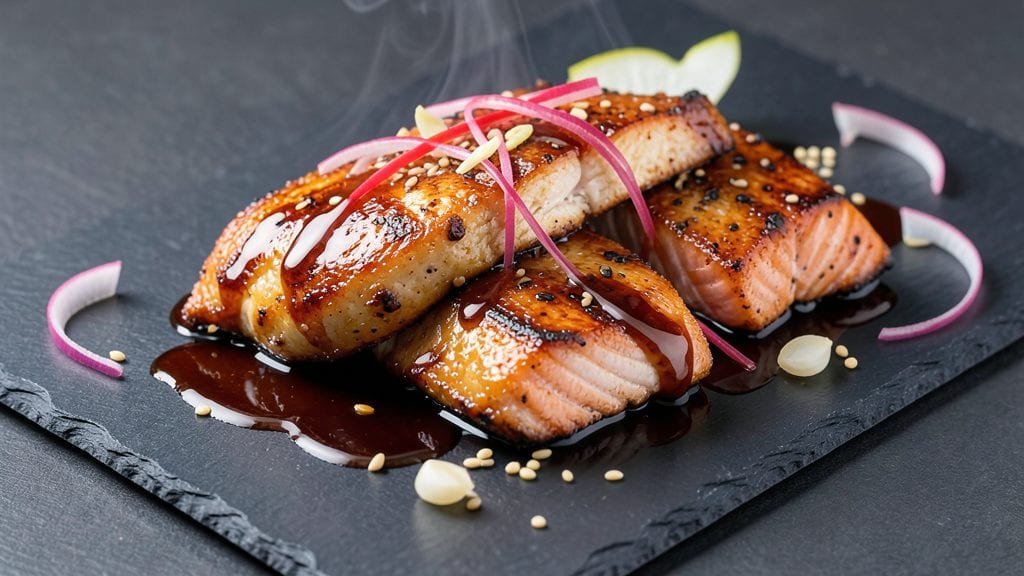
Creating Betty Crocker's teriyaki sauce from pantry staples delivers restaurant-quality depth with minimal effort. This recipe transforms simple ingredients like soy sauce, brown sugar, and vinegar into a rich, glossy sauce perfect for glazing meats or drizzling over vegetables.
The key lies in precise simmering and reduction, which intensifies flavors without overpowering the natural sweetness of the dish.
The beauty of this sauce is its versatility—it works equally well for marinating chicken, brushing onto grilled salmon, or tossing with stir-fried vegetables. With just 15 minutes of active time and 30 minutes of simmering, you’ll have a sauce that’s smoother and more complex than anything store-bought.
The balance of tangy, sweet, and umami notes makes it a foolproof addition to any meal.
What sets this recipe apart is its ability to customize while maintaining authenticity. Add a splash of honey for extra sweetness, a dash of ginger for warmth, or a clove of garlic for depth—each adjustment enhances the sauce’s character.
The result is a glossy, aromatic sauce that clings perfectly to proteins and vegetables, elevating simple dishes into standout meals.
Once made, store the sauce in an airtight container in the refrigerator for up to two weeks or freeze for longer preservation. Whether you’re prepping for a weeknight dinner or a weekend cookout, this teriyaki sauce delivers perfect flavor with every use. Let’s get simmering!
Ingredients for betty crocker teriyaki sauce
Pantry staples elevate to restaurant-quality teriyaki sauce with precise simmering and reduction techniques.
| Ingredient | Amount | Notes |
|---|---|---|
| Soy Sauce 🍶 | ¾ cup | Light or dark variety preferred |
| Brown Sugar 🍚 | ½ cup | Packed firmly for accuracy |
| Rice Vinegar 🍶 | ¼ cup | White or seasoned preferred |
| Extra-Virgin Olive Oil 🫒 | ¼ cup | For glossy finish and richness |
| Garlic Cloves 🧄 | 4 cloves | Minced finely for depth |
| Fresh Ginger 🌿 | 1 tbsp | Grated finely for warmth |
| Honey 🍯 | ¼ cup | Wildflower for floral complexity |
| Diamond Crystal Kosher Salt 🧂 | 1 tsp | Adjusts seasoning balance |
| Ground Black Pepper 🌶️ | ½ tsp | Freshly cracked for brightness |
| Cornstarch 🌾 | 1 tbsp | Slurry with water for thickening |
The foundation of this sauce lies in the quality of your soy sauce and vinegar. Kikkoman soy sauce delivers consistent umami depth, while Miyoko's rice vinegar provides the ideal tang without overpowering. For the brown sugar, Domino brand is reliable, but organic raw cane sugar adds subtle caramel notes when packed firmly. Fresh ginger and garlic are non-negotiable for authentic flavor—Trader Joe's sells pre-grated ginger in jars, which saves time without sacrificing quality. The olive oil should be extra-virgin with noticeable peppery finish, as it contributes both richness and aromatic complexity to the final sauce.
Customization is where this sauce truly shines. Substitute honey with maple syrup for a deeper amber hue, or swap rice vinegar for apple cider vinegar to introduce fruity undertones. Short on fresh ginger? Ground ginger at half the amount works in a pinch, though texture will differ. For a smoother sauce, blend the garlic and ginger with a splash of water before adding to the pot. The cornstarch slurry should be made with cold water—adding it to hot liquid creates lumps. If you prefer a thicker sauce, double the cornstarch to 2 tablespoons, but be prepared for a slightly more opaque finish.
This teriyaki sauce develops more complexity with time, so reheat gently over medium-low heat to preserve its glossy texture. In the refrigerator, it maintains peak quality for two weeks when stored in an airtight container with a layer of plastic wrap pressed directly against the surface. For longer storage, portion into ice cube trays, freeze, then transfer to a sealed bag—ideal for single-use applications. The sauce freezes exceptionally well, with flavors actually intensifying after three months of cold storage.
Why You'll Love This Recipe
- Here’s what sold me: the brown sugar and soy sauce team up to create this perfect caramelized depth, while the rice vinegar cuts through the richness just enough to make it bright. Add a splash of olive oil at the end, and suddenly your sauce has this silky, almost luxurious finish—like a hug in a bottle.
- No-Fuss Simmer: I swear by this recipe because it’s basically a "set it and forget it" sauce. Toss all five ingredients into a pot—soy sauce, brown sugar, rice vinegar, olive oil, and minced garlic—bring to a gentle boil, then let it bubble down for 10 minutes. That’s it. No peeling ginger, no fancy reductions, just pure, uncomplicated flavor.
- Sweet-Savory Balance: Here’s what sold me: the brown sugar and soy sauce team up to create this perfect caramelized depth, while the rice vinegar cuts through the richness just enough to make it bright. Add a splash of olive oil at the end, and suddenly your sauce has this silky, almost luxurious finish—like a hug in a bottle.
- Weeknight Superstar: Between us, this sauce is my go-to for anything from stir-fries to grilled chicken or even drizzled over roasted veggies. I keep a jar in the fridge because it turns everything into a restaurant-worthy meal. Honestly, I’ve used it for breakfast (yes, on scrambled eggs) and still get compliments.
Step-by-step instructions for Betty Crocker's teriyaki sauce recipe
Simmer these pantry staples together for a velvety, balanced teriyaki sauce with depth of flavor.
Prepare the Aromatic Base
In a medium saucepan, combine the 0.25 cup extra-virgin olive oil, 4 cloves minced garlic cloves, and 1 tablespoon freshly grated ginger. Heat over medium-low heat for 3-4 minutes, stirring constantly, until the garlic becomes translucent and the ginger releases its aromatic oils. You'll notice the mixture smells intensely fragrant—this is your flavor foundation.
Watch the heat carefully to avoid burning. The garlic should soften without browning, and the ginger should melt into the oil rather than darken. If the mixture starts to sizzle too aggressively, reduce the heat immediately. This step builds the sauce's complex flavor profile that will carry through the entire recipe.
Combine Wet Ingredients
Add the 0.75 cup soy sauce, 0.25 cup rice vinegar, 0.25 cup honey, and 0.5 cup packed brown sugar to the saucepan. Stir vigorously to dissolve the brown sugar completely—it should melt smoothly into the mixture without any graininess. Increase the heat to medium-high and bring the mixture to a gentle boil.
Once boiling, reduce the heat to medium and let the sauce simmer for 5-7 minutes. This allows the vinegar to mellow, the honey to caramelize slightly, and the sugars to integrate fully. You'll see the sauce begin to thicken as it reduces, and the aroma will become more complex with sweet, salty, and tangy notes blending together.
Season and Thicken the Sauce
Stir in the 1 teaspoon diamond crystal kosher salt and 0.5 teaspoon ground black pepper. In a small bowl, whisk together the 1 tablespoon cornstarch with 2 tablespoons cold water to create a smooth slurry. Slowly pour the slurry into the simmering sauce while stirring continuously. The sauce will begin to thicken almost immediately.
Continue simmering for an additional 3-5 minutes until the sauce reaches your desired consistency—it should coat the back of a spoon smoothly without being gluey. For a glossy finish, remove the sauce from heat and let it sit for 2-3 minutes to allow the starch to fully set. This resting period also lets all the flavors meld completely.
Adjust and Serve
Taste the sauce and adjust the seasoning if needed. If it's too sweet, add a splash more rice vinegar. If it needs more depth, stir in an additional 1/2 teaspoon soy sauce. The sauce should balance sweet, salty, tangy, and umami flavors perfectly. For best results, use immediately over grilled meats, stir-fried vegetables, or drizzle over rice.
To maintain freshness, store any leftovers in an airtight container in the refrigerator for up to 5 days. The sauce will continue to deepen in flavor as it rests. For a restaurant-quality finish, let the sauce sit at room temperature for 10 minutes before using—this allows the flavors to fully integrate and creates that signature glossy sheen.
Pro Tips For Making Betty Crocker Teriyaki Sauce
- Simmer Slow and Low: After burning my first batch, I learned this sauce needs patience—keep heat at a gentle simmer (not a boil) or the garlic will turn bitter and the sugar will crystallize into a gummy mess. If it starts spluttering, just turn it off and let it cool for 30 seconds before restarting.
- Toast the Garlic First: I used to just toss raw garlic into the sauce, but toasting whole cloves in olive oil until golden (about 2 minutes) adds depth that minced garlic can’t match. Smash them lightly with the back of a knife before adding—their oils will infuse faster.
- Dissolve the Sugar Properly: The brown sugar is the make-or-break step. Warm the vinegar and soy sauce first, then whisk in the sugar gradually while stirring constantly. If you dump it all in at once, you’ll end up with clumpy bits that ruin the smoothness—trust me, I’ve tasted it.
- Swap Olive Oil for Butter: Olive oil works, but unsalted butter (1 tablespoon) adds richness and helps balance the acidity of the vinegar. Melt it into the sauce at the end—it’ll coat everything like a velvety finish, and your sauce will cling better to whatever you’re glazing. (Yes, even if you’re not a butter purist.)
Common mistakes when making perfect results
Over-Simmering the Sauce
One of the biggest mistakes is letting the teriyaki sauce reduce too long, which burns the sugars and turns your glossy glaze into a bitter, caramelized mess. I’ve seen this happen when people walk away from the stove or get distracted.
The sauce should never boil vigorously—keep it at a gentle simmer at medium heat for no more than 15 minutes total. Once it reaches the desired consistency (coating the back of a spoon), remove it immediately. 🔥
Skipping the Aromatics
Some recipes call for just soy sauce, sugar, and vinegar, but that misses the depth of fresh ginger and garlic. These aromatics are what give teriyaki its signature complexity.
I always minced 4 garlic cloves and grated 1 tablespoon fresh ginger—they infuse the oil and create that warm, spicy backbone. If you’re short on time, use ½ teaspoon ground ginger (not the same, but better than nothing).
Ignoring the Cornstarch Slurry
Adding cornstarch directly to the hot sauce without mixing it with water first creates lumps that ruin the texture. The key is whisking 1 tablespoon cornstarch with 2 tablespoons cold water first, then slowly pouring it in while stirring constantly.
If you’re in a rush, you can use 1 teaspoon arrowroot powder instead—it dissolves even more smoothly. Never skip this step, or your sauce will turn gluey. ⚡
Using the Wrong Vinegar
Substituting apple cider vinegar or balsamic for rice vinegar changes the flavor profile dramatically. Rice vinegar’s mild tang is essential for balancing the sweetness and umami. I always use Miyoko’s seasoned rice vinegar—it has just the right acidity without overpowering.
If you must substitute, white vinegar works in a pinch, but reduce it to ¼ cup and taste as you go.
Not Tasting as You Go
Many people pour all the ingredients in and assume it’ll taste perfect. But flavors evolve as the sauce simmers. Taste it at 5 minutes, then again at 10 minutes—you might need to adjust sweetness, salt, or acidity.
I keep a small bowl of water nearby to cleanse my palate between tastes. This ensures your final sauce hits that perfect balance of sweet, salty, and tangy. 💡
Storing Improperly
Leaving teriyaki sauce in the pan or storing it in a metal container can cause it to darken and lose its glossy finish. Always transfer it to a glass jar or airtight container, pressing plastic wrap directly on the surface to prevent a skin from forming.
In the fridge, it keeps for 5 days, but if you’re not using it within that time, freeze it in ice cube trays for single-use portions. Never store it with metal utensils—use silicone spoons instead. ✨
Nutrition facts
Frequently asked questions
Can I make this teriyaki sauce without cornstarch?
You can try, but the texture will be thinner and less glossy. For a natural thickener, stir in 1 tablespoon tomato paste or 1 teaspoon xanthan gum (mixed with water) instead. The sauce won't coat foods as well, but it'll still taste delicious. For best results, use the cornstarch slurry as written.
How do I adjust the sweetness for a sugar-free version?
Replace the 0.5 cup brown sugar with 0.25 cup honey or maple syrup and 0.25 cup sugar substitute like erythritol or monk fruit sweetener. Reduce the honey to 0.125 cup if using a sugar-free syrup. Taste frequently during simmering, as sugar substitutes vary in sweetness intensity.
Can I use this sauce for marinating instead of glazing?
For marinating, reduce the sauce to 1 cup total (half the recipe) and add 1 tablespoon olive oil to help tenderize proteins. Marinade chicken or fish for 30-60 minutes max to avoid over-saucing. For tougher cuts like pork, use it as a glaze after cooking instead.
Why did my sauce turn cloudy instead of glossy?
Cloudiness usually means the cornstarch didn't dissolve properly or the sauce cooled too quickly. Always whisk the slurry vigorously and simmer until it reaches 210°F (use a candy thermometer). For extra shine, stir in 1 teaspoon extra-virgin olive oil at the end. Let it rest 5 minutes before using to allow flavors to meld.
What's the best way to reheat leftover sauce?
Gently warm in a saucepan over low heat with 1 tablespoon water to prevent burning. Never microwave—it breaks down the starch and makes the sauce grainy. For restaurant-style reheating, simmer for 2-3 minutes until just warm, then strain through a fine-mesh sieve to remove any impurities.