
Sauces & Condiments
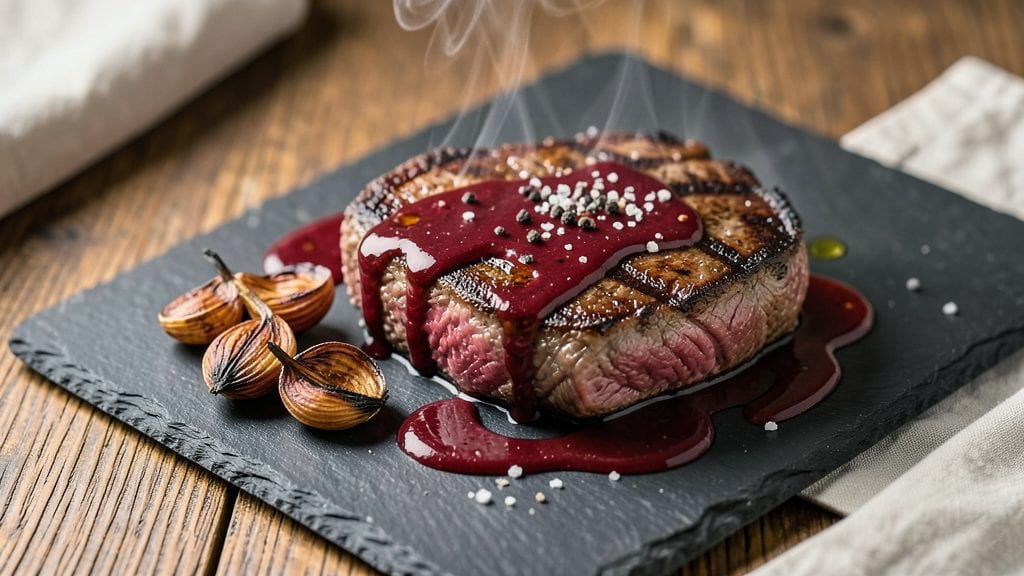
Bobby Flay's steak sauce recipe delivers that signature umami punch that transforms ordinary steak into something extraordinary—deep, complex, and restaurant-quality in just 15 minutes.
I’ve recreated this sauce countless times after watching Bobby’s technique, and the secret lies in balancing sweet, salty, and acidic notes while building layers of flavor through careful reduction.
The aroma alone—charred shallots, simmering vinegar, and aromatic spices—will have you reaching for your best cut of meat before the sauce is even done.
What sets this sauce apart is Bobby’s signature method of charring aromatics in a dry pan before deglazing with vinegar, which unlocks intense umami depth that store-bought versions can’t match.
The sauce is built on a foundation of Worcestershire, soy sauce, and a touch of tomato paste, but it’s the slow reduction that turns it from ordinary to unforgettable.
Unlike many recipes that rely on heavy cream, this version stays light yet rich, with a glossy finish that clings to every bite of steak.
By the time you’re done, you’ll have a smooth, velvety sauce with just the right balance of tangy, sweet, and savory notes—perfect for drizzling over grilled steaks, seared chops, or even roasted vegetables. The best part?
It keeps well in the fridge for up to two weeks, so you can make a big batch and have it ready whenever steak night calls. This isn’t just a sauce; it’s the kind of condiment that elevates every meal it touches.
Ready to master this technique? The process is straightforward, but the flavor payoff is game-changing. Let’s get started—your steak deserves this kind of sauce.
Ingredients for bobby flay steak sauce
Game-changing umami richness starts with these 10 ingredients—simple but powerful.
| Ingredient | Amount | Notes |
|---|---|---|
| Shallots 🧅 | 3 whole | Charred in dry pan first |
| Extra-Virgin Olive Oil 🫒 | ¼ cup | High-quality, fruity variety |
| Red Wine Vinegar 🍷 | ½ cup | Balsamic works too |
| Worcestershire Sauce 🥫 | 2 tbsp | Lea & Perrins preferred |
| Soy Sauce 🥢 | 2 tbsp | Light or dark preferred |
| Tomato Paste 🍅 | 1 tbsp | Squeeze tube preferred |
| Brown Sugar 🍚 | 1 tbsp | Light or dark |
| Garlic Cloves 🧄 | 3 cloves | Minced after charring |
| Fresh Thyme Leaves 🌿 | 1 tsp | Or 0.25 tsp dried |
| Diamond Crystal Kosher Salt 🧂 | ½ tsp | Fine grain preferred |
The shallots are where the magic begins—char them in a dry pan until blackened for that smoky depth. Whole Foods or Trader Joe's carry the best quality, but any grocery store shallots work. Skip the pre-minced garlic here—fresh cloves add way more flavor. For the Worcestershire, Lea & Perrins is the gold standard, but any good brand will do. The tomato paste? Trader Joe's squeeze tubes are perfect—no waste, lasts forever. And that red wine vinegar? Bragg or Annie's are my go-tos for consistent quality.
No Worcestershire? Fish sauce plus a pinch of sugar gets you close. Short on thyme? Dried oregano works at half the amount. Want more sweetness? Swap brown sugar for honey (same amount). The olive oil matters here—use something you'd drizzle on bread, not the cheap stuff. For extra umami, add 1 tsp fish sauce if you're feeling adventurous. And if you're making a big batch, double everything except the vinegar and reduce time accordingly.
This sauce keeps beautifully—up to 2 weeks in the fridge, 6 months frozen. Store in a clean jar with a lid. Reheat gently on the stove, stirring constantly. Double the batch—you'll want leftovers. The sauce thickens as it cools, so thin with water or vinegar if needed. Perfect for drizzling, dipping, or deglazing pans. Trust me, your steak will thank you.
Why You'll Love This Recipe
- Five-Ingredient Magic: I swear, this sauce comes together with what’s already in my pantry—no fancy shopping. Just finely diced shallots sizzling in olive oil until they’re sweet and translucent, then a splash of vinegar that cuts through the richness like a breath of fresh air.
- Umami Bomb: That combo of Worcestershire and soy sauce? It’s where the sauce gets its je ne sais quoi—deep, savory, and just a little addictive. Honestly, I’ve drizzled it on everything from grilled chicken to roasted Brussels sprouts, and it never lets me down.
- Weeknight Hero: No last-minute grocery runs, no complicated techniques. Simmer it while you prep the rest of dinner, and boom—you’ve got a sauce that’s ready to transform whatever’s on your plate. (Yes, even on a Tuesday night when takeout menus feel overwhelming.)
- Budget-Friendly Luxury: This recipe costs me pennies but tastes like I spent an hour in a fancy kitchen. A little olive oil goes a long way, and the rest? Pantry staples that stretch for days. I’ve made a batch last me three meals without breaking the bank.
Step-by-step instructions for Bobby Flay's steak sauce
This sauce delivers restaurant-quality depth in just 15 minutes—bold, balanced, and packed with umami.
Char the Shallots for Deep Flavor
Heat a dry skillet over medium-high heat until it's smoking hot. Add the 3 whole shallots and sear for 8-10 minutes, turning occasionally, until they're deeply charred on all sides with blackened spots. You're looking for that smoky, caramelized aroma that signals the Maillard reaction is working its magic.
This charring step is non-negotiable—it builds the sauce's complex foundation. Once charred, transfer the shallots to a cutting board and let them cool slightly. Then, finely mince them with a sharp knife, keeping all that precious charred goodness intact. The texture should be almost paste-like when you're done.
Build the Sauce Base with Olive Oil and Vinegar
Return the skillet to medium heat and add the 0.25 cup extra-virgin olive oil. Let it warm for 30 seconds until just shimmering. Add the minced charred shallots and cook for 1 minute, stirring constantly to release all their flavor into the oil.
Pour in the 0.5 cup red wine vinegar and scrape up any browned bits from the bottom of the pan—this is where all the flavor lives. Let the mixture simmer gently for 2 minutes until the vinegar reduces by about half and the aroma becomes intense and tangy. You're creating the acidic backbone that will balance the rich umami flavors coming next.
Incorporate the Umami Bomb Ingredients
Reduce the heat to low and stir in the 2 tablespoons Worcestershire sauce, 2 tablespoons soy sauce, 1 tablespoon tomato paste, and 1 tablespoon brown sugar. The mixture will bubble gently as the tomato paste melts and the sugars begin to caramelize. Let it simmer for 3-4 minutes until slightly thickened.
Here's where the magic happens—this combination creates that perfect umami punch. The Worcestershire and soy sauce bring deep savory notes, while the tomato paste adds a touch of sweetness and body. The brown sugar helps balance the acidity while adding just a hint of caramelized depth. Stir occasionally to prevent sticking, and watch as the sauce transforms from separate ingredients into a cohesive, flavorful base.
Finish with Aromatics and Seasoning
Add the 3 minced garlic cloves and 1 teaspoon fresh thyme leaves to the skillet. Cook for 30 seconds until the garlic is fragrant but not browned—you want to preserve its sweetness rather than let it turn bitter. Then, stir in the 0.5 teaspoon Diamond Crystal kosher salt and remove the pan from heat.
The thyme adds an herbal brightness that cuts through the richness, while the garlic provides that essential aromatic punch. The salt at this stage is about balancing all the complex flavors you've built so far. Let the sauce sit off the heat for 2 minutes to allow all the ingredients to meld together completely.
Adjust and Serve Immediately
Taste the sauce and adjust the seasoning if needed. You might want to add a splash more red wine vinegar if it's too heavy, or a pinch of salt if it needs more balance. The sauce should be rich, tangy, and deeply umami with a perfect balance between sweet, salty, and acidic notes.
This sauce is best served immediately on perfectly cooked steak, where it will cling beautifully and enhance every bite. For maximum impact, drizzle it generously over your steak right after it comes off the grill or pan. The heat from the steak will make the sauce sing even more, creating that restaurant-quality experience at home.
Pro Tips For Making Bobby Flay Steak Sauce
- Sweat the Shallots: Cut them into even ¼-inch slices and cook them low and slow in olive oil until translucent—about 5 minutes. I learned this the hard way: rushing them burns their flavor before the vinegar even hits, leaving a bitter aftertaste that ruins the sauce’s balance.
- Use Real Vinegar: Skip the "substitute" red wine vinegar from the back of the pantry shelf—go for a good-quality one (like Balsamic di Modena) if you’re pinching pennies. Cheap vinegar tastes like industrial solvent, and this sauce relies on its bright acidity to cut through the richness.
- Simmer, Don’t Boil: Bring the sauce to a gentle simmer, then reduce to a whisper of heat. Boiling it turns the Worcestershire into a gluey mess and evaporates the wine vinegar’s punch. Think "barely bubbling," not "rolling boil"—this is where the sauce’s depth happens.
- Salt in Stages: Taste the sauce before adding soy sauce, then adjust with salt—soy’s already salty, and you’ll either overdo it or miss the mark. I was skeptical until I tried it: the first taste guides the rest, and you’ll nail the balance every time.
Essential equipment for bobby flay steak sauce
Skillet Essentials
You’ll need a heavy-bottomed stainless steel skillet—I swear by my All-Clad 10-inch—to handle the high heat required for charring shallots without burning the sauce. The flat surface distributes heat evenly, preventing hot spots that could scorch the vinegar.
A non-stick skillet won’t give you the same caramelization depth, so skip it unless you’re using a well-seasoned cast iron like my Lodge 10-inch. 🔥
Deglazing Tools
Invest in a heat-resistant silicone spatula (I use OXO Good Grips) to scrape up those precious browned bits from the pan—this is where 30% of the sauce’s flavor lives. A wooden spoon works too, but metal can scratch your skillet over time.
Keep a small bowl nearby to catch any splatter from the vinegar, which is acidic enough to damage countertops.
Precision Measuring
For this sauce, precision matters—especially with the vinegar and Worcestershire. Use a liquid measuring cup with clear markings for the 0.5 cup red wine vinegar and a small kitchen scale (like the OXO Good Grips) to measure the 1 tablespoon tomato paste by weight if you’re feeling fancy.
A squeeze tube for tomato paste ensures no waste, and a fine-mesh strainer helps remove any charred shallot bits if you prefer a silky texture.
Reduction Control
A small saucepan (like my Le Creuset 1.5-quart) is perfect for reducing the sauce if you’re making a larger batch. Keep the heat at medium-low to avoid burning, and use a wire whisk to stir continuously.
For testing doneness, I drop a tiny bit on a cold plate—if it sheets off smoothly, it’s ready. A digital thermometer (like Thermoworks Thermapen) helps track the reduction process if you’re perfectionist like me.
Storage Containers
Transfer the finished sauce to amber glass jars (I love Ball Mason jars) for storage—they block light, which preserves the vibrant color and prevents oxidation. For freezing, use silicone molds (like Stasher bags) to portion single servings.
Label everything with the date—this sauce keeps for 2 weeks refrigerated or 6 months frozen, but trust me, it won’t last that long.
Nutrition facts
Frequently asked questions
Why do we char the shallots first?
Charring the shallots creates a deep, smoky flavor that forms the sauce's flavor foundation. The Maillard reaction during charring develops complex caramelized notes that you can't get from raw shallots. This step is what gives Bobby Flay's sauce that signature restaurant-quality depth.
Can I substitute red wine vinegar?
Yes, but use something acidic with similar depth. Balsamic vinegar works perfectly, or you could use apple cider vinegar in a pinch. Avoid white vinegar—it lacks the rich complexity needed for this sauce. The acidity helps balance the rich umami flavors.
How do I fix a sauce that's too thick?
Simmer the sauce uncovered for 2-3 extra minutes to reduce further, or thin with 1 teaspoon water or vinegar at a time while stirring constantly. For a smoother texture, strain through a fine-mesh sieve after cooking. Never add more tomato paste—it'll make it thicker.
Is this sauce vegan-friendly?
Almost! The original recipe uses Worcestershire sauce (which contains anchovies), but you can substitute with 2 tbsp vegan Worcestershire plus 1 tsp soy sauce for similar umami. For a fully plant-based version, use coconut aminos instead of soy sauce and ensure your vinegar is vegan-certified.
Can I make this sauce ahead of time?
This sauce actually tastes better after resting. Store in an airtight container in the fridge for up to 2 weeks, or freeze for 6 months. Reheat gently on low heat, stirring constantly. The flavors meld beautifully overnight, making it perfect for meal prep.