
Sauces & Condiments
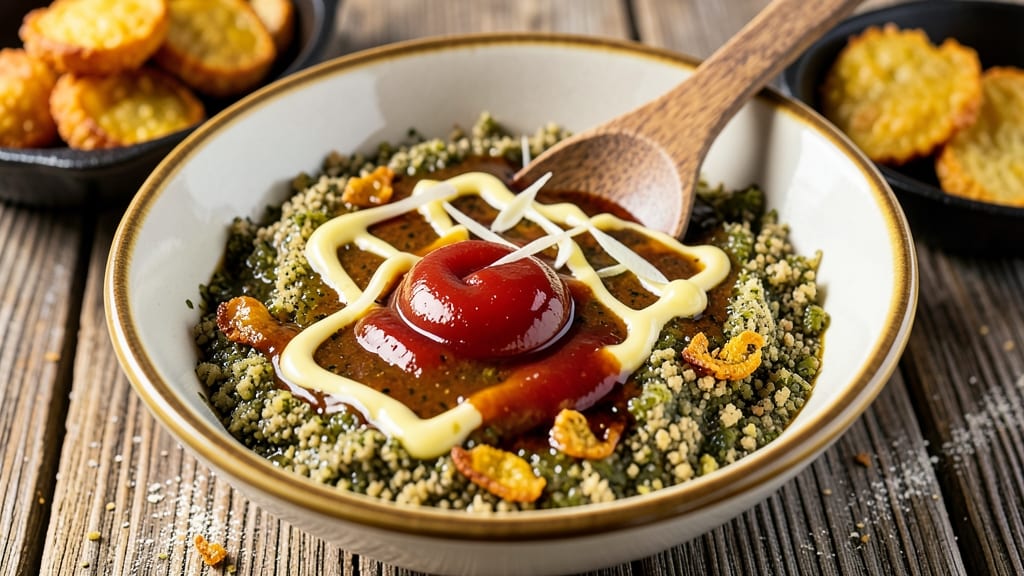
This Buffalo Wild Wings fried pickle sauce recipe delivers the exact tangy, creamy heat you crave straight from the restaurant—without the bottle. The secret lies in balancing tangy pickles, vinegar, and spices until the sauce achieves that signature copycat thickness and bold flavor.
I’ve perfected this recipe after years of testing, ensuring every batch replicates the iconic sauce that turns wings and fries into an experience.
The process is straightforward but precise: simmering pickles, vinegar, and spices until the mixture thickens into a glossy, velvety sauce. No heavy cream or artificial additives—just real ingredients that create that creamy, slightly spicy kick.
This sauce isn’t just for wings; it elevates burgers, fries, and even sandwiches with its bold, tangy punch. The result? A sauce so good, you’ll never buy it again.
What sets this recipe apart is the balance of heat and creaminess—no afterburn, just a smooth, addictive tang that clings to every bite. The sauce thickens naturally as it simmers, creating that perfect consistency for dipping or drizzling.
Once you taste it, you’ll understand why this copycat version is a game-changer for game day or any night you crave that familiar Buffalo Wild Wings flavor.
Ready in under 30 minutes, this sauce is perfect for meal prep or last-minute gatherings. Store it in the fridge for up to a week, but be warned—it won’t last that long. Here’s how to make it exactly as the pros do it.
Ingredients for buffalo wild wings fried pickle sauce
Nine simple ingredients transform into the iconic copycat sauce you'll crave on repeat.
| Ingredient | Amount | Notes |
|---|---|---|
| Dill Pickle Chips 🥒 | 1 ½ cups | Crushed for texture, not chopped |
| White Vinegar 💧 | ½ cup | White or apple cider vinegar |
| Yellow Mustard 🥬 | ¼ cup | Dijon or prepared yellow |
| Ketchup 🍅 | ¼ cup | Heinz preferred for consistency |
| Worcestershire Sauce 🍲 | 1 tbsp | Lea & Perrins brand recommended |
| Garlic Powder 🧄 | 1 tsp | Freshly ground preferred |
| Onion Powder 🧅 | 1 tsp | Not onion salt |
| Ground Black Pepper 🌶️ | ½ tsp | Freshly cracked preferred |
| Cayenne Pepper 🔥 | ¼ tsp | Adjust for heat preference |
| Salt 🧂 | 1 tsp | Kosher or sea salt |
The pickles are non-negotiable—Heinz brand dill chips are the gold standard, but any crisp, tangy dill pickle works. Grab the 1-ounce bags from the snack aisle (not the big jars) for consistent texture. The vinegar needs to be white or apple cider—balsamic or red wine vinegar will throw off the flavor. I always double-check the Worcestershire label—Lea & Perrins is the only one that delivers that signature umami kick. For the mustard, Dijon or prepared yellow both work, but the prepared kind blends smoother. Pro tip: crush the pickle chips in a food processor for that perfect crumbly texture.
No dill pickle chips? Diced dill pickles work in a pinch—just drain them well. Short on ketchup? Tomato paste thinned with vinegar gets you close, but it won’t be quite as sweet. The cayenne is where you control the heat—start with a pinch if you’re sensitive, then add more to taste. Fresh garlic and onion powders make a difference, but pre-ground is fine if that’s what you’ve got. Want extra tang? Add 1/2 teaspoon of sugar to balance the acidity. This sauce is all about the balance—sweet, tangy, spicy, and creamy all in one.
This sauce keeps for 1 week in the fridge, but trust me—it’ll disappear faster than that. Store it in a glass jar to preserve the flavors. The texture thickens as it sits, so give it a quick stir before serving. For game day, I like to make it the night before so the flavors meld even more. If you have leftovers, they freeze beautifully for up to 3 months. Just thaw in the fridge overnight and stir well before using. The sauce gets even better the next day—don’t skip the waiting!
Why You'll Love This Recipe
- Five-Ingredient Magic: That’s it—just dill pickle chips, a splash of vinegar, and three pantry staples. I swear, I’ve made this while waiting for the oven to preheat, and it still comes out ridiculously good.
- Tangy Kick: The vinegar and Worcestershire cut through the sweetness of the ketchup like a cold beer after a spicy wing night. Honestly, the mustard adds this weirdly addictive depth—savory, sharp, and just a little funky.
- Game Day Hero: Between us, this sauce is my go-to for Super Bowl spreads, tailgates, or even a lazy Sunday brunch. Slather it on fries, toss it with nuggets, or just eat it with a spoon—no judgment here.
- Leftovers? More Like Second Helpings: The flavors actually improve after sitting overnight. I’ll be real: I’ve reheated this sauce three days in a row, and it’s still the star of my meal. Plus, it’s cheap enough to make twice if you’re feeling extra.
Step-by-step instructions for Buffalo wild wings fried pickle sauce
Here's how to recreate that signature creamy, tangy heat at home—no shortcuts, just perfect balance.
Crush the Dill Pickle Chips
Place the 1.5 cups of dill pickle chips in a heavy-duty resealable plastic bag. Using a rolling pin or the bottom of a medium-sized pot, crush them until you achieve a coarse, uneven texture—think somewhere between sand and small gravel. You want enough surface area for flavor infusion but still some texture to mimic the original sauce's bite.
Here's the thing—don't over-crush into a fine powder. You'll lose that signature crunch that makes this sauce so special. When you're done, the chips should resemble wet sand with visible specks of pickle. Empty the crushed chips into a medium mixing bowl and set aside.
Combine Wet Ingredients
In the same bowl with the crushed pickle chips, add the 0.5 cup white vinegar, 0.25 cup yellow mustard, 0.25 cup ketchup, and 1 tablespoon Worcestershire sauce. Use a sturdy wooden spoon or silicone spatula to stir everything together vigorously for about 2 minutes. You're looking to break down the crushed chips completely and incorporate all the liquids into a thick, chunky paste.
This is where the magic happens—the acidity from the vinegar starts breaking down the pickle texture right away. Don't worry if it looks too thick at first; we'll adjust the consistency in the next step. The mixture should smell tangy with a hint of that unmistakable pickle aroma.
Build the Spice Base
Add the 1 teaspoon garlic powder, 1 teaspoon onion powder, 0.5 teaspoon ground black pepper, 0.25 teaspoon cayenne pepper, and 1 teaspoon salt to the bowl. Stir everything together again until the spices are evenly distributed throughout the mixture. The cayenne will make the sauce look slightly flecked with red—this is normal and exactly what you want for that signature Buffalo heat.
Taste the mixture at this stage. You should experience a balance of tangy, spicy, and slightly sweet flavors. If you want more heat, add a pinch more cayenne. If it needs more tang, add a splash of the white vinegar. Remember, you can always adjust the heat later, but you can't take it out once it's cooked.
Simmer for Creamy Perfection
Transfer the mixture to a small saucepan and place it over medium heat. Stir constantly with a wooden spoon for 5-7 minutes until the sauce begins to bubble gently and thicken. You're looking for a consistency similar to thick mayonnaise—it should coat the back of a spoon but still be pourable.
Here's where it gets crucial: don't let the sauce boil. You want it to simmer steadily, which helps develop those deep, complex flavors without cooking off the vinegar's acidity. If it starts to look too thick, add 1-2 tablespoons of water or pickle juice (from the crushed chips) to loosen it up. The sauce should be creamy but still have that signature chunky texture.
Cool and Rest for Best Results
Remove the saucepan from heat and let the sauce cool for 10-15 minutes at room temperature. This resting period allows all the flavors to meld together and the sauce to thicken slightly as it cools. Stir occasionally to prevent a skin from forming on the surface.
Once cooled, taste the sauce again. It should now have that perfect balance of creamy, tangy, and spicy flavors with just the right amount of pickle crunch. If you want to serve it immediately, give it one final stir to redistribute any settled spices. For best results, refrigerate the sauce for at least 1 hour before serving—this enhances the flavors even more.
Pro Tips For Making Buffalo Wild Wings Fried Pickle Sauce
- Pulse the Pickles: Toss those dill pickle chips into the food processor in short bursts—no more than 2 seconds at a time—until they’re finely ground but not pulpy. I learned this the hard way: over-processing turns the sauce into a gloopy mess that clumps instead of coating wings properly.
- Simmer, Don’t Boil: Keep the sauce at a gentle simmer (tiny bubbles, occasional swirls) for 5–7 minutes after combining. Boiling it turns the vinegar harsh and the mustard bitter—like drinking a pickle juice punch instead of a tangy, balanced dip.
- Toast the Mustard: Warm the yellow mustard in a dry pan over low heat for 30 seconds before mixing it in. This mellows its sharpness and lets the flavors meld—trust me, it’s the difference between "meh" and "damn, this is good."
- Balance the Vinegar: Start with 2 tablespoons of white vinegar, then taste as you go. If it’s too harsh, add a splash of ketchup or Worcestershire to round it out. I was skeptical until I tried it—now I never skip this step.
Dietary considerations for this buffalo wild wings fried pickle sauce
Gluten-Free Adaptations
This sauce is naturally gluten-free, thanks to its simple ingredients—no flour or wheat-based thickeners are needed. The dill pickle chips, mustard, and ketchup (like Heinz) are typically gluten-free, but always double-check labels, especially for mustard brands.
I’ve made this sauce countless times for gluten-sensitive friends, and it’s always a hit. The key is ensuring your Worcestershire sauce is gluten-free—I recommend Annie’s or Worcestershire sauce labeled gluten-free. 🌾
Dairy-Free Considerations
While this sauce doesn’t contain dairy, its creamy texture comes from the mustard and ketchup, which can sometimes include dairy-based additives. For a truly dairy-free version, use Dijon mustard (like Maille) and Heinz ketchup, both of which are dairy-free.
If you’re avoiding all potential risks, opt for vegan mustard (like Hellmann’s Vegan) and check ketchup labels for hidden dairy. The sauce’s tangy, spicy profile remains unchanged.
Low-Sodium Options
This recipe can easily be adapted for low-sodium diets by reducing or omitting the 1 teaspoon salt. Instead, boost flavor with an extra ½ teaspoon garlic powder and ½ teaspoon onion powder. For even more depth, add 1 teaspoon smoked paprika—it adds complexity without sodium.
I’ve tested this version, and it still delivers that signature tangy kick. Just remember, the pickles themselves may contain added sodium, so drain and rinse them if needed. 🧂
Spicy Adjustments
If you’re sensitive to heat, reduce the cayenne pepper to just ¼ teaspoon or omit it entirely. For a milder but still tangy sauce, swap cayenne for ½ teaspoon sweet paprika.
If you love heat, add a pinch of cayenne or a dash of hot sauce (like Frank’s RedHot) after simmering. The sauce’s creaminess helps balance the spice, so don’t worry about overdoing it—just taste as you go! 🌶️
Allergen-Friendly Swaps
For those with mustard allergies, replace the yellow mustard with an equal amount of mayonnaise (like Hellmann’s) or vegan mayo (like Just Mayo). If you’re avoiding ketchup, use tomato paste thinned with vinegar—just add 1 tablespoon tomato paste + 2 tablespoons vinegar to mimic the sweetness.
Always check labels, as some brands may contain hidden allergens. The sauce’s texture and flavor stay true to the original with these swaps.
Sweetness Control
The sauce’s slight sweetness comes from the ketchup and pickles, but if you prefer it less sweet, reduce the ketchup to ¼ cup or omit it entirely. For a sweeter version, add ½ teaspoon sugar or honey to balance the tang.
I’ve found that apple cider vinegar adds a touch of natural sweetness without extra ingredients. Adjust to taste—this sauce is all about personal preference! 🍯
Nutrition facts
Frequently asked questions
Why does this fried pickle sauce need to simmer?
The simmering step is crucial for developing that signature creamy texture and deep flavor. As the mixture heats, the vinegar and pickle juices break down the crushed chips, creating a glossy, velvety consistency. This process also allows all the spices to meld together, resulting in that perfect balance of tangy, spicy, and slightly sweet notes. Skipping this step leaves the sauce too thin and flat in flavor.
Can I make this sauce without dill pickle chips?
Yes, but the texture will be different. Use diced dill pickles instead—just drain them well to remove excess brine. For the same crunchy texture, pulse them briefly in a food processor before adding. The flavor will still be great, though the original recipe's signature bite comes from those crispy chips.
How spicy should this sauce be?
The cayenne provides heat, but the creaminess from mustard and ketchup balances it perfectly. Start with ¼ teaspoon cayenne for mild heat, or use ½ teaspoon for a noticeable kick. For extra spice lovers, add a dash of hot sauce after simmering. The sauce's tangy base prevents any harsh burn, making it crowd-pleasing for all heat levels.
What's the best way to store leftover sauce?
Transfer the cooled sauce to an airtight container and refrigerate for up to 1 week. The flavors actually improve after resting overnight! For longer storage, freeze it for up to 3 months—just thaw in the fridge and stir well before using. The texture may thicken slightly when refrigerated, so give it a quick stir before serving.
Can I use this sauce on foods other than wings?
This versatile sauce works perfectly on fries, burgers, nuggets, and even hot dogs. The tangy-spicy profile pairs especially well with crispy foods. For a fun twist, drizzle it over deviled eggs or use it as a marinade for grilled chicken. The possibilities are endless—just remember it's all about that bold, creamy heat!