
Sauces & Condiments
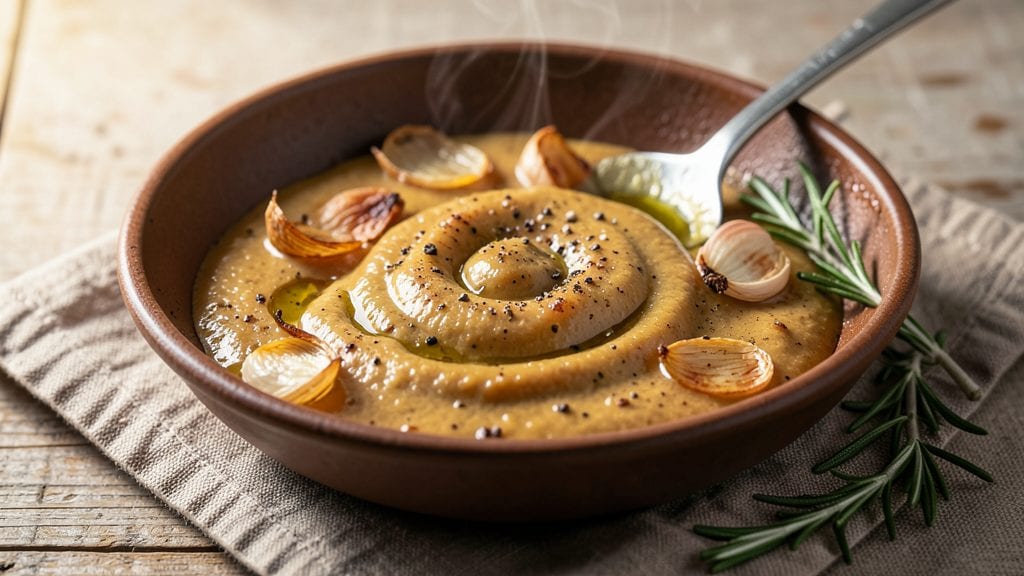
This butternut squash sauce recipe transforms humble ingredients into a velvety, aromatic sauce that elevates everything from roasted chicken to creamy mashed potatoes. The secret lies in roasting the squash until caramelized—this deepens its natural sweetness and creates a silky texture when blended.
I developed this method after realizing how often butternut squash gets overlooked as a sauce base, when it can deliver restaurant-quality richness at home.
What sets this sauce apart is its balance of warmth and depth, achieved through cinnamon, nutmeg, and a touch of ginger—spices that complement the squash’s natural sweetness without overpowering it.
The addition of toasted pecans adds crunch and nutty complexity, while a splash of cream (or coconut milk for a dairy-free version) ensures a luxurious mouthfeel. The entire process takes just 20 minutes, making it perfect for weeknight dinners or holiday gatherings.
By the time you’re done, you’ll have a smooth, fragrant sauce that’s rich enough to stand alone or versatile enough to drizzle over pasta, roasted vegetables, or even grilled meats.
The caramelized notes from the roasted squash create a depth that store-bought sauces can’t match, while the spices add warmth that lingers on the palate. This is the kind of sauce that makes ordinary meals feel special.
One of the best features of this recipe is its adaptability—swap pecans for walnuts, use almond milk instead of cream, or adjust the spice levels to suit your taste.
It keeps well in the refrigerator for up to five days, so you can make a batch ahead and enjoy it throughout the week. Let’s get started on creating this velvety masterpiece.
Ingredients for butternut sauce
Roasted squash, warm spices, and a touch of cream—just what you need for velvety sauce magic.
| Ingredient | Amount | Notes |
|---|---|---|
| Butternut Squash 🎃 | 2 lbs | Medium-sized, peeled and cubed |
| Extra-Virgin Olive Oil 🫒 | ½ cup | High quality, fruity |
| Large Shallots 🧅 | 2 whole | Mined finely, about 0.25 cup |
| Garlic Cloves 🧄 | 4 cloves | Peeled, roughly chopped |
| Ground Cinnamon 🌿 | 1 tsp | Freshly ground preferred |
| Ground Nutmeg 🌿 | ½ tsp | Freshly grated preferred |
| Ground Ginger 🌿 | ½ tsp | Freshly grated for warmth |
| Toasted Pecans 🥜 | ½ cup | Chopped, for crunch |
| Heavy Cream 🥛 | ½ cup | Full-fat for richness |
| Salt 🧂 | ½ tsp | Sea salt preferred |
| Black Pepper 🌶️ | ¼ tsp | Freshly ground preferred |
| Coconut Milk 🥥 | ½ cup | Full-fat for dairy-free option |
The squash is the heart of this sauce, so don’t skimp. Medium-sized butternut squash (about 2 lbs) gives you the right balance of sweetness and texture. Look for ones with smooth skin and no soft spots—Trader Joe's and Whole Foods usually have great ones. Pecans? Toast them yourself (5 minutes in a dry pan) for maximum flavor—store-bought toasted pecans often taste stale. For the spices, Penzeys or bulk bins at natural markets have the freshest ground cinnamon and nutmeg (they lose potency fast once opened).
No pecans? Walnuts or almonds work great—just toast them first. Short on cream? Coconut milk keeps it luscious without dairy. The shallots add depth, but if you’re in a pinch, 2 tbsp minced red onion does the trick. For extra richness, swap half the coconut milk for cream. Want more heat? Add a pinch of cayenne. The olive oil matters too—use something you’d drizzle on bread, not the cheap cooking oil. And trust me, freshly grated ginger (or even a pinch of ground) makes all the difference.
This sauce tastes even better the next day as flavors meld. Store in an airtight container in the fridge for up to 5 days. For longer storage, freeze in ice cube trays—perfect for single portions. Reheat gently on the stove with a splash of water or milk to restore creaminess. I always make a double batch—half for dinner, half to drizzle on roasted veggies later in the week.
Why You'll Love This Recipe
- One-Pot Magic: I swear by this—just toss everything into one pot, and 20 minutes later, you’ve got something that smells like autumn in a jar. No blender, no strainer, no mess. That butternut squash practically melts down into silkiness with just a little olive oil and patience.
- Cinnamon-Kissed Warmth: Honestly, the cinnamon is what makes this sauce ridiculously good. It’s not too sweet, just enough to coax out that deep, earthy flavor from the squash while the shallots add this subtle caramelized bite. The garlic ties it all together like a hug from your favorite chef.
- Weeknight to Dinner Party: Between us, this sauce works everywhere. Slather it on roasted chicken, drizzle it over pasta, or serve it as a side with crusty bread. I’ve even used it as a base for a quick soup when I’m in a rush. It’s my go-to for when I need something impressive but low-stress.
- Budget-Friendly Luxury: Butternut squash is cheaper than avocados, and a single batch stretches across three meals for my family. The olive oil and spices are pantry staples, so you’re not breaking the bank. Plus, leftovers reheat like a dream—just add a splash of water and stir. No takeout needed.
Step-by-step instructions for butternut squash sauce
Here's how to create that dreamy, velvety sauce in just 20 minutes—simple steps for rich, spiced perfection.
Roast the Squash and Aromatics Until Caramelized
Preheat your oven to 400°F and line a large baking sheet with parchment paper. Toss the 2 lbs of cubed butternut squash, 2 whole large shallots, and 4 cloves of roughly chopped garlic with 0.25 cup of the extra-virgin olive oil until evenly coated. Spread in a single layer, leaving space between pieces.
Roast for 15-18 minutes until the squash is tender when pierced with a fork and the edges are deep golden brown. The shallots should be soft and caramelized, and the garlic should be fragrant. This roasting step develops the natural sweetness and deep flavor that makes this sauce special. Don't skip it—raw squash will never give you that velvety texture.
Blend Until Silky Smooth
Transfer the roasted squash mixture to a blender or food processor. Add the remaining 0.25 cup of extra-virgin olive oil, 0.5 cup of heavy cream, 0.5 cup of coconut milk, 1 tsp of ground cinnamon, 0.5 tsp of ground nutmeg, 0.5 tsp of ground ginger, 0.5 tsp of salt, and 0.25 tsp of black pepper.
Blend until completely smooth, scraping down the sides as needed. You want a consistency like thick pudding—if it's too thick, add 2-3 tablespoons of water to loosen it. Taste and adjust seasoning if needed; you might want to add a pinch more salt or cinnamon to suit your preference. This is where all the flavors come together—take your time to get it just right.
Warm and Finish with Toasted Pecans
Pour the blended sauce into a medium saucepan and place over medium-low heat. Warm gently for 3-4 minutes, stirring occasionally, until heated through. The sauce should be warm but not boiling—just enough to bring out the aromas without breaking the emulsion.
While the sauce warms, toast the 0.5 cup of chopped toasted pecans in a dry skillet over medium heat for 2-3 minutes until fragrant and slightly golden. Stir them into the sauce just before serving to add that perfect crunch and nutty depth. Serve immediately over pasta, with roasted meats, or alongside grilled fish for a showstopping finish.
Pro Tips For Making Butternut Sauce
- ROAST SQUASH FIRST: I learned this the hard way—raw butternut squash turns to mush when you try to blend it for sauce. Roast it at 400°F (200°C) for 25-30 minutes until fork-tender, then scoop out the flesh. The texture becomes silky smooth, and the natural sweetness deepens without overpowering the shallots and cinnamon.
- SWEEAT SHALLOTS LOW: Don’t rush the shallots—cook them in olive oil over medium-low heat for 8-10 minutes until they’re translucent and just starting to caramelize. High heat burns them before they soften, and you’ll taste raw onion in your sauce. (Yes, even if you’re impatient like me.)
- SALT THE ROASTED SQUASH: Before blending, sprinkle the roasted squash with ½ teaspoon salt and let it sit for 5 minutes. This draws out moisture, making the sauce thicker and richer. Skip this, and you’ll end up with a watery, bland mess—trust me, I’ve made it.
- TOAST THE CINNAMON: Warm the ground cinnamon in a dry pan for 30 seconds until fragrant—it intensifies the aroma and flavor without bitterness. Add it to the sauce at the very end, stirring just until dissolved. (Your future self will notice the difference.)
Troubleshooting this dish
Sauce Too Thick?
If your sauce is thicker than expected after blending, don’t panic—this happens when roasting concentrates the squash. Fix it by adding 2-3 tablespoons of warm water (or milk for extra richness) and blending again.
For a smoother texture, strain through a fine-mesh sieve if you prefer no lumps. I’ve found that using full-fat coconut milk instead of cream helps prevent thickening issues during blending. 💡
Grainy Texture?
Uneven blending often causes graininess. Pulse your blender in short bursts (3-4 seconds) while scraping down the sides to break up any stubborn chunks. For stubborn bits, add 1 tablespoon of water and blend again.
A high-powered blender (like a Vitamix) handles tough squash better than standard models. If all else fails, strain the sauce through a nut milk bag for silky perfection.
Sauce Separating?
This usually happens when heating too aggressively. To fix it, whisk the sauce vigorously over low heat while adding 1 tablespoon of warm cream or coconut milk at a time until smooth.
For prevention, avoid boiling—keep heat at medium-low and stir constantly. A splash of lemon juice (1 tsp) can also help re-emulsify the sauce by balancing the fats.
Lacking Sweetness?
If your sauce tastes bland, the squash might not have roasted long enough. For extra depth, add 1-2 tablespoons of maple syrup or 1 teaspoon of brown sugar while warming.
Roasting time varies by oven—if your squash isn’t caramelized, extend roasting by 5-10 minutes. Pro tip: Use sugar-glazed butternut squash (store-bought or homemade) for instant sweetness.
Spices Too Overpowering?
Start with half the recommended spices (especially nutmeg and ginger) and adjust to taste. If you’ve already added them, balance with 1 teaspoon of honey or 1 tablespoon of plain yogurt to mellow the heat.
For a smoother flavor profile, toast your spices in a dry pan for 30 seconds before adding to the sauce—this deepens their aroma without harshness. 🌶️
Nuts Not Crunchy Enough?
Toast your pecans (or walnuts) in a 350°F oven for 5-7 minutes instead of a skillet for even browning. For extra crunch, pulse toasted nuts in a food processor for 10 seconds before adding to the sauce.
If they lose crunch during reheating, stir them in just before serving—this keeps them fresh and snappy. Store extra nuts in an airtight container to maintain crispness for up to 3 days.
Nutrition facts
Frequently asked questions
Can I make this sauce without a blender?
For a rustic texture, mash the roasted squash, shallots, and garlic with a potato masher or fork until smooth. Then whisk in the cream, coconut milk, and spices until well combined. You'll get a slightly chunkier sauce with more texture, which works beautifully over roasted meats or mashed potatoes.
How can I make this sauce dairy-free?
Simply replace the heavy cream with an equal amount of full-fat coconut milk and use coconut yogurt instead of plain yogurt for balancing flavors. The sauce will still be rich and creamy while being completely dairy-free. For extra richness, add 1 tablespoon of coconut oil when warming the sauce.
What's the best way to store leftovers?
Transfer the sauce to an airtight container and refrigerate for up to 5 days. For longer storage, freeze in ice cube trays—perfect for single portions. When reheating, warm gently on the stove with a splash of water or milk to restore creaminess. The flavors actually improve overnight as the spices meld!
Can I use canned butternut squash instead of fresh?
Yes, but with adjustments. Drain and rinse the canned squash well, then roast it at 400°F for just 10-12 minutes to concentrate the flavors. You may need to add 1-2 tablespoons of water during blending for the right consistency. Fresh squash gives better texture, but canned works in a pinch.
What's the secret to making this sauce extra flavorful?
Toast your spices (cinnamon, nutmeg, and ginger) in a dry pan for 30 seconds before adding to the sauce—this deepens their aroma. Also, caramelize the shallots and garlic longer during roasting (up to 20 minutes) for maximum depth. A pinch of smoked paprika in the final sauce adds unexpected complexity!