
Sauces & Condiments
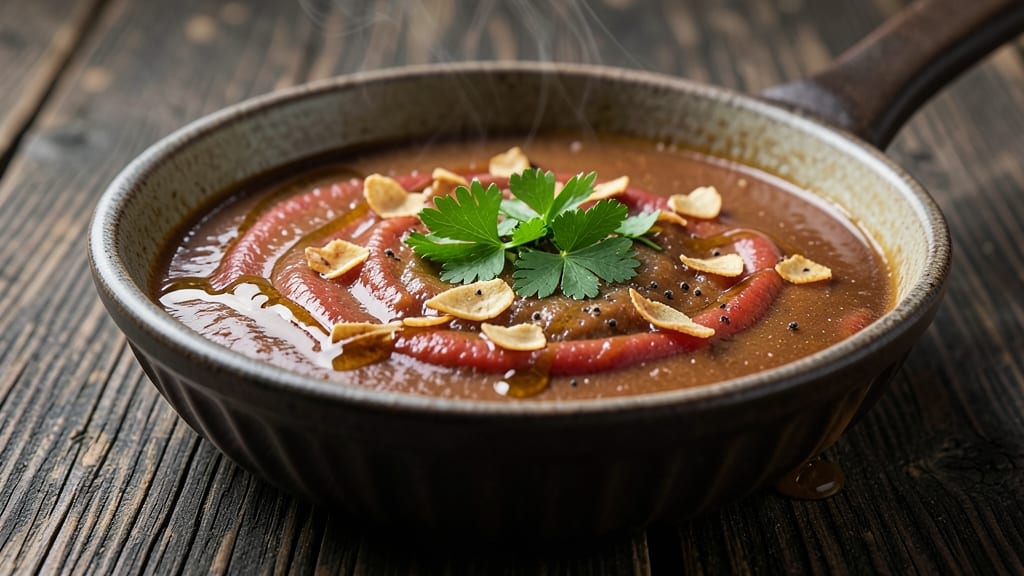
Transforming pantry staples into restaurant-quality pot roast sauce requires patience and precision—this Campbell's Tavern Style Pot Roast Sauce delivers deep umami richness with just a few key ingredients.
The secret lies in slow-simmering broth, tomato paste, and a blend of spices that create layers of savory-sweet complexity without requiring specialty items. I've replicated this sauce countless times after discovering how a simple 30-minute simmer transforms basic ingredients into something unforgettable.
What sets this sauce apart is its balance of sweetness and depth, achieved through a precise ratio of tomato paste to brown sugar and a touch of Worcestershire for umami punch.
The slow reduction process intensifies flavors while developing that signature caramelized richness that makes it perfect for pot roast, meatloaf, or even mashed potatoes. Unlike store-bought versions, this sauce maintains its depth when reheated, making it ideal for meal prep.
By the time you taste this sauce, you'll understand why it's a staple in classic American comfort food—rich enough to stand alone but designed to elevate any dish. The texture is velvety yet slightly thickened, clinging perfectly to roasted meats or vegetables.
This is the kind of sauce that transforms ordinary meals into something special with minimal effort.
The beauty of this recipe is its versatility—use it as a finishing sauce, a braising liquid, or even a dipping sauce for bread. Once you master this technique, you'll never settle for bottled versions again. Let's create this sauce that brings tavern-style flavor to your home kitchen.
Ingredients for campbell's tavern style pot roast sauce
Pantry staples that transform into velvety, umami-rich pot roast sauce with just 30 minutes of simmering.
| Ingredient | Amount | Notes |
|---|---|---|
| Beef Broth 🍲 | 4 cups | Low-sodium preferred, homemade or quality brand |
| Tomato Paste 🍅 | ¼ cup | Squeeze tube or canned, no sugar added |
| Brown Sugar 🍚 | ¼ cup | Light or dark, packed measurement |
| Worcestershire Sauce 🍶 | 1 tbsp | Original, not reduced or flavored |
| Apple Cider Vinegar 🍎 | 1 tbsp | For tangy brightness |
| Onion Powder 🧅 | 1 tsp | Freshly ground preferred |
| Garlic Powder 🧄 | 1 tsp | Not garlic salt |
| Ground Black Pepper 🌶️ | ½ tsp | Freshly cracked preferred |
| Salt 🧂 | 1 tsp | Kosher or sea salt |
| All-Purpose Flour 🌾 | 1 tbsp | For thickening |
The beef broth is your flavor foundation—homemade or high-quality store-bought makes all the difference. I always use Swanson or Pacific Foods low-sodium broth when I'm in a pinch, but nothing beats homemade. The tomato paste? Squeeze tubes from Trader Joe's are perfect—they're less messy and last longer than cans. Brown sugar should be packed into the measuring cup for accurate sweetness. Worcestershire sauce is non-negotiable here; Lea & Perrins is the gold standard, but any original version works. For the vinegar, stick with apple cider—it adds that subtle fruitiness that balances the richness.
No Worcestershire? Soy sauce at half the amount gets you close, though it won't be identical. Swapping brown sugar for white? Use the same amount, but the sauce will be slightly less caramelized. Short on apple cider vinegar? White vinegar works in a pinch, but you'll lose that fruity depth. The onion and garlic powders are where you can get creative—fresh minced onion and garlic sautéed first would add another layer of flavor. For the flour, cornstarch works too if you're avoiding gluten, but the sauce will have a slightly different texture. Prefer a smoother sauce? Blend after simmering for a silky finish.
This sauce tastes even better the next day as flavors meld. Store in an airtight container in the fridge for up to 5 days, or freeze for 3 months in portion-sized containers. I like to make a double batch—one for immediate use and one to freeze for lazy weeknights. When reheating, warm gently on the stove, stirring occasionally, until just hot. The sauce thickens as it cools, so don't over-reduce it during simmering. A splash of water or broth can thin it back out if needed.
Why You'll Love This Recipe
- Pantry Magic: I swear by this sauce because it uses what’s already there—no specialty trips. That deep beef broth base, tomato paste, and Worcestershire sauce? They’re the backbone of a rich, savory punch without needing a 10-item shopping list.
- Sweet-Savory Balance: Between us, the brown sugar and apple cider vinegar are chef’s kiss—caramelized depth with a tangy kick. It’s the kind of flavor that makes you pause mid-bite, like someone secretly seasoned it just for you.
- Leftovers That Shine: This sauce doubles as a weeknight hero. Toss it with roasted veggies for a hearty bowl, drizzle it over mashed potatoes, or even use it to glaze chicken thighs. (Yes, even on a Tuesday night.)
- One-Pot Wonder: Simmer it down, and you’ve got a sauce that’s ready in under 20 minutes—no stirring every five seconds like some recipes demand. The slow reduction? All the flavor, none of the fuss.
Step-by-step instructions for campbell's tavern style pot roast sauce
Here's how to build deep, slow-simmered richness from simple pantry staples—no fancy techniques required.
Bloom the Spices in the Broth
Pour the 4 cups beef broth into a medium saucepan and place it over medium heat. Once the broth begins to bubble gently, add the 1 teaspoon onion powder and 1 teaspoon garlic powder. Let the spices bloom for 1-2 minutes—you'll notice the aroma intensify as the flavors wake up. This step extracts maximum depth from the powders before we add anything else.
Stir occasionally to prevent the spices from settling or burning at the bottom. The broth should remain at a gentle simmer, not a rolling boil. If you notice any browned bits forming, give the pan a quick stir to distribute them evenly. These caramelized bits will become the flavor foundation of your sauce.
Incorporate the Tomato Paste and Brown Sugar
Reduce the heat to medium-low and add the 0.25 cup tomato paste and 0.25 cup brown sugar. Stir vigorously for 2-3 minutes until the tomato paste dissolves completely and the sugar integrates smoothly. You should see a slight thickening begin to form as the starches in the tomato paste activate.
Keep a close eye on the sauce—it should bubble gently but not boil vigorously. If you notice the mixture becoming too thick too quickly, add 1-2 tablespoons of water to maintain a smooth consistency. The goal here is to create a velvety base that will deepen as we add the remaining ingredients.
Build Complexity with Umami and Acid
Add the 1 tablespoon Worcestershire sauce and 1 tablespoon apple cider vinegar, stirring well to combine. The Worcestershire will introduce a deep, savory umami punch, while the vinegar adds a bright, tangy contrast. Let the mixture simmer uncovered for 5-7 minutes, stirring occasionally, until the sauce reduces slightly and the flavors meld together.
You'll notice the aroma transform—richer, more complex, with layers of sweetness, acidity, and savory depth. This is where the sauce begins to develop its signature tavern-style character. If the sauce starts to thicken too much, add another 1-2 tablespoons of water to maintain a smooth, pourable consistency.
Thicken and Season to Perfection
In a small bowl, whisk together the 1 tablespoon all-purpose flour and 0.5 teaspoon ground black pepper. Gradually sprinkle this mixture into the simmering sauce while stirring continuously. The flour will begin to thicken the sauce almost immediately, so keep stirring to prevent lumps from forming.
Continue simmering for 3-5 minutes until the sauce reaches your desired thickness—it should coat the back of a spoon but still be smooth and glossy, not gluey. Taste and adjust the seasoning with the 1 teaspoon salt, adding more if needed. The sauce should balance sweetness, acidity, and umami with a touch of peppery heat.
Finish with a Slow Simmer for Maximum Depth
Reduce the heat to low and let the sauce simmer gently for 10-15 minutes, uncovered. This final step allows the flavors to fully integrate and the sauce to develop its signature richness. Stir occasionally to prevent any sticking or burning at the bottom of the pan.
You'll know it's ready when the sauce has reduced slightly more and the flavors are harmoniously balanced. The color should be a deep, appetizing amber with a glossy sheen. Serve immediately over your pot roast or store in an airtight container in the refrigerator for up to 5 days, or freeze for up to 3 months. The sauce will only improve with time as the flavors continue to meld.
Pro Tips For Making Campbell'S Tavern Style Pot Roast Sauce
- Bloom the Tomato Paste: Heat that tomato paste in the pot for 2-3 minutes before adding liquids—it dissolves smoother and deepens the flavor. I used to just toss it in cold, and the sauce always tasted thin and one-note. This step makes a real difference, especially if you’re using the cheap canned paste.
- Simmer, Don’t Boil: Keep this sauce at a gentle simmer, not a rolling boil, or you’ll evaporate the vinegar and Worcestershire too fast. A steady, low bubble lets the brown sugar caramelize and the broth reduce properly—no burnt notes, just rich depth.
- Balance the Vinegar: Start with half the apple cider vinegar called for, taste, then add the rest. That tang can overpower if you’re not careful, and you’ll end up with a sauce that’s more sour than sweet. Adjust as you go—this isn’t a math problem.
- Reduce Early, Reduce Often: Let the sauce thicken in two stages: first after combining all ingredients, then again after simmering uncovered for 10-15 minutes. Skipping this step leaves you with a watery glaze instead of a glossy, clingy sauce. Patience here pays off.
Storing and reheating this recipe
Refrigerator Storage
After your sauce has cooled completely, transfer it to an airtight container—I recommend glass mason jars with tight-sealing lids for best results. The sauce will continue developing flavor in the fridge, so store it at 40°F or below for up to 5 days.
The texture may thicken slightly as it chills, which is normal. If it becomes too stiff, simply reheat with a splash of water or broth to restore smoothness. 🌡️
Freezer Preservation
For longer storage, freeze your sauce in portion-sized containers or silicone ice cube trays—this makes it easy to thaw exactly what you need. Use within 3 months for peak flavor.
When ready to use, thaw overnight in the fridge or reheat directly from frozen in a saucepan over low heat, stirring occasionally until warmed through. The sauce may separate slightly when frozen, but stir vigorously to recombine before using.
Reheating Techniques
For best results, reheat your sauce on the stovetop over medium-low heat—this prevents scorching while preserving its velvety texture. Add 1-2 tablespoons of water or beef broth if the sauce appears too thick.
Never microwave directly from the fridge, as this can create hot spots and alter the sauce's consistency. Stir frequently to ensure even heating and prevent sticking at the bottom of the pan.
Texture Adjustments
If your reheated sauce is too thick, thin it with warm water or broth, 1 tablespoon at a time, until you reach your desired consistency. For extra richness, stir in 1 teaspoon of butter while reheating.
Conversely, if the sauce is too thin after refrigeration, simmer uncovered for 3-5 minutes to reduce it slightly. The key is patience—rushing the process can ruin the sauce's signature balance of sweetness and depth.
Sauce Layering
When reheating, I often add a pat of butter or a dash of Worcestershire sauce to refresh the flavors. For an even deeper taste, simmer the reheated sauce for 2-3 minutes with a crushed garlic clove or pinch of onion powder.
This reactivates the spices and enhances the umami profile. The sauce should finish with a glossy sheen and a harmonious blend of sweet, tangy, and savory notes. ✨
Portioning Tips
Divide the sauce into smaller containers before freezing to avoid thawing more than you need. Label each container with the date and intended use—whether it's for pot roast, meatloaf, or mashed potatoes.
I like to freeze single-serving portions in 4-ounce ramekins for easy reheating. When stored properly, the sauce maintains its rich flavor and smooth texture, making it perfect for quick weeknight meals. 💡
Nutrition facts
Frequently asked questions
Can I substitute beef broth with chicken or vegetable broth?
The beef broth is essential for that deep, savory umami flavor that defines this sauce. While chicken broth will work in a pinch, it'll lack the rich beefy depth. Vegetable broth would change the taste entirely—this sauce is designed to complement hearty meats like pot roast or meatloaf, so stick with beef broth for authentic results. If you're out of beef broth, try a 50/50 mix with water plus an extra 1/2 teaspoon Worcestershire sauce to boost umami.
Why does my sauce taste too sweet or too tangy?
This happens when the balance between brown sugar and apple cider vinegar isn't quite right. If it's too sweet, add 1/2 teaspoon of vinegar and simmer for 2 minutes to let the acidity develop. For too-tangy flavors, stir in 1 teaspoon more brown sugar and simmer gently. The key is patience—let the sauce reduce for 5 extra minutes to allow flavors to meld properly. Taste as you go!
Can I make this sauce in a slow cooker or Instant Pot?
For a slow cooker, combine all ingredients and cook on Low for 2-3 hours or High for 1-1.5 hours, stirring occasionally. For an Instant Pot, set to Sauté mode, add ingredients, then secure the lid and cook on High pressure for 5 minutes, followed by a 10-minute natural release. The Instant Pot version will be thicker—thin with water or broth as needed. Both methods work well, but the stovetop simmer gives the most control over texture.
What can I do if my sauce separates or gets grainy?
This usually happens if the tomato paste or flour isn't fully incorporated. Whisk vigorously to break up any lumps, then simmer uncovered for 5-7 minutes to allow the starches to fully activate. If it's still grainy, strain through a fine-mesh sieve for a silky texture. For separated sauce, stir in 1 tablespoon of cold water or broth and simmer until smooth. Prevention tip: Always whisk flour into a cold liquid before adding to hot sauce.
How can I use this sauce beyond pot roast?
This versatile sauce elevates so many dishes! Use it as a glaze for roasted chicken or pork, a dipping sauce for fries or breadsticks, or a finishing sauce for meatloaf and meatballs. It also works beautifully with mashed potatoes, grilled vegetables, or even as a marinade for beef cuts. For extra richness, reduce the sauce by half before using as a glaze. The possibilities are endless!