
Sauces & Condiments
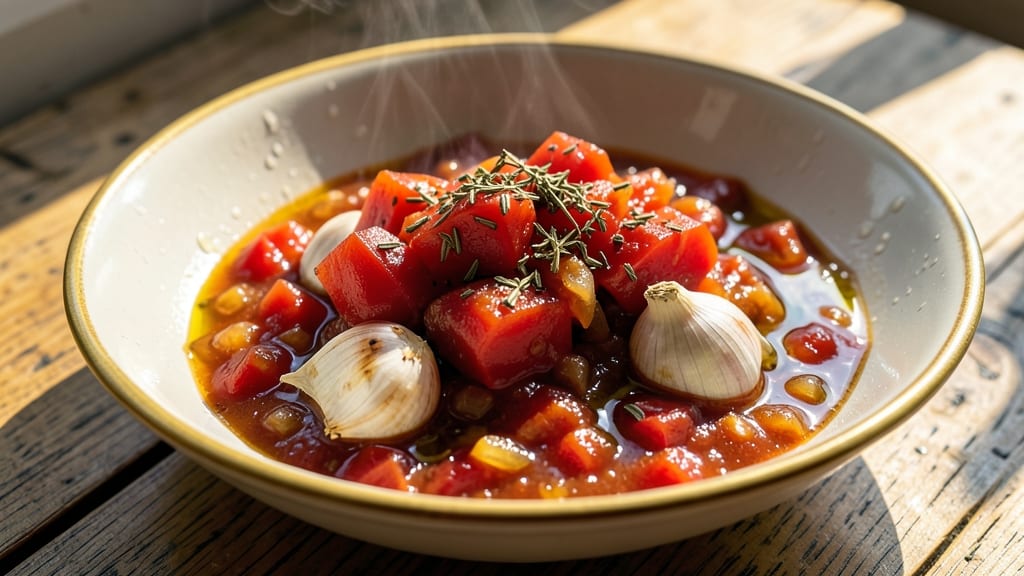
Transforming canned diced tomatoes into a rich, pantry-perfect sauce takes just 15 minutes and delivers restaurant-quality umami depth. This method preserves the natural sweetness while concentrating flavors through careful reduction—no fresh tomatoes required.
The key lies in balancing acidity and aromatics to create a versatile base for pasta, pizza, or braising.
What sets this sauce apart is its foolproof technique for developing depth without overpowering the tomatoes' natural character. Aromatics like garlic and onion form the foundation, while a touch of vinegar brightens the final product.
The sauce reduces to a velvety consistency that clings beautifully to noodles or meat, making it a game-changer for weeknight cooking.
By the end, you'll have a smooth, flavorful sauce with concentrated tomato essence and subtle herbal notes—ready to elevate any dish. The process is simple: simmer, reduce, and taste as you go.
This isn't just a sauce; it's a flavor multiplier that transforms basic meals into something special with minimal effort.
Store the finished sauce in airtight containers in the refrigerator for up to 5 days or extend its shelf life with proper canning techniques. The versatility makes it perfect for meal prep, allowing you to build flavor ahead of time while keeping ingredients fresh and simple.
Ingredients for canned diced tomato sauce
Pantry staples transform into velvety sauce with 15 minutes of simmering.
| Ingredient | Amount | Notes |
|---|---|---|
| Canned Diced Tomatoes 🍅 | 2 cans | 28 oz each, San Marzano preferred |
| Yellow Onion 🧅 | 1 whole | Medium, finely diced |
| Garlic Cloves 🧄 | 4 cloves | Fresh, minced |
| Extra-Virgin Olive Oil 🫒 | 2 tbsp | High quality, fruity |
| White Wine Vinegar 🍷 | 1 tbsp | For brightness |
| Dried Oregano 🍃 | 1 tsp | Crumbled between fingers |
| Ground Black Pepper 🌶️ | ½ tsp | Freshly cracked |
| Sea Salt 🧂 | 1 tsp | Diamond Crystal preferred |
| Tomato Paste 🍅 | 1 tbsp | Squeeze tube preferred |
| Fresh Basil Leaves 🌿 | ¼ cup | Chopped, for finishing |
The tomatoes are the star—San Marzano if you can find it, but any good-quality canned diced tomatoes work. Check the expiration date—older cans lose sweetness. The onion and garlic should be fresh; yellow onions add natural sweetness as they cook. For the olive oil, avoid the cheap stuff—this is where flavor develops. I grab mine from Trader Joe's or Whole Foods; their extra-virgin varieties have that fruity kick. The tomato paste? Squeeze tubes are your friend here—no waste, and they keep forever. Always have a backup can of tomatoes on hand; this sauce is a game-changer for lazy nights.
No white wine vinegar? Red wine vinegar or lemon juice works in a pinch—just use the same amount. Dried oregano not cutting it? Fresh basil at double the amount (but chop it finely!). Short on garlic? Garlic powder at half the amount, but fresh is absolutely essential for that authentic depth. The tomato paste can be skipped if you're in a hurry, but it adds a rich, concentrated sweetness that ties everything together. If you're feeling fancy, toast the oregano and garlic in the olive oil for 30 seconds—that's where the magic happens.
This sauce tastes even better the next day as flavors meld. Store in airtight glass jars in the fridge for up to 5 days. For longer storage, freeze in ice cube trays—perfect for adding to soups or pasta later. I always make a double batch; one for immediate use and one to freeze. The basil? Add it fresh at the very end—it wilts fast, so don't prep it too early. If you're canning, follow USDA guidelines—this sauce is perfect for pressure canning with a pH below 4.6.
Why You'll Love This Recipe
- Pantry Magic: The second I open that can of diced tomatoes, I’m already halfway to dinner. No wilting herbs to trim, no bruised tomatoes to peel—just bright, juicy chunks ready to simmer. Honestly, it’s the kind of recipe that makes me feel like I’ve outsmarted grocery day.
- Garlic-Kissed Depth: That moment when you crush fresh garlic into sizzling olive oil and let it bloom? Pure flavor alchemy. The vinegar brightens it all, cutting through the richness while the onions caramelize into something almost sweet—like a little secret upgrade no one expects from a simple sauce.
- Weeknight Swiss Army: This sauce is the glue that holds my meals together. Dump it over pasta, stir it into rice, or ladle it onto grilled chicken—it’s my go-to when I’m low on brainpower but high on hunger. Between us, it’s the reason I stopped stressing over dinner plans.
- Budget-Friendly Staple: I make a big batch on Sundays and freeze it in portions. A single can of tomatoes stretches into four servings, and the rest of the ingredients cost pennies. My wallet thanks me, and so does my taste buds when I pull out a jar of this stuff months later—still packed with flavor.
Instructions for pantry-perfect umami sauce
Here's how to transform simple pantry staples into a restaurant-quality sauce that builds flavor like magic.
Sauté Aromatics Until Fragrant
Heat the 2 tablespoons extra-virgin olive oil in a medium saucepan over medium heat. Add the 1 whole yellow onion that's been finely diced and cook for 5-6 minutes until it becomes translucent and just beginning to caramelize at the edges. This is where the sauce's depth starts building.
Add the 4 cloves minced garlic cloves and cook for another 30 seconds until you can smell that irresistible aromatic punch. The garlic should be golden but not browned—if it starts to darken too quickly, reduce the heat slightly. This quick cooking preserves the garlic's sweetness rather than letting it turn bitter.
Here's the thing—don't rush this step. Properly developed aromatics form the foundation of your sauce. If you smell the garlic burning, start over with fresh cloves. This is the moment that matters most for flavor development.
Build the Sauce Base with Tomatoes and Vinegar
Pour in the contents of the 2 cans canned diced tomatoes, crushing any large pieces with your wooden spoon to break them down. Stir in the 1 tablespoon white wine vinegar and bring everything to a gentle simmer over medium-high heat. The vinegar will brighten the tomatoes' natural acidity and cut through any sweetness.
Simmer uncovered for 8-10 minutes until the sauce reduces slightly and coats the back of a spoon. You're looking for a consistency where the sauce clings but still has body. This reduction concentrates the flavors and removes some of the water content that would otherwise dilute your hard work.
I know it seems like too little time, but trust me—the sauce will continue thickening as it cools. If you simmer too long, you'll end up with a thick paste rather than a balanced sauce.
Thicken and Season with Herbs and Spices
Reduce heat to medium-low and stir in the 1 tablespoon tomato paste, spreading it around the pan to prevent clumping. Add the 1 teaspoon dried oregano, 0.5 teaspoon ground black pepper, and 1 teaspoon sea salt. Let the sauce simmer gently for another 5 minutes, stirring occasionally to prevent sticking.
The tomato paste will deepen the sauce's color and add a concentrated umami punch. This is where the magic happens—all those individual flavors meld together into something greater than the sum of their parts. Taste the sauce now and adjust the seasoning if needed, adding more salt or pepper as necessary.
Real talk: This is the step where many home cooks cut corners. Don't be tempted to skip the simmering time—it's what transforms good ingredients into something extraordinary.
Finish with Fresh Basil and Rest
Remove the saucepan from heat and stir in the 0.25 cup chopped fresh basil leaves. The basil will add a bright, fresh contrast to the rich tomato base. Let the sauce sit off the heat for 5-10 minutes—this resting period allows all the flavors to fully integrate and the sauce to reach its perfect consistency.
This waiting time might feel counterintuitive, but it's crucial. The sauce will thicken slightly as it cools, and the flavors will meld more completely. If you can't wait, at least let it sit for 2-3 minutes before serving—you'll notice the difference immediately.
Serve this sauce immediately over your favorite pasta, drizzled generously on bruschetta, or spooned alongside grilled meats. The perfect balance of acidity, sweetness, and umami will have everyone asking for seconds.
Pro Tips For Making Canned Diced Tomato Sauce
- Sauté Onions Slow: I learned this the hard way—rushing the onions turns your sauce bitter. Cook them on medium-low for 8-10 minutes until they’re soft and translucent, not golden. That extra patience removes the sharp edge and builds flavor you’ll actually taste.
- Drain Tomatoes Well: Skip pouring the juice straight from the can—it’s watery and dilutes your sauce. Drain the tomatoes first, then crush them by hand (or use a wooden spoon) to keep the texture chunky but controlled. The juice is fine in moderation, but not for the base.
- Smash Garlic First: Don’t just chop garlic—smash the cloves with the flat of your knife before mincing. This releases more flavor into the oil before it even hits the pan. A quick 30-second job that makes the difference between "meh" and "wow."
- Deglaze with Vinegar: After cooking the onions and garlic, splash in 1-2 tablespoons of white wine vinegar before adding the tomatoes. It cuts through the richness and brightens the whole sauce—no need for extra acid later. (Yes, even if you’re impatient like me.)
Creative variations of canned diced tomato sauce
Spicy Arrabbiata Twist
Transform your sauce into a fiery arrabbiata by adding 1-2 teaspoons of red pepper flakes during the simmering stage. For extra heat, stir in ½ teaspoon of crushed dried chili peppers or a pinch of cayenne pepper when you add the tomato paste.
Balance the heat with an additional ½ teaspoon of sugar to mellow the sharpness. Finish with a sprinkle of fresh red chili flakes for color and extra kick. 🌶️
Creamy Alfredo Fusion
Turn this sauce into a decadent Alfredo hybrid by stirring in ½ cup heavy cream or ½ cup whole milk during the final 5 minutes of simmering. For extra richness, add ¼ cup grated Parmesan cheese and a pinch of nutmeg.
This creamy version pairs perfectly with fettuccine or grilled chicken. Keep an eye on the sauce—it will thicken quickly when dairy is added.
Herb-Infused Roasted Garlic
Elevate your sauce with roasted garlic by replacing the minced garlic with 4 cloves of roasted garlic (simmered in olive oil at 400°F for 20 minutes). Add 1 teaspoon of dried thyme and ½ teaspoon of smoked paprika for depth.
The roasted garlic adds a sweet, caramelized flavor that pairs beautifully with roasted vegetables or braised meats. This variation is perfect for hearty winter dishes.
Umami Mushroom Boost
Deepens the sauce with umami richness by sautéing ½ cup finely chopped cremini mushrooms with the onions. Add 1 teaspoon of soy sauce or ½ teaspoon of fish sauce when you incorporate the tomatoes.
The mushrooms add an earthy depth that works wonderfully with beef or pork dishes. For extra umami, stir in 1 teaspoon of miso paste during the final simmering stage.
Sweet and Tangy BBQ Glaze
Create a versatile BBQ glaze by adding ¼ cup ketchup and 2 tablespoons of brown sugar when you incorporate the vinegar. Stir in 1 teaspoon of smoked paprika and ½ teaspoon of ground cumin for a smoky twist.
This glaze works perfectly on ribs, pulled pork, or even as a dipping sauce for fries. Simmer for an additional 5 minutes to let the flavors meld together.
Sun-Dried Tomato Concentrate
For an intense, concentrated flavor, stir in 2 tablespoons of chopped sun-dried tomatoes in oil during the final 5 minutes of simmering. Add ½ teaspoon of dried rosemary and ¼ teaspoon of fennel seeds for a Mediterranean flair.
This variation is ideal for drizzling over grilled fish or pairing with crusty bread. The sun-dried tomatoes add a chewy texture and a burst of concentrated tomato flavor.
Nutrition facts
Frequently asked questions
Can I use crushed tomatoes instead of diced?
Crushed tomatoes work beautifully—they'll create a smoother sauce with fewer chunks. For best results, drain any excess liquid first to prevent a watery finish. The texture will be silkier, perfect for pasta or as a pizza base. Just reduce simmering time by 2-3 minutes since crushed tomatoes have less water content.
How do I fix a sauce that's too acidic?
Balance excess acidity by adding a pinch of sugar (½ teaspoon) or a splash of tomato paste (1 tablespoon) to deepen the flavor. Simmer for another 2 minutes to let the flavors meld. For a richer taste, stir in a small piece of butter or a spoonful of heavy cream—this rounds out the sharpness beautifully.
What's the best way to store leftover sauce?
Transfer to airtight glass containers and refrigerate for up to 5 days. For longer storage, freeze in ice cube trays or small portions—thaw overnight in the fridge. The sauce actually tastes better after 24 hours as flavors deepen. Label with the date to track freshness.
Can I make this sauce without vinegar?
Yes, but it may taste flatter. Replace the vinegar with 1 teaspoon of lemon juice or ½ teaspoon of citric acid to brighten flavors. If skipping entirely, add an extra pinch of salt (¼ teaspoon) to enhance umami. The vinegar prevents the sauce from tasting one-dimensional—it's the secret to restaurant-quality balance.
How can I make this sauce thicker?
Simmer uncovered for 5-10 extra minutes to reduce moisture naturally. For instant thickening, mix 1 tablespoon of cornstarch with 2 tablespoons water, stir in, and simmer 1 minute***. Or mash a few tomato pieces against the pan sides to release starch. Avoid over-thickening—this sauce should coat the back of a spoon but remain saucy.