
Sauces & Condiments
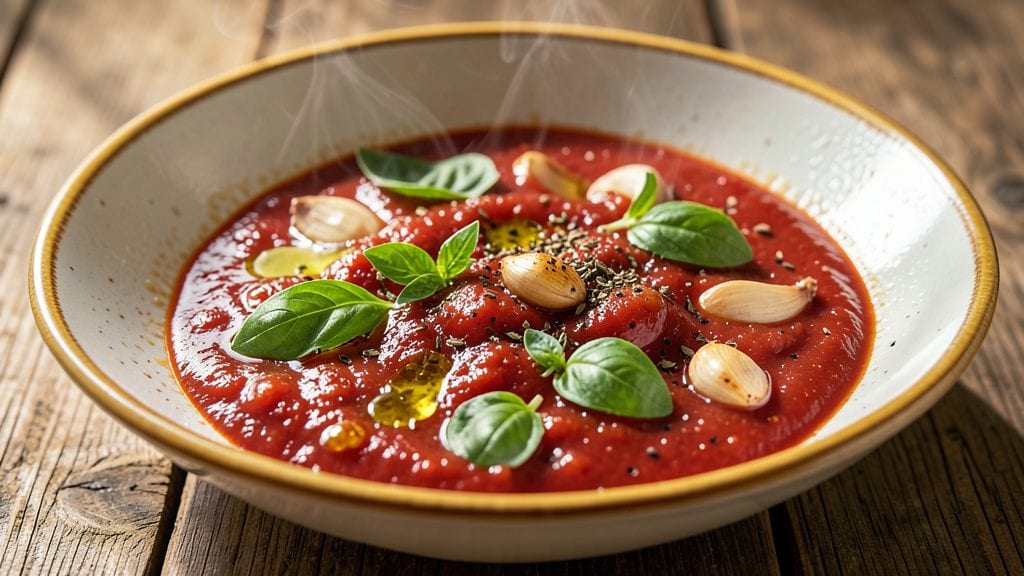
Mastering this canned Italian tomato sauce recipe turns humble pantry staples into a velvety, umami-rich treasure you’ll reach for again and again. This canned Italian tomato sauce recipe delivers the deep, complex flavor of sun-ripened tomatoes and aromatic herbs, perfectly preserved for months in your pantry.
The slow simmering process develops layers of flavor that store-bought versions simply can't match, while proper canning techniques ensure safety and longevity.
What sets this recipe apart is the balance of acidity and sweetness—just enough vinegar to preserve without overpowering, and a touch of sugar to caramelize during the long simmer.
Fresh garlic, basil, and oregano infuse the sauce with authentic Italian character, while a splash of red wine adds depth that transforms basic tomatoes into something extraordinary. The process requires patience, but the results are worth every minute of simmering time.
By the time you're done, you'll have jars of vibrant red sauce with a velvety texture and concentrated tomato flavor that improves with age. This isn't just a pantry staple—it's the foundation for countless Italian meals, from hearty pasta dishes to rustic braised meats.
The canning process makes it perfect for gifting or stocking your kitchen for emergencies, ensuring you always have restaurant-quality sauce on hand.
Ready to preserve that rich tomato flavor for months? This method ensures your sauce stays fresh, flavorful, and ready to elevate any dish. Let's get started with the complete recipe and canning instructions that will change how you approach Italian cooking forever.
Ingredients for canned italian tomato sauce
Pantry staples that transform into restaurant-quality sauce with just time and patience.
| Ingredient | Amount | Notes |
|---|---|---|
| San Marzano Tomato Cans 🍅 | 28 oz | Whole, peeled, no salt added |
| Red Wine 🍷 | 1 cup | Bold dry variety like Cabernet |
| Extra-Virgin Olive Oil 🫒 | ½ cup | High quality, fruity flavor |
| Garlic Cloves 🧄 | 6 cloves | Freshly minced, not pre-minced |
| Fresh Basil Leaves 🌿 | 1 cup | Packed, stems removed |
| Dried Oregano 🍃 | 1 tbsp | Italian or Mediterranean blend |
| White Wine Vinegar 🍶 | ½ cup | For proper acidification |
| Granulated Sugar 🍯 | ¼ cup | Light brown preferred |
| Salt 🧂 | 1 ½ tsp | Kosher or sea salt |
| Black Peppercorns 🌶️ | ½ tsp | Freshly cracked preferred |
The tomatoes are everything here. San Marzano cans are worth the splurge—they're sweeter, meatier, and less acidic than regular tomatoes. Whole peeled tomatoes give you control over texture, and no-salt-added ensures you're in charge of seasoning. If you can't find San Marzano, heirloom tomatoes work too, but you'll need to peel and crush them yourself. The red wine should be something you'd drink—Cabernet Sauvignon or Chianti both work well. For the olive oil, Californian or Italian varieties add that fruity depth that makes the sauce sing. Grab a small bottle you'd actually drizzle on bread—it makes a difference.
No red wine? Dry white wine or even extra tomato paste gets you close, though the color won't be as rich. Fresh basil is ideal, but dried basil at one-third the amount works in a pinch (though it won't be as vibrant). Short on sugar? A pinch of honey or extra tomatoes will help balance the acidity. The vinegar is non-negotiable for safe canning—don't skip it. For the garlic, roast it first if you're feeling fancy—it adds a sweet, mellow flavor that's perfect for canned goods. The peppercorns should be freshly cracked; pre-ground loses its punch quickly.
This sauce keeps beautifully. Once canned, it'll stay good for 12-18 months in a cool, dark pantry. The flavor actually improves with age, so make extra. For storage, use quart-sized canning jars—they're perfect for gifting and fit nicely in most pantries. If you're not canning immediately, the sauce can be refrigerated for up to 5 days or frozen for 6 months. Just remember: always check seals before storing, and process for the full recommended time to ensure safety. The first jar you open after canning will be your best—save it for a special meal.
Why You'll Love This Recipe
- No-Fuss Pantry Hero: I swear by this sauce because it starts with one can—San Marzano tomatoes—and turns into something restaurant-worthy. No blender, no fancy techniques, just a pot and 20 minutes while you sip wine and pretend you’re in a Tuscan kitchen.
- Wine-Infused Depth: That splash of red wine? It’s not just for flavor—it cuts through the acidity and adds this je ne sais quoi richness. The olive oil and garlic caramelize into something so fragrant, your whole apartment smells like a Sunday supper.
- Weeknight to Dinner Party: Slap it on pasta for a quick meal, use it as a braise for chicken, or drizzle it over grilled veggies. Even my picky husband licks the plate clean when I serve it with crusty bread—no one suspects it’s this effortless.
- Leftovers That Lie: Make a double batch and freeze half. A month later, when you’re scrambling for a last-minute sauce, you’ll pull out this jar and think, "Wait, I made this?" It tastes just as good reheated as it does fresh.
Step-by-step instructions for canned Italian tomato sauce
Transform simple pantry staples into a rich, umami-packed sauce with this foolproof method.
Sauté Garlic in Olive Oil
Heat the 0.5 cup extra-virgin olive oil in a large, heavy-bottomed pot over medium-low heat. Add the 6 cloves minced garlic cloves and cook for 2-3 minutes until they become fragrant and just begin to turn golden. Watch carefully—garlic burns quickly, and you want that nutty aroma without bitterness. Remove the pot from heat immediately once you see the edges of the garlic start to color.
Here's the thing—this step builds the flavor foundation. If you rush it, you'll get a harsh taste. If you skip it, you'll miss that essential garlic depth that makes Italian sauces sing. Let the garlic infuse the oil completely before moving forward.
Add Wine and Vinegar
Return the pot to medium heat and pour in the 1 cup red wine. Let it simmer for 3-4 minutes until reduced by about half, which concentrates the flavors. Then add the 0.5 cup white wine vinegar and the 1 tbsp dried oregano. Stir well and let this mixture bubble gently for another 2 minutes—you'll notice the aroma becoming more complex and inviting.
This is where the magic happens. The acidity from the vinegar brightens the wine's depth while the oregano adds that classic Italian herbal note. Don't walk away—constant stirring prevents burning and ensures even distribution of flavors throughout the sauce.
Incorporate Tomatoes and Sugar
Pour in the contents of the 28 oz San Marzano tomato cans, crushing any large chunks with a wooden spoon. Add the 0.25 cup granulated sugar and 1.5 tsp salt. Bring the mixture to a gentle boil, then reduce heat to low and let it simmer uncovered for 45-50 minutes. Stir occasionally to prevent sticking and allow the sauce to thicken gradually.
The sugar isn't just for sweetness—it helps balance the acidity and enhances the tomatoes' natural sweetness. You'll see the sauce transform from a chunky mass to a smooth, velvety consistency. If it thickens too much before the time is up, add 2-3 tablespoons of water to maintain the right texture.
Finish with Fresh Basil and Pepper
Once the sauce has thickened to your desired consistency (it should coat the back of a spoon but still be pourable), remove it from heat. Stir in the 1 cup fresh basil leaves and 0.5 tsp cracked black peppercorns. Let the sauce sit for 5 minutes to allow the basil to release its oils and mingle with the other flavors.
This final step elevates the sauce from good to extraordinary. The fresh basil adds a bright, herbal note that contrasts beautifully with the deep umami flavors developed during simmering. Taste and adjust seasoning—you might need a pinch more salt or sugar to balance the flavors perfectly.
Rest and Serve
Transfer the sauce to a clean glass jar or airtight container and let it cool to room temperature. For best results, refrigerate for at least 2 hours before using—this allows the flavors to meld completely. The sauce will thicken further as it cools, so you can thin it with a little water or broth if needed when reheating.
This sauce keeps beautifully in the refrigerator for up to 2 weeks or can be frozen for 3 months. Each time you reheat it, you'll be rewarded with that rich, complex flavor that makes homemade Italian sauce worth every minute of simmering.
Pro Tips For Making Canned Italian Tomato Sauce
- Crush Garlic First: Toss whole garlic cloves into the pot with the oil and let them sizzle until they just start to color—about 2 minutes. Only then do I pull them out and mash them directly into the sauce. This keeps the flavor deep and prevents that bitter aftertaste from overcooking.
- Deglaze with Wine Early: Don’t wait until the tomatoes go in—pour the red wine into the pot right after the garlic and let it bubble away for 3-4 minutes. This extracts more flavor from the garlic and prevents the wine from just evaporating into nothingness when the tomatoes hit.
- Skip the Blender: I used to puree this sauce, but now I leave it chunky. The texture of crushed tomatoes and whole basil leaves (torn, not chopped) makes it taste fresher. If you really want smoothness, strain half after cooking—just don’t skip the chunky half entirely.
- Simmer Low and Long: After adding the tomatoes and wine, turn the heat down to a gentle simmer and walk away. Let it cook uncovered for at least 45 minutes—this lets the acidity mellow and the flavors meld. Skipping this step leaves the sauce sharp and underdeveloped.
Best sauces and condiments for these flavors
Classic Pairings
This rich tomato sauce shines best with al dente spaghetti or fresh eggplant parmigiana. Toss it with 12 oz spaghetti and top with grated Parmigiano-Reggiano and fresh basil. For a heartier dish, layer it with sliced eggplant, ricotta cheese, and mozzarella, then bake until bubbly. 🍝
Bread and Dipping
Warm crusty ciabatta or focaccia makes the perfect dipping companion. Brush slices with garlic-infused olive oil, sprinkle with flaky sea salt, and serve alongside the sauce.
The sauce's velvety texture contrasts beautifully with the bread's airy crumb. I like to serve it with roasted garlic hummus for a Mediterranean-inspired spread.
Pasta Variations
Use it as a base for lasagna by layering with no-boil lasagna noodles, ricotta, and mozzarella. For ravioli, fill fresh pasta with a mix of ricotta, Parmigiano-Reggiano, and nutmeg, then simmer in the sauce. The sauce's depth elevates both dishes to restaurant quality.
Meat and Protein
Braised short ribs or chicken piccata become extraordinary with this sauce. Deglaze the pan with ½ cup red wine, then add 2 cups of sauce to create a glossy, flavorful coating.
The sauce's acidity tenderizes the meat while its richness keeps it moist. I also love using it as a marinade for grilled lamb chops—simply brush on before grilling.
Cheese and Crackers
Create an elegant appetizer by pairing the sauce with aged pecorino cheese and water crackers. Warm the sauce slightly and drizzle over the cheese for a sophisticated starter.
Add toasted pine nuts for crunch and fresh thyme leaves for brightness. This combination is perfect for holiday gatherings or casual dinner parties.
Breakfast Twist
Yes, tomato sauce belongs at breakfast! Use it as a base for shakshuka by whisking 2 eggs into the sauce, then baking until set. Top with feta cheese and crispy prosciutto for a savory morning meal. The sauce's depth adds complexity to what could be a simple egg dish. 🍳
Nutrition facts
Frequently asked questions
Can I use regular canned tomatoes instead of San Marzano?
Yes, but expect a slightly different flavor profile. San Marzano tomatoes are sweeter and less acidic, giving that authentic Italian taste. Regular canned tomatoes will work, but you may need to add 1 extra tablespoon of sugar and ½ teaspoon more salt to balance the acidity. For best results, choose no-salt-added varieties to control seasoning.
How do I know when my canned tomato sauce is properly sealed?
After processing, check the jar lids by pressing down in the center. If the lid pops back up, it didn't seal properly. Also, run your finger around the edge—if you feel a vacuum seal (the lid doesn't move), it's good. Store sealed jars in a cool, dark place for up to 18 months. Always check seals before opening to ensure safety.
What if my sauce turns out too thick or too thin?
If too thick, thin with 1-2 tablespoons of water or broth while reheating. For thin sauce, simmer uncovered for 5-10 extra minutes to reduce. Remember, the texture will naturally thicken as it cools. Adjust while warm for best results—cold sauce is harder to fix once set.
Can I add meat to this sauce before canning?
No, adding raw meat before canning creates safety risks. If you want meat, cook it separately and mix in the sauce after canning (within 2-3 days). For canning, stick to vegetables like mushrooms or bell peppers—but always follow tested USDA canning guidelines for any additions.
Why does my sauce taste bland after opening?
Freshly opened sauce may taste milder because canning preserves flavor but doesn't enhance it. Let it sit at room temperature for 30 minutes before reheating to awaken the flavors. Add a pinch of red pepper flakes or fresh herbs when using to brighten it up. The first jar after canning will always taste best.