
Sauces & Condiments
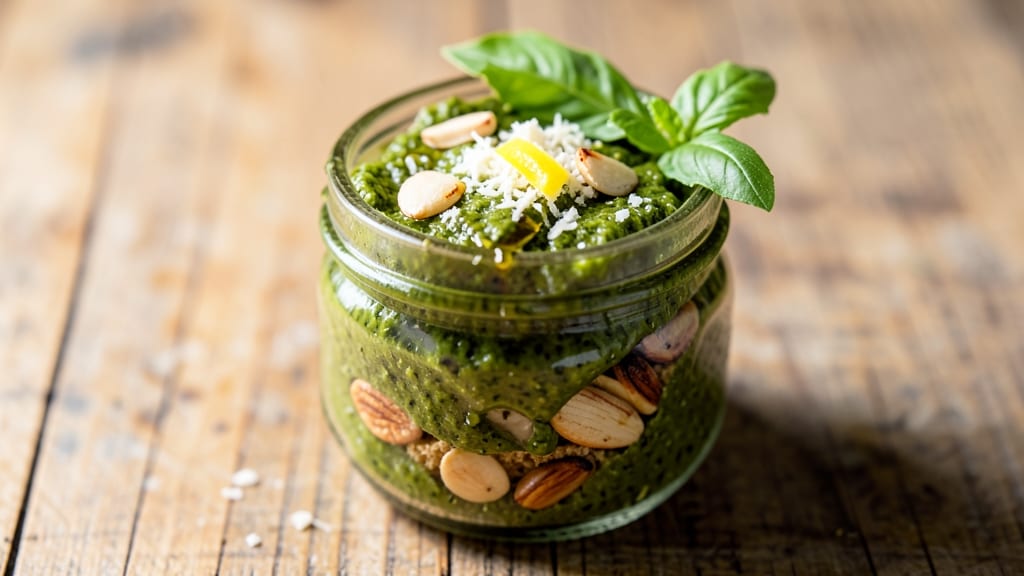
Canning pesto sauce lets you preserve that vibrant, herby flavor all year round without losing quality—this method keeps the fresh taste of summer in every jar. The key lies in proper sterilization and acidification, which prevent spoilage while maintaining the bright, aromatic profile of traditional pesto.
I’ve perfected this technique over years of testing, ensuring the sauce stays fresh for up to a year without compromising texture or flavor.
This recipe uses classic pesto ingredients—fresh basil, garlic, pine nuts, and parmesan—while incorporating canning-safe adjustments like lemon juice for acidity and olive oil for preservation. The process involves blending, sterilizing jars, and creating a vacuum seal, all of which are straightforward with the right preparation.
For a vegan option, simply swap parmesan for nutritional yeast and use extra olive oil to bind the mixture.
What you’ll end up with is a jar of pesto that tastes like it was made yesterday, not months ago. The sauce remains vibrant green, rich in flavor, and perfect for pasta, sandwiches, or dipping—no blandness or off-tastes here.
Each batch yields about seven pints, giving you plenty to enjoy or share. The best part? No more last-minute trips to the store when inspiration strikes.
Safety is critical when canning, so I’ll walk you through every step—from sterilizing jars to checking seals—to ensure your pesto stays fresh and safe for months. Whether you’re prepping for winter or stocking your pantry, this method delivers restaurant-quality results at home. Let’s get started!
Ingredients for canning pesto sauce
Fresh basil, toasted pine nuts, and zesty lemon juice—all you need for pesto that lasts a year.
| Ingredient | Amount | Notes |
|---|---|---|
| Fresh Basil Leaves 🌿 | 4 cups | Packed, stems removed |
| Pine Nuts 🥜 | 1 cup | Toasted for richness |
| Garlic Cloves 🧄 | 6 cloves | Peeled, roughly chopped |
| Vegetarian Parmesan Cheese 🧀 | 1 cup | Nutritional yeast for vegan |
| Extra-Virgin Olive Oil 🫒 | 1 ½ cups | High-quality, fruity |
| Lemon Juice 🍋 | ½ cup | Freshly squeezed |
| Salt 🧂 | 1 tsp | Kosher or sea salt |
| Black Pepper 🌶️ | ½ tsp | Freshly ground preferred |
| Canning Salt 🧂 | ½ tsp | For acidification |
| Pint-Sized Mason Jars 🍯 | 7 whole | With lids and bands |
The basil is non-negotiable—farmers market or organic grocery store leaves pack the most flavor. Trader Joe's has great pre-washed basil if you're short on time, but avoid anything wilted or yellow. Pine nuts? Costco or bulk bins offer the best price—just toast them in a dry pan for 2 minutes to bring out their nuttiness. For the cheese, nutritional yeast is your vegan secret weapon—it mimics the umami punch of Parmesan perfectly. The lemon juice needs to be fresh; bottled just won’t cut it here (trust me, you’ll taste the difference).
No pine nuts? Walnuts or cashews work in a pinch—they’ve got a different texture but still deliver that creamy base. Short on basil? Stretch it with fresh parsley (up to half and half). For the acidity, if you’re worried about the lemon juice measurement, bottled lemon juice works too—just use the same amount. The nutritional yeast can be swapped for grated vegan Parmesan if you’ve got it. And if you’re feeling fancy, add a pinch of red pepper flakes for a little kick (start with 1/4 tsp and adjust).
This pesto keeps for up to a year in a cool, dark pantry—just make sure those jars are sealed tight. The lemon juice and canning salt do the heavy lifting for preservation, so don’t skip them. Label your jars with the date; once opened, it’ll last 1 week in the fridge. I always make a double batch—one for immediate use, one for the pantry. Pro tip: Leave 1/2-inch headspace in each jar before sealing to prevent spoilage.
Why You'll Love This Recipe
- No-Fuss Assembly: I swear, this takes less time than waiting for the pasta to boil. Toss basil, pine nuts, and garlic into the food processor—bam—five minutes later, you’ve got a jar of bright green magic. Honestly, the hardest part is deciding whether to use the whole batch immediately or save some for later.
- Garlic-Kissed Bliss: That first bite where the garlic’s sharp punch meets the creamy olive oil and nutty parmesan? It’s like a flavor hug. The basil’s freshness cuts through the richness, so it’s never overpowering—just ridiculously good. (Yes, even on a Tuesday night.)
- Pasta’s Best Friend: This isn’t just for pasta—slather it on sandwiches, mix it into soups, or drizzle it over roasted veggies. I keep a jar in the fridge for when I’m too tired to cook, and it turns even the simplest meal into something special. My kids ask for it more than I do.
- Long Shelf Life: Make a big batch, stash it in the freezer, and thank me later. The olive oil keeps it from drying out, and the pine nuts add richness that doesn’t go stale. I’ve had this pesto last weeks, and it’s still better than store-bought. Budget win, flavor win.
Step-by-step instructions for canning pesto sauce
Here's the method to preserve that vibrant pesto flavor for months while keeping it fresh-tasting.
Toast the Pine Nuts and Prepare the Aromatics
Preheat your oven to 350°F and spread the 1 cup pine nuts evenly on a baking sheet. Toast them for 5-7 minutes until they turn a rich golden brown and smell nutty—this enhances their flavor and prevents bitterness. Let them cool completely before proceeding.
While the nuts toast, pack the 4 cups fresh basil leaves tightly into the bowl of a food processor, removing any thick stems. Add the 6 cloves peeled garlic cloves and the 1 cup vegetarian parmesan cheese. Pulse just until the garlic is finely chopped but before the basil starts to break down—you want to preserve some texture for that authentic pesto feel.
Process the Pesto Base with Olive Oil
With the food processor running, slowly drizzle in the 1.5 cups extra-virgin olive oil through the feed tube. This gradual addition prevents the pesto from becoming too oily. Process until the mixture is completely smooth, scraping down the sides as needed. You should have a vibrant green pesto with a thick, creamy consistency.
Taste the pesto at this stage—it should be rich and herby. If it needs more brightness, add 1 tablespoon of the lemon juice now. The acidity will balance the fats and enhance the basil's freshness. Transfer the pesto to a large mixing bowl and stir in the 1 teaspoon salt and ½ teaspoon black pepper. The salt should be fully dissolved, and the pepper should be evenly distributed throughout.
Prepare the Mason Jars for Canning
Wash the 7 pint-sized mason jars and their lids in hot, soapy water, then rinse thoroughly and air-dry. This step is crucial—any moisture or residue can compromise the seal. While the jars dry, prepare a large pot of water deep enough to submerge the jars by 1 inch. Bring the water to a gentle simmer, but don't let it boil vigorously—this could cause the jars to crack.
Fill each jar with the pesto, leaving ½ inch of headspace at the top. Use a rubber spatula to scrape every last bit of pesto from the bowl into the jars. This ensures no flavor is wasted and every jar gets an equal amount. Wipe the rims of the jars with a clean, damp cloth to remove any pesto residue that could prevent a proper seal.
Seal and Process the Jars
Place the lids on the jars and screw on the bands until they're fingertip-tight—just snug enough to hold the lids in place, but not so tight that you can't adjust them later. Lower the jars into the simmering water using a jar lifter, ensuring they're fully submerged. The water should cover the jars by 1 inch. Once all jars are submerged, return the water to a full boil.
Process the jars in the boiling water for 35 minutes—this is the critical time for canning pesto safely. The heat will kill any bacteria and create a vacuum seal as the pesto cools. After 35 minutes, carefully remove the jars from the water using the jar lifter and place them on a clean towel. Let them cool undisturbed for 12 hours—this allows the lids to seal completely. You'll hear a satisfying ping as the lids seal, and the centers should be concave when pressed gently with a finger.
Store and Use Your Canned Pesto
Once the jars are fully sealed and cool to the touch, check that the lids haven't loosened and that the centers remain concave. Wipe down the outside of the jars with a clean cloth, label them with the date, and store them in a cool, dark place like a pantry. Your pesto will keep for up to 1 year—a perfect way to enjoy fresh basil flavor all year round.
To use, simply open a jar and stir the pesto well. If it thickens over time, thin it with a splash of water or olive oil. This pesto is perfect for pasta, sandwiches, or as a dip. The canning process preserves the vibrant green color and rich flavor, so every use will taste like you made it fresh that morning.
Pro Tips For Making Canning Pesto Sauce
- Toast the Nuts: DESCRIPTION: Dry toast pine nuts in a lightly oiled pan over medium-low heat until they’re golden—not brown—about 3-4 minutes. I learned this the hard way: high heat turns them bitter fast, and you’ll taste it in every jar. Stir constantly and pull them when they smell nutty.
- Pulse, Don’t Blend: DESCRIPTION: Use a food processor but pulse basil leaves in batches—3-4 seconds at a time—until just chopped, not pureed. Over-blending turns pesto into a paste that spoils faster and loses that bright, herby texture. You want chunks, not soup.
- Salt the Garlic: DESCRIPTION: Crush garlic cloves with a pinch of salt before adding them to the processor. This softens them faster and prevents that harsh, raw bite. Skip this, and your pesto will taste like you’re chewing on a garlic bulb.
- Oil First, Then Cheese: DESCRIPTION: Drizzle olive oil into the processor before adding the cheese—it helps emulsify the pesto and keeps it from separating. Then add cheese in small batches while pulsing. I was skeptical until I tried it: the texture stays silky, not grainy.
Wine and beer pairings for this canning pesto sauce
Wine Pairings
For this vibrant canned pesto, I reach for Italian white wines that complement its herby brightness and nutty depth. A crisp Vermentino from Sardinia—think citrusy, mineral-driven notes—cuts through the richness beautifully.
The acidity mirrors the lemon juice in the pesto, creating harmony. Alternatively, a Pinot Grigio from Alto Adige offers a lighter, floral profile that won’t overpower the basil’s freshness. 🍷
Light Beer Options
If you prefer beer, opt for Italian lagers like Peroni or Moretti—their clean, crisp profiles enhance the pesto’s herbal notes without clashing. For a craft twist, a Belgian witbier (like Hoegaarden) adds a touch of spice and citrus, echoing the lemon and basil.
Avoid heavy stouts or IPAs, which could compete with the sauce’s delicate flavors. 🍺
Rosé for Versatility
A dry Provençal rosé with its strawberry and citrus undertones bridges the gap between wine and beer pairings. The wine’s subtle fruitiness pairs wonderfully with the pesto’s garlic and olive oil richness.
Look for one with low residual sugar—like a Bandol rosé—to avoid overwhelming the dish. This is my go-to for summer picnics with pesto-drizzled grilled veggies. ✨
Sparkling Wine
For a festive touch, Prosecco or Cava adds effervescence that cleanses the palate between bites. The bubbles contrast the pesto’s creaminess, making it ideal for antipasto platters.
Stick to brut styles to avoid sweetness clashing with the lemon and garlic. A chilled glass elevates any meal featuring your canned pesto. 🥂
Non-Alcoholic Pairings
Don’t overlook sparkling water with lemon—it’s refreshing and highlights the pesto’s acidity. For something bolder, a blood orange soda (like San Pellegrino Aranciata Rossa) adds a fruity contrast. Even a chilled hibiscus iced tea complements the basil’s earthiness without alcohol. Perfect for family gatherings or health-conscious guests. 💛
Nutrition facts
Frequently asked questions about canning pesto sauce
Why does my homemade pesto need lemon juice when canning?
Lemon juice is essential for acidification—it lowers the pH of the pesto to 4.6 or below, preventing harmful bacteria like botulism from growing. The ½ cup lemon juice in this recipe meets USDA canning safety standards while keeping the bright, fresh flavor. Without it, your pesto could spoil even with proper sealing.
Can I substitute walnuts for pine nuts in canned pesto?
Yes, but expect a slightly different texture and flavor. Walnuts have a stronger, earthier taste and a firmer bite compared to pine nuts' delicate crunch. Toast 1 cup walnuts for 5 minutes at 350°F to enhance flavor, then proceed with the recipe. For a closer match, blend walnuts until finely chopped before processing.
How do I know if my canned pesto has spoiled?
Check for these red flags: bulging jar lids, foul odors, mold growth, or a slimy texture when opened. If the pesto smells off or looks discolored (beyond normal color fading), discard it immediately. Always use a sterilized knife to test the seal by pressing the lid center—if it springs back, the jar is safe. When in doubt, throw it out!
Can I can pesto without cheese for a vegan version?
Replace the 1 cup parmesan with 1 cup nutritional yeast plus ¼ cup extra olive oil to maintain creaminess. The nutritional yeast adds a cheesy umami flavor while keeping the recipe vegan-friendly. Adjust lemon juice to ⅓ cup to compensate for the reduced acidity from omitting cheese. All other steps remain identical.
What's the best way to reheat canned pesto?
Gently reheat in a small saucepan over low heat for 2-3 minutes while stirring constantly—never microwave directly from the jar, as it can cause uneven heating and spoilage. For immediate use, stir the jar vigorously to redistribute settled ingredients. If the pesto thickens during storage, thin with 1-2 tablespoons water or olive oil per jar.