
Sauces & Condiments
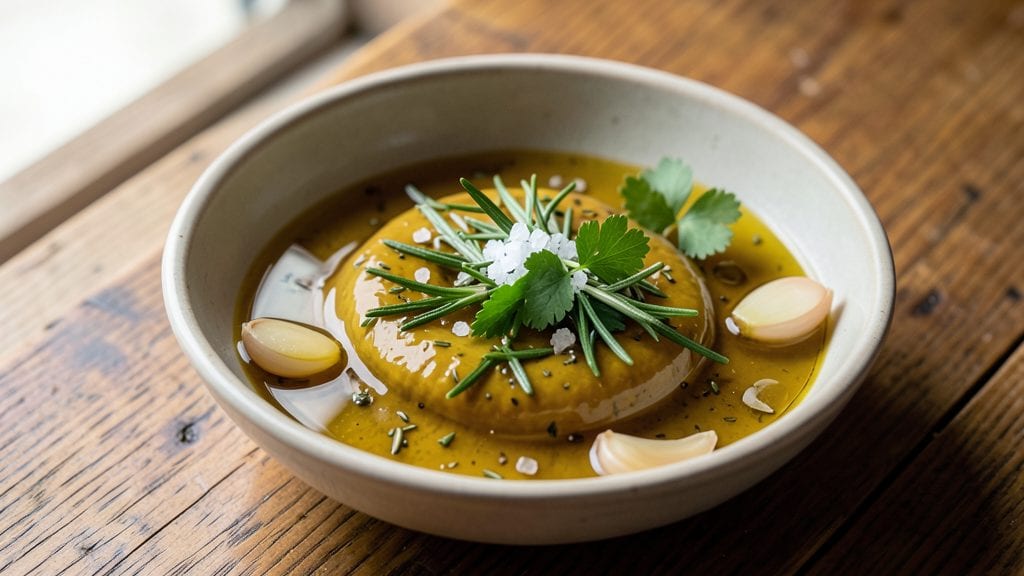
Recreating Carrabba's oil dipping sauce at home delivers that signature garlicky, herby magic that turns breadsticks into an unforgettable experience. The secret lies in a precise blend of high-quality olive oil, fresh garlic, and aromatic herbs that infuse the oil with deep, savory flavor.
I've perfected this recipe through years of testing—it's the same bold, aromatic sauce you'll find at the Italian restaurant, now ready to elevate your homemade meals.
This sauce requires just five simple ingredients but delivers restaurant-quality results with minimal effort. The key is infusing the oil properly, allowing the garlic and herbs to release their full flavor without turning bitter.
Unlike store-bought versions, this homemade blend stays fresh for weeks in the refrigerator, making it perfect for dipping bread, seafood, or appetizers. The process is straightforward: combine, heat gently, and let the flavors meld.
What you'll end up with is a golden, aromatic oil that's rich with garlic, rosemary, and parsley notes—perfect for dipping warm breadsticks or drizzling over grilled shrimp. The sauce maintains its vibrant flavor even after refrigeration, ensuring every bite is packed with that familiar Carrabba's taste.
This is the kind of condiment that transforms ordinary meals into something special.
Use it immediately for bread dipping or store it for up to four weeks in an airtight container. The versatility of this sauce makes it a must-have for any kitchen, whether you're serving a casual appetizer or hosting a dinner party.
Let's get started on making this flavorful oil at home!
Ingredients for carrabba's oil dipping sauce
Five ingredients transform into Carrabba's signature golden, garlicky oil—simple yet restaurant-quality.
| Ingredient | Amount | Notes |
|---|---|---|
| Extra-Virgin Olive Oil 🫒 | 1 cup | High-quality, fruity, cold-pressed |
| Garlic Cloves 🧄 | 6 whole | Fresh, peeled, thinly sliced |
| Fresh Rosemary 🌿 | ¼ cup | Finely chopped, stems removed |
| Fresh Parsley 🌿 | ¼ cup | Finely chopped, flat-leaf preferred |
| Diamond Crystal Kosher Salt 🧂 | 1 tsp | Fine grain, for seasoning |
The olive oil is non-negotiable here. Trader Joe's or Whole Foods carry excellent fruity options—avoid the cheap stuff that tastes like soap. Fresh garlic is a must; frozen or jarred won't cut it. Rosemary should be vibrant green with a piney aroma—Costco sells bundles that last weeks. For parsley, flat-leaf Italian has more flavor than curly. If you're short on time, dried rosemary works at half the amount, but fresh is worth the effort. The salt? Diamond Crystal is my go-to—it dissolves perfectly without overpowering.
No fresh rosemary? Dried thyme or oregano in a pinch, but reduce to one-third the amount. Skip the garlic? Asafoetida powder (hing) mimics garlic's depth—just one-eighth teaspoon does the trick. Olive oil shortages? Avocado oil works similarly, but the flavor won't be identical. The parsley can be omitted entirely if you're out, but the rosemary adds that signature Carrabba's aroma. Pro tip: Toast the garlic slices lightly in the oil for 30 seconds before removing—it intensifies the flavor without burning.
This sauce keeps beautifully. Store it in a dark glass jar in the fridge for up to 4 weeks, though it's best used within 2 weeks for peak flavor. For long-term storage, freeze in ice cube trays—thaw overnight in the fridge. The oil may solidify slightly when chilled; let it sit at room temperature for 10 minutes to restore its liquid form. Use it generously—a few drops elevate everything from crusty bread to grilled meats.
Why You'll Love This Recipe
- No-Chop Necessary: I swear by this—just toss in whole rosemary sprigs and a few unpeeled garlic cloves. The oil infuses all the flavor while I’m still chopping veggies for dinner. Minimal prep, maximum impact.
- Garlic-Parsley Magic: That first bite? Crispy, garlicky, bright from fresh parsley—like a Mediterranean hug in your mouth. The salt cuts through the richness just enough to keep it addictive. (Yes, even on a Tuesday night.)
- Game for Any Meal: Drizzle it over crusty bread with grilled shrimp, toss it with roasted potatoes, or use it as a marinade for chicken. I’ve even poured it straight from the jar onto my morning toast. It’s the ultimate lazy-but-luxurious shortcut.
- Lasts All Week: A full jar keeps in the fridge for 10 days, and honestly? It only gets better with time. The flavors meld into this rich, herby gold that’s perfect for last-minute dinners or when I forget to meal prep. (Again.)
Step-by-step instructions for Carrabba's oil dipping sauce recipe
This simple yet transformative sauce delivers the signature garlicky, herby richness that makes breadsticks irresistible.
Prepare the Fresh Herbs
Begin by finely chopping the 0.25 cup fresh rosemary and 0.25 cup fresh parsley, removing any tough stems. I like to use a sharp chef's knife and cut in a rocking motion to achieve an even, fine texture. The herbs should be bright green with no visible woody bits—this ensures maximum flavor and aroma in your sauce.
Place the chopped herbs in a small bowl and sprinkle with the 1 teaspoon diamond crystal kosher salt. Gently toss to distribute the salt evenly. This early seasoning helps draw out the natural oils from the herbs, intensifying their flavor. Let the mixture sit for 5 minutes while you prepare the remaining ingredients—this short rest allows the herbs to soften slightly and release their essential oils.
Infuse the Olive Oil
Heat the 1 cup extra-virgin olive oil in a small saucepan over low heat until it reaches 160°F—just warm enough to open the flavors of the oil without cooking it. I use a candy thermometer for precision, but you can also test by dipping a spoon into the oil: it should feel pleasantly warm to the touch but not hot.
Remove the pan from heat and immediately add the garlic cloves and herb mixture. Stir gently to combine, making sure the garlic is fully submerged in the oil. Here's the thing—you want the garlic to infuse without browning, so keep everything off the heat. Let the mixture steep for 15 minutes, stirring occasionally. The oil will develop a vibrant golden hue and an intoxicating aroma that fills your kitchen.
Strain and Finish
After the infusion period, strain the oil through a fine-mesh sieve into a clean bowl or jar, pressing gently on the herbs and garlic with a wooden spoon to extract every last bit of flavor. Discard the solids—no need to waste them, as they've already given everything they've got to the oil.
The resulting sauce should be a rich, golden liquid with a fragrant, complex aroma. Taste it straight from the spoon: you should detect bright, fresh notes of rosemary and parsley with a robust garlic presence, all balanced by the fruity depth of the olive oil. If you'd like to adjust the seasoning, add a pinch more salt at this stage. Let the sauce cool to room temperature before serving—this allows the flavors to meld even further.
Serve with Confidence
Transfer the finished sauce to a small, airtight container or pitcher. This sauce keeps beautifully in the refrigerator for up to 1 week, though I rarely have it last that long. When ready to serve, let it sit at room temperature for 10-15 minutes to restore its natural warmth and fluidity.
Drizzle generously over warm breadsticks, crusty bread, or even as a finishing touch for roasted vegetables. The sauce should coat your food with a glossy sheen and deliver that signature Carrabba's flavor profile—bright, herby, and undeniably garlicky. For an extra touch, sprinkle with additional fresh parsley just before serving to highlight the sauce's vibrant green color and fresh herb notes.
Pro Tips For Making Carrabba'S Oil Dipping Sauce
- Infuse Garlic Slowly: Don’t toss chopped garlic into the oil all at once—add it in batches while the oil simmers. I learned this the hard way: dumping it all in at once burns it before the rosemary even gets a chance to perfume the oil. Start with half, let it sizzle for 30 seconds, then add the rest.
- Toast Rosemary First: Heat the rosemary sprigs in the oil for 10 seconds before adding anything else. This releases their piney aroma without turning bitter. Skip this, and your sauce will taste like you just garnished a salad instead of infused oil.
- Pulse Parsley at End: Add finely chopped parsley after removing the pan from heat—it wilts instantly and keeps the oil bright green, not muddy. I used to blend it in while cooking, and the oil always looked dull. A quick pulse in a mini food processor right before serving fixes that.
- Salt the Oil: Dissolve ½ teaspoon kosher salt in a splash of warm water, then whisk it into the hot oil at the very end. This distributes the salt evenly without clumping. My first attempts just sprinkled salt on top, and it settled like snowflakes—inelegant and uneven.
Troubleshooting great carrabba's oil dipping sauce
Infusion Gone Wrong
If your oil turns cloudy or smells off, you likely overheated it. Keep the heat below 160°F—never let it smoke. I’ve ruined batches by walking away while the pan was on medium heat.
Use a candy thermometer for precision, or test with a spoon: warm oil should feel like bathwater, not steam. 🌡️
Garlic Bitterness
Over-infusing garlic makes it bitter. Remove the garlic after 10 minutes (not 15) if you’re sensitive to strong flavors. For milder results, use 4 cloves instead of 6. I once left mine in too long and ended up with a sauce that tasted like garlic medicine—trust your nose!
Herb Sediment
If your strained oil still has herb particles, use a cheesecloth-lined sieve for finer filtration. Press gently but don’t squeeze—you’ll release bitter compounds. For ultra-clear oil, strain twice: first through a fine-mesh sieve, then through a coffee filter. This extra step is worth it for restaurant-quality results.
Oil Separation
If the oil solidifies or separates in the fridge, it’s likely due to low-quality oil. Stick with extra-virgin olive oil (like Trader Joe’s or Whole Foods brands).
Let it sit at room temp for 10 minutes before serving—it’ll return to liquid form. If it’s still grainy, reheat gently on low heat, then strain again.
Weak Flavor Profile
If your sauce tastes mild or bland, boost the herbs. Add 1 extra sprig rosemary or 1 tsp lemon zest to brighten it. I’ve also found that toasting the herbs in a dry pan for 30 seconds before infusing deepens their flavor. Just don’t burn them—smoke means bitter oil!
Storage Issues
If your sauce spoils quickly (sour smell, mold), it was contaminated. Always use a sterilized jar and store it in the fridge within 2 hours of making it.
For longer shelf life, freeze in ice cube trays—thaw overnight in the fridge. Never leave it out for more than 2 hours at room temperature. ❄️
Nutrition facts
Frequently asked questions
Can I use dried herbs instead of fresh?
Yes, but adjust the amounts carefully. For 0.25 cup fresh rosemary, use 1 teaspoon dried (about 1/3 the volume). For parsley, dried works in a 1:1 ratio since it's less potent. The key is toasting dried herbs in a dry pan for 30 seconds first to awaken their flavors before infusing. Fresh herbs always deliver brighter results, though!
How long should I infuse the garlic?
For classic Carrabba's flavor, steep the garlic for 10-15 minutes off the heat. If you prefer milder garlic, remove it after 10 minutes. Over-infusing risks bitterness—trust your nose! The oil should smell fragrant but not harsh. For extra depth, lightly toast the garlic slices in the oil for 30 seconds before removing them.
What's the best way to store leftover sauce?
Transfer to an airtight glass jar and refrigerate for up to 4 weeks, though it's best used within 2 weeks for peak flavor. For longer storage, freeze in ice cube trays—thaw overnight in the fridge. Let chilled oil sit at room temperature for 10 minutes before serving to restore its natural fluidity. Never store in metal containers, as they can react with the oil.
Can I make this sauce without garlic?
Yes, but the flavor profile will differ. Replace the 6 garlic cloves with 1/8 teaspoon asafoetida (hing) for a similar savory depth, or add 1 teaspoon onion powder. For a completely garlic-free version, boost the rosemary to 0.33 cup and add 1/2 teaspoon black pepper to enhance the herby notes. The sauce will still be delicious—just more herb-forward!
Why does my oil turn cloudy?
Cloudiness usually means overheating—keep the oil below 160°F at all times. If it happens, strain again through a coffee filter for clarity. For future batches, use a candy thermometer or test with a spoon: warm oil should feel like bathwater, not steam. High-quality extra-virgin olive oil (like Trader Joe's) also helps prevent clouding.