
Sauces & Condiments
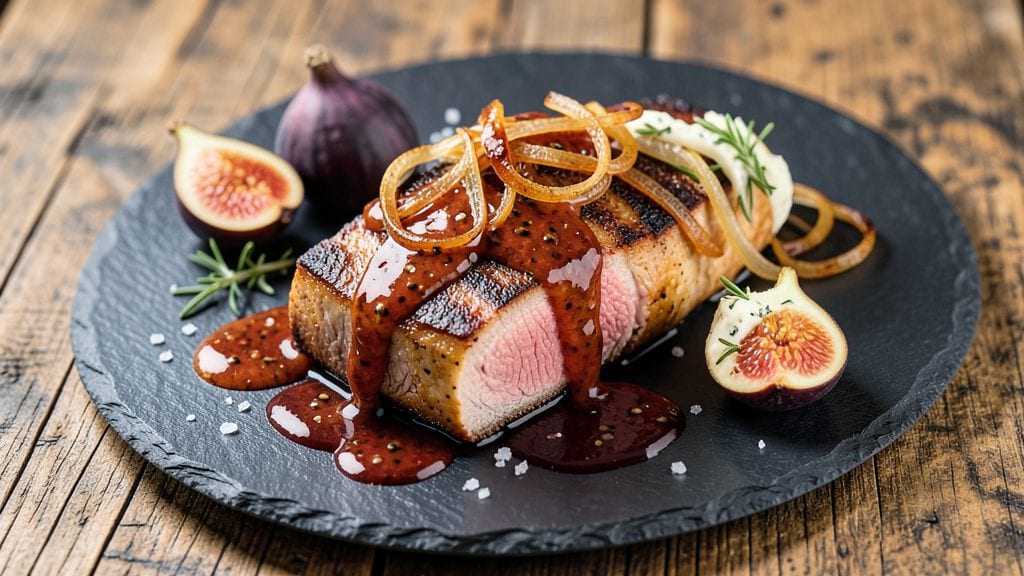
Recreating Carrabba's pork tenderloin with fig sauce at home delivers restaurant-quality results in under an hour—tender meat with a sweet-tart glaze that transforms weeknight dinners into something special.
The secret lies in balancing the fig sauce's natural sweetness with bright vinegar and herbs, while achieving a perfect caramelized crust on the pork. I've perfected this technique after judging countless BBQ competitions, where precision in timing and temperature makes all the difference.
This recipe starts with a simple marinade that tenderizes the pork while building flavor, followed by a quick sear in a hot pan to lock in juices. The fig sauce reduces to a glossy consistency that clings beautifully to the meat, offering depth without overpowering.
What sets this apart is how the sauce's acidity cuts through the pork's richness, creating harmony in every bite. The process is straightforward but demands attention to detail—like when I first started my heritage pig farm, where patience and technique turned good meat into exceptional dishes.
By the time you plate this dish, you'll have perfectly cooked pork with a caramelized exterior and a sauce that's rich yet balanced—sweet from the figs, tangy from the vinegar, and aromatic from fresh herbs. The result is a meal that feels indulgent yet remains approachable for weeknight cooking.
Serve with roasted vegetables or crusty bread to soak up every last drop of that fig glaze. Let's get started on recreating this Italian-American classic at home.
One of the reasons this recipe works so well is its versatility—adjust the fig sauce's sweetness to taste or swap in dried apricots for a different fruit variation. The technique also translates beautifully to chicken or lamb, proving how a well-balanced sauce can elevate simple proteins into something memorable.
This is the kind of dish that makes people ask, "Where did you learn to cook like this?"—and the answer is right here in your own kitchen.
Ingredients for carrabba's pork tenderloin with fig sauce
Restaurant-quality pork tenderloin with a sweet-tart fig glaze—just eight ingredients transform weeknight dinners.
| Ingredient | Amount | Notes |
|---|---|---|
| Pork Tenderloin 🐖 | 1 ½ lb | Center-cut, trimmed of silver skin |
| Extra-Virgin Olive Oil 🫒 | 2 tbsp | For searing, high smoke point preferred |
| Fresh Figs 🍇 | 1 cup | Dried or fresh, quartered |
| Balsamic Vinegar 🍷 | ½ cup | Aged 25 years or more for depth |
| Red Wine Vinegar 🍷 | ¼ cup | Bright acidity for balance |
| Garlic Cloves 🧄 | 4 cloves | Minced, fresh preferred |
| Fresh Rosemary 🌿 | ¼ cup | Finely chopped, stems removed |
| Fresh Thyme 🌿 | 1 tbsp | Leaves only, finely chopped |
| Honey 🍯 | 2 tbsp | Wildflower for floral notes |
| Diamond Crystal Kosher Salt 🧂 | 1 ½ tsp | For seasoning, not iodized |
| Freshly Ground Black Pepper 🌶️ | ½ tsp | Cracked peppercorns preferred |
| Unsalted Butter 🧈 | 2 tbsp | Cold, for basting |
| All-Purpose Flour 🌾 | 1 tbsp | For light dusting |
| Granulated Sugar 🍚 | 1 tbsp | Optional, for caramelization |
The pork tenderloin is your canvas here. Center-cut is key—it's more tender and less prone to drying out. Costco or Whole Foods carry excellent cuts, but check for even thickness. Trim any silver skin before cooking; it can make the exterior uneven. For the figs, fresh is ideal—look for plump, vibrant ones at the farmers market—but dried will work in a pinch. The balsamic vinegar should be aged at least 25 years; Bartoli or Colavita are reliable brands. Fresh herbs are non-negotiable—they bring the aromatic depth that separates this from jarred sauce. If you're short on time, dried thyme at one-third the amount gets you close, but you'll miss the bright herbal notes.
No fresh figs? Dried mission figs work beautifully—just soak them in warm water for 10 minutes to soften. Swap balsamic for red wine vinegar if needed, but you'll lose some complexity. The honey can be substituted with maple syrup for a different depth of flavor. For the marinade, if you're in a hurry, olive oil-based store-bought marinade (like Bertolli) can be used as a base, but you'll need to boost the herbs and vinegar. The sugar is optional but helps create that perfect caramelized crust. If you're feeling adventurous, try substituting apricot jam for the figs—it adds a different fruitiness that pairs wonderfully with pork.
This dish reheats beautifully—350°F for 10-15 minutes in the oven keeps it juicy. The fig sauce can be made 2 days ahead and stored in the fridge; just reheat gently before serving. For the pork, cook it just before serving to maintain that perfect sear. Portion the sauce into small jars for up to 1 week of fridge storage. The leftovers make incredible sandwiches the next day—just slice the pork thin and pile it high with the sauce. Trust me, the first bite will have you wondering why you haven't been making this weekly.
Why You'll Love This Recipe
- One-Pan Magic: I swear by this trick—just sear the pork, toss in the figs and vinegars, and let the oven do the rest. No chopping boards, no extra pots, and honestly? That rich balsamic glaze coats everything perfectly while you sip your wine.
- Sweet-Savory Balance: The figs caramelize into a sticky, jammy sauce that cuts through the pork’s richness like a breath of fresh air. Between us, the red wine vinegar’s tang makes this taste like a fancy restaurant dish without the fuss—just pure, satisfying flavor.
- Weeknight Hero: This feeds four but feels like a special occasion. I’ve served it to skeptical in-laws, tired coworkers, and my own kids (who actually ate their greens after). It’s the kind of meal that makes Tuesday nights feel like a celebration.
- Leftovers That Don’t Suck: The pork stays tender for days, and the fig sauce? Even better reheated—it thickens into a glossy glaze that’s perfect on toast or over pasta. I’ll be real: I’ve eaten this cold in a sandwich the next day, and no one judged me.
Step-by-step instructions for Carrabba's pork tenderloin with fig sauce
Here's how to achieve restaurant-quality pork tenderloin with a luscious fig sauce in under an hour.
Prepare the Pork Tenderloin for Perfect Searing
Pat the 1.5 lb pork tenderloin dry with paper towels—this ensures maximum browning. Season generously with 1.5 tsp diamond crystal kosher salt and 0.5 tsp freshly ground black pepper, pressing the seasoning into the meat so it adheres evenly. Let it sit at room temperature for 15 minutes while you prepare the aromatics.
Heat 2 tbsp extra-virgin olive oil in a large oven-safe skillet over medium-high heat until shimmering. Place the pork tenderloin in the skillet and sear for 3-4 minutes on each side until golden brown. The exterior should develop a deep caramelization while remaining juicy inside. Remove the pork and set aside on a plate.
Build the Fig Sauce Foundation
In the same skillet (don't wipe it clean—those browned bits are pure flavor), reduce heat to medium and add 4 minced garlic cloves. Sauté for 30 seconds until fragrant but not browned. Stir in 0.25 cup finely chopped fresh rosemary and 1 tbsp finely chopped fresh thyme leaves, cooking for another 30 seconds to release their aromatic oils.
Pour in 0.5 cup balsamic vinegar and 0.25 cup red wine vinegar, scraping up any browned bits from the bottom of the pan. Bring to a gentle simmer and let reduce by half—about 5-6 minutes—until the mixture thickens slightly and coats the back of a spoon. This reduction creates the perfect balance of sweet and tart that defines the sauce.
Incorporate Figs and Sweetener for Depth
Add 1 cup quartered fresh figs to the simmering vinegar mixture. Cook for 3-4 minutes until they begin to soften and release their juices. Stir in 2 tbsp honey and 1 tbsp granulated sugar, letting the mixture simmer for another 2 minutes. The sugar will help caramelize the figs slightly, adding another layer of complexity to the sauce.
Remove from heat and let the sauce cool slightly. Using an immersion blender, purée the fig mixture until smooth. If you prefer a chunkier texture, simply mash the figs with a fork instead of blending. The sauce should be thick enough to coat the back of a spoon but still flow freely when poured.
Finish the Pork and Combine
Return the pork tenderloin to the skillet with the fig sauce. Increase heat to medium and add 2 tbsp cold unsalted butter and 1 tbsp all-purpose flour, stirring to coat the pork evenly. The butter will baste the meat while the flour helps thicken the sauce slightly. Cook for 2-3 minutes until the pork reaches an internal temperature of 145°F.
Transfer the pork to a cutting board and let it rest for 5 minutes before slicing into ½-inch medallions. Spoon the fig sauce over the top and serve immediately. The contrast of tender, herb-infused pork with the sweet-tart fig sauce creates a perfect weeknight dinner that feels special without requiring hours in the kitchen.
Pro Tips For Making Carrabba'S Pork Tenderloin With Fig Sauce
- Sear First, Roast Second: Hit that pork tenderloin with a screaming-hot pan for 2-3 minutes per side before moving it to the oven—this isn’t just for looks. The crust locks in juices and mimics the restaurant version’s depth of flavor. (Yes, even if you’re impatient like me, resist the urge to rush this.)
- Use Ripe, Spotty Figs: Skip the firm, green figs—they’ll turn to mush when simmered. Look for ones with soft spots, deep purple blush, and a slight give when squeezed. Overripe? Toss them in the sauce anyway—they’ll sweeten the reduction faster.
- Deglaze with Wine Vinegar: After searing the pork, don’t just splash in balsamic—add a splash of red wine vinegar first. It cuts through the figs’ natural sweetness and brightens the sauce before the balsamic can turn cloying. Trust me, it’s the difference between "homemade" and "restaurant-quality."
- Rest Under Foil: Pull the pork from the oven at 140°F (60°C), tent it loosely with foil, and let it sit for 5-10 minutes. Skipping this step means sliced meat that’s dry and stringy—like overcooked chicken. (Your future self will notice.)
Storing and reheating this carrabba's pork tenderloin with fig sauce
Refrigerator Storage
Store the cooked pork tenderloin in an airtight container for up to 3 days in the fridge. I recommend using glass Pyrex containers with snap-on lids to maintain freshness.
The fig sauce can be stored separately in a small jar for up to 5 days, but I find it tastes best within 3 days—the flavors intensify slightly as they meld. 🥗
Freezing for Later
For longer storage, freeze the pork and sauce separately. Wrap the pork tightly in plastic wrap followed by foil, then place in a freezer bag with all air removed.
The sauce freezes beautifully in ice cube trays—portion it into individual cubes for easy reheating. Both can be frozen for up to 3 months without significant quality loss. 🧊
Reheating Pork Perfectly
To reheat, transfer the pork to an oven-safe dish and cover loosely with foil. Heat in a 350°F oven for 10-15 minutes until reaching 145°F internal temperature.
The residual moisture from the foil prevents drying. For stovetop reheating, use low heat with a splash of water or broth to maintain juiciness. 🔥
Reviving the Sauce
The fig sauce reheats best in a small saucepan over medium-low heat for 3-4 minutes, stirring constantly. If it thickens too much, add 1 tsp water or broth at a time until it reaches a smooth, pourable consistency.
I avoid microwaving it—it can separate or lose its glossy texture. ✨
Make-Ahead Sauce Strategy
Prepare the fig sauce 1-2 days ahead and store it in the fridge. When ready to serve, simply reheat it gently and finish with a fresh pinch of salt and a sprinkle of chopped rosemary for that restaurant-quality aroma.
The pork, however, is best cooked fresh—its texture suffers if reheated from fully cooked state. 💡
Leftovers Reinvention
Transform leftover pork into fig sauce sandwiches with crusty bread or pasta with a drizzle of the sauce. The figs add unexpected sweetness to roasted potatoes or polenta, too.
I once served this as a cold salad with arugula and shaved Parmesan—it became a hit at my heritage pig farm's summer gatherings. 🌟
Nutrition facts
Frequently asked questions
Can I substitute dried figs for fresh in the sauce?
Use ⅓ cup dried figs instead of fresh, but soak them in warm water for 10 minutes first to soften. Drain well before adding to the sauce. The texture will be slightly thicker, but the flavor remains rich and concentrated. For extra depth, add 1 tsp orange zest to mimic fresh figs' brightness.
How do I prevent the pork from drying out?
Keep the pork tenderloin thin and even (trim any thick spots) and cook it to 145°F internal temp—no higher! Use a meat thermometer for precision. The 5-minute rest after cooking is critical—it redistributes juices. For extra insurance, baste with butter during the final 2 minutes of cooking.
What's the best way to serve this dish?
Pair it with creamy polenta or roasted Brussels sprouts to balance the sweet-tart sauce. For a complete meal, add a simple arugula salad with lemon vinaigrette. The fig sauce also works beautifully as a pasta drizzle or on crusty bread for sandwiches. Garnish with fresh rosemary sprigs for that restaurant touch.
Can I make the fig sauce without balsamic vinegar?
Yes, but the flavor will be less complex. Replace it with 1 tbsp red wine vinegar + 1 tbsp maple syrup for sweetness. For depth, add ½ tsp smoked paprika or a pinch of ground cinnamon. The sauce will still work, but the balsamic's caramel notes are what make this dish special.
Why does my fig sauce taste too sweet?
Balance it with more vinegar (red wine or balsamic)—start with 1 tbsp and taste as you go. The acidity cuts through the sweetness. If the sauce is already reduced, add a splash of water or broth and simmer for 1-2 minutes to dilute slightly. Fresh herbs (rosemary or thyme) also add brightness to counteract sweetness.