
Sauces & Condiments
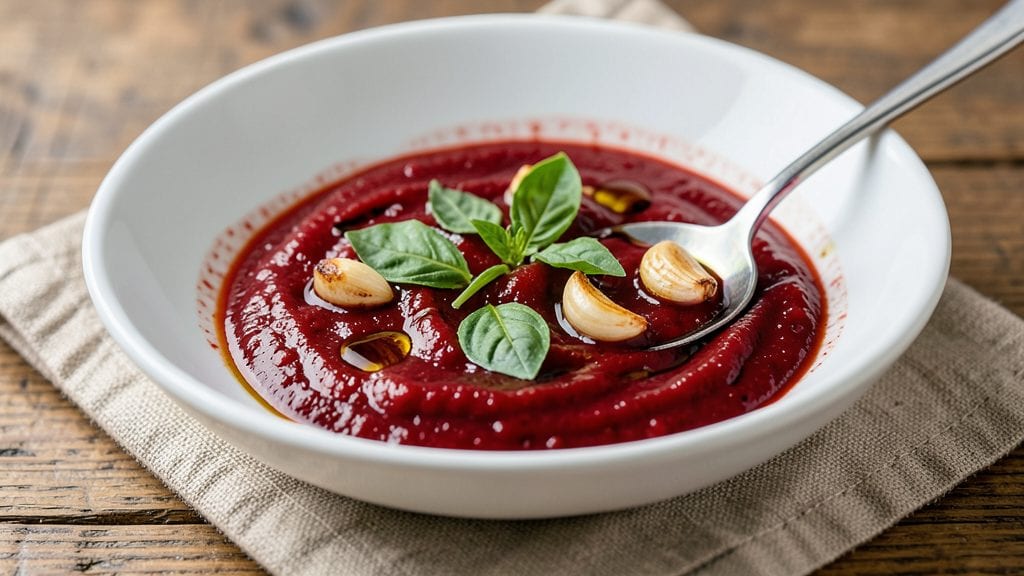
Recreating Carrabba's signature sauce at home delivers that same smoky tomato-basil depth that makes their dishes unforgettable. This isn't just marinara—it's a carefully balanced blend of crushed tomatoes, garlic, and herbs that simmers until it develops that signature restaurant-quality richness.
The secret lies in slow cooking and precise seasoning, which transforms simple ingredients into something truly special.
What sets this sauce apart is its velvety texture and layered flavors—smoky from the tomato paste, bright from fresh basil, and deepened by slow simmering. Unlike many store-bought versions, this recipe builds flavor gradually, ensuring every bite carries that authentic Carrabba's taste.
The process is straightforward, but the patience in simmering makes all the difference.
By the time you're done, you'll have a sauce that's perfect for pasta, meats, or dipping—rich, aromatic, and packed with the same complexity that makes Carrabba's dishes stand out. The key is letting the flavors meld during the simmer, which creates a sauce that's both vibrant and deeply satisfying.
Once you taste the difference, you'll never go back to bottled sauce again. Store it in the fridge for up to five days or freeze for longer shelf life—just thaw gently before using. This is the kind of sauce that elevates any dish to restaurant quality.
Ingredients for carrabba's sauce
Nine ingredients. One slow simmer. Restaurant-quality sauce at home.
| Ingredient | Amount | Notes |
|---|---|---|
| Extra-Virgin Olive Oil 🫒 | ½ cup | High-quality, fruity variety |
| San Marzano Crushed Tomatoes 🍅 | 2 cups | Canned, no salt added |
| Tomato Paste 🍅 | 2 tbsp | Squeeze tube preferred |
| Garlic Cloves 🧄 | 4 cloves | Fresh, minced finely |
| Red Wine 🍷 | ½ cup | Bold, dry variety |
| Fresh Basil Leaves 🌿 | ½ cup | Packed, stems removed |
| Diamond Crystal Kosher Salt 🧂 | 1 tsp | Fine grain preferred |
| Freshly Ground Black Pepper 🌶️ | ½ tsp | Coarsely ground |
| Red Pepper Flakes 🔥 | ¼ tsp | For subtle heat |
| Sugar 🍚 | ½ tsp | Balances acidity |
The tomatoes are non-negotiable—San Marzano makes all the difference with their natural sweetness and low acidity. Trader Joe's carries them in cans, and they're worth the trip if your store doesn't stock them. Fresh basil? Grab a big bunch—you'll want more than you think. I always buy extra because half gets torn over the final sauce. For the red wine, Cabernet Sauvignon or Merlot work best—they add depth without overpowering. The tomato paste can be the squeeze-tube kind from Trader Joe's or a small can; just make sure it's high-quality.
No red wine? Beef broth plus a splash of balsamic vinegar gets you close. Fresh basil wilting? Dried basil at one-third the amount works in a pinch, but it won't be the same. Short on San Marzano? Crushed tomatoes with added sugar (half a teaspoon) helps mimic that sweetness. The sugar in this recipe isn't just for sweetness—it balances the acidity from the tomatoes and wine, so don't skip it. If you're sensitive to heat, reduce the red pepper flakes to a pinch or omit entirely. The sauce will still shine.
This sauce tastes even better the next day as flavors meld. Store it in an airtight container in the fridge for up to 5 days, or freeze for 3 months. I always make extra—it disappears fast. For freezing, portion into ice cube trays, then transfer to a bag. Thaw overnight in the fridge before using. The sauce thickens as it cools, so you can thin it with a splash of water or broth when reheating.
Why You'll Love This Recipe
- One-Pot Magic: I swear by this—just toss everything into one pot, let it simmer, and walk away. No chopping, no measuring cups, no stress. The San Marzano tomatoes and red wine do all the heavy lifting while you sip your coffee.
- Garlic-Wine Kick: That first sip? Chef’s kiss. The crushed tomatoes sweeten over time, the wine deepens the richness, and the garlic—oh, the garlic—roasts until it’s fragrant without burning. It’s the kind of sauce that makes you pause mid-stir and go, “Damn, that’s good.”
- Weeknight to Dinner Party: Make a double batch on Sunday for pasta night, or whip up a single pot when friends drop by unannounced. It’s the same effort either way—just scale the ingredients. My college friends still ask for this when they visit, and honestly? I’m glad they do.
- Budget-Friendly Staple: A jar of San Marzano tomatoes and a bottle of cheap red wine go a long way here. The olive oil and tomato paste are pantry basics, and leftovers? They freeze like a dream for future marinara emergencies. Not the prettiest, but the taste makes up for it every time.
Step-by-step instructions for Carrabba's sauce recipe
Here's how to recreate that signature smoky tomato-basil sauce with restaurant-quality depth.
Bloom the Garlic in Olive Oil
Heat the 0.5 cup extra-virgin olive oil in a medium saucepan over medium-low heat. Add the 4 minced garlic cloves and cook for 2-3 minutes until they're fragrant but not browned. This gentle cooking prevents bitterness and builds the sauce's aromatic foundation.
Watch for the moment when the garlic releases its sweet, pungent aroma—this is your signal to move to the next step. If the oil starts to smoke or the garlic darkens, you've gone too far. Remove the pan from heat immediately if this happens, as burnt garlic will overpower the delicate tomato flavors.
Develop the Tomato Base
Return the pan to medium heat and add the 2 cups San Marzano crushed tomatoes and 2 tablespoons tomato paste. Stir to combine, then bring to a gentle simmer. Let it cook uncovered for 8-10 minutes until the mixture thickens slightly and the raw tomato flavor mellows.
During this time, you'll notice the sauce darken and develop a rich, concentrated aroma. This is where the sauce's depth comes from—allowing the tomatoes to reduce concentrates their natural sweetness and removes excess acidity. Stir occasionally to prevent sticking, but don't over-stir or you'll break the delicate tomato skins.
Infuse with Wine and Seasonings
Pour in the 0.5 cup red wine and scrape up any browned bits from the bottom of the pan with a wooden spoon. These flavorful deposits, called fond, are essential for building depth. Let the wine simmer for 3-4 minutes until it's nearly completely evaporated.
Add the 1 teaspoon Diamond Crystal kosher salt, 0.5 teaspoon freshly ground black pepper, 0.25 teaspoon red pepper flakes, and 0.5 teaspoon sugar. The sugar is crucial here—it balances the acidity of the tomatoes while enhancing their natural sweetness. Stir well to incorporate all seasonings evenly throughout the sauce.
Finish with Fresh Basil
Remove the pan from heat and stir in the 0.5 cup fresh basil leaves. Let the sauce sit off the heat for 5 minutes to allow the basil to infuse completely. This step is what gives Carrabba's sauce its signature fresh, aromatic quality.
For best results, use a high-quality basil that's been packed tightly in the cup measurement. The leaves should be vibrant green and free from brown spots. If you're concerned about bitterness, you can gently press the basil against the side of the pan with a spoon to release its oils without chopping it.
Adjust Consistency and Serve
Return the sauce to low heat and let it simmer gently for an additional 5 minutes. Taste and adjust seasoning if needed—you may need a touch more salt or sugar to balance the flavors. The sauce should be thick enough to coat the back of a spoon but still have a velvety texture.
If the sauce is too thick, thin it with a splash of water or pasta water. If it's too thin, simmer it uncovered for another 2-3 minutes to reduce. Serve immediately over your favorite pasta or use as a marinade for grilled meats. The sauce will continue to develop flavor as it sits, so don't be afraid to let it rest for 10-15 minutes before serving to allow all the components to meld together perfectly.
Pro Tips For Making Carrabba'S Sauce
- Bloom the Garlic: Sauté those minced cloves in olive oil over medium-low heat until they’re golden—not browned, not raw. I learned this the hard way: burning garlic turns your sauce bitter, and no one wants that. Keep the heat steady, and stir often.
- Deglaze with Wine: Pour that red wine in right after the garlic hits aroma—don’t wait. The alcohol will evaporate faster, and you’ll pull up more flavorful browned bits from the pan. Skip this step, and your sauce tastes flat.
- Crush Tomatoes First: Dump the San Marzano tomatoes into a bowl and mash them with your hands before adding to the pot. This breaks down the skins and seeds, giving you a smoother, more consistent texture. (Yes, it’s a pain, but the result is worth it.)
- Simmer, Don’t Boil: Once everything’s combined, reduce to a gentle simmer—tiny bubbles, not a rolling boil. Too much heat ruins the wine’s depth and makes the sauce taste harsh. Cover it and let it work for at least 20 minutes. (Patience pays off.)
Regional styles of these flavors
Carrabba's Florida Roots
This sauce reflects Carrabba's origins in South Florida, where Italian immigrants blended regional flavors with local ingredients. The bold red wine and fresh basil nod to Sicilian traditions, while the smoky depth comes from slow-cooked tomatoes—a technique inspired by Florida's long, sunny summers.
Carrabba's first location in Orlando (1994) emphasized rustic, hearty dishes, and this sauce became their signature for its ability to elevate simple pasta into something memorable. 🗺️
The original recipe was developed by chef Tony Carrabba, who focused on authentic Italian techniques with a Southern twist. He emphasized fresh, high-quality ingredients—like San Marzano tomatoes—which were harder to find in Florida at the time.
The sauce's balanced sweetness and acidity reflect the state's citrus-rich environment, where tomatoes thrive in the warm climate. This version stays true to those roots while adapting for home cooks. 🍊
Texas-Style Adaptation
In Texas locations, Carrabba's sauce often gets a slightly smokier twist to complement grilled meats and BBQ-inspired dishes. Add ½ teaspoon smoked paprika to the tomato base for a deeper, charred flavor.
Texans also love using this sauce as a dipping sauce for fried chicken or brisket, so thicken it slightly more by simmering uncovered for an extra 5 minutes. The heat and humidity in Texas make this sauce a perfect match for bold, hearty fare. 🔥
For a true Texas Carrabba's experience, serve the sauce with grilled sausage or fried shrimp. The red pepper flakes in the recipe already provide a kick, but you can boost it further with ½ teaspoon cayenne pepper if you love heat.
This adaptation keeps the sauce's tomato-basil foundation while adding a smoky, spicy edge that Texans crave. 🌶️
New York City's Urban Twist
In New York City, where Carrabba's first expanded, the sauce became a staple for busy urban diners who wanted restaurant-quality flavor at home.
The key here is speed without sacrificing depth—use a stainless steel saucepan for even heat distribution and reduce the simmer time slightly to 15 minutes total to accommodate faster cooking in city kitchens.
NYC chefs often finish the sauce with a drizzle of high-quality balsamic glaze for extra richness. 🏙️
For a New York touch, stir in 1 tablespoon chopped sun-dried tomatoes at the end for a briny, concentrated burst of flavor. This works especially well with pasta dishes like spaghetti or linguine, where the sauce can cling to the strands.
The city's fast pace means this sauce is often prepped in large batches—double the recipe and freeze half for quick weeknight meals. The sauce's versatility makes it a go-to for everything from garlic bread to meatball subs.
California Fusion Approach
On the West Coast, Carrabba's sauce gets a lighter, fresher twist to pair with California's farm-to-table ethos. Swap the red wine for white wine (like Pinot Grigio) to brighten the sauce and balance the richness.
Add ½ cup chopped cilantro along with the basil for a herbaceous, almost Mexican-inspired flavor profile. This version works beautifully with grilled fish or vegetable-based pasta dishes. 🌿
For a California Carrabba's, also incorporate 1 teaspoon lime zest into the sauce for a citrusy lift that cuts through the tomato's acidity. The sauce becomes a bridge between Italian and Mexican flavors, making it perfect for taco nights or seafood feasts.
The West Coast's emphasis on fresh, local ingredients means you can even use heirloom tomatoes if available, though San Marzano still delivers the most consistent results. This fusion keeps the sauce's signature depth while making it feel fresh and modern. 🍋
Nutrition facts
Frequently asked questions
What makes this sauce different from regular marinara?
This recipe goes beyond basic marinara by using San Marzano tomatoes and a slow simmering technique that develops deep, layered flavors. The addition of red wine and fresh basil at the end creates that signature Carrabba's aroma, while the sugar balances acidity for a smoother finish. It's richer, more complex, and built for restaurant-quality dishes.
Can I substitute any ingredients if I don't have them?
For red wine, use beef broth + 1 tbsp balsamic vinegar. No fresh basil? Try 1 tbsp dried basil (but fresh is best). For San Marzano tomatoes, add ½ tsp extra sugar to regular crushed tomatoes. The sauce will still taste amazing—just slightly different.
How do I know when the sauce is ready?
The sauce is done when it coats the back of a spoon smoothly and smells deeply aromatic. Look for 8-10 minutes of simmering after adding tomatoes, with the mixture reduced by about 25%. Taste it—it should be balanced with sweetness, acidity, and herbal notes. If it's too thin, simmer uncovered for 2-3 more minutes.
Can I make this sauce ahead of time?
Yes! This sauce tastes even better the next day as flavors meld. Store it in an airtight container in the fridge for up to 5 days or freeze for 3 months. For freezing, portion into ice cube trays first, then transfer to a bag. Thaw overnight in the fridge—never microwave directly from frozen.
What's the best way to use leftover sauce?
This versatile sauce works on pasta, grilled meats, or as a dip. For extra richness, simmer with 1 tbsp butter before serving. It also makes a fantastic marinade for chicken or shrimp. If it thickens too much when reheating, thin with pasta water or broth. The possibilities are endless!