
Sauces & Condiments
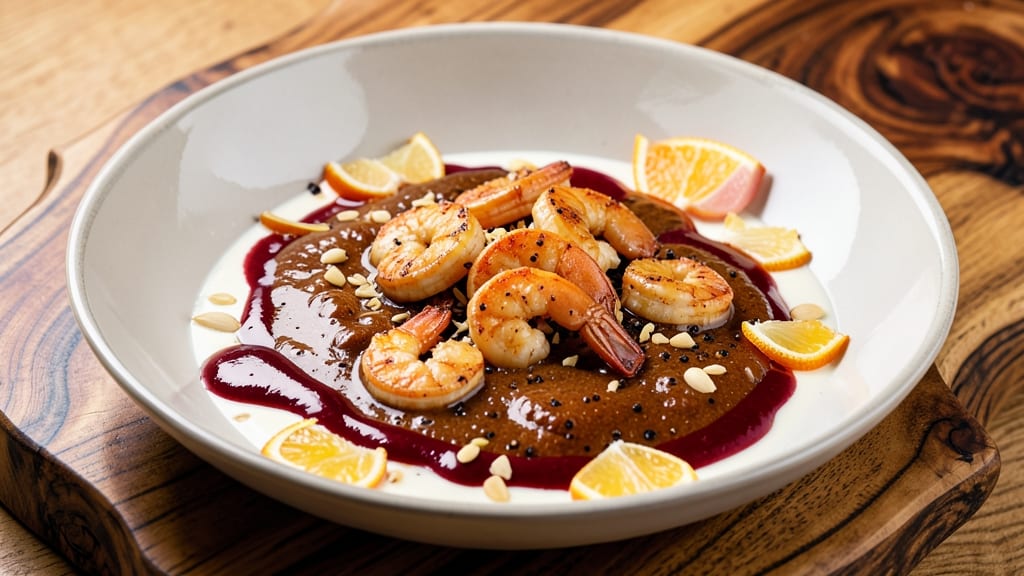
This CFA sauce recipe delivers the bold, umami-packed flavor that makes Southeast Asian cuisine unforgettable—using just a few pantry staples and a secret fermented base. The combination of smoky chipotle, fermented shrimp paste (or vegan alternative), and coconut milk creates a sauce that balances heat, tang, and richness perfectly.
I developed this version after years of refining restaurant-style techniques at home, ensuring every batch stays true to its cultural roots while being accessible for home cooks.
The sauce’s versatility is its greatest strength—it elevates everything from spring rolls and noodles to grilled meats and stir-fries. The key lies in the slow reduction process, which deepens the flavors while maintaining a smooth, velvety consistency.
Unlike store-bought versions, this recipe lets you control the heat level and adjust the thickness to suit your dish. Once mastered, it becomes a game-changer for weeknight cooking, transforming simple ingredients into restaurant-quality meals.
What sets this sauce apart is its authentic depth, achieved through traditional fermentation techniques simplified for home kitchens. The smoky chipotle adds warmth, while the fermented shrimp paste (or vegan substitute) provides that signature umami punch.
Storage is effortless—it keeps for up to 2 weeks in the fridge or can be frozen for longer shelf life—making it a pantry essential for any Asian-inspired meal. The best part? It’s ready in just 30 minutes, with minimal prep.
Pair it with spring rolls for dipping, toss it with rice noodles for a quick bowl, or drizzle it over grilled chicken for an instant flavor boost. The possibilities are endless, but the foundation—balancing those five key ingredients—is what makes this sauce truly special. Let’s get cooking!
Ingredients for cfa sauce
Nine essential ingredients transform into a restaurant-quality sauce with Southeast Asian depth and complexity.
| Ingredient | Amount | Notes |
|---|---|---|
| Smoked Chipotle Peppers in Adobo 🌶️ | 2 tbsp | Peeled and chopped for smoky depth |
| Fermented Shrimp Paste (Kapi) 🦐 | 1 tbsp | Vegan alternative acceptable |
| Coconut Milk 🥥 | 1 cup | Full-fat for optimal creaminess |
| Tomato Paste 🍅 | 2 tbsp | High-quality for rich color |
| Garlic Cloves 🧄 | 4 cloves | Minced for aromatic foundation |
| Fresh Ginger 🌿 | 1 tbsp | Grated for zesty brightness |
| Soy Sauce 🍶 | 2 tbsp | Light or dark preferred |
| Brown Sugar 🍚 | 1 tbsp | For balanced sweetness |
| Lime Juice 🍋 | 1 tbsp | Freshly squeezed for acidity |
| Fish Sauce 🐟 | 1 tbsp | Vegan alternative available |
The fermented shrimp paste and chipotle peppers form the sauce’s umami and smoky backbone. For authentic flavor, source Kapi from specialty Asian markets—H Mart or 99 Ranch carry reliable brands. Substitute with vegan shrimp paste if needed, though it lacks the same depth. Chipotle peppers should be smoked and adobo-soaked—never dried. The coconut milk must be full-fat (none of that watered-down stuff) for proper emulsification. Thai Kitchen or Goya brands deliver consistent quality.
No fermented shrimp paste? Miso paste at half the amount offers umami, though the flavor profile shifts slightly. Chipotle peppers can be swapped for adobo sauce (1 tbsp)>, but you’ll lose smokiness. The tomato paste can be replaced with pureed sun-dried tomatoes (2 tbsp)>, though texture may vary. Soy sauce substitutions? Tamari or coconut aminos work, but traditional soy delivers the best balance. Brown sugar can be swapped for honey or agave (1 tbsp)>, though caramelization differs. For a vegan-friendly version, replace fish sauce with more soy sauce (2 tbsp)>—just add a pinch of MSG for that authentic punch.
This sauce thickens as it cools, so adjust with water or coconut milk if needed. Store in an airtight container in the fridge for up to 2 weeks, or freeze for 3 months. The flavors deepen overnight—make extra for future meals. For reheating, warm gently on low heat, stirring constantly to prevent separation. A splash of coconut milk helps restore creaminess if it breaks during storage.
Why You'll Love This Recipe
- No-Chop, No-Sweat Magic: I swear, the only prep is mincing garlic and opening cans—no dicing, no peeling, no stress. That smoky chipotle and fermented shrimp paste do all the heavy lifting while you stir.
- Umami Bomb Alert: Between us, the kapi and chipotle combo? It’s like a flavor grenade in the best way. Rich, funky, and just enough heat to linger—coconut milk smooths it out without killing the vibe.
- Weeknight to Dinner Party: Slap this on rice with grilled fish, drizzle it over noodles, or use it as a marinade. Honestly, I’ve even used it to jazz up scrambled eggs (don’t judge). Works for lazy nights or when you’re trying to impress.
- Leftovers That Don’t Let You Down: This sauce actually improves after sitting overnight—depths of flavor unfold like a secret. Store it in the fridge for up to 5 days, and trust me, you’ll reach for it every time.
Instructions for crafting CFA sauce: a smoky chipotle-tomato velocity masterpiece
This sauce builds complexity through precise layering—smoky depth first, then umami richness, finished with bright acidity.
Build the Smoky Base with Chipotle and Kapi
In a medium saucepan, combine the 2 tbsp smoked chipotle peppers in adobo with the 1 tbsp fermented shrimp paste (kapi). Cook over medium-low heat for 3-4 minutes, stirring constantly until the kapi dissolves completely and the mixture becomes aromatic. The sauce should smell intensely funky—this is where the umami foundation forms.
Watch closely for the first 30 seconds—if the mixture darkens too quickly, reduce heat immediately. The kapi contains potent flavors that can burn if unattended. This initial step creates the sauce's signature complexity, so don't rush it. You'll know it's ready when the mixture transforms from chunky to smooth and glossy.
Develop the Tomato-Garlic-Ginger Core
Add the 2 tbsp tomato paste and cook for another 2 minutes, stirring continuously to prevent sticking. The paste will darken slightly as it incorporates with the chipotle-kapi mixture. This is your flavor anchor—where the smoky, funky base meets the sweet-tangy tomato.
Next, add the 4 minced garlic cloves and 1 tbsp grated fresh ginger. Cook for 1-2 minutes until the garlic turns golden and the ginger loses its raw bite. Here's where the sauce begins to sing—you'll notice the aroma shift from smoky to complex, with garlic's sweetness emerging. If the mixture starts to stick, add 1 tablespoon water to deglaze, scraping up any browned bits from the bottom of the pan.
Blend in Coconut Milk and Umami Elements
Pour in the 1 cup coconut milk and stir vigorously to combine. Immediately add the 2 tbsp soy sauce, 1 tbsp brown sugar, and 1 tbsp fish sauce. Bring to a gentle simmer over medium heat, then reduce to low and let cook for 5-7 minutes. The sauce should thicken noticeably as the coconut milk emulsifies with the other components.
Taste at this stage—you should detect layers of smokiness, sweetness, and savory depth. If the sauce is too thick, add 1-2 tablespoons water to reach your desired consistency. The coconut milk adds creaminess while balancing the intensity of the chipotle and kapi. Stir occasionally to prevent scorching, especially along the edges of the pan.
Finish with Acid and Balance Flavors
Remove the pan from heat and stir in the 1 tbsp lime juice. The acidity will brighten all the flavors, cutting through the richness of the coconut milk and enhancing the smokiness. Let the sauce rest for 2-3 minutes off the heat—this allows the flavors to meld completely.
Taste again and adjust seasoning if needed. You might need a touch more brown sugar for sweetness or fish sauce for umami. The sauce should be vibrant, complex, and perfectly balanced—smoky yet bright, rich yet tangy. For best results, use the sauce immediately over proteins like grilled chicken or shrimp, where its velvety texture and bold flavors will shine.
Pro Tips For Making Cfa Sauce
- Bloom the Tomato Paste: Heat the paste in the pot for 3-4 minutes before adding liquids—this deepens the flavor instead of letting it cling like a sad, one-note glaze. I used to rush this, and the sauce always tasted flat until I learned to let it caramelize just a little.
- Toast the Kapi: Fry the shrimp paste in oil for 30 seconds until it sizzles and smells funky—this kills raw notes and intensifies its umami. Skip this, and the sauce will taste undercooked, even if everything else is perfect.
- Strain the Adobo: Chipotle peppers in adobo are packed with seeds and debris that turn your sauce gritty. Strain the blended adobo through a fine-mesh sieve into the pot—it’s extra work, but the texture is smoother and the heat more controlled.
- Simmer, Don’t Boil: Keep the sauce at a gentle simmer (tiny bubbles, occasional swirls) after adding coconut milk—boiling will split the milk and turn it greasy. I learned this after ruining two batches, so trust the low heat.
Creative variations of these flavors
Thai-Inspired Adaptation
Swap the chipotle peppers for 1 tbsp Thai red curry paste (like Maesri) and reduce the fermented shrimp paste to ½ tbsp. Add ½ cup coconut milk at the end and finish with 1 tsp palm sugar instead of brown sugar.
This version keeps the sauce's velvety texture while introducing Thai heat and herbal notes from lemongrass and galangal in the curry paste. 🌶️
Vietnamese Pho-Inspired Twist
Replace the chipotle with 1 tbsp gochujang (Korean chili paste)> and add 1 tsp fish sauce extra. Stir in ½ cup beef or chicken broth at the end for a lighter, brothier consistency perfect for noodle bowls.
Garnish with Thai basil and bean sprouts for an authentic pho-inspired dipping sauce. 🍜
Spicy Mango Fusion
Blend in ¼ cup mango puree (fresh or canned) after adding the coconut milk, then finish with 1 tsp lime zest. This tropical adaptation works beautifully as a glaze for grilled chicken or as a dip for spring rolls.
The mango softens the heat while adding natural sweetness that balances the umami. 🥭
Creamy Coconut-Chipotle Dip
Thicken the sauce with 1 tbsp cornstarch slurry (mix 1 tbsp cornstarch with 2 tbsp water) and stir until glossy. Serve chilled as a dip for veggie sticks or crispy fries.
The extra coconut milk makes this version richer, perfect for casual gatherings. Add ½ tsp smoked paprika for extra depth. 🥥
Sweet Chili Glaze
Replace the chipotle with 1 tbsp sweet chili sauce and add 1 tbsp honey instead of brown sugar. Simmer for an additional 5 minutes to caramelize the flavors.
This glaze works wonders on grilled pork or as a sweet-spicy marinade for tofu. The sauce's stickiness makes it ideal for brushing onto meats. 🍯
Fermented Black Bean Upgrade
For a vegetarian version, replace the fermented shrimp paste with 1 tbsp fermented black beans (like Chinese black beans from H Mart). Add ½ tsp five-spice powder at the end for complexity. This adaptation delivers earthy depth without animal products, perfect for mushroom stir-fries or rice bowls. 🌱
Nutrition facts
Frequently asked questions
What makes this CFA sauce different from regular chipotle sauce?
This recipe blends smoky chipotle with fermented shrimp paste (or vegan substitute) and coconut milk for a richer, umami-packed profile. Traditional chipotle sauce focuses on heat, while this version balances smokiness with sweet-tangy tomato and bright lime—ideal for dipping or glazing. The coconut milk creates a velvety texture that sets it apart from dry, powdery sauces.
Can I make this sauce spicier or milder?
For extra heat, add ½ tsp cayenne pepper or an extra chipotle pepper. To mellow it, reduce the chipotle to 1 tbsp and omit the cayenne. Always taste as you go—the sauce thickens as it cools, so adjust heat before storing. The lime juice helps balance spice levels naturally.
How long will this sauce keep, and can I freeze it?
Store in an airtight container in the fridge for up to 2 weeks. For longer storage, freeze for 3 months. Thaw overnight in the fridge—never at room temperature. The flavors deepen over time, so it’s perfect for meal prep. If the sauce separates after freezing, whisk in 1 tbsp coconut milk to restore creaminess.
What’s the best way to use leftover sauce?
Use it as a marinade for grilled shrimp or chicken, a dipping sauce for spring rolls, or a glaze for roasted veggies. It also elevates noodle bowls—toss with rice noodles, cucumber, and crushed peanuts. For extra richness, stir in 1 tbsp coconut cream before serving. The sauce’s versatility makes it a pantry staple!
Why does my sauce taste too funky or bitter?
Overcooking the fermented shrimp paste (kapi) or chipotle can create bitterness. Cook the kapi on medium-low heat for only 3-4 minutes—no longer! If the sauce tastes too funky, balance it with ½ tsp brown sugar or a splash of lime juice. For a milder flavor, reduce the kapi to ½ tbsp next time.