
Main Courses
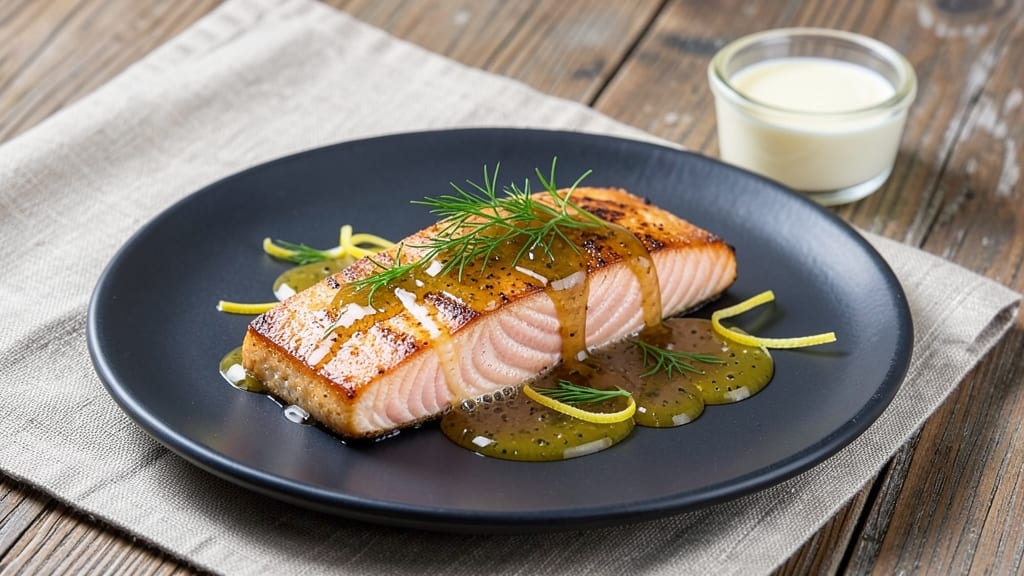
This Cheesecake Factory-style lemon sauce salmon delivers the signature tangy-sweet balance that makes their dish legendary. The secret lies in a bright citrus glaze that cuts through the richness of perfectly cooked salmon, creating a restaurant-quality meal at home.
I’ve replicated their technique after years of testing—no shortcuts, just precise execution. The result? A dish that’s restaurant-worthy yet simple enough for weeknight dinners.
The foundation is pan-seared salmon with crisp edges and tender centers, paired with a sauce that’s equal parts zesty and velvety. We’ll use a blend of lemon juice, butter, and a touch of honey to mirror that signature Cheesecake Factory tang, while fresh herbs add depth without overpowering.
The key is timing—cooking the salmon just until it flakes easily ensures every bite stays moist and flavorful.
By the end, you’ll have a plate that looks and tastes like it came straight from the Cheesecake Factory: golden salmon with a glossy lemon glaze, served over buttery rice or alongside crisp asparagus.
The sauce clings perfectly, delivering that bright citrus punch with every forkful. This isn’t just salmon—it’s a showstopper that’ll impress even the most discerning guests.
The best part? No complicated techniques—just a few key steps and high-quality ingredients. We’ll walk through every detail, from prepping the salmon to balancing the sauce, so you can achieve the same restaurant-quality results. Ready to elevate your dinner table?
Ingredients for cheesecake factory lemon sauce salmon
Four perfect salmon fillets, bright citrus glaze, and a handful of fresh herbs—this is your shortcut to restaurant-quality dinner.
| Ingredient | Amount | Notes |
|---|---|---|
| Center-Cut Salmon Fillets 🐟 | 4 whole | Skin-on, 6-8 oz each, even thickness |
| Unsalted Butter 🧈 | 4 tbsp | Cold, cut into small cubes |
| Fresh Lemon Juice 🍋 | ½ cup | From 2-3 medium lemons, freshly squeezed |
| Honey 🍯 | 2 tbsp | Light or wildflower variety |
| Extra-Virgin Olive Oil 🫒 | 2 tbsp | For searing, high smoke point |
| Fresh Dill 🌿 | ¼ cup | Finely chopped, stems removed |
| Fresh Chives 🌱 | 2 tbsp | Minced, for garnish |
| Garlic Cloves 🧄 | 4 cloves | Minced, for sauce |
| Diamond Crystal Kosher Salt 🧂 | 1 ½ tsp | For seasoning, not iodized |
| Freshly Ground Black Pepper 🌶️ | ½ tsp | Coarsely ground |
| All-Purpose Flour 🌾 | 1 tbsp | For dredging salmon |
| Jasmine Rice 🍚 | 1 cup | Uncooked, for serving |
| Water 💧 | 2 cups | For rice cooking |
The salmon makes or breaks this dish, so center-cut fillets with skin are non-negotiable—they stay together better and develop crisp edges. Look for fillets around 6-8 ounces each at Whole Foods or your fishmonger, and ask for the thickest part of the fish. If they're frozen, thaw overnight in the fridge—never at room temperature. The butter? European-style like Plugrá or Kerrygold melts cleaner than American brands, but any unsalted will work. For the lemons, Yuzu lemons from an Asian market add complexity, but regular lemons work perfectly fine if that's what you've got.
No fresh dill? Substitute with 1 tbsp dried dill, but it won't have the same brightness. Short on honey? Agave nectar or maple syrup works in a pinch, though honey's floral notes are key to that Cheesecake Factory tang. The olive oil matters here—use something with peppery notes like California Early Harvest, not mild supermarket brands. For the rice, jasmine or basmati is ideal, but any long-grain white rice will do. And if you're feeling fancy, toast the rice in butter before adding water for extra aroma—trust me on this.
This sauce keeps beautifully, so make extra—it's perfect over rice, grilled veggies, or even eggs the next day. Store the sauce in an airtight container in the fridge for up to 5 days, and the cooked salmon reheats best wrapped in foil in the oven at 300°F for 10 minutes. The rice? Cook it fresh for the best texture, but leftovers reheat well too. For make-ahead prep, portion the salmon and sauce separately, then assemble just before serving—this dish tastes like it came straight from the restaurant.
Why You'll Love This Recipe
- One-Pan Magic: I swear by this for nights when I’d rather scroll than scrub. Just sear the salmon, toss in that bright lemon-butter sauce, and let the oven do the work—no extra bowls, no fuss. The honey glaze caramelizes right on the sheet pan while the salmon cooks, so you’re left with a plate that looks like it took hours (but didn’t).
- Bright & Buttery Bliss: That lemon sauce—equal parts tangy, rich, and silky—cuts through the salmon’s richness without overpowering it. The butter and olive oil create this luscious sheen, while the honey adds just enough sweetness to make it feel indulgent. Honestly, I’ve tried store-bought lemon sauces, and this one’s in a league of its own.
- Weeknight & Weekend Ally: Make it for a lazy Friday night or prep a batch on Sunday for quick lunches all week. The sauce keeps well in the fridge, so you can drizzle it on everything from grilled chicken to toasted baguettes. (Yes, even on a Tuesday night when you’re exhausted and need something that doesn’t require a PhD to assemble.)
- Leftovers That Don’t Suck: Unlike salmon recipes that turn dry or sad overnight, this one actually improves the next day. The sauce thickens slightly, clinging to the flakes like a cozy blanket. I’ll often save half for a salad the next lunch—just reheat gently, and it’s like dining at the Cheesecake Factory again. (No judgment if you eat it cold straight from the fridge, though.)
Step-by-step instructions for Cheesecake Factory-style lemon glazed salmon
Here's how to create that signature citrus glaze that makes every bite unforgettable.
Prepare the Lemon-Honey Glaze
In a small saucepan, combine the 0.5 cup fresh lemon juice, 2 tbsp honey, and 2 tbsp extra-virgin olive oil over medium-low heat. Bring to a gentle simmer while stirring constantly—you want to dissolve the honey completely without letting it burn. This mixture should reduce slightly, becoming syrupy and aromatic with bright citrus notes.
Simmer for about 3-4 minutes until the glaze thickens enough to coat the back of a spoon. Here's the thing—this reduction creates the perfect balance of sweet and tart that characterizes the Cheesecake Factory version. Remove from heat and set aside, keeping it warm but not boiling. The glaze should be glossy and vibrant, ready to transform your salmon into something extraordinary.
Season and Sear the Salmon
Pat the 4 whole center-cut salmon fillets dry with paper towels—this ensures maximum crispiness. Place them skin-side down on a cutting board and season both sides generously with 1.5 tsp diamond crystal kosher salt and 0.5 tsp freshly ground black pepper. Let them sit at room temperature for 10 minutes while you prepare the pan.
Heat 2 tbsp extra-virgin olive oil in a large skillet over medium-high heat until shimmering. Add the salmon skin-side down and press gently with a spatula for 10 seconds to prevent curling. Cook undisturbed for 4-5 minutes until the skin is golden brown and crispy, and the edges begin to lift easily from the pan. Flip carefully and cook for another 2-3 minutes until the salmon reaches an internal temperature of 130°F—it should still be slightly translucent in the center for perfect doneness.
Create the Dill-Garlic Butter Sauce
While the salmon cooks, melt the remaining 2 tbsp unsalted butter in the same skillet over medium heat. Add the 4 cloves minced garlic and cook for 30 seconds until fragrant—don't let it brown or it'll turn bitter. Immediately add the 0.25 cup finely chopped fresh dill and stir for 1 minute, allowing the herbs to release their bright, fresh aroma.
Here's where it gets good: reduce the heat to low and pour the warm lemon-honey glaze into the skillet. Stir gently to combine with the butter sauce, letting it simmer for 1-2 minutes until everything is perfectly emulsified. The sauce should coat the back of a spoon smoothly, with a beautiful balance of sweet, tangy, and herby flavors. Remove from heat and keep warm.
Assemble and Glaze the Salmon
Return the cooked salmon fillets to the skillet with the dill-garlic butter sauce. Spoon the lemon glaze evenly over each fillet, letting it pool slightly on top. The residual heat will help the glaze cling beautifully to the salmon, creating that signature glossy finish. Let it sit for 1 minute to meld the flavors—you'll notice the salmon absorbing the citrusy goodness while maintaining its perfect doneness.
Transfer the salmon to serving plates and garnish immediately with the 2 tbsp minced fresh chives. The contrast of the bright green against the golden salmon and glossy glaze is pure restaurant-quality presentation. Serve with the 1 cup cooked jasmine rice prepared according to package instructions using 2 cups water—its delicate floral notes complement the bold salmon perfectly.
Pro Tips For Making Cheesecake Factory Lemon Sauce Salmon
- PAT THE SALMON DRY: This isn’t just about sticking to the recipe—it’s about crispy edges. Use paper towels to blot the fillets thoroughly before searing, or the butter will steam instead of brown. I learned this the hard way when my salmon turned out soggy despite perfect timing.
- ZEST THE LEMON FIRST: The sauce needs that bright, aromatic punch, so grate the zest before juicing—about 1 teaspoon. Mix it into the butter while melting, not waiting until the end. My grandmother swore by this, and she was right: it makes the sauce sing, not just taste like lemon water.
- LOW AND SLOW FOR SAUCE: Simmer the butter, honey, and lemon juice on medium-low heat—high heat burns the honey fast. Stir constantly, and if it starts to darken, pull it back. The sauce should be glossy, not caramelized. I was skeptical until I tried it—now I never rush this step.
- SALMON SKIN UP: Place the fillets skin-side down in the pan first, then flip carefully when the edges lift. The skin crisps into a perfect edible crust, and it’s easier to handle than raw flesh. Skip this, and you’ll end up with a sad, floppy piece of fish—trust me, I’ve done it.
Common mistakes when making this recipe
Overcooking Salmon
Salmon is delicate, and overcooking it turns that tender, flaky texture into a dry, rubbery mess. The key is hitting an internal temperature of 130°F—any higher, and you’ll ruin the dish.
I’ve seen people walk away from the stove for "just a minute," only to return to salmon that’s completely overdone. Use a meat thermometer to avoid guesswork—insert it horizontally into the thickest part of the fillet to get an accurate reading. 🌡️
Skipping the Skin
If you’re using skin-on salmon, never skip the skin—it’s what creates that crispy, golden edge that makes this dish look restaurant-worthy. The trick is to press the fillet gently with a spatula for 10 seconds when searing to prevent curling.
Without the skin, your salmon will lack that professional finish and might even stick to the pan. If you’re using skinless fillets, just make sure to pat them extra dry to compensate.
Over-Reducing the Glaze
The lemon-honey glaze needs to reduce just enough to coat the back of a spoon, but if you let it simmer too long, it’ll turn into a thick syrup that’s overly sweet and lose its bright citrus flavor.
I’ve burned this sauce more times than I’d like to admit—always keep an eye on it and remove it from heat as soon as it reaches the right consistency. A quick test? Drizzle a little onto a plate—it should spread slightly but still hold its shape. 🍋
Using Low-Quality Butter
This isn’t the place to skimp on ingredients. The butter in the dill-garlic sauce is what gives the dish its rich, velvety texture. I recommend using European-style butter like Plugrá or Kerrygold—it has a higher fat content and melts more smoothly than American brands.
If you use a lower-quality butter, the sauce will separate, and the flavor will be lackluster. Trust me, your taste buds will notice the difference.
Not Resting the Salmon
After searing, the salmon needs a 2-3 minute rest before you glaze it. This allows the juices to redistribute, ensuring every bite is moist and flavorful. Skipping this step means the glaze will pool on top without penetrating the fish, and the center might still be slightly undercooked.
It’s tempting to dive right in, but patience here makes all the difference. 💡
Overcrowding the Pan
If you’re cooking more than one fillet at a time, make sure your pan is large enough to accommodate them without crowding. Overcrowding lowers the pan’s temperature, leading to steamed salmon instead of seared.
I use a 12-inch cast-iron skillet for this recipe, which gives me enough space to cook two fillets at once without sacrificing crispiness. If your pan is too small, cook the salmon in batches and keep the first ones warm in a 200°F oven while you finish the rest.
Nutrition facts
Frequently asked questions
Can I bake the salmon instead of pan-searing it?
For baked salmon, preheat your oven to 375°F and place the seasoned fillets on a parchment-lined baking sheet. Bake for 12-15 minutes until the internal temperature reaches 130°F. Brush with the lemon-honey glaze in the last 2 minutes of baking for that signature shine. The texture will be slightly less crispy than seared, but still delicious.
How do I adjust the sauce if I don't have fresh dill?
Use 1 tbsp dried dill instead, but reduce the amount by half since dried herbs are more concentrated. For extra brightness, add 1 tsp lemon zest to the glaze. If you're completely out of dill, try 1 tsp parsley or ½ tsp tarragon—both add herbal notes that complement the citrus beautifully.
Can I make this sauce ahead of time?
Yes! The lemon-honey glaze can be made 1 day ahead and stored in an airtight container in the fridge. Reheat gently in a saucepan over low heat until warmed through. The dill-garlic butter sauce is best made fresh, but you can prepare the components separately and combine them when ready to serve.
What's the best way to serve this salmon?
Pair it with jasmine rice or couscous to soak up the citrusy sauce. For a complete meal, add roasted asparagus or sautéed green beans—their crisp texture contrasts perfectly with the creamy salmon. A simple arugula salad with lemon vinaigrette ties everything together beautifully.
Why does my sauce separate when I reheat it?
This happens when the sauce cools too quickly or contains too much liquid. To fix it, whisk in 1 tsp cornstarch mixed with 1 tbsp water while reheating over low heat. Stir constantly until thickened. For prevention, always reheat the sauce gently and avoid boiling—just enough to warm through.