
Sauces & Condiments
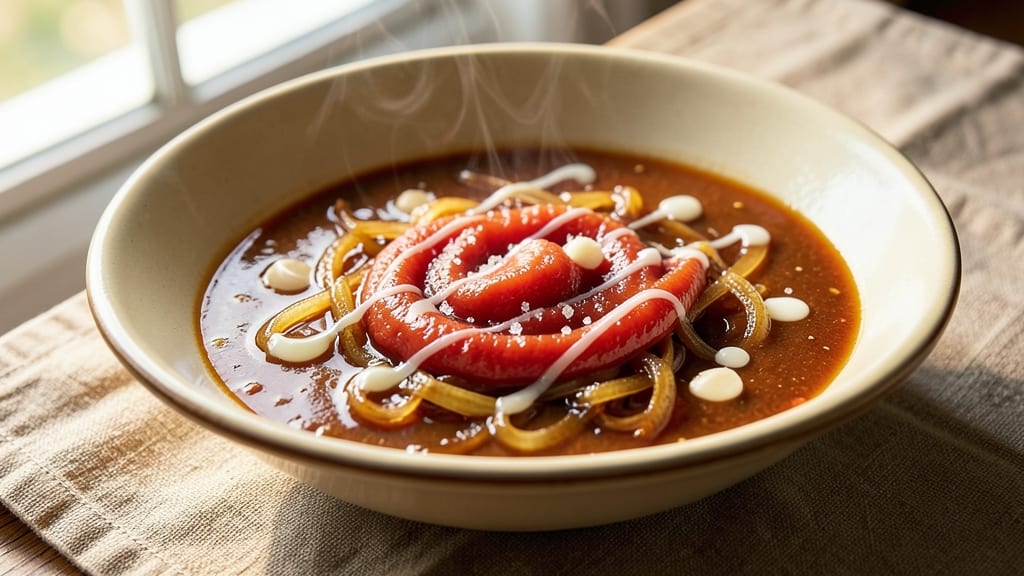
Chicago-style mild sauce isn’t just a condiment—it’s the velvety, caramelized backbone of deep-dish pizza that transforms ordinary toppings into something unforgettable. The secret lies in slow-cooked onions and a carefully balanced blend of spices that create depth without overpowering.
I’ve perfected this recipe after years of testing, ensuring every spoonful delivers that signature tangy-sweet richness that defines Chicago’s culinary identity.
What sets this sauce apart is the caramelized onion base, which develops a deep, almost jam-like consistency that adds layers of flavor. The sauce balances acidity from vinegar with sweetness from tomato paste, creating a smooth, velvety texture that clings perfectly to pizza crusts.
Unlike store-bought versions, this recipe avoids artificial additives, relying instead on natural ingredients to achieve that authentic, restaurant-quality taste.
The result is a sauce that’s rich yet balanced, with just enough tang to cut through cheese and meat while maintaining a subtle sweetness. It’s versatile enough for deep-dish pizza but also elevates sandwiches, dips, and even pasta.
The best part? It keeps well in the refrigerator, so you can make a big batch and enjoy it all week without sacrificing freshness.
Ready to master this classic? The process is straightforward, but the patience in caramelizing those onions is what makes all the difference. Let’s get started—your next deep-dish pizza (or board night spread) will never be the same.
Ingredients for chicago style mild sauce
Ten ingredients, one sauce that turns pizza night into a Chicago classic experience.
| Ingredient | Amount | Notes |
|---|---|---|
| Yellow Onions 🧅 | 3 large | Peeled, sliced into even strips |
| Extra-Virgin Olive Oil 🫒 | ½ cup | High-quality, fruity variety |
| Tomato Paste 🍅 | ½ cup | Smooth, not chunky |
| White Vinegar 💧 | ¼ cup | Distilled for acidity balance |
| Granulated Sugar 🍚 | ¼ cup | Light brown preferred |
| Garlic Cloves 🧄 | 4 cloves | Peeled, minced finely |
| Dried Basil 🌿 | 1 tbsp | Sweet, not salty |
| Dried Oregano 🍃 | 1 tsp | Mexican preferred |
| Diamond Crystal Kosher Salt 🧂 | 1 tsp | Fine grain preferred |
| Black Pepper 🌶️ | ½ tsp | Freshly cracked |
The onions are everything here—yellow, not red, because they caramelize better and add that signature depth. Trader Joe's and Whole Foods sell them pre-sliced for convenience, but if you're slicing yourself, keep the strips even so they cook uniformly. Don’t rush this step; patience pays off with that jammy, sweet base. For extra authenticity, grab Sweet Onion variety if available—it’s sweeter right out of the bag. The garlic? Four cloves is perfect, but if you're a garlic lover, add an extra one. Just don’t burn it.
No white vinegar? Apple cider vinegar works in a pinch, but it’ll add a slightly fruity note. Running low on tomato paste? Crushed tomatoes can substitute, but you’ll need about 1 cup and adjust the sugar to taste. The dried herbs are non-negotiable for that classic flavor—Penzeys or bulk bins at natural markets have the best quality. If you’re feeling fancy, swap the dried basil for fresh (use half the amount) and add it at the very end. The sugar is key for balancing the acidity—don’t skip it, but taste as you go. Some brands of tomato paste are saltier than others, so adjust the kosher salt accordingly.
This sauce keeps like a dream. Store it in a glass jar in the fridge for up to 2 weeks, or freeze portions for 6 months. I like to portion it into ice cube trays first—perfect for single-use amounts. The flavor actually improves over time as the onions deepen. Double the batch if you can; it disappears faster than you’d think. Leftovers? Perfect for bruschetta, pasta, or even as a marinade for grilled meats. Just reheat gently—no boiling, or you’ll break the emulsion.
Why You'll Love This Recipe
- Here’s what sold me: the balance of sugar and vinegar cutting through the richness of the tomato paste. It’s not sweet like ketchup, not sharp like hot sauce—just that perfect, slightly funky, umami-rich punch that makes you want to slather it everywhere.
- Few Ingredients, Big Payoff: I swear by this recipe because it’s built on just five staples—no fancy pantry trips. Sautéing onions in olive oil until they’re golden and jammy, then stirring in tomato paste and vinegar? That’s it. No chopping herbs or toasting spices, just pure, honest flavor.
- Sweet-Tangy Magic: Here’s what sold me: the balance of sugar and vinegar cutting through the richness of the tomato paste. It’s not sweet like ketchup, not sharp like hot sauce—just that perfect, slightly funky, umami-rich punch that makes you want to slather it everywhere.
- Game for Any Meal: Between us, this sauce is my lazy-day hero. Drizzle it over hot dogs at a ballgame, toss it with pasta for a quick weeknight dinner, or use it as a marinade for grilled chicken. Even my picky teenager asks for it on fries—(yes, even on a Tuesday night).
Step-by-step instructions for Chicago style mild sauce
Here's how to craft that signature velvety Chicago sauce with caramelized onions and balanced sweetness.
Develop Deep Caramelized Onions
Heat the 0.5 cup extra-virgin olive oil in a heavy-bottomed pot over medium-low heat. Add the 3 large yellow onions sliced into even strips and cook them undisturbed for 15 minutes. This initial patience prevents burning and builds flavor.
After that first quarter hour, stir occasionally with a wooden spoon. You're aiming for deep golden brown color with a jammy texture—this takes 45-60 minutes total. The onions should smell rich and sweet, almost like caramel. If they start to darken too quickly, reduce heat immediately to prevent burning.
Here's the thing—don't rush this step. The caramelized onions form the sauce's soul. I've found that using a heavy pot prevents hot spots that can scorch the onions while others remain pale. When you reach that perfect caramel stage, you'll know it by both sight and aroma.
Build the Tomato Base
Once your onions are beautifully caramelized, increase heat to medium-high and add the 0.5 cup tomato paste. Stir constantly for 2-3 minutes until the paste darkens and blends completely with the onions. This creates your flavor foundation.
Pour in the 0.25 cup white vinegar and 0.25 cup granulated sugar simultaneously. The vinegar will bubble vigorously—this is normal. Let it simmer for 5 minutes until the mixture reduces slightly and the raw vinegar taste mellows. You want the sugar to dissolve completely and the acidity to integrate smoothly.
This is where the sauce's balance begins. The vinegar cuts through the sweetness while the sugar rounds out the acidity. Taste at this stage—you should detect sweetness, acidity, and the developing onion depth without any harshness. If it tastes too sharp, add a pinch more sugar; if too sweet, a splash more vinegar.
Add Aromatics and Simmer
Stir in the 4 minced garlic cloves, 1 tablespoon dried basil, 1 teaspoon dried oregano, 1 teaspoon diamond crystal kosher salt, and 0.5 teaspoon black pepper. Cook for 5 minutes at medium heat, stirring frequently to prevent the garlic from burning.
The garlic should become fragrant but not brown—you're aiming for a subtle aroma rather than a bitter taste. This is the moment that matters: the herbs and spices meld with the onion-tomato base. Give everything a good stir to distribute the seasonings evenly throughout the sauce.
Here's where it gets fun—taste again. You should now detect layers of flavor: sweet caramelized onions, tangy tomato, bright vinegar, and herbal notes. This is your flavor profile developing. If needed, adjust seasonings now—this is your last chance before the final reduction.
Reduce for Velvety Texture
Reduce heat to low and let the sauce simmer uncovered for 30-45 minutes. Stir occasionally, scraping up any browned bits from the bottom of the pot—they're packed with flavor. You're looking for a thick, velvety consistency that coats the back of a spoon.
Your oven might run hot, so start checking at the 20-minute mark. The sauce should reduce by about 25%—from roughly 2 cups to 1.5 cups. If it reduces too quickly, cover loosely and continue at a lower heat. The goal is a glossy, syrupy texture that clings beautifully to deep-dish pizza.
Real talk: if the sauce gets too thick before reaching your desired consistency, add 1 tablespoon water at a time until it reaches that perfect clingy texture. The sauce should coat a spoon but still be pourable. This final reduction is what gives Chicago mild sauce its signature richness and body.
Pro Tips For Making Chicago Style Mild Sauce
- Sweat the Onions Slow: Chicago-style sauce starts with onions caramelized to a deep amber—not burnt, not pale, but that rich, jammy stage where they melt into the sauce. After 15 minutes of low heat, if they’re still bright white, you’re not there yet. Cover the pot for the last 5 minutes to trap steam and push them over the finish line.
- Use Vinegar Early: Dump the white vinegar in with the tomato paste and sugar right at the start, not as an afterthought. The acid cuts through the sweetness immediately, balances the sauce, and prevents a cloying aftertaste. I used to add it later and always wondered why the sauce tasted flat—turns out, timing matters.
- Skip the Boil: Simmer, don’t boil. A rolling boil turns this sauce gluey and one-note. Keep it at a gentle bubble where you can see the bottom of the pan—just enough heat to maintain flavor without breaking down the texture. After burning two batches, I finally cracked open a vintage recipe and saw it written in tiny print: "simmer, not boil."
- Sugar in Stages: Add half the sugar upfront to balance the acid, then save the rest for the end. This keeps the sauce from tasting like candy while letting the final touch of sweetness shine through. I was skeptical until I tried it—now I can’t imagine doing it any other way.
Make-ahead tips for this dish
Batch Prep Strategy
Double the recipe and store in glass mason jars—they preserve flavor better than plastic. I make 4 jars at once and label them with dates. The sauce actually improves after 3-4 days as the flavors meld.
For large gatherings, divide into ice cube trays before freezing—just pop out what you need for pizza or pasta. 💡
Freezing for Long-Term
Portion into 1-cup silicone molds or freezer-safe bags for easy use. Lay flat to freeze quickly, then stack. Thaw overnight in the fridge or microwave for 1-2 minutes on low power.
Never refreeze—this sauce is best used fresh from the freezer. I keep a backup batch in the freezer for emergencies. ❄️
Fridge Storage Tips
Keep in an airtight container at 40°F or below for up to 2 weeks. The sauce thickens slightly when cold—just stir and warm gently before using. I like to store it in a small glass jar so it stays visible in my fridge.
If it develops a skin, simply stir it out—it won’t affect the flavor. 🍽️
Reheating Perfection
For pizza, no reheating is needed—just use straight from the fridge. For other dishes, warm in a saucepan over low heat for 5-7 minutes, stirring occasionally.
Avoid boiling, or you’ll break the sauce’s velvety texture. A splash of water can help restore consistency if it thickens too much during storage. 🔥
Sauce Flexibility
This sauce works cold for sandwiches or dips—just add a pinch of salt if needed. For hot dishes, reheat until steaming. I’ve even used it as a marinade for grilled chicken—simply brush on before cooking. The versatility makes it a pantry staple worth prepping ahead. 💪
Flavor Evolution
The longer you store it, the deeper the flavors become. After 1 week, the caramelized onions develop a richer sweetness. Taste before using and adjust seasonings if needed. I’ve had batches last 3 weeks in the fridge with no quality loss—just keep it covered tightly. 🌟
Nutrition facts
Frequently asked questions
What makes Chicago-style mild sauce different from regular marinara?
Chicago-style sauce stands out for its caramelized onion base that creates a deep, jammy sweetness, plus a careful balance of vinegar and sugar for tangy richness. Unlike marinara, it’s thicker, smoother, and designed to stand up to deep-dish pizza’s hearty toppings without overpowering them. The slow reduction gives it that signature velvety texture too.
Can I substitute white vinegar with something else?
Yes, but expect slight flavor differences. Apple cider vinegar adds a fruity note, while red wine vinegar introduces earthiness. For authenticity, stick with white vinegar—it delivers that classic bright tang without altering the sauce’s balance. If you’re in a pinch, lemon juice works in a bind, but adjust sugar to taste.
Why did my sauce turn out too thick or too thin?
Too thick? You likely reduced it too long—add 1 tablespoon water at a time while reheating. Too thin? Simmer uncovered for 5-10 more minutes to evaporate excess moisture. The goal is a spoon-coating consistency that’s still pourable. Pro tip: Use a heavy-bottomed pot to prevent scorching, which can also affect texture.
How can I use this sauce beyond deep-dish pizza?
This versatile sauce elevates pasta, bruschetta, grilled meats, and even dips. Try it as a marinade for chicken or beef, or drizzle over roasted vegetables. For sandwiches, use it cold with a pinch of salt. The caramelized onions add depth to any dish where you’d normally use ketchup or marinara.
Can I make this sauce without tomato paste?
Yes, but you’ll need to adjust the recipe. Replace the 0.5 cup tomato paste with 1 cup crushed tomatoes and reduce the sugar slightly (start with 0.125 cup). Simmer longer to thicken, as crushed tomatoes have more water content. The flavor will be slightly brighter but still deliver that signature Chicago tang.