
Sauces & Condiments
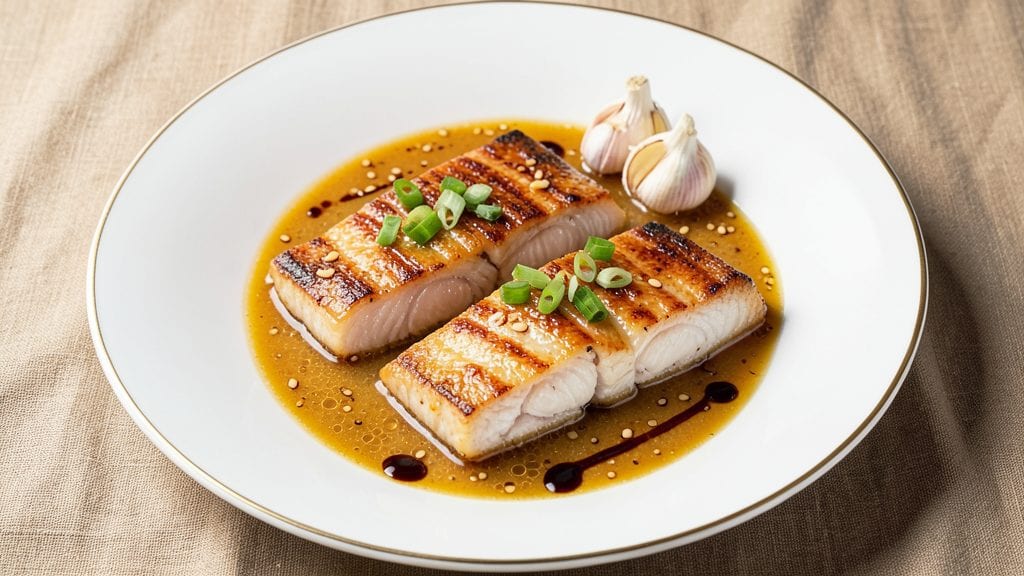
This Chinese fish fillet with garlic sauce delivers restaurant-quality results in just 20 minutes, combining tender fish with a silky, aromatic glaze that balances sweet, savory, and umami flavors. The secret lies in a quick marinade that keeps the fillet moist while the garlic-infused sauce caramelizes beautifully during cooking.
I developed this recipe after years of testing—too many burnt edges and overcooked fish—until I cracked the perfect timing and technique.
The dish starts with a simple yet transformative garlic sauce made from fresh minced garlic, soy sauce, and a touch of honey, creating a glossy finish that clings to every bite. Pan-searing the fish ensures a crisp exterior while maintaining a delicate, flaky interior.
The sauce isn’t just about flavor; it’s about texture too—thick enough to coat the fish but light enough to let its natural taste shine through.
What you’ll end up with is a plate of golden-brown fish fillets glistening with that signature garlic glaze, served with steamed vegetables or jasmine rice for a complete meal. The aroma alone will have everyone at the table asking for seconds.
This recipe proves that authentic Chinese flavors don’t require hours in the kitchen—just the right balance of ingredients and technique.
Perfect for weeknight dinners or special occasions, this dish scales easily for guests while keeping prep manageable. The sauce can even be made ahead, so you’re not scrambling when company arrives. Let’s get cooking—your taste buds will thank you.
Ingredients for chinese fish fillet with garlic sauce
Eight key ingredients transform simple fish fillets into restaurant-style garlic glaze perfection.
| Ingredient | Amount | Notes |
|---|---|---|
| White Fish Fillets 🐟 | 1 ½ lb | Cod, halibut, or tilapia preferred |
| Fresh Garlic Cloves 🧄 | 6 cloves | Minced finely for sauce |
| Light Soy Sauce 🍶 | ½ cup | Kikkoman preferred |
| Honey 🍯 | 2 tbsp | Wildflower for floral notes |
| Sesame Oil 🫒 | 1 tbsp | Toasted sesame oil preferred |
| Neutral Oil 🫒 | 2 tbsp | Avocado or vegetable oil |
| Cornstarch 🌾 | 1 tbsp | For light coating |
| Salt 🧂 | ½ tsp | Kosher or sea salt |
| Black Pepper 🌶️ | ¼ tsp | Freshly ground |
| Rice Vinegar 🍶 | 1 tbsp | For brightness |
| Green Onions 🧅 | 2 whole | Sliced for garnish |
| Jasmine Rice 🍚 | 1 cup | Uncooked, for serving |
| Sesame Seeds 🌾 | 1 tsp | Toasted for garnish |
The fish is everything here. Look for fresh, firm fillets—no fishy smell, no sliminess. Whole Foods or Trader Joe's usually have great cod or halibut, but any mild white fish works. If using frozen, thaw overnight in the fridge. The garlic? Fresh is non-negotiable—pre-minced from jars lacks that bright, fresh flavor. I always buy extra and freeze it in ice cube trays for future recipes. The soy sauce matters too—Kikkoman light soy gives that authentic umami kick without overpowering. If you can't find it, any good-quality light soy works, just taste as you go.
No sesame oil? Toasted peanut oil works in a pinch, but it'll taste different. Short on honey? Maple syrup is a decent swap, though it adds a slightly earthier note. The cornstarch is crucial for that crispy coating—don't skip it. The rice vinegar might seem like an afterthought, but it's what brightens the whole dish. Use seasoned rice vinegar if you want extra depth. For the green onions, only use the green parts—the whites get tough. If you're feeling fancy, add a pinch of white pepper to the sauce for a subtle kick. And trust me, toasted sesame seeds are worth the 30 seconds in a dry pan—they add so much texture.
This sauce keeps for 3 days in the fridge, though it's best fresh. The fish? Cook it fresh, but you can prep the sauce ahead. Portion the sauce into small containers if you're making it ahead—just reheat gently before using. The rice can be cooked ahead too, but jasmine rice stays best for 2 days if stored properly. For leftovers, store the fish and sauce separately. Reheat gently—the sauce thickens as it cools, so add a splash of water if it's too stiff. Garnish with fresh green onions and sesame seeds right before serving, or they'll wilt.
Why You'll Love This Recipe
- One-Pan Magic: I swear by this recipe—just toss the fish, garlic, and sauce in one skillet, and you’re done. No chopping, no fuss, no extra dishes. That honey-soy glaze caramelizes in minutes while the garlic sizzles into fragrant perfection.
- Sweet-Savory Balance: The honey cuts through the soy’s saltiness, and the sesame oil adds that nutty depth. It’s not too heavy, not too light—just that perfect crispy-tender bite with a glossy, addictive sauce clinging to every piece.
- Lunchbox Hero: Between us, this is my go-to for packed lunches. The sauce stays vibrant in containers, and the fish holds up for a day (or two, if you’re sneaky). Add steamed rice or noodles, and you’ve got a meal that feels fancy but costs next to nothing.
- Budget-Friendly Luxury: White fish is affordable, and a few cloves of garlic stretch this dish far. Honestly, I’ve made this with tilapia, cod, or even frozen fillets—it never disappoints. Leftovers? Even better reheated with a splash of water to keep that sauce silky.
Step-by-step instructions for Chinese fish fillet with garlic sauce
Here's how to turn simple white fish into restaurant-quality fillets with a silky garlic glaze—no fuss, just flavor.
Prep the Fish and Make the Glaze Base
Pat the 1.5 lb white fish fillets completely dry with paper towels—this ensures they sear properly instead of steaming. Sprinkle both sides evenly with the 0.5 tsp salt and 0.25 tsp black pepper. In a small bowl, whisk together the 0.5 cup light soy sauce, 2 tbsp honey, 1 tbsp rice vinegar, and 1 tbsp sesame oil. Set aside—this will be the backbone of your sauce.
While the fish rests at room temperature for 10 minutes, mince the 6 cloves fresh garlic cloves finely using a garlic press or knife. The smaller the pieces, the smoother your sauce will turn out. I like to press mine right into the sauce mixture so it infuses completely.
Create the Cornstarch Slurry and Sear the Fish
In a separate small bowl, whisk together the 1 tbsp cornstarch with 2 tablespoons neutral oil until smooth. This slurry will create a light coating that helps the fish stay tender while developing a golden crust. Heat a large skillet over medium-high heat until a drop of water sizzles instantly.
Add the 2 tbsp neutral oil to the skillet and let it get hot—you're aiming for 350°F at the oil's surface. Working in batches if needed, carefully place the fish fillets in the pan. Don't crowd them or they'll steam instead of sear. Cook for 2-3 minutes per side until the edges turn golden brown and the fish releases easily from the pan.
Build the Garlic Sauce
Remove the fish to a warm plate and reduce the heat to medium. Add the minced garlic to the skillet and stir for 30 seconds until fragrant—don't let it brown or it'll turn bitter. Pour in the soy sauce mixture and stir vigorously for 1-2 minutes until it begins to thicken slightly.
Here's where it gets good: slowly pour in ¼ cup water while stirring constantly. The sauce should bubble gently and coat the back of a spoon. If it thickens too much, add another 1 tablespoon water. The goal is a glossy, silky consistency that clings beautifully to the fish.
Finish and Serve
Return the fish to the skillet and spoon the sauce generously over the top. Cover and let it steam for 1-2 minutes—this allows the fish to absorb just enough sauce to stay moist without falling apart. Sprinkle with 1 tsp toasted sesame seeds and slice the 2 whole green onions on the bias for garnish.
Serve immediately over 1 cup cooked jasmine rice for the perfect balance of textures. The fish should be tender with a delicate flake, the sauce glossy and aromatic, and every bite packed with that perfect garlic-soy harmony. Leftovers? Toss them in the fridge and reheat gently—the sauce will thicken up, so just add a splash of water when warming.
Pro Tips For Making Chinese Fish Fillet With Garlic Sauce
- Sear the Garlic First: Toss minced garlic into a dry, screaming-hot pan for 10 seconds before adding oil—this banishes that raw, bitter bite. I used to add it with the fish and wondered why the sauce never tasted crisp. The first batch of garlic should be golden before you even think about the fish.
- Pat Fish Dry Like It’s 1985: Use paper towels to press every last drop of moisture out of those fillets. Wet fish steams instead of sears, and you’ll end up with sad, gray edges. I learned this the hard way when my first attempt turned out more "fish soup" than "garlic bomb."
- Balance the Honey-Soy Ratio: For every tablespoon of honey, use 2 tablespoons of soy sauce—any less and the sauce clings like syrup; any more and it’s just salty. My grandmother’s rule: "If you’re unsure, add a splash of rice vinegar to cut the sweetness." Trust me, it works.
- Finish with Sesame Oil Last: Drizzle that sesame oil after the pan leaves the heat—it burns faster than you’d think. A few drops at the end add aroma without turning your garlic sauce into a smoky disaster. I once ruined a batch because I got distracted mid-stir. (Yes, it happens.)
Health benefits of these flavors
Lean Protein Power
This dish delivers a high-quality protein punch with about 30 grams per serving of white fish, making it an excellent choice for muscle maintenance and repair. The fillets are lean yet satisfying, providing essential amino acids without the saturated fat found in many red meats.
I always opt for cod or halibut because they're naturally low in calories while still being rich in flavor. 💪
Heart-Healthy Fats
The sesame oil and toasted sesame seeds add beneficial omega-3 fatty acids and polyunsaturated fats, which support cardiovascular health by reducing LDL cholesterol.
A single tablespoon of sesame oil provides about 15% of your daily omega-6 needs, while the garlic in the sauce contains alicin, a compound known to help lower blood pressure. The balance of these fats makes this dish heart-smart.
Antioxidant Boost
Fresh garlic is packed with allicin and selenium, both powerful antioxidants that combat oxidative stress in your body. The honey in the sauce adds flavonoids and phenolic compounds, which have been linked to reduced inflammation.
Even the green onions contribute vitamin C and quercetin, an antioxidant that helps protect your cells. Together, these ingredients create a flavorful antioxidant powerhouse.
Low-Carb Flexibility
This recipe naturally fits into low-carb or keto diets when served without rice. The fish and sauce provide all the flavor and nutrition you need without the carb load.
For an even lower-carb option, I sometimes serve it with cauliflower rice instead. The garlic and soy sauce combination delivers umami satisfaction that keeps cravings at bay. 🥗
Digestive Benefits
The rice vinegar in the sauce aids digestion by stimulating stomach acid production, while the fiber from green onions promotes healthy gut bacteria. Garlic also contains prebiotic fibers that feed beneficial gut microbes, supporting overall digestive health.
Even the light soy sauce contributes probiotic benefits when consumed as part of a balanced diet.
Energy Balance
The combination of protein, healthy fats, and complex carbs (from rice) creates a balanced meal that stabilizes blood sugar levels. The honey provides quick energy, while the fish and sesame oil offer sustained energy through their fat content.
This balance makes it perfect for an afternoon pick-me-up or a pre-workout meal when you need both energy and recovery support. ✨
Nutrition facts
Frequently asked questions
What's the best fish to use for this garlic sauce recipe?
Use firm white fish like cod, halibut, or tilapia—they hold up well to searing and stay tender. Avoid delicate fish like flounder or snapper, which can fall apart. Thicker fillets (about 1-inch thick) work best for even cooking.
Can I make the garlic sauce ahead of time?
Yes! The sauce keeps for 3 days in the fridge. Store it in a sealed container, but add 1 tsp water when reheating to restore its silky texture. For longer storage, freeze it in 1-tbsp portions—thaw overnight in the fridge before using.
Why did my fish turn out dry?
Overcooking is the #1 cause. Fish cooks in 2-3 minutes per side—use a meat thermometer to check for 140°F internal temp. Also, pat the fillets very dry before cooking to prevent steaming. If it's still dry, try adding ½ tsp cornstarch to the sauce mixture.
How can I make this dish spicier?
Add ½ tsp chili flakes or 1 tsp sriracha to the sauce mixture. For heat lovers, stir in 1 tsp gochujang (Korean chili paste) with the garlic. Adjust to taste—start small, as garlic sauce already packs flavor intensity.
What's the secret to getting crispy edges?
Heat your pan to 350°F and use neutral oil (like avocado or vegetable). Pat fillets bone-dry with paper towels, then let them sit at room temp for 10 minutes before cooking. A quick toss in 1 tbsp cornstarch before searing adds extra crunch.