
Sauces & Condiments
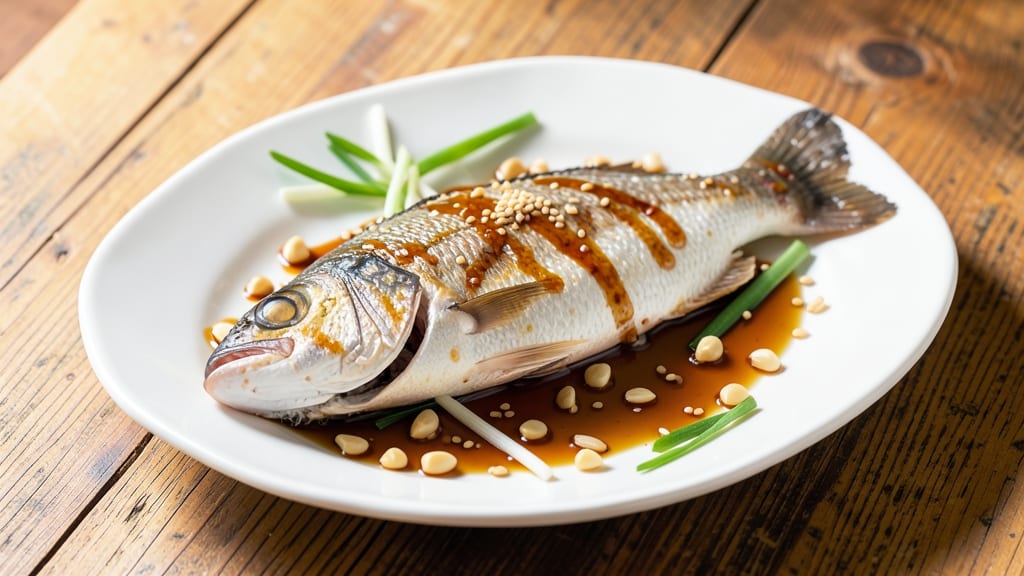
This Chinese steam fish sauce transforms simple pantry staples into a fermented umami powerhouse that elevates every bite of steamed fish. The balance of soy sauce, ginger, and aromatics creates a complex sauce that's both savory and aromatic, perfect for enhancing delicate fish fillets.
I developed this recipe after years of experimenting with traditional Chinese techniques, and it delivers restaurant-quality depth without requiring specialized ingredients.
The beauty of this sauce lies in its simplicity—just a handful of ingredients combine to create layers of flavor. Lightly fermented soy sauce forms the base, while fresh ginger and scallions add bright, zesty notes that cut through the richness.
A touch of sesame oil and cornstarch thickens the sauce just enough to cling beautifully to steamed fish, ensuring every bite is packed with flavor. The fermentation process, though minimal, unlocks deeper umami complexity that store-bought sauces simply can't match.
What makes this sauce truly special is its versatility—it works equally well with whole fish, fillets, or even as a dipping sauce. The aroma alone will transform your kitchen into a Chinese restaurant, while the taste delivers that signature umami richness that defines authentic steamed fish dishes.
Once you try this, you'll never go back to bottled sauces again.
Store it in the refrigerator for up to two weeks, where the flavors continue to develop and deepen. This sauce is the secret weapon behind perfectly seasoned steamed fish that tastes like it came from a dim sum cart. Let's get started on creating this flavor-packed essential for your kitchen.
Ingredients for chinese steam fish sauce
Just nine ingredients transform into a restaurant-worthy sauce for steamed fish.
| Ingredient | Amount | Notes |
|---|---|---|
| Light Soy Sauce 🍶 | ½ cup | High-quality, fermented preferred |
| Fresh Ginger 🧄 | ¼ cup | Finely grated, skin on |
| Green Onions (Scallions) 🧅 | ¼ cup | Finely chopped, white and green parts |
| Sesame Oil 🫒 | 1 tbsp | Toasted sesame preferred |
| Cornstarch 🌾 | 1 tsp | For thickening |
| Garlic Cloves 🧄 | 3 cloves | Minced, fresh preferred |
| White Rice Vinegar 🍶 | 1 tbsp | For brightness |
| Sugar 🍬 | 1 tsp | Balances flavors |
| Red Chili Flakes 🌶️ | ½ tsp | Adjust for heat |
The soy sauce is the star—Kikkoman or Pearl River Bridge are my go-tos because they're light and fermented properly. If you grab the cheap stuff, you'll taste it. Fresh ginger matters too; buy it at an Asian market where it's usually sold in big chunks. The scallions? Trader Joe's has the best pre-chopped kind, but grab the whole bunch and chop yourself if you can. Garlic should smell pungent, not moldy. For sesame oil, look for toasted—it's worth the extra dollar.
No fresh ginger? Substitute with 1/4 tsp ground ginger, but you'll lose that bright zing. Out of white rice vinegar? Apple cider vinegar works, but the flavor will be slightly different. The cornstarch is non-negotiable for that perfect clingy texture—don't skip it. Want more heat? Add another 1/2 tsp chili flakes. For a sweeter sauce, bump the sugar to 1.5 tsp. The sauce thickens as it cools, so if it's too thin at first, add another pinch of cornstarch.
Store this sauce in an airtight jar in the fridge for up to 2 weeks, where the flavors keep developing. The longer it sits, the more complex it gets—wait 3-4 days before using for best results. Portion into small jars if you want to use it gradually. Freezes beautifully for up to 3 months, though texture changes slightly. Perfect for steamed fish, but also amazing as a dipping sauce for dumplings.
Why You'll Love This Recipe
- Pantry Rescue: I’m talking about a sauce that lives in my fridge for weeks—just soy sauce, ginger, and a splash of sesame oil. No fancy shopping trips, no last-minute ingredient hunts. Honestly, I’ve made it with whatever I had on hand, and it still works.
- Umami Magic: That balance of salty soy, zesty ginger, and nutty sesame oil? It’s the kind of flavor that makes you pause mid-bite. The cornstarch gives it just enough body to cling to fish or noodles, but it’s light enough to let the dish shine.
- Weeknight Hero: Steamed fish is already a breeze, but this sauce turns it into a real meal. Slap it on rice, toss it with stir-fried veggies, or drizzle it over noodles—it’s my go-to for nights when I’m too tired to think. (Yes, even on a Tuesday night.)
- Leftovers That Don’t Suck: Unlike sauces that turn slimy or separate, this one stays fresh for days. I’ll make a double batch, store it in a jar, and use it for everything from quick fried rice to last-minute takeout-style dishes. My wallet—and my taste buds—thank me.
Step-by-step instructions for Chinese steam fish sauce
Here's how to craft this bold, aromatic sauce using simple pantry staples.
Prepare the Base Ingredients
Start by finely grating the 0.25 cup fresh ginger using a microplane or fine grater—keep the skin on for maximum flavor. Next, mince the 3 cloves garlic into a paste using a knife or garlic press. Chop the 0.25 cup green onions into small pieces, keeping the white and green parts separate for even distribution.
In a small bowl, combine the grated ginger, garlic paste, and chopped green onions. This aromatic trio forms the flavor foundation of your sauce. Let it sit for 5 minutes to release its essential oils—you'll notice the mixture becomes more fragrant as the oils develop. This step ensures every spoonful of your sauce bursts with depth.
Build the Sauce Mixture
In a medium saucepan, pour in the 0.5 cup light soy sauce and bring to a gentle simmer over medium heat. Once bubbling lightly, reduce heat to low and stir in the ginger-garlic-green onion mixture. Let it cook for 3-4 minutes until the raw garlic scent disappears and the mixture becomes fragrant.
Add the 1 tbsp white rice vinegar and 1 tsp sugar, stirring constantly. The vinegar brightens the sauce while the sugar balances the saltiness of the soy sauce. Let the mixture simmer for another 2-3 minutes, stirring occasionally, until the sugar dissolves completely. This creates a smooth, cohesive base for your sauce.
Thicken and Season
In a small bowl, whisk together the 1 tsp cornstarch with 2 tablespoons of water to create a slurry. Slowly pour this mixture into the simmering sauce while stirring continuously. The sauce will begin to thicken immediately—keep stirring for 1-2 minutes until it reaches a glossy, syrupy consistency that coats the back of a spoon.
Remove the sauce from heat and stir in the 1 tbsp sesame oil and 0.5 tsp red chili flakes. The sesame oil adds a nutty aroma and rich texture, while the chili flakes introduce a subtle heat. Let the sauce rest for 5 minutes to allow all the flavors to meld together. Taste and adjust seasoning if needed—add a pinch more sugar if it's too salty or a dash more chili flakes for more heat.
Finish and Store
Transfer the sauce to a clean glass jar and let it cool to room temperature. Once cooled, seal the jar tightly and store it in the refrigerator. This sauce keeps well for up to 2 weeks, making it perfect for quick meals. The flavors will continue to develop and deepen over time, becoming even more complex.
Use this versatile sauce to enhance stir-fries, noodle dishes, or even as a dipping sauce for dumplings. The perfect balance of umami, brightness, and subtle heat makes it an essential addition to any Chinese-inspired meal. For extra richness, drizzle a teaspoon over steamed fish or toss it with fresh vegetables for a quick, flavorful side dish.
Pro Tips For Making Chinese Steam Fish Sauce
- JULIENNE THE GINGER: Skip the mincer—thin, matchstick slices of ginger (about 3mm thick) infuse faster and stay vibrant in the sauce. I learned this the hard way after my first batch turned into a muddy brown sludge.
- SAUCE FIRST, FISH SECOND: Simmer the soy-ginger-scallion base until it reduces to a glossy, syrupy consistency before adding the fish. The sauce should coat the back of a spoon—this ensures every bite of flaky fish soaks up the flavor instead of swimming in a thin glaze.
- CORNSTARCH SLURRY, NOT POWDER: Whisk the cornstarch with cold water into a smooth paste before stirring it into the hot sauce. Dumping dry cornstarch clumps like rocks and ruins the silky texture—trust me, I’ve seen it happen.
- STEAM THE FISH FAST: Use a tight-fitting lid and a splash of water in the steamer basket—this creates a mini sauna that cooks the fish in 8–10 minutes, not 15. Oversteaming turns it rubbery, and nobody wants that.
Perfect pairings for this chinese steam fish sauce
Steamed Fish Pairings
This sauce transforms delicate fish like sea bass or cod into a restaurant-worthy dish. I love steaming whole snapper with a generous drizzle of this sauce—just brush 1 tbsp over the fish before steaming for 10-12 minutes.
The sauce clings perfectly to the fish, creating a glossy, flavorful crust. For extra elegance, garnish with cilantro leaves and serve with jasmine rice for a complete meal. 🍽️
Dipping Sauce Magic
Use this sauce as a dipping sauce for shrimp dumplings or steamed pork buns. The balance of umami, brightness, and subtle heat makes it irresistible. I keep a small bowl of this sauce on the table during dim sum nights—it’s the perfect complement to har gow or siopao.
For an extra touch, sprinkle with toasted sesame seeds right before serving.
Stir-Fry Upgrade
Toss this sauce into stir-fried vegetables like bok choy or snap peas for instant flavor. I stir-fry 2 cups mixed greens with 1 tbsp sesame oil and 1 tbsp sauce, then finish with crushed peanuts for texture. The sauce’s depth elevates simple veggies into a gourmet side dish. 💫
Noodle Game-Changer
Add 1-2 tbsp of this sauce to egg noodles or udon for a quick, flavorful bowl. I love pairing it with steamed fish on the side—drizzle the sauce over the noodles and top with soft-boiled egg and scallions.
The combination is a match made in heaven, especially for a quick weeknight dinner.
Marinade for Grilled Fish
Use this sauce as a marinade for grilled fish fillets. Coat salmon or mahi-mahi with 2 tbsp sauce and let it sit for 15-20 minutes before grilling. The sauce caramelizes beautifully, creating a sticky, flavorful crust. Serve with grilled asparagus for a complete, restaurant-quality plate.
Sauce for Rice Bowls
Turn this sauce into a rice bowl star by mixing 1 tbsp with steamed jasmine rice, sliced cucumber, and avocado. Top with grilled shrimp or tofu for a light yet satisfying meal.
The sauce’s brightness cuts through the richness of the rice and toppings, balancing every bite perfectly. 🌟
Nutrition facts
Frequently asked questions
Can I make this sauce without cornstarch for thickening?
Yes, but the texture will be thinner. For a similar effect, substitute 1 tsp fish sauce (it adds umami depth) or 1 tbsp rice flour slurry. If you prefer no thickener, the sauce will still work beautifully as a dipping sauce or marinade—just expect a lighter consistency when brushed on steamed fish.
How long should I ferment the sauce for the best flavor?
For optimal depth, let it sit in the fridge for 3-4 days before using. The fermentation process enhances the umami, but even 24 hours will give noticeable improvement. If you're short on time, use it immediately—it'll still taste great, just less complex. The longer it ferments, the richer the flavor becomes.
What's the best way to store leftover sauce?
Transfer to an airtight glass jar and refrigerate for up to 2 weeks. For longer storage, freeze in ice cube trays—thaw as needed. The sauce thickens when cold, so stir gently before using. If it separates, simply reheat and whisk until smooth again.
Can I adjust the heat level in this sauce?
For mild heat, reduce chili flakes to 1/4 tsp or omit entirely. For spicy, add 1 tsp gochugaru (Korean chili flakes) or a pinch of Sichuan peppercorns for a tingling effect. The sauce's brightness from vinegar helps balance any extra heat beautifully.
What fish works best with this sauce?
Delicate white fish like sea bass, cod, or snapper absorb the sauce perfectly. For firmer fish like salmon or mahi-mahi, brush on 1 tbsp before steaming. Avoid fatty fish (like mackerel) as they may overpower the sauce's delicate balance. The sauce's glossy texture makes it ideal for whole steamed fish presentations.