
Sauces & Condiments
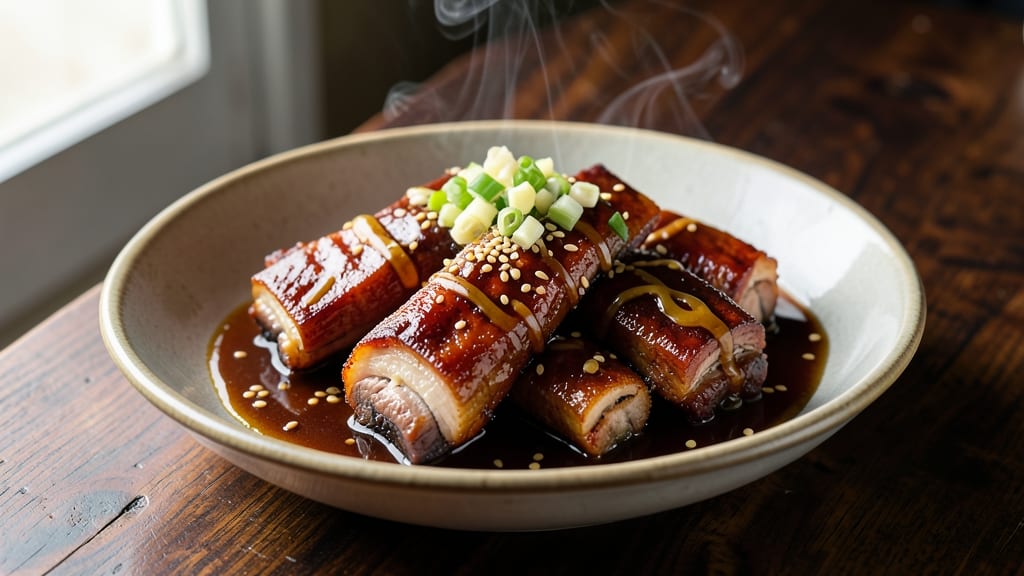
This Chinese sticky ribs sauce recipe delivers the perfect balance of smoky, sweet, and savory flavors that elevate any dish. The combination of five-spice powder, hoisin, and caramelized brown sugar creates a rich glaze that clings beautifully to ribs—or any protein you choose.
I developed this sauce after years of perfecting the art of Chinese BBQ, and it’s become my go-to for restaurant-quality results at home.
The secret lies in the slow simmering process, which allows the flavors to meld and the sauce to thicken into a glossy, sticky consistency.
You’ll need just five core ingredients—soy sauce, hoisin, brown sugar, rice vinegar, and a blend of aromatic spices—to create a sauce that’s deeply flavorful yet simple to make. This recipe is foolproof, with precise measurements and clear steps to ensure perfect balance every time.
By the end, you’ll have a sauce that’s rich, slightly tangy, and packed with caramelized depth, ready to transform your ribs into something truly special. The aroma alone will have everyone gathering around the table, and the first bite will confirm why this sauce is worth the effort.
Whether you’re cooking for a crowd or saving leftovers for later, this sauce keeps beautifully in the fridge for up to a week.
Pair it with grilled ribs, chicken, or even vegetables for a dish that feels like it came straight from a Chinese BBQ joint. The versatility of this sauce makes it a must-have in your cooking arsenal—once you try it, you’ll never go back to store-bought versions.
Ingredients for chinese sticky ribs sauce
Five core ingredients transform into a restaurant-worthy sauce that clings perfectly to ribs.
| Ingredient | Amount | Notes |
|---|---|---|
| Five-Spice Powder 🌶️ | 2 tbsp | Authentic Chinese blend preferred |
| Hoisin Sauce 🍶 | ½ cup | Thick, smooth variety |
| Light Brown Sugar 🍯 | ½ cup | Packed, not lightly spooned |
| Rice Vinegar 🍶 | ¼ cup | Seasoned preferred for depth |
| Light Soy Sauce 🥫 | ¼ cup | Low sodium works fine |
| Sesame Oil 🫒 | 1 tbsp | Toasted, not flavored |
| Garlic Cloves 🧄 | 3 cloves | Minced, fresh preferred |
| Fresh Ginger 🌿 | 1 tbsp | Grated, peeled |
| Water 💧 | ¼ cup | Room temperature |
| Cornstarch 🌾 | 1 tsp | For thickening |
The five-spice powder is non-negotiable—Penzeys or Asian markets have the best blends. Look for a jar labeled 'Chinese five-spice' with star anise, cinnamon, fennel, cloves, and Szechuan peppercorns. Hoisin sauce? Lee Kum Kee is the gold standard, but any thick, smooth brand works. Brown sugar should be packed—don't tap the measuring cup. For rice vinegar, Kikkoman seasoned vinegar adds that extra umami kick without needing extra ingredients. Fresh ginger and garlic? Buy them whole—they last longer and taste better than pre-minced.
No five-spice powder? Mix 1 tsp each of ground cinnamon, fennel seeds, cloves, and Szechuan peppercorns—it's not identical, but close. Substituting hoisin? Plum sauce at half the amount works in a pinch, but you'll lose that deep soy richness. Short on sesame oil? Toasted peanut oil gives a similar nuttiness. The cornstarch is key for that glossy finish—don't skip it. If you're making this ahead, add the cornstarch slurry last to avoid thickening too early. And trust me on the low-sodium soy sauce—high-sodium versions can make the sauce taste flat.
This sauce thickens as it cools, so stir in the cornstarch slurry off the heat. Keeps for 1 week in the fridge, sealed tightly. Freezes beautifully for 6 months—just thaw in the fridge overnight. I like to make double batches because it disappears fast. The leftovers? Drizzle over noodles or use as a marinade. And if it gets too thick, just add a splash of water or vinegar to loosen it up.
Why You'll Love This Recipe
- Pantry Magic: I swear by this sauce—no special shopping required. Five-spice powder, hoisin, and brown sugar? That’s it for the heavy hitters, and I bet you’ve got all three already. The rice vinegar adds that bright cut, but honestly, if you forget it, the dish still sings.
- Sweet-Savory Balance: That sticky glaze? It’s where the magic happens—caramelized sugar meets umami from hoisin, with just enough tang from the vinegar. The five-spice powder ties it all together like a warm hug for your ribs, and it’s the kind of flavor that lingers long after the last bite.
- Game for Any Meal: Slather it on ribs, toss it with noodles, or even drizzle it over roasted veggies. I’ve used it for weeknight dinners, potlucks, and even as a quick marinade before grilling. It’s the kind of sauce that makes you wonder why you didn’t use it sooner.
- Leftovers That Don’t Suck: This sauce keeps like a champ—store it in the fridge for up to two weeks, and it only gets better as the flavors meld. I’ve reheated it for lazy breakfasts (yes, really) or used it to jazz up takeout stir-fry. Plus, it’s cheap to make—you’ll have enough to share, and your wallet will thank you.
Step-by-step instructions for Chinese sticky ribs sauce
Here's how to create a rich, caramelized glaze that balances sweet, smoky, and tangy flavors perfectly.
Bloom the Five-Spice and Aromatics
Heat a small saucepan over medium heat and add the 1 tablespoon sesame oil. Once the oil shimmers but isn't smoking, add the 3 minced garlic cloves and 1 tablespoon grated fresh ginger. Cook for 30-45 seconds until fragrant—you should smell that bright, zesty aroma. Don't let it brown or it'll turn bitter.
Next, stir in the 2 tablespoons five-spice powder and cook for another 1 minute, stirring constantly. This step develops the warm, complex flavors of the spice blend. You'll see the powder dissolve and create a fragrant, golden cloud. Keep the heat at medium so the spices don't burn.
Combine Wet Ingredients and Simmer
Pour in the 0.25 cup rice vinegar and 0.25 cup light soy sauce, stirring to deglaze the pan. The mixture will bubble vigorously for about 30 seconds—this removes all those flavorful browned bits from the bottom. Add the 0.5 cup packed light brown sugar and 0.5 cup hoisin sauce, stirring until the sugar dissolves completely.
Bring the mixture to a gentle boil, then reduce heat to medium-low. Let it simmer uncovered for 8-10 minutes, stirring occasionally. You'll notice the sauce thicken slightly as the sugar begins to caramelize. The color will deepen to a rich amber, and you'll smell that distinctive sweet-smoky aroma developing.
Thicken and Finish the Glaze
In a small bowl, whisk together the 1 teaspoon cornstarch with the 0.25 cup water until completely dissolved. Once the sauce has simmered for 8 minutes, remove the pan from heat and let it cool slightly for 1 minute. Then slowly pour the cornstarch slurry into the sauce while whisking constantly.
Return the pan to medium-low heat and let the sauce thicken for 2-3 minutes, stirring frequently. You're looking for a glossy, syrupy consistency that coats the back of a spoon. The sauce should be thick enough to cling to ribs but still glide smoothly. If it's too thick, add 1 teaspoon water at a time until you reach the perfect consistency.
Test and Adjust the Flavor Balance
Taste the sauce and adjust the seasoning if needed. For more depth, add a pinch of salt or a splash of rice vinegar. For extra sweetness, stir in 1 teaspoon more brown sugar. The perfect balance should have a harmonious mix of sweet, smoky, tangy, and umami flavors with no single element overpowering.
Let the sauce cool completely before using it on ribs. The flavors will continue to meld as it cools, resulting in that perfect sticky glaze. Store any leftovers in an airtight container in the refrigerator for up to 1 week, or freeze for up to 3 months. This sauce makes ribs irresistibly tender with a caramelized crust that's impossible to resist.
Pro Tips For Making Chinese Sticky Ribs Sauce
- Bloom the Spice First: Toss your five-spice powder into the pan before adding any liquid—let it sizzle for 10 seconds until it releases its aroma. I used to add it later, and the sauce always tasted flat. This step makes a real difference, especially if you’re using store-bought powder (which lacks freshness).
- Simmer, Don’t Boil: Keep the sauce at a gentle bubble, not a rolling boil, or the hoisin and vinegar will curdle. After 10 minutes, if it’s still too thick, add 1 tablespoon water at a time—this keeps the texture glossy, not grainy. I learned this the hard way after a batch separated like a bad salad dressing.
- Toast the Sugar Dry: Lightly toast the brown sugar in the pan for 30 seconds before adding other ingredients—it caramelizes faster and deepens the flavor. Skip this, and the sauce will taste sweet but one-dimensional. (Yes, even if you’re impatient like me.)
- Balance the Vinegar Last: Add rice vinegar after the sauce has thickened, then taste immediately—it’s easier to adjust acidity than fix a sauce that’s too sharp. I was skeptical until I tried it: the sauce stays bright, not sour.
Regional styles of this dish
Cantonese BBQ Roots
The original sticky ribs sauce comes from Cantonese BBQ traditions, where ribs are slow-cooked with a sweet-savory glaze. This style emphasizes hoisin sauce and brown sugar for that signature caramelized shine.
I first encountered this technique in Hong Kong BBQ stalls, where the sauce was brushed onto ribs over charcoal grills for that smoky depth. The five-spice powder used here traces back to Guangdong province, where star anise and cinnamon dominate the blend. 🌶️
Sichuan Spicy Twist
For a fiery kick, Sichuan-style versions add 1 teaspoon chili bean paste and ½ teaspoon doubanjiang to the sauce base. I like to toast the five-spice powder with 1 teaspoon Sichuan peppercorns first for that signature numbing heat.
The Lee Kum Kee chili crisp (½ cup) replaces hoisin in this variation, creating a vibrant red glaze with a balanced spicy-sweet profile. Serve with pickled mustard greens to cut through the richness.
Shanghai Sweet-Sour
Shanghai's take on sticky ribs sauce incorporates 1 tablespoon black vinegar and 1 teaspoon Shaoxing wine for a tangier, more complex flavor. The sauce is often finished with 1 teaspoon toasted sesame seeds for texture.
I've found that reducing the brown sugar to ¼ cup and adding 1 tablespoon honey creates a lighter, more nuanced glaze perfect for braised pork belly or dumplings. The key is simmering longer—12-15 minutes—to develop that signature sweet-sour balance.
Taiwanese Five-Flavor
Taiwanese BBQ sauce often includes 1 tablespoon fermented black beans and ½ teaspoon white pepper for an earthier profile. The sauce is traditionally brushed onto ribs three times during cooking: once before grilling, once mid-cook, and finally after resting.
For extra depth, I like to add 1 tablespoon soy milk to the sauce base—it mellows the spices while adding a subtle creaminess. This version pairs beautifully with bubble tea for a fun, modern contrast.
Modern Fusion Adaptations
For a contemporary twist, try adding 1 tablespoon molasses and ½ teaspoon smoked paprika to the base for a deeper, almost bourbon-like complexity. I've also experimented with 1 teaspoon fish sauce (like Red Boat) for an umami boost that works surprisingly well with ribs.
The sauce becomes a versatile marinade for grilled chicken or even tofu—just reduce the sugar slightly to ¼ cup for a lighter application. 💫
Nutrition facts
Frequently asked questions
Can I make this sauce without five-spice powder?
Yes! For a substitute, mix 1 teaspoon each of ground cinnamon, fennel seeds, cloves, and Szechuan peppercorns—this mimics the warm, aromatic profile. The sauce will still taste rich but may lack the balanced complexity of the traditional blend. If you're short on time, ½ teaspoon cinnamon + ¼ teaspoon cloves works in a pinch.
How do I adjust the sweetness level for a less sugary sauce?
Reduce the brown sugar to ¼ cup and add 1 tablespoon more rice vinegar for tangy balance. For extra depth, stir in ½ teaspoon molasses to enhance caramelization without extra sweetness. Taste as you go—the sauce thickens as it cools, so adjust while warm.
Can I use this sauce for other proteins besides ribs?
This glaze works beautifully on chicken thighs, pork belly, or tofu. For delicate proteins like fish, reduce the sugar to ⅓ cup and add 1 teaspoon fish sauce for umami. Brush it on grilled shrimp or use as a dipping sauce for dumplings. The key is patience—simmer the sauce longer (12 minutes) for a thicker consistency.
Why did my sauce turn out too thick or too thin?
If too thick, whisk in 1 teaspoon water or vinegar at a time until smooth. For thin sauce, simmer uncovered for 2-3 extra minutes to evaporate moisture. The cornstarch slurry should be added off-heat to prevent over-thickening. Pro tip: Use a smaller saucepan for better heat control and even reduction.
How long can I store homemade sauce?
Store in an airtight container in the fridge for up to 1 week or freeze for 3 months. Thaw overnight in the fridge—never microwave to preserve texture. For longer shelf life, add ½ teaspoon citric acid (optional) before storing. The sauce actually improves after 24 hours as flavors meld!