
Sauces & Condiments
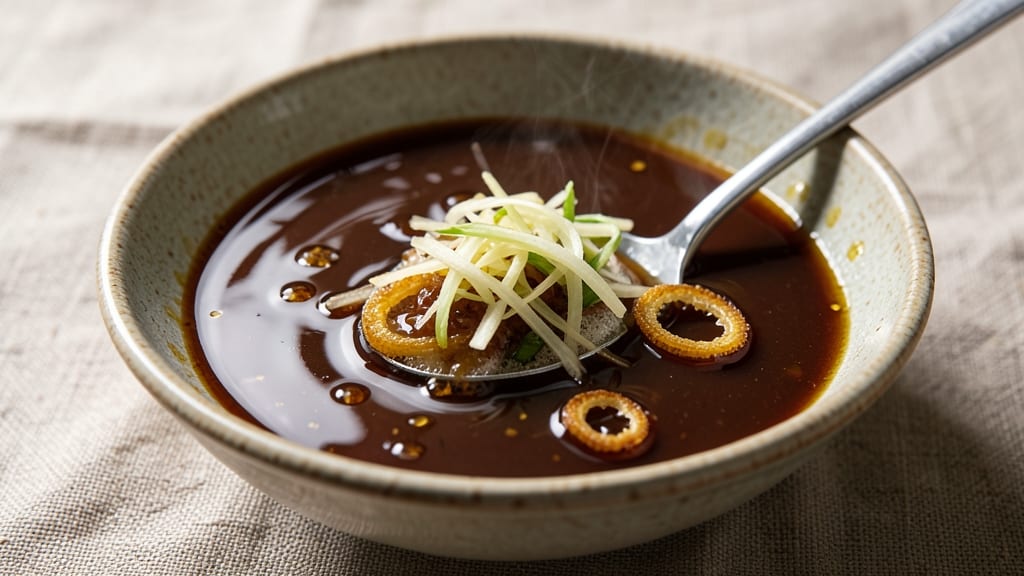
This chopsuey sauce recipe delivers the signature velvety depth and umami punch that transforms simple stir-fries into restaurant-worthy dishes. The balance of soy sauce, oyster sauce, and ginger creates that signature savory-sweet flavor, while the cornstarch slurry ensures a silky, cling-coat texture that clings to every ingredient.
I developed this version after realizing most store-bought sauces lack the authentic complexity of homemade.
The professional secret lies in the cornstarch slurry technique—this creates a glossy finish without making the sauce gluey or overly thick. You'll notice how the sauce develops layers of flavor as it simmers, with the vinegar adding brightness that cuts through the richness.
What makes this sauce particularly versatile is how it enhances both wok-fried vegetables and proteins equally well.
By the time you stir the final ingredients, you'll have a sauce that's perfectly balanced—savory yet bright, thick enough to coat but light enough to let the vegetables shine through. This isn't just a sauce; it's the foundation that elevates any stir-fry from ordinary to extraordinary.
The best part? It keeps beautifully in the fridge for up to two weeks, ready to transform your next meal.
Whether you're cooking classic chopsuey or using it as a marinade for meats, this sauce delivers professional results with simple ingredients. Let's get started on creating your signature stir-fry sauce that will have everyone asking for seconds.
Ingredients for chopsuey sauce
Nine ingredients. One sauce. The secret weapon for restaurant-quality chopsuey at home.
| Ingredient | Amount | Notes |
|---|---|---|
| Light Soy Sauce 🍶 | ½ cup | High-quality for authentic flavor |
| Oyster Sauce 🦪 | ¼ cup | Thick, dark variety preferred |
| Rice Vinegar 🍶 | ¼ cup | White or seasoned preferred |
| Fresh Ginger 🌿 | 2 tbsp | Finely grated, aromatic |
| Cornstarch 🌾 | 1 tbsp | For silky slurry consistency |
| Water 💧 | ¼ cup | Room temperature preferred |
| Sesame Oil 🫒 | 1 tbsp | Toasted for nutty aroma |
| Garlic Cloves 🧄 | 3 cloves | Minced for aromatic punch |
| Sugar 🍯 | 1 tbsp | White granulated preferred |
| Salt 🧂 | ½ tsp | Diamond Crystal preferred |
The foundation starts with light soy sauce—Kikkoman is my go-to, but any high-quality brand works. For oyster sauce, Lee Kum Kee from the Asian market delivers that unmistakable umami depth, though the jarred stuff at Trader Joe's is a solid shortcut. Fresh ginger is non-negotiable here—organic from the produce section has the most punch. If you've got a microplane, it takes seconds to grate finely. The cornstarch slurry is where the magic happens; Bob's Red Mill brand works perfectly for that silky texture without gummy aftertaste. Pro tip: toast your sesame oil in the saucepan first—just 30 seconds on low heat—it deepens the aroma exponentially.
No oyster sauce? Substitute with 2 tbsp fish sauce plus 1 tbsp brown sugar—it mimics that briny depth. Short on ginger? Dried ginger powder at half the amount works, but fresh is always better. The rice vinegar adds brightness—if you've got seasoned rice vinegar, cut the sugar by half. For a vegetarian version, swap oyster sauce for mushroom sauce. The cornstarch slurry can be made ahead; just whisk with water and keep it chilled until needed. And if you're worried about the sauce being too thick, add 1 tsp of water at a time until it reaches that perfect cling-coat consistency.
This sauce keeps beautifully in an airtight jar in the fridge for up to 2 weeks, with flavors actually improving as they meld. For longer storage, freeze in ice cube trays—thaw overnight in the fridge before using. The sesame oil separates when refrigerated, so give it a quick stir before using. I like to make a double batch; one jar for stir-fries and another for marinating proteins. Trust me, you'll be reaching for this sauce long after the initial batch disappears.
Why You'll Love This Recipe
- Five-Ingredient Magic: I swear by this combo—just soy, oyster, vinegar, ginger, and a pinch of cornstarch. That’s it. No fancy prep, no hidden pantry raids, just the good stuff you already have.
- Umami Bomb: Between the oyster sauce’s deep richness and the fresh ginger’s zing, this sauce hits like a flavor tsunami. Honestly, it’s the kind of taste that makes you pause mid-bite and think, “Wait, why haven’t I done this sooner?”
- Weeknight Swiss Army: Drizzle it over stir-fries, toss it with noodles, or even glaze some roasted veggies—it’s my go-to for when I’m too tired to plan. (Yes, even on a Tuesday night.)
- Budget Hack That Works: A little goes a long way, and it’s cheap enough that I make double batches. The cornstarch thickens it perfectly, so leftovers stay luscious instead of watery. My wallet and taste buds thank me.
Step-by-step instructions for chopsuey sauce
Here's the method for crafting that signature wok-fried sauce with perfect umami balance.
Prepare the Aromatic Base
In a small saucepan, combine the 0.5 cup light soy sauce, 0.25 cup oyster sauce, and 0.25 cup rice vinegar. Bring this mixture to a gentle simmer over medium heat, stirring constantly to prevent scorching. You'll notice the aromas deepen immediately—the light soy sauce will mellow while the oyster sauce releases its rich, caramelized notes.
While the sauce simmers, finely grate the 2 tablespoons fresh ginger using a microplane or grater. Add it to the pan along with the 3 minced garlic cloves and the 1 tablespoon sugar. Stir continuously for 1-2 minutes until the ginger becomes fragrant and the sugar dissolves completely. This step builds the sauce's signature sweet-savory foundation.
Create the Thickening Slurry
In a separate small bowl, whisk together the 1 tablespoon cornstarch with the 0.25 cup water until completely dissolved. This creates a smooth slurry that will give your sauce that signature velvety texture without clumping. I like to use a fine-mesh sieve to strain any potential lumps before adding it to the saucepan.
Here's the thing—timing matters. Once the cornstarch mixture is ready, immediately pour it into the simmering sauce while stirring vigorously. The sauce will begin to thicken almost instantly, so keep stirring for 1-2 minutes until it reaches a glossy, syrupy consistency. You're aiming for a texture that coats the back of a spoon but still flows freely when drizzled.
Finish with Sesame Oil and Season
Remove the saucepan from heat and let the sauce cool slightly for 1 minute. This resting period prevents the sesame oil from burning when added. Then, stir in the 1 tablespoon sesame oil and the 0.5 teaspoon salt. The sesame oil adds a nutty aroma that elevates the dish from good to exceptional.
Taste the sauce and adjust the seasoning if needed. You might want to add a touch more light soy sauce for saltiness or a splash of rice vinegar for acidity. The sauce should be perfectly balanced—sweet from the ginger and sugar, umami-rich from the soy and oyster sauces, with a subtle tang from the vinegar and nutty depth from the sesame oil.
Rest and Use
Transfer the sauce to a clean bowl and let it sit at room temperature for 10-15 minutes. This resting period allows all the flavors to meld completely. The sauce will thicken slightly as it cools, which is ideal for tossing with fresh vegetables and protein.
For best results, use the sauce immediately over stir-fried vegetables and protein like chicken or shrimp. The heat from the wok will reactivate the sauce's glossy texture, creating that signature chopsuey sheen. If you need to store it, keep the sauce in an airtight container in the refrigerator for up to 5 days, but I promise you'll use it up quickly—it's that good.
Pro Tips For Making Chopsuey Sauce
- Grate Ginger Fine: I learned this the hard way—chunks of ginger just sit there like stubborn guests who won’t leave. Use a microplane or the smallest holes on a box grater to turn it into a paste. This dissolves instantly into the sauce, releasing all that zesty punch without you having to babysit the pot.
- Simmer Low and Slow: After burning three batches, I finally figured out that chopsuey sauce isn’t a race. Once you add the cornstarch slurry, drop the heat to medium-low and let it thicken gently. Rush it, and you’ll end up with a gluey mess instead of that glossy, silky finish.
- Balance the Vinegar: Rice vinegar’s job is to brighten the sauce, not overpower it. Start with 1 tablespoon, taste, then add another if needed—just don’t drown the soy and oyster sauces. Trust me, you’ll regret it if you go overboard and end up with a mouth-puckering disaster.
- Slurry First, Stir Fast: Mix the cornstarch with cold water before adding it to the hot sauce—this prevents clumping like crazy. Then, pour it in while stirring like your life depends on it. Sounds weird, but it works: the sauce will thicken smoothly instead of looking like it’s fighting for its life.
Creative variations of this chopsuey sauce
Spicy Sichuan Style
Transform your chopsuey sauce into a fiery Sichuan masterpiece by adding 1 tbsp Sichuan peppercorn oil (toasted and strained) and 1 tsp chili bean paste like Lao Gan Ma during the final step.
The numbing heat of Sichuan peppercorns creates a unique tingle that pairs perfectly with the sauce's umami base. I like to add ½ tsp ground white pepper for extra depth—this variation works beautifully with stir-fried beef or tofu. 🌶️
Sweet & Tangy Fusion
For a modern fusion twist, replace half the rice vinegar with ¼ cup pineapple juice and add 1 tsp honey to the initial simmer. The tropical sweetness balances the sauce's savory notes, creating a perfect match for grilled shrimp or pineapple chunks.
Garnish with toasted coconut flakes when serving for a Hawaiian-inspired chopsuey experience. The pineapple juice also helps tenderize proteins during marinating.
Vegetarian Adaptation
Skip the oyster sauce entirely and substitute with 3 tbsp vegetarian oyster sauce (like Annie Chun's) or 2 tbsp mushroom sauce for umami depth. Add 1 tsp miso paste to the initial simmer for extra richness.
This version works perfectly with stir-fried tofu, mushrooms, and bell peppers. The miso adds a fermented complexity that vegetarians will love. Store the vegetarian version separately as the flavors develop differently.
Thai-Inspired Chili Sauce
Create a Thai-inspired variation by adding 1 tbsp fish sauce (or soy sauce for vegetarian), 1 tsp palm sugar, and ½ tsp shrimp paste (optional) to the initial base. Finish with 1 tsp lime juice and ½ tsp chili flakes instead of sesame oil.
This sauce pairs beautifully with Thai-style stir-fries featuring bamboo shoots, Thai eggplant, and lemongrass. The lime juice adds a bright finish that cuts through the richness. 🍋
Marinade Version
For a marinade adaptation, reduce the cornstarch to ½ tbsp and add 1 tbsp honey to the sauce. Use this thinner version to marinate chicken thighs or pork chops for 30-60 minutes before stir-frying.
The sauce will caramelize beautifully on the proteins, creating a sticky glaze. I recommend using this marinade for teriyaki-style chopsuey with a crispy texture. Discard any leftover marinade after using it on raw meat.
Gluten-Free Option
Make this sauce gluten-free by using tamari instead of soy sauce and ensuring your oyster sauce is certified gluten-free (like Kikkoman Gluten-Free). The cornstarch slurry remains safe as long as it's pure cornstarch. This version works perfectly with gluten-free stir-fry noodles or rice.
The flavor profile remains rich and umami-packed, proving gluten isn't necessary for authentic chopsuey sauce. Always double-check labels on rice vinegar and sesame oil for hidden gluten sources.
Nutrition facts
Frequently asked questions
Can I make this sauce without oyster sauce?
For a vegetarian version, substitute 2 tablespoons mushroom sauce plus 1 teaspoon miso paste to maintain umami depth. The sauce will still have that signature velvety texture while being completely plant-based. For non-vegetarian alternatives, try 2 tablespoons fish sauce plus 1 tablespoon brown sugar to replicate the briny-sweet balance.
How do I adjust the thickness of the sauce?
If your sauce is too thick, thin it with 1 teaspoon water at a time while stirring constantly. For extra thickness, add ½ teaspoon more cornstarch slurry (mix ½ teaspoon cornstarch with 1 teaspoon water) and simmer for 30 seconds. The key is to maintain that glossy, cling-coat consistency perfect for stir-fries.
Can I use this sauce as a marinade?
Yes! For marinating proteins like chicken or pork, reduce the cornstarch to ½ tablespoon and add 1 tablespoon honey to create a thinner, stickier glaze. Marinate for 30-60 minutes before cooking. Discard any leftover marinade after using it on raw meat to prevent bacterial growth.
Why does my sauce taste too salty?
If your sauce tastes overly salty, balance it with ½ teaspoon more rice vinegar or a splash of pineapple juice to add brightness. The acidity will cut through the saltiness while enhancing the sauce's complexity. Always taste as you go—adjustments are easier before the sauce thickens.
How long can I store homemade chopsuey sauce?
Store the sauce in an airtight container in the refrigerator for up to 2 weeks, with flavors actually improving as they meld. For longer storage, freeze in ice cube trays and transfer to a bag. Thaw overnight in the fridge before using. The sesame oil may separate when refrigerated—just stir before using.