
Sauces & Condiments
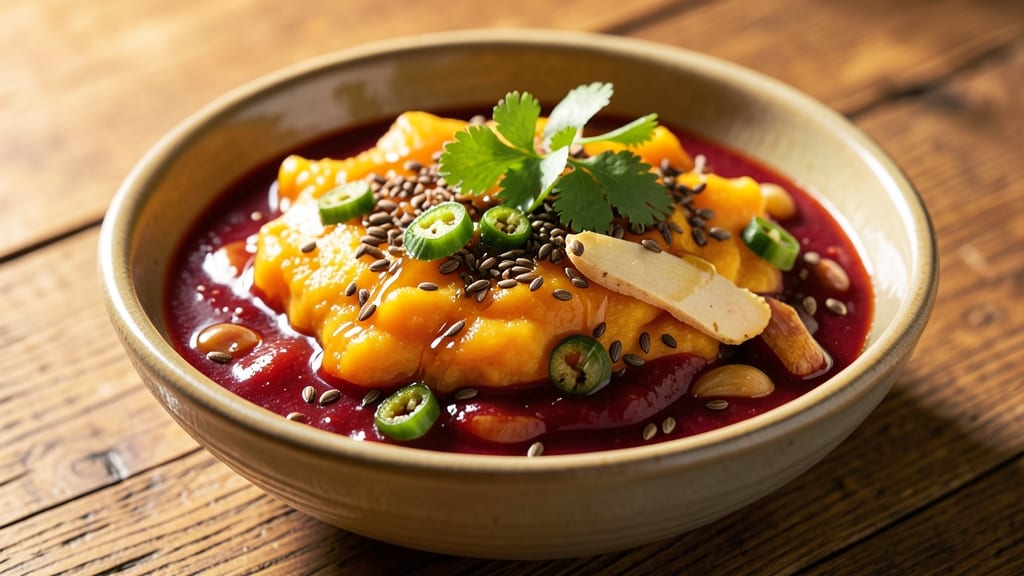
Creating a chutney sauce recipe that balances heat and sweetness in just 15 minutes transforms ordinary meals into vibrant, flavorful experiences. The key lies in blending fresh ingredients like mangoes, tomatoes, and spices with a touch of vinegar—each element working together to create a sauce that’s both complex and approachable.
This recipe has become my go-to for adding depth to grilled meats, sandwiches, or even as a dip for crispy appetizers.
The process is straightforward yet precise: finely chop the fruits, toast the spices to unlock their aromas, and blend everything with a splash of vinegar for brightness. The result is a smooth, tangy-sweet sauce with a subtle kick that lingers on the palate.
Unlike store-bought versions, this chutney stays fresh for up to a week in the refrigerator, making it perfect for meal prep.
What sets this recipe apart is its versatility—use it as a marinade, a condiment, or a standalone dip. The balance of sweetness from the fruit, acidity from the vinegar, and warmth from the spices creates a sauce that’s impossible to resist.
Whether you're hosting a dinner party or simply elevating a weeknight meal, this chutney sauce delivers restaurant-quality flavor without the fuss.
Once you try it, you’ll never go back to bottled versions. The fresh ingredients and careful technique ensure every spoonful is packed with flavor. Let’s get started on creating your own batch—it’s easier than you think!
Ingredients for chutney sauce
Fresh fruits, aromatic spices, and a touch of acidity—this chutney transforms simple meals into vibrant experiences.
| Ingredient | Amount | Notes |
|---|---|---|
| Ripe Mangoes 🍈 | 1 ½ cups | Peeled, finely diced, seedless |
| Medium Tomatoes 🍅 | 2 whole | Roma or vine-ripened, diced |
| Green Chilies 🌶️ | 2 whole | Serrano or jalapeño, finely chopped |
| Fresh Ginger 🧄 | 1 tbsp | Finely grated, aromatic |
| Garlic Cloves 🧄 | 4 cloves | Minced, aromatic intensity |
| Apple Cider Vinegar 🍶 | ¼ cup | Raw, unfiltered preferred |
| Cumin Seeds 🌿 | 1 tbsp | Toasted, aromatic depth |
| Ground Coriander 🌿 | 1 tbsp | Freshly ground preferred |
| Diamond Crystal Kosher Salt 🧂 | ½ tsp | Fine grain, balanced seasoning |
| Extra-Virgin Olive Oil 🫒 | ¼ cup | High-quality, fruity finish |
The mangoes should be ripe but firm—Costco's Ataulfo variety or local farmers' market finds work best. Tomatoes need vibrant color and firm texture; Heirloom varieties from Whole Foods add complexity. Green chilies should be fresh, not dried—Penzeys Spices carries excellent options if local markets are limited. Toast the cumin seeds in a dry pan until fragrant—this step unlocks their full aroma, which is non-negotiable for authentic depth. For the ginger, use the root's younger portion where it's tenderest; older, fibrous parts add bitterness. The garlic cloves should be fresh, with tight skins indicating recent harvest.
No fresh mangoes? Frozen mango chunks work in a pinch, but thaw and drain excess liquid first. Substitute tomatoes with canned San Marzano tomatoes (drained) for consistency. Short on green chilies? Red jalapeños or cayenne powder (½ tsp) provide heat, though with different flavor profiles. The vinegar can be swapped for lemon juice (same acidity), but apple cider adds subtle sweetness. For coriander, cilantro stems (finely chopped) offer a fresh alternative. The olive oil should be cold-pressed, fruity varieties**—cheap oils will overpower the delicate fruit flavors.
Store freshly made chutney in an airtight glass jar in the refrigerator for up to 7 days**. The flavors actually improve over time as the spices mellow. For longer storage, freeze in ice cube trays—thaw portions as needed. This chutney reheats beautifully; gently warm in a saucepan over low heat, stirring occasionally. The sauce thickens as it cools, so thin with a splash of water if needed. Portion into small containers for easy use as a marinade, condiment, or dip—each application delivers restaurant-quality complexity.
Why You'll Love This Recipe
- No Chopping Nightmare: I swear by this recipe because the mangoes and tomatoes only need rough dicing—not those tiny, tedious pieces. The ginger and garlic get a quick pulse in the blender, and suddenly, you’re done. My lazy Sundays thank me.
- Sweet-Spicy Magic: That first taste of ripe mango blending with fiery green chilies and sharp ginger? It’s the kind of contrast that makes you pause mid-bite. The garlic adds this deep, savory punch, but the mango keeps it from being overpowering—just addictive.
- Pantry Stash Hero: Between us, this chutney is my go-to for lazy takeout nights. Slather it on grilled chicken, mix it into rice, or drizzle it over dosas. I’ve even used it as a marinade for tofu. Honestly, the only limit is how creative you get.
- Lasts All Week: Make a big batch—it keeps in the fridge for days without losing its vibrancy. I’ve had it for breakfast, lunch, and dinner over four days straight, and it still tastes fresh. Plus, it’s cheap to make; you’re basically turning fruit and veggies into liquid gold.
Step-by-step instructions for chutney sauce
This method delivers a vibrant, balanced chutney with perfect harmony between sweetness and heat.
Toast the Spices for Maximum Aroma
Heat a small dry skillet over medium heat and add the 1 tablespoon cumin seeds. Toast them for 30-45 seconds until they begin to pop and release their nutty aroma. You'll know they're ready when the scent fills your kitchen—this is when they develop their full flavor profile.
Immediately transfer the toasted cumin seeds to a spice grinder or mortar and pestle. Add the 1 tablespoon ground coriander and grind together until you achieve a fine powder. This step is crucial for developing the chutney's complex spice base before combining with the fresh ingredients.
Sauté Aromatics Until Fragrant
In a medium saucepan, heat the ¼ cup extra-virgin olive oil over medium heat. Add the 1 tablespoon finely grated fresh ginger and 4 minced garlic cloves, cooking for 1-2 minutes until the garlic becomes translucent and aromatic. Be careful not to let the garlic brown—it should just soften and perfume the oil.
Add the 2 finely chopped green chilies and cook for an additional 30 seconds. The chilies should soften slightly but maintain their shape. This step builds the chutney's foundational heat while preserving the chilies' vibrant color and freshness.
Incorporate Tomatoes and Cook Until Soft
Add the 2 diced medium tomatoes to the saucepan and cook for 5-6 minutes until they break down and release their juices. Stir frequently to prevent sticking, and allow the mixture to reduce slightly while developing deeper flavor. You'll notice the tomatoes lose their bright red color and become more translucent.
The tomatoes should cook until they form a smooth, slightly thickened base—this creates the chutney's natural tanginess. If the mixture becomes too dry, add 1-2 tablespoons water to maintain proper consistency. This step transforms the tomatoes from simple vegetables into flavorful building blocks.
Add Mango and Vinegar for Balance
Stir in the 1.5 cups finely diced ripe mangoes and ¼ cup apple cider vinegar simultaneously. The vinegar's acidity will help break down the mango fibers while adding brightness. Cook the mixture for 3-4 minutes over medium-low heat until the mango softens slightly but maintains some texture.
As the mango cooks, it will release its natural juices, creating a glossy sheen on the surface. This is when the chutney begins to develop its signature sweet-tangy balance. The mango's sweetness should complement rather than overpower the vinegar's acidity—this is the moment where the sauce truly comes together.
Season and Simmer to Perfection
Add the ½ teaspoon diamond crystal kosher salt and the ground spice mixture to the saucepan. Stir well to combine all ingredients thoroughly. Reduce the heat to low and let the chutney simmer for 5-7 minutes, stirring occasionally, until it reaches your desired consistency.
The chutney should thicken slightly but remain spoonable—it should coat the back of a spoon without being gluey. Taste and adjust seasoning if needed, adding more salt or vinegar as necessary. For a smoother texture, use an immersion blender to purée the mixture slightly, or leave it slightly chunky for more texture contrast.
Pro Tips For Making Chutney Sauce
- Peel Ginger Fast: Run the knob end under hot water for 30 seconds first—it softens the skin enough to slip off with a spoon. I used to waste time scraping it raw, but this cuts the job in half. Just don’t overdo the water or it’ll get waterlogged in the sauce.
- Blend Tomatoes Twice: Pulse them roughly first, then blend again after resting 5 minutes. This breaks down fibers properly without turning the sauce into mush. I learned this after my chutney looked like baby food instead of a proper chunky sauce.
- Cook Garlic Low: Sauté garlic in oil until just golden—no brown spots. Burnt garlic makes the whole dish taste bitter, and no amount of mango sweetness fixes that. Keep heat at medium-low and stir constantly.
- Salt Early, Taste Late: Add half the salt with the tomatoes and adjust at the end. Salt draws out moisture, and adding it all at once makes the sauce watery. Trust your taste buds at the finish—this isn’t a guess.
Troubleshooting great chutney sauce
Spice Toasting Gone Wrong
If your cumin seeds burn instead of toast, you’ve lost their nutty aroma—the foundation of the chutney’s depth. Remove the pan immediately and start fresh with a new batch.
I’ve learned to watch closely and use a timer for 30-45 seconds max. A light golden color and popping sound are your cues, not smoke. 🔥
Tomatoes Too Watery
When tomatoes release excess liquid, the chutney becomes thin and diluted. After cooking for 5-6 minutes, stir in 1 tablespoon of apple cider vinegar to help thicken naturally.
If still too runny, simmer uncovered for 2-3 extra minutes to evaporate moisture. For stubborn cases, blend briefly with an immersion blender to break down fibers.
Chutney Too Sweet
An overpowering sweetness usually means the mango wasn’t ripe enough or the vinegar ratio was off. Balance it by adding 1 extra tablespoon of vinegar and simmering for 2 minutes longer.
For a smoother fix, stir in ½ teaspoon of ground cumin—its earthy notes cut through sweetness naturally. Taste as you go!
Uneven Heat Distribution
If your chutney has hot spots but lacks overall heat, the green chilies weren’t chopped finely enough. Pulse them in a food processor for 5 seconds before cooking to distribute capsaicin evenly.
For extra heat, add ¼ teaspoon of cayenne pepper at the end and stir well. Remember: heat builds as the chutney cools, so taste before adjusting.
Sauce Separates After Storage
Oil separation happens when ingredients aren’t emulsified properly. Before storing, blend the chutney briefly with an immersion blender to redistribute the olive oil. For a natural fix, stir in 1 teaspoon of honey or 1 tablespoon of yogurt—both help bind the mixture.
Store in a glass jar (plastic absorbs flavors) and shake gently before use.
Mango Too Fibrous
If your mango chunks remain tough and stringy, they weren’t cooked long enough. Simmer for an extra 3-4 minutes until they soften but don’t turn mushy. For a smoother texture, blend half the chutney and mix it back in.
Alternatively, add ½ teaspoon of lemon juice to help break down fibers naturally. 💫
Nutrition facts
Frequently asked questions
Can I make this chutney with frozen mango instead of fresh?
Yes, but you'll need to thaw and drain the frozen mango first to remove excess liquid. For best results, use 1.5 cups thawed frozen mango chunks (drained well) and add 1 extra tablespoon of apple cider vinegar to balance the moisture. The texture will be slightly softer but still delicious.
How spicy should the green chilies be?
For a mild chutney, use jalapeños (rated 2,500-8,000 SHU). For medium heat, try serrano peppers (6,000-23,000 SHU). If you prefer extra kick, swap in 1 Thai chili (50,000+ SHU) or add ¼ teaspoon cayenne pepper at the end. Always seed the chilies first to control heat intensity!
What are the best ways to use this chutney?
This versatile sauce works beautifully as a marinade for grilled chicken or fish, a condiment for tacos or sandwiches, or a dip for pita chips or veggie sticks. It also elevates curries, rice bowls, and even scrambled eggs. For extra richness, drizzle over roasted vegetables or use as a finishing sauce for burgers.
Can I make this chutney without vinegar?
While vinegar adds brightness, you can substitute with lemon juice (same amount) or tamarind paste (½ teaspoon dissolved in 1 tablespoon water). For a dairy-based alternative, use plain yogurt (¼ cup), but reduce the olive oil to 2 tablespoons to maintain balance. The flavor profile will shift slightly but remain delicious.
Why does my chutney taste bland after a few days?
Fresh chutney flavors deepen over time, but if it tastes flat after storage, the spices may have lost their punch. Revive it by adding ½ teaspoon of toasted cumin seeds (ground fresh) or 1 teaspoon of lemon juice to brighten flavors. For extra depth, stir in 1 tablespoon of chopped cilantro just before serving.