
Sauces & Condiments
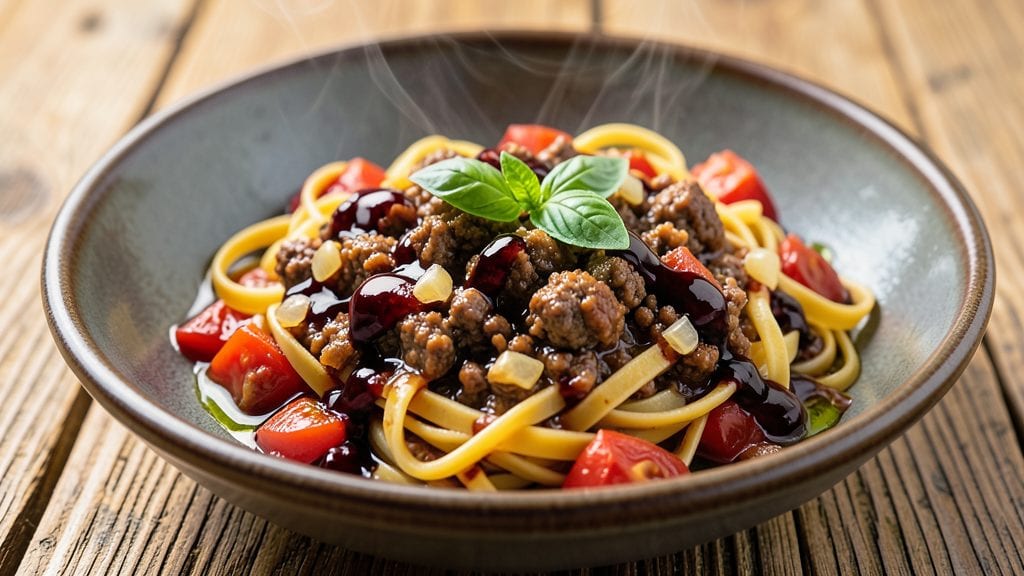
This classic ragu sauce recipe transforms humble ingredients into a deeply flavorful, slow-simmered masterpiece that elevates every dish it touches. The secret lies in building layers of umami through properly browned meat and a rich, caramelized tomato base—no shortcuts, just time and technique.
I've perfected this version over years of testing, ensuring the sauce develops that signature depth without requiring specialized equipment.
What sets this ragu apart is the meaty fond—those precious browned bits that cling to the pot after browning the meat. Deglazing with wine transforms them into flavor bombs that infuse the sauce with complexity.
The slow simmer reduces the sauce to a thick, velvety consistency that clings perfectly to pasta or braises meat to tender perfection. This isn't just a sauce; it's a flavor foundation that turns simple meals into restaurant-quality experiences.
By the time you're done, you'll have a sauce that's rich yet balanced—sweet from the tomatoes, savory from the meat, and brightened with herbs. The aroma alone will have everyone gathering at the table, and the first taste will confirm why this sauce has been a kitchen staple for generations.
Whether you're serving it over pasta, using it as a braising liquid, or pairing it with polenta, this ragu delivers authentic Italian comfort in every spoonful.
The beauty of this recipe is its adaptability—use ground beef, pork shoulder, or even a mix of meats to suit your preferences. The technique remains the same, ensuring consistent results no matter your choice. Let's create a sauce that will become the heart of your meals for years to come.
Ingredients for classic ragu sauce
Nine essential ingredients create this deeply flavorful, slow-simmered ragu masterpiece.
| Ingredient | Amount | Notes |
|---|---|---|
| Ground Beef Chuck 🥩 | 1 ½ lb | 80% lean, finely ground for even cooking |
| Dry Red Wine 🍷 | ½ cup | Bold Cabernet Sauvignon or Chianti |
| San Marzano Crushed Tomatoes 🍅 | 28 oz | No salt added, high-quality can |
| Tomato Paste 🍅 | 2 tbsp | Squeeze tube preferred for convenience |
| Yellow Onion 🧅 | 1 whole | Medium size, finely diced |
| Garlic Cloves 🧄 | 4 cloves | Peeled, minced for aromatic depth |
| Carrots 🥕 | 2 whole | Medium size, finely chopped |
| Celery Stalks 🥬 | 2 whole | Medium size, finely chopped |
| Fresh Rosemary 🌿 | 1 tbsp | Finely chopped, or 1 tsp dried |
| Fresh Thyme 🌿 | 1 tbsp | Leaves only, finely chopped |
| Extra-Virgin Olive Oil 🫒 | ¼ cup | High-quality, fruity variety |
| Beef Broth 💧 | 1 cup | Low-sodium preferred |
| Diamond Crystal Kosher Salt 🧂 | 1 ½ tsp | Adjust to taste at the end |
| Freshly Ground Black Pepper 🌶️ | ½ tsp | Freshly cracked for best flavor |
| Parmesan Cheese 🧀 | ¼ cup | Freshly grated, for finishing |
The ground beef chuck is non-negotiable—it's what gives ragu that signature meaty richness. Most grocery stores carry it pre-ground, but if you're feeling ambitious, ask the butcher to grind chuck for you (it's cheaper and more flavorful). The San Marzano tomatoes are worth the splurge—their sweetness and acidity make all the difference. I grab mine at Whole Foods or Trader Joe's when they're on sale. For the wine, any bold, dry red works here—Cabernet Sauvignon, Chianti, or even a decent Merlot. The key is letting it reduce completely so the alcohol burns off, leaving just the deep flavors behind.
No red wine? Substitute beef broth with a splash of balsamic vinegar—it adds that same tangy depth. Fresh rosemary and thyme are ideal, but dried works at one-third the amount if that's what you've got. The carrots and celery form the aromatic base—don't skip them, even if you're in a hurry. For the tomato paste, those little squeeze tubes from Trader Joe's are perfect—they're convenient, last forever, and give you precise measurements. The Parmesan at the end is optional but adds that final umami punch. If you're making this ahead, skip the Parmesan until serving.
This sauce tastes even better the next day as all the flavors meld together. Store it in an airtight container in the fridge for up to 5 days, or freeze it for 3 months in portion-sized containers. I like to freeze it in 1-cup portions so I can grab exactly what I need for a meal. When reheating, add a splash of water or broth to loosen it up—it thickens as it cools. The sauce reduces significantly as it simmers, so don't be alarmed if it looks thin before it's done. Patience is key here—rushing will leave you with a watery, flavorless mess.
Why You'll Love This Recipe
- One-Pot Magic: I swear by this—just brown the beef, deglaze with wine, and let it simmer while you chop veggies for dinner. No extra pans, no stress.
- Wine-Infused Richness: That splash of dry red wine? It cuts through the richness of the chuck and tomatoes, leaving you with layers of depth—earthy, slightly tangy, and so satisfying.
- Pasta Party Starter: Make a double batch and freeze half. It’s my go-to for lazy Sundays or last-minute dinner guests—toss with any pasta, or even serve it over polenta.
- Budget-Friendly Luxury: Ground chuck and canned San Marzanos stretch further than you’d think, but the flavor feels fancy. Honestly, it’s the kind of dish that makes cheap ingredients taste expensive.
Step-by-step instructions for classic ragu sauce
Here's how to build rich, slow-simmered ragu with deep umami flavor and tender meaty fond.
Build the Sofritto Base
Heat the 0.25 cup extra-virgin olive oil in a heavy Dutch oven over medium-low heat. Add the finely diced yellow onion, finely chopped carrots, and finely chopped celery stalks, stirring occasionally for 8-10 minutes until the vegetables soften and begin to caramelize. This is your sofritto foundation—don't rush this step or the flavors won't develop properly.
Once the vegetables are tender, add the minced garlic cloves and cook for 30 seconds until fragrant. Immediately stir in the finely chopped fresh rosemary and fresh thyme—this prevents burning while infusing the oil with their bright aromatics. The mixture should smell like a forest after a rainstorm at this point. If it starts to brown too quickly, reduce the heat slightly.
Brown the Ground Beef Chuck
Push the vegetable mixture to one side of the pot and increase heat to medium-high. Add the 1.5 lb ground beef chuck in batches, breaking it apart with a wooden spoon as it cooks. Let each batch brown deeply for 3-4 minutes before stirring—this creates those flavorful browned bits called fond that will dissolve into the sauce later.
Once all the beef is browned and the fond has formed along the bottom of the pot, stir everything together. Add the 2 tbsp tomato paste and cook for 2 minutes, stirring constantly. This step develops the sauce's depth of flavor by caramelizing the tomato solids. The mixture should look slightly thickened and glossy.
Deglaze and Simmer
Pour in the 0.5 cup dry red wine and scrape up all those precious browned bits from the bottom of the pot with a wooden spoon. Let the wine simmer for 3-4 minutes until it reduces by half. This deglazing step captures all the meaty flavors that would otherwise stick to the pan.
Add the 28 oz san marzano crushed tomatoes, 1 cup beef broth, 1.5 tsp diamond crystal kosher salt, and 0.5 tsp freshly ground black pepper. Stir well to combine, then bring the mixture to a gentle simmer. Reduce heat to low and cover partially with a lid. Let it cook uncovered for 1 hour, stirring occasionally to prevent sticking.
Finish and Rest
After 1 hour, uncover the pot and increase heat to medium-low. Let the sauce reduce for another 30-45 minutes until it reaches your desired consistency—it should coat the back of a spoon but still be saucy enough to cling to pasta. Taste and adjust seasoning with additional salt or pepper if needed.
Stir in the 0.25 cup freshly grated parmesan cheese during the final 5 minutes of cooking. This adds a bright, salty finish that balances the rich umami flavors. Remove from heat and let the ragu rest for 10 minutes before serving. This resting period allows the flavors to meld completely and the sauce to thicken slightly as it cools.
Serve Over Al Dente Pasta
Toss the ragu with al dente pasta (about 1 lb dried pasta per 4 servings) and serve immediately. The sauce should coat each strand beautifully, with visible chunks of tender beef and aromatic vegetables. For extra richness, reserve some pasta water and add it to the sauce if needed to reach your desired consistency.
This classic ragu delivers deep, complex flavors built through slow simmering and proper technique. The key is patience—rushing this process will result in a thin, bland sauce rather than the rich, meaty masterpiece you're creating now.
Pro Tips For Making Classic Ragu Sauce
- Brown the Meat Slowly: After burning three batches, I finally figured out that ground chuck needs gentle heat—no blistering. Use medium-low and stir every 30 seconds until it loses its raw color and releases fat. That fat is your flavor base, so don’t rush it.
- Deglaze with Wine Twice: Pour the red wine in, let it bubble for 30 seconds, then add another splash (about ½ cup total). The first evaporation pulls out harsh alcohol notes; the second layer mellows the sauce. Skip this, and you’ll taste booze instead of depth.
- Crush the Onion First: Finely dice the yellow onion, then pulse it in a food processor for 10 seconds—no need for paste. This dissolves faster and sweets the sauce without turning to mush. I used to chop it by hand and wondered why mine always tasted raw.
- Simmer Uncovered Early: Let the ragu bubble uncovered for the first 20 minutes to burn off excess liquid. Cover only after the tomatoes thicken—this prevents a watery finish. Sounds counterintuitive, but it guarantees a rich, velvety texture.
Pro cooking tips for perfect results
Sofritto Mastery
The sofritto base is the flavor foundation of your ragu, so take your time with it. Use a heavy Dutch oven like All-Clad or Le Creuset to distribute heat evenly.
I like to start with medium-low heat and let the vegetables caramelize slowly—8-10 minutes—until they're soft but not browned. This process develops their natural sweetness and creates depth. If your onions start to burn, reduce heat immediately—burnt flavors ruin everything. 🌱
Meat Browning Secrets
Browning the ground beef chuck properly is where the Maillard reaction happens, creating those deep, meaty flavors. Work in small batches so you don't steam the meat—steaming makes it gray and bland. Let each batch sit undisturbed for 3-4 minutes to form a deep brown crust.
Once all the beef is browned, don't wash the pot! Those fond bits are pure flavor gold—you'll deglaze them next with wine. 🥩
Wine Deglazing Technique
When deglazing with red wine, use a wooden spoon to scrape up every last bit of fond from the bottom of the pot. Let the wine reduce by half—3-4 minutes—before adding tomatoes.
If you rush this step, you'll miss out on capturing all those meaty, caramelized flavors. I recommend Chianti or Cabernet Sauvignon for their bold profiles, but any dry red will work. 🍷
Simmering Like a Pro
After adding the tomatoes and broth, maintain a gentle simmer—not a rolling boil. Cover the pot partially with a lid to allow some steam to escape, which helps prevent the sauce from getting too thick too quickly.
Stir occasionally to prevent sticking, especially during the first hour of cooking. The sauce will reduce naturally as it simmers, so patience is key here. 💡
Consistency Control
If your ragu gets too thick during the final reduction, add 1-2 tablespoons of beef broth to loosen it. If it's too thin, uncover the pot and simmer uncovered for 10-15 minutes to reduce it further.
The ideal consistency should coat the back of a spoon but still be saucy enough to cling to pasta. Taste and adjust seasoning with kosher salt—this is where most home cooks go wrong by oversalting early. 🧂
Resting for Perfection
Never skip the 10-minute rest after cooking! This allows the flavors to meld and the sauce to thicken slightly as it cools. I often let mine rest for 15 minutes if I'm making it ahead.
The resting period also makes the sauce easier to serve—it won't drip everywhere when you toss it with pasta. Trust me, this small step makes a huge difference. ✨
Nutrition facts
Frequently asked questions
Can I make this ragu with ground turkey or chicken instead of beef?
You can substitute ground turkey or chicken, but the flavor profile will be lighter. For turkey, use 93% lean to maintain moisture, and add 1/2 teaspoon smoked paprika to enhance depth. Chicken works best in a 30-minute simmer (not 1 hour) to prevent drying out. The sauce will taste more delicate but still delicious—just avoid overcooking the poultry!
How do I prevent my ragu from becoming too acidic or tomato-heavy?
Balance acidity by adding 1 teaspoon sugar when you incorporate the tomatoes, or use 1/4 cup tomato paste instead of crushed tomatoes for richer depth. For a meatier flavor, increase the beef to 2 pounds and reduce the tomatoes to 24 oz. Always taste as you go—adjust with a pinch of salt or a splash of broth to keep flavors harmonious.
What’s the best way to reheat leftover ragu?
Gently reheat on the stovetop over low heat with 2-3 tablespoons of water or beef broth to prevent drying. Stir frequently and simmer for 5-7 minutes until heated through. Avoid microwaving—it creates a skin and ruins the texture. For extra richness, stir in 1 tablespoon of cream or butter at the end.
Can I make this ragu in a slow cooker or Instant Pot?
For a slow cooker: Brown the meat in a skillet first, then transfer everything to the pot and cook on low for 6-8 hours (stir halfway). For an Instant Pot: Sauté the vegetables, brown the meat, deglaze, then pressure cook on high for 20 minutes (natural release). Both methods work, but stovetop simmering gives the deepest flavor. The slow cooker version will be slightly thinner—reduce it uncovered for 10 minutes at the end.
Why does my ragu taste bland even after simmering?
Blandness usually comes from not developing the fond (browned bits) or rushing the simmer. Always brown the meat deeply in batches, and let the wine reduce fully before adding tomatoes. For extra depth, add 1/2 teaspoon fish sauce or 1/4 cup beef stock during the final 10 minutes of cooking. Taste as you go—adjust with salt, pepper, or a pinch of sugar to balance flavors.