
Salads
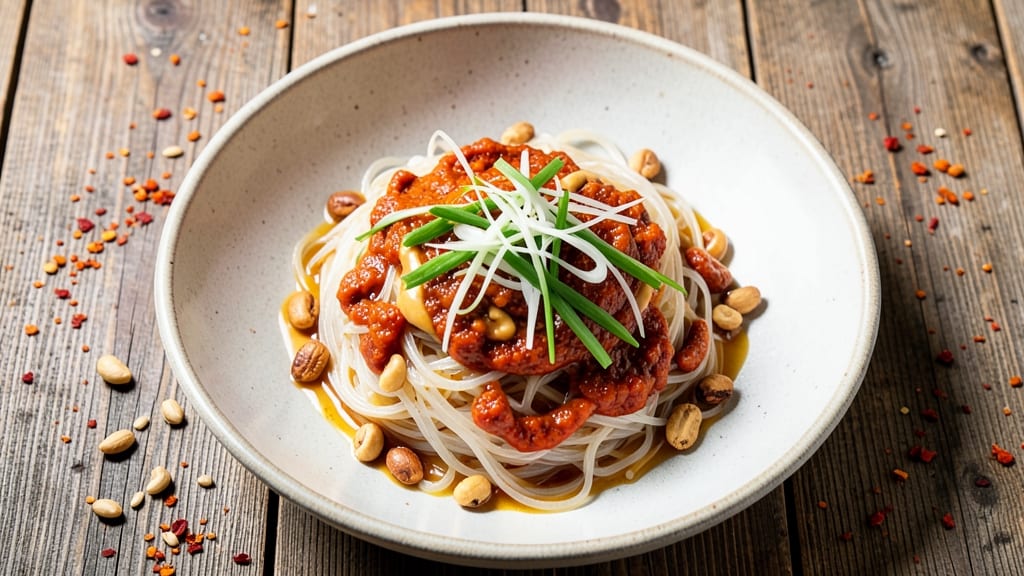
This cold noodle salad with spicy peanut sauce delivers the perfect balance of textures and flavors—crisp rice noodles, nutty heat, and fresh vegetables all coming together in a refreshing dish.
The secret lies in the sauce, where roasted peanuts and chili create a rich, aromatic base that clings to every noodle and bite of protein.
I developed this recipe after years of experimenting with Asian-inspired salads, and it’s now my go-to for summer meals or quick lunches that feel anything but ordinary.
The beauty of this dish is its adaptability—whether you're vegetarian or prefer added protein, the base recipe holds strong. Rice noodles soak up the spicy peanut dressing beautifully, while crisp vegetables and optional proteins like grilled chicken or tofu add layers of texture.
The key is letting the salad sit for at least 15 minutes before serving, allowing the flavors to meld and the noodles to absorb the sauce just right.
What you’ll end up with is a vibrant, satisfying salad that’s as much about the contrast of temperatures as it is about flavor—cool noodles and vegetables against the warm, spicy peanut sauce. The result is a dish that’s light yet filling, perfect for hot days or as a refreshing side.
Ready to assemble? Let’s get started with the sauce first, then build the salad layer by layer.
This recipe works beautifully as a main dish or a side, and it keeps well in the fridge for up to 3 days, making it ideal for meal prep. The sauce can even be made ahead, so you’re never without a quick, flavorful meal when you need it most.
Whether you’re feeding a crowd or just yourself, this cold noodle salad is a game-changer for effortless, restaurant-quality dining at home.
Ingredients for cold noodle salad with spicy peanut sauce
Crisp noodles, nutty heat, and fresh veggies—just 18 ingredients for a summer favorite.
| Ingredient | Amount | Notes |
|---|---|---|
| Rice Noodles 🍜 | 8 oz | Medium-width, uncooked, Asian style |
| Dry Roasted Peanuts 🥜 | ½ cup | Unsalted, lightly crushed |
| Red Curry Paste 🌶️ | 1 tbsp | Mild or medium heat |
| Peanut Butter 🥜 | ½ cup | Creamy, unsalted preferred |
| Soy Sauce 🍶 | ¼ cup | Low-sodium preferred |
| Lime Juice 🍋 | ¼ cup | Freshly squeezed |
| Sesame Oil 🫒 | 1 tbsp | Toasted, for aroma |
| Brown Sugar 🍬 | 2 tbsp | Light or dark |
| Garlic Cloves 🧄 | 3 cloves | Minced, fresh preferred |
| Fresh Chili Peppers 🌶️ | 2 whole | Thai or serrano, finely chopped |
| Carrots 🥕 | 1 whole | Medium, julienned or matchstick |
| Cucumber 🥒 | 1 whole | English or Persian, sliced |
| Red Bell Pepper 🌶️ | 1 whole | Thinly sliced, seeds removed |
| Green Onions 🧅 | 4 whole | Thinly sliced, white and green parts |
| Sesame Seeds 🌾 | 1 tbsp | Toasted, for garnish |
| Extra-Virgin Olive Oil 🫒 | 1 tbsp | For tossing noodles |
| Salt 🧂 | ½ tsp | Sea salt, to taste |
| Black Pepper 🌶️ | ¼ tsp | Freshly ground |
The peanut butter and roasted peanuts are the heart of this sauce, so pick the good stuff. Smucker's Natural or Trader Joe's brands are my go-tos—they're smooth without being overly sweet. For the peanuts, grab the dry-roasted variety (unsalted if possible) from the bulk section at Whole Foods or your local Asian market. Freshness matters here: if your peanut butter smells rancid or your peanuts taste stale, toss 'em. The red curry paste? Maesri or Mae Ploy are the gold standards, but any good-quality paste will work. Store-bought works fine, but if you're feeling fancy, toast the paste with the peanuts for deeper flavor—just 2 minutes in a dry pan.
No peanut butter? Almond butter or cashew butter will work in a pinch (same amount), though the flavor shifts slightly. Short on lime juice? Substitute lemon juice at the same quantity, but you'll lose some of the bright, tangy balance. The chili peppers can be swapped for red pepper flakes or sriracha—start with half the amount and adjust to taste. For the veggies, baby carrots or pre-sliced cucumbers save time, but fresh is always better. The rice noodles? Vietnamese or Thai brands (like Sen) are ideal—they hold their shape better than generic Asian noodles. If you can't find them, angel hair pasta in a pinch, but it won't be the same texture.
This salad keeps beautifully for 3 days in the fridge, but the noodles get softer over time, so eat within 2 days for the best crunch. Store the sauce separately if making ahead—it actually tastes better the next day as the flavors meld. For extra crunch, toast the sesame seeds in a dry pan for 30 seconds before adding. The sauce can be made up to 5 days ahead and stored in the fridge. Double the sauce if you're feeding a crowd—it's perfect over grilled tofu or shrimp for a heartier meal.
Why You'll Love This Recipe
- No-Boil Noodles: I swear by these rice noodles—they soften perfectly in warm water, no stirring required. Toss them in, wait five minutes, and they’re ready. Honestly, it’s the kind of prep that makes me want to cook more often, not less.
- Peanut Butter Magic: That creamy peanut butter and red curry paste combo? It’s where the real flavor happens. The sauce is rich, slightly sweet, and packed with heat—every bite has this addictive balance of nutty, spicy, and umami. (Yes, even on a Tuesday night.)
- Lunchbox Hero: This salad keeps beautifully for days, making it my go-to for packed lunches or last-minute dinners. The peanuts stay crunchy, the noodles hold their shape, and the sauce doesn’t separate—just grab, toss, and go.
- Budget Stretch: Peanuts, rice noodles, and a jar of curry paste? This recipe costs me less than $10 for four servings. I’ll be real: it’s the kind of meal that lets me feed my family well without breaking the bank or stressing over grocery lists.
Step-by-step instructions for cold noodle salad with spicy peanut sauce
Here's how to create a perfectly balanced salad with chewy noodles and a rich, nutty sauce.
Prepare the Rice Noodles
Bring a large pot of water to a boil and add the 8 ounces of rice noodles. Cook for exactly 4-5 minutes—they should be tender but still slightly firm to the bite. I like to test one noodle by pressing it with a fork; it should hold its shape but be easy to bend.
Drain immediately in a colander and rinse under cold water for 30 seconds to stop the cooking process. This prevents them from becoming mushy later. Transfer the noodles to a large mixing bowl and toss with the 1 tablespoon of extra-virgin olive oil to prevent sticking. Let them cool completely before adding the sauce—this ensures they stay al dente.
Make the Spicy Peanut Sauce
In a small saucepan, combine the 0.5 cup of peanut butter, 0.25 cup of soy sauce, 0.25 cup of lime juice, 1 tablespoon of red curry paste, 2 tablespoons of brown sugar, 1 tablespoon of sesame oil, 0.5 teaspoon of salt, and 0.25 teaspoon of black pepper. Whisk over low heat for 3-4 minutes until smooth and fully melted.
Add the 3 minced garlic cloves and 2 finely chopped fresh chili peppers, stirring constantly for another 1 minute until the garlic is fragrant but not browned. Here's the thing—if the sauce looks too thick, add 1-2 tablespoons of warm water to reach a pourable consistency. The sauce should coat the back of a spoon but still flow easily when poured.
Assemble the Vegetables
While the sauce simmers, prepare the vegetables by julienning the 1 whole carrot and thinly slicing the 1 whole cucumber, 1 whole red bell pepper, and 4 whole green onions. I like to use a mandoline for even slices, but a sharp knife works too—just be careful with those fingers!
Add all the vegetables to the bowl with the cooled noodles. Toss gently to distribute them evenly. The vegetables should be evenly coated but still retain their shape. If you're using a mild curry paste, you might want to add a pinch more of the chopped chili peppers for extra heat—adjust to your taste.
Combine Everything
Pour the warm peanut sauce over the noodle and vegetable mixture. Add the 0.5 cup of lightly crushed dry roasted peanuts and toss everything together until the noodles are fully coated. You'll notice the noodles start to soften slightly from the warm sauce—that's normal and actually enhances their texture.
Let the salad sit for 5-10 minutes at room temperature. This allows the flavors to meld together perfectly. Before serving, give it one final toss to redistribute any sauce that may have pooled at the bottom of the bowl.
Garnish and Serve
Transfer the salad to a serving platter and sprinkle with the 1 tablespoon of toasted sesame seeds. I like to arrange it on a large platter so everyone can serve themselves. The sesame seeds add a beautiful contrast in both color and texture—crunchy against the soft noodles and creamy sauce.
Serve immediately while the noodles are still slightly warm from the sauce. The salad keeps well in the refrigerator for up to 2 days, but I promise you'll want to eat it all right away. Each bite should deliver a perfect balance of chewy noodles, fresh vegetables, and that rich, spicy peanut sauce.
Pro Tips For Making Cold Noodle Salad With Spicy Peanut Sauce
- Soak Noodles Properly: Rice noodles need just enough water to soften—about 10 minutes in room-temperature water, not boiling. I learned this the hard way when mine turned mushy; drain immediately and rinse with cold water to stop cooking, then toss with a tiny bit of oil so they don’t stick together.
- Toast Peanuts Fresh: Skip the store-bought roasted peanuts—they’re often stale. Dry-toast your own in a pan over medium heat for 3-4 minutes until fragrant, then crush lightly. This makes a real difference in flavor, and you’ll use less in the sauce since they’re fresher.
- Whisk the Sauce Slowly: When mixing peanut butter and red curry paste, start with a splash of warm water and stir gradually—peanut butter can seize if you dump it in all at once. I was skeptical until I tried it; now I never rush this step.
- Balance Heat Early: Taste the sauce before adding noodles and adjust heat (chili flakes, extra curry paste) now, not later. Once mixed with noodles, the flavors dilute, and you’ll end up chasing balance instead of enjoying it. Trust me, it’s easier this way.
Storing and reheating this cold noodle salad with spicy peanut sauce
Fridge Storage Tips
Store your cold noodle salad in an airtight container with a tight-fitting lid—glass or BPA-free plastic works best. I use Cambro 2-quart containers because they stack neatly and keep flavors sealed in. Place it in the fridge within 2 hours of assembly to prevent bacterial growth.
The salad stays fresh for up to 3 days, but the noodles soften slightly after day 2, so eat within that window for ideal texture. 🥗
Sauce Separation Fix
The peanut sauce may separate slightly in the fridge—this is normal! To restore it, simply whisk the sauce vigorously for 30 seconds with 1 teaspoon of warm water before tossing it back into the salad.
For extra insurance, store the sauce separately in a small jar and mix it in just before serving. The heat from the sauce will help re-emulsify any separated layers.
Reheating for Extra Crunch
If you want to revive the crunch after refrigeration, spread the salad on a baking sheet and broil for 1-2 minutes at 375°F. This reheats the noodles gently while crisping any wilted veggies.
For the sauce, warm it in a small saucepan over low heat for 1-2 minutes—never boil, or it’ll separate. Toss everything together and garnish with fresh toasted sesame seeds right before serving. ✨
Freezer-Friendly Hack
While the salad itself doesn’t freeze well (noodles get mushy), you can freeze the sauce separately for up to 3 months. Thaw overnight in the fridge, then whisk in 1 teaspoon of water to restore its smooth consistency.
For a frozen meal, prepare the sauce and veggies ahead, then assemble the salad fresh when ready to eat—this keeps the texture optimal.
Reviving Stale Noodles
If your noodles lose their crunch after refrigeration, don’t toss them! Toss the salad with 1 teaspoon of toasted sesame oil and let it sit for 5 minutes before serving. The oil helps restore some of the original texture while adding depth to the peanut sauce.
For extra crunch, add 2 tablespoons of fresh peanuts or crushed wonton strips just before eating. 💡
Meal Prep Strategy
Divide the salad into single-serving containers for easy grab-and-go lunches. Store the sauce in a small jar on the side—this prevents soggy noodles. When ready to eat, simply pour the sauce over the noodles and toss.
For added freshness, pack a small bag of sliced veggies separately and mix them in right before eating. This keeps everything crisp and vibrant. 📅
Nutrition facts
Frequently asked questions
Can I use other types of noodles instead of rice noodles?
While rice noodles are ideal for their chewy texture, you can substitute with angel hair pasta or vermicelli for a similar bite. Avoid thick noodles like fettuccine—they absorb too much sauce and lose their structure. If using pasta, cook it 1 minute less than package instructions to keep it al dente.
How do I make this salad spicier?
For extra heat, add 1-2 teaspoons of sriracha or chili garlic sauce to the peanut sauce or sprinkle with red pepper flakes before serving. Fresh chili peppers can also be minced finer or left whole for a fiery kick. Start with small amounts—you can always adjust!
Can I prepare the peanut sauce ahead of time?
The sauce keeps well in an airtight container in the fridge for up to 5 days. Stir in 1 teaspoon of warm water before using to restore its smooth consistency. For best flavor, let it sit at room temperature for 10 minutes before tossing with the salad.
What’s the best way to add protein to this salad?
Grilled chicken breast, tofu, or shrimp work perfectly. For tofu, press and pan-fry until crispy before slicing. Chicken should be cooked to 165°F and shrimp to 145°F. Add protein just before serving to maintain texture—it reheats beautifully in the warm peanut sauce.
Why did my noodles turn mushy after refrigeration?
Overcooking or rinsing too long after boiling causes noodles to soften. Always rinse with cold water for 30 seconds max and cook them 1 minute less than package instructions. For extra crunch, toss with 1 teaspoon of sesame oil before serving. This trick revives texture instantly!