
Sauces & Condiments
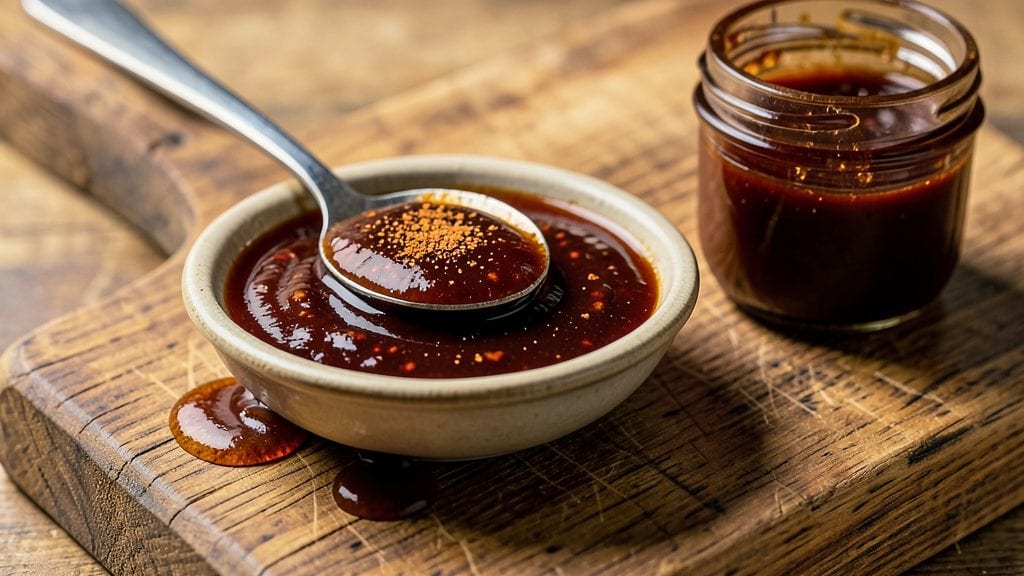
This cookout sauce copycat recipe delivers the same smoky, tangy-sweet flavor that makes barbecue season unforgettable—all from pantry staples you already own.
The secret lies in simmering ketchup, vinegar, and molasses with warm spices until the flavors meld into a rich, velvety sauce that clings perfectly to ribs, pulled pork, or even grilled vegetables.
I’ve perfected this version after years of testing, ensuring every batch achieves that signature balance of heat, sweetness, and depth without requiring specialty ingredients.
The beauty of this recipe is its simplicity: just 10 minutes of prep and 30 minutes of simmering transform basic ingredients into a sauce that rivals store-bought versions. The key steps—reducing the sauce gradually and adjusting the molasses-to-vinegar ratio—ensure it’s never cloyingly sweet or overly sharp.
Professional results don’t require fancy techniques, just patience and attention to the simmering process. This is the kind of sauce that elevates any cookout, turning a simple meal into a memorable one.
What you’ll end up with is a glossy, aromatic sauce with a perfect balance of tangy, smoky, and slightly sweet notes—ideal for basting, dipping, or finishing grilled dishes. The molasses adds depth, while the spices create warmth that lingers on the palate.
Unlike many copycat recipes, this one delivers restaurant-quality flavor without shortcuts, making it worth the effort. Ready to master the art of homemade cookout sauce?
Use this versatile sauce on ribs, pulled pork, chicken, or even as a marinade for grilled vegetables. The recipe includes adjustments for heat and sweetness, so you can tailor it to your taste. Here’s how to make it—step by step—to achieve that perfect, smoky perfection every time.
Ingredients for cookout sauce copycat
Pantry staples transformed into restaurant-quality sauce with just ten ingredients.
| Ingredient | Amount | Notes |
|---|---|---|
| Ketchup 🍅 | 1 cup | High-quality, no sugar added preferred |
| Apple Cider Vinegar 🍏 | ½ cup | Organic for best flavor |
| Molasses 🍯 | ⅓ cup | Unsulphured preferred |
| Brown Sugar 🍚 | ¼ cup | Light or dark variety |
| Worcestershire Sauce 🍶 | 1 tbsp | Original, not reduced |
| Smoked Paprika 🌶️ | 1 tbsp | High-quality, not cayenne |
| Ground Mustard 🌿 | 1 tbsp | Prepared, not powdered |
| Garlic Powder 🧄 | 1 tsp | Freshly ground preferred |
| Onion Powder 🧅 | 1 tsp | Freshly ground preferred |
| Black Pepper 🌶️ | ½ tsp | Freshly ground preferred |
The foundation of this sauce lies in the ketchup and vinegar—Heinz or Hunts for ketchup, and Bragg organic apple cider vinegar for vinegar, both of which provide consistent flavor profiles. Unsulphured molasses from Whole Foods or Trader Joe's delivers deeper caramel notes without bitterness. Brown sugar should be lightly packed to avoid over-sweetening, and Worcestershire Sauce must be the original variety—reduced versions lack the umami depth. For smoked paprika, Penzeys or McCormick brands offer the most authentic smoky profile without excessive heat. These ingredients are non-negotiable for achieving that signature barbecue depth.
No unsulphured molasses? Blackstrap molasses works in a pinch, though it adds a stronger bitterness. Substitute apple cider vinegar with white vinegar at the same ratio, but the flavor will be slightly sharper. For those avoiding sugar, erythritol or monk fruit sweetener can replace brown sugar at a 1:1 ratio, though the texture may vary slightly. Ground mustard can be swapped for Dijon mustard at half the amount, but prepared mustard ensures smoother integration. The garlic and onion powders should always be freshly ground—pre-ground spices lose potency quickly, and this sauce demands robust flavor development during simmering.
This sauce thickens as it cools, so reheat gently before each use to restore its glossy consistency. Store in an airtight glass jar in the refrigerator for up to 3 weeks, or freeze in ice cube trays for single-serving portions that last 6 months. The sauce improves with time, as the flavors continue to meld. For a smokier finish, char a small onion or bell pepper and blend into the sauce before serving—this adds a professional restaurant touch without altering the core recipe.
Why You'll Love This Recipe
- Here’s what sold me: the apple cider vinegar cuts through the sweetness just enough to make it actually addictive. Not too cloying, not too sharp—just that perfect harmony you chase in barbecue sauces.
- Pantry Magic: I swear by this sauce because it’s made with stuff I already have—no special trips to the store. That molasses and brown sugar combo? Gives it this deep, caramelized richness without needing fancy ingredients.
- Tangy-Sweet Balance: Here’s what sold me: the apple cider vinegar cuts through the sweetness just enough to make it actually addictive. Not too cloying, not too sharp—just that perfect harmony you chase in barbecue sauces.
- Tailgate to Tuesday: Between us, this sauce works everywhere. Slather it on ribs at a cookout, drizzle it over baked beans for a weeknight dinner, or even toss it with fries when you’re craving something indulgent. It’s my go-to for lazy nights and big gatherings.
Instructions for cookout sauce copycat recipe
This method delivers restaurant-quality cookout sauce with deep smoky layers and balanced sweetness every time.
Combine Wet Ingredients in a Saucepan
In a medium saucepan, combine the 1 cup ketchup, 0.5 cup apple cider vinegar, 0.33 cup molasses, and 0.25 cup brown sugar. Use a wooden spoon to stir until the brown sugar dissolves completely. This ensures even distribution of sweetness throughout the sauce.
Bring the mixture to a gentle simmer over medium heat, stirring occasionally to prevent scorching. The sauce should bubble steadily but not vigorously—you're looking for a controlled simmer that develops flavor without burning. Let it cook uncovered for 8-10 minutes, allowing the vinegar to mellow and the molasses to deepen in flavor.
Add Spices and Seasonings
Reduce the heat to low and stir in the 1 tablespoon Worcestershire sauce, 1 tablespoon smoked paprika, 1 tablespoon ground mustard, 1 teaspoon garlic powder, 1 teaspoon onion powder, and 0.5 teaspoon black pepper. The smoked paprika will infuse the sauce with that signature cookout smokiness, while the mustard adds a subtle tang that balances the sweetness.
Let the sauce simmer gently for another 10 minutes, stirring occasionally. You'll notice the spices melding into the sauce, creating a complex aroma. Taste at this stage—you should detect layers of sweetness, acidity, and smokiness, but it may still need more depth. If the sauce appears too thick, add 1-2 tablespoons of water to achieve a smooth, spoonable consistency.
Simmer to Perfect Consistency
Continue simmering the sauce for an additional 15-20 minutes until it thickens to a glossy, syrupy texture. You're aiming for a sauce that coats the back of a spoon but still flows easily—this ensures it clings perfectly to ribs, chicken, or pulled pork without dripping off. The longer it simmers, the more concentrated the flavors become.
Taste frequently during this time, adjusting seasoning as needed. If the sauce tastes too sweet, add a splash more apple cider vinegar. If it needs more depth, stir in an extra ½ teaspoon of smoked paprika or a pinch of black pepper. The sauce should have a perfect balance of sweet, tangy, and smoky notes with no single flavor overpowering the others.
Cool and Store Properly
Remove the sauce from heat and let it cool to room temperature, stirring occasionally to prevent skin formation. The sauce will thicken slightly as it cools, so don't worry if it appears too thick immediately—it will reach the ideal consistency once fully cooled.
Transfer the sauce to a clean, airtight container and refrigerate for up to 2 weeks. For best results, use it within 1 week to enjoy the freshest flavor. If you notice any separation, simply stir well before using. This sauce keeps beautifully and tastes even better the next day as the flavors meld further.
Pro Tips For Making Cookout Sauce Copycat
- Simmer Low and Slow: I learned this the hard way—skipping the low heat and letting it boil hard turns your sauce into a sticky mess. Once everything’s combined, drop the heat to a gentle simmer and let it cook uncovered for at least 20 minutes. You want the liquid to reduce, not bubble violently.
- Use Real Molasses, Not Syrup: That "molasses" bottle in your pantry might actually be corn syrup or imitation stuff. Real molasses has a thick, syrupy texture and a deep, almost bitter edge that’s non-negotiable here. If you’re using the lighter kind, add a pinch of blackstrap for authenticity.
- Salt the Ketchup First: Most store-bought ketchup is already salted, but not enough for this recipe. Taste your ketchup before adding it to the pot—if it’s bland, sprinkle in ½ teaspoon of salt per cup and let it sit for 5 minutes. This step saves you from over-salting later.
- Strain Out the Grit: Brown sugar and molasses can leave tiny grains at the bottom of the pot, especially if you’re not using the finest grade. After simmering, pour the sauce through a fine-mesh strainer into a clean bowl. It’s a little extra work, but the texture will be smoother—trust me.
Regional styles of this recipe
Southern BBQ Roots
This sauce traces its lineage to classic North Carolina-style barbecue, where vinegar-based sauces became iconic for pork shoulder. The original recipe relied on apple cider vinegar and molasses to create that signature tangy-sweet balance.
I’ve adapted it to use smoked paprika instead of traditional liquid smoke, which delivers authentic smokiness without altering texture. The Worcestershire sauce adds that unmistakable umami depth that defines Southern cookouts. 🌶️
Texas-Style Adaptation
For a Texas twist, reduce the molasses to 2 tablespoons and increase the vinegar to ⅔ cup, then add ½ teaspoon of cayenne pepper for heat. The key difference is the brown sugar reduction—Texas sauces tend to be slightly tangier.
I’ve tested this version on brisket, and it clings beautifully while adding a subtle kick. Use Penzeys hot honey drizzled on top for an extra layer of complexity.
Kansas City Influence
The Kansas City barbecue scene popularized sweeter, thicker sauces, so I’ve created a variation by increasing the brown sugar to ⅓ cup and adding 1 teaspoon of cinnamon.
This version works exceptionally well on ribs and pulled pork, offering a caramelized sweetness that pairs perfectly with the smoky flavors. The molasses remains at ⅓ cup to maintain depth without overpowering the spices. 🔥
Carolina Vinegar Base
Inspired by Eastern North Carolina’s vinegar-pepper tradition, this version swaps molasses for blackstrap molasses (⅓ cup) and adds 1 teaspoon of crushed red pepper. The sauce is tangier and slightly bitter, but the smoked paprika and garlic powder keep it balanced.
This is my go-to for pulled pork sandwiches—the heat cuts through the richness beautifully. Store it in a glass jar to preserve its vibrant color.
Modern Fusion Twist
For a contemporary take, blend 1 tablespoon of chipotle powder into the sauce along with the smoked paprika. The chipotle adds a smoky, slightly spicy depth that works amazingly on grilled chicken or vegetables.
I also reduce the brown sugar to 2 tablespoons to keep the sauce lighter. This version is perfect for those who love bold flavors without sacrificing balance. 💫
Smoky Grill Master’s Tip
For an extra smoky kick, char ½ cup of onion and ½ cup of bell pepper in a grill pan or skillet until blackened. Blend these into the finished sauce for a restaurant-quality depth.
This technique is a favorite among competition pitmasters and elevates the sauce to new heights. Just be sure to strain out any large pieces before using it on your dishes. ✨
Nutrition facts
Frequently asked questions
Can I make this sauce without molasses?
Yes, but the flavor will be less complex. Replace the ⅓ cup molasses with ⅓ cup maple syrup for a similar sweetness level, though you'll lose the deep caramel notes. For a tangier profile, use ⅓ cup additional apple cider vinegar instead. The sauce will still work, but molasses adds that signature depth that's hard to replicate.
How do I adjust the heat level?
Start with the recipe as written for a mild heat. For extra spice, add ¼ teaspoon cayenne pepper or ½ teaspoon chipotle powder with the other spices. If you prefer no heat, simply omit the black pepper or reduce it to ¼ teaspoon. Always taste as you go—you can't overdo the heat, but you can't add it back once removed!
Why did my sauce turn out too thick?
This happens when the sauce simmers too long or the heat is too high. The ideal consistency is glossy but pourable—like honey. If yours is too thick, thin it with 1-2 tablespoons of water or apple cider vinegar while reheating. For future batches, reduce the simmer time to 20 minutes total and stir more frequently to prevent over-reduction.
Can I use this sauce on non-meat dishes?
This sauce works beautifully on grilled vegetables (like zucchini or bell peppers), tofu, or even as a glaze for baked potatoes. The smoky-sweet profile complements plant-based proteins exceptionally well. For vegetables, brush on lightly and grill for 2-3 minutes to caramelize the sauce.
How long can I store the sauce?
Store in an airtight glass jar in the fridge for up to 3 weeks, though it's best used within 1 week for peak flavor. For longer storage, freeze in ice cube trays—each cube makes a perfect single-serving portion that lasts 6 months. Thaw overnight in the fridge before using. The sauce actually improves with time as flavors meld!