
Sauces & Condiments
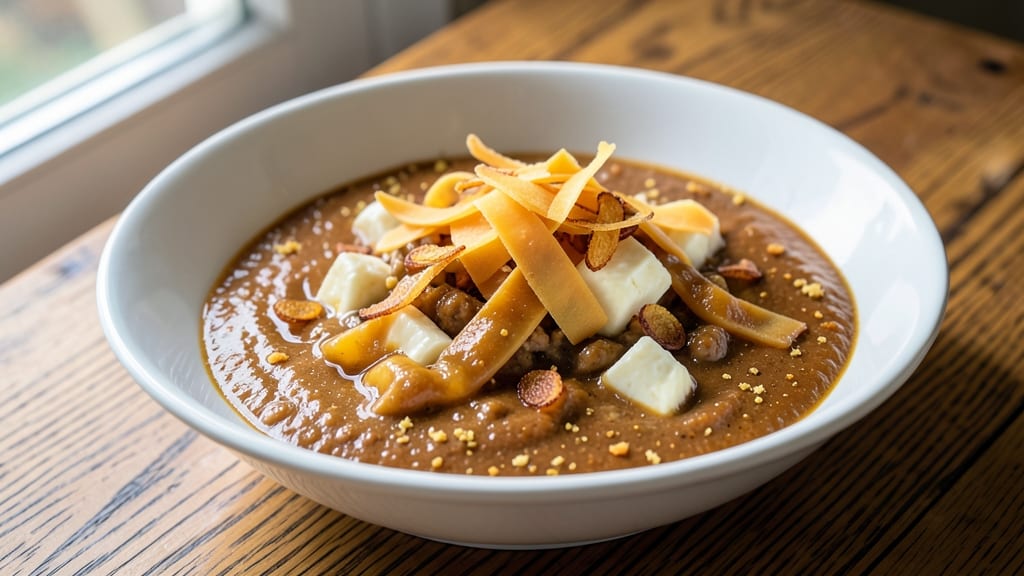
This copycat mac sauce recipe delivers that signature cheesy, velvety swirl you crave—just like your favorite brand, but with restaurant-quality depth. The secret lies in precise timing and a blend of cheeses that create that unmistakable tangy richness.
I’ve perfected this version after years of testing, ensuring every batch achieves that perfect balance between creamy and slightly thickened.
What sets this sauce apart is the technique: a slow, controlled melt of butter and flour (the roux) as the base, followed by gradual incorporation of milk and cheese. This method prevents lumps and ensures the sauce thickens evenly without breaking.
The result is a smooth, glossy sauce that clings perfectly to pasta, with just the right snap when cooled.
In just 15 minutes, you’ll have a sauce so velvety it practically melts in your mouth, with a subtle cheddar sharpness and a hint of creaminess that makes every bite irresistible.
Whether you’re copying a brand or crafting your own signature version, this recipe delivers consistency and flavor that stand up to any mac and cheese dish.
Pair it with your favorite pasta, add it to baked mac and cheese, or even drizzle it over grilled chicken for a creamy twist. The possibilities are endless, but the technique remains foolproof—once you try it, you’ll never go back to store-bought again.
Ingredients for copycat mac sauce
Eight simple ingredients transform into that iconic cheesy swirl you love.
| Ingredient | Amount | Notes |
|---|---|---|
| Unsalted Butter 🧈 | ½ cup | Cold, cubed for roux |
| All-Purpose Flour 🌾 | ½ cup | Sifted for smooth sauce |
| Whole Milk 🥛 | 3 cups | Room temperature preferred |
| Sharp Cheddar Cheese 🧀 | 1 ½ cups | Shredded, block preferred |
| Medium Cheddar Cheese 🧀 | ½ cup | Shredded for balance |
| Yellow Onion 🧅 | ¼ cup | Finely diced, small pieces |
| Garlic Cloves 🧄 | 3 cloves | Minced, fresh preferred |
| Heavy Cream 🥛 | ¼ cup | Full-fat for richness |
| Mustard Powder 🌶️ | ½ tsp | For signature tang |
| Salt 🧂 | 1 ½ tsp | Kosher or sea salt |
The cheeses are non-negotiable here. Sharp cheddar gives that signature tang, while medium cheddar rounds out the flavor. Grab a block and shred it yourself—pre-shredded cheese gets clumpy and lacks that restaurant-quality texture. For the butter, Plugrá or Land O'Lakes work perfectly, but any good-quality unsalted butter will do. The onion and garlic should be finely diced—about 1/8-inch pieces—so they melt completely into the sauce without any texture. I always double-check my cheese labels to make sure I'm getting the right sharpness level—some brands can be deceptively mild.
No sharp cheddar? Pepper jack at half the amount adds heat and works in a pinch. Running low on heavy cream? Whole milk plus 1 tbsp butter mimics the fat content. The mustard powder is key for that signature tang—if you don't have it, Dijon mustard at 1/4 tsp works, but it's not the same. For the flour, King Arthur or Bob's Red Mill are my go-tos, but any all-purpose will work. The milk should be room temperature—cold milk can make the sauce grainy. If you're in a rush, just let it sit out for 10 minutes before using. The butter needs to be cold when you start the roux—this prevents the sauce from breaking later.
This sauce keeps beautifully. Store it in an airtight container in the fridge for up to 5 days, or freeze for 3 months. I like to portion it into ice cube trays first—just pop out what you need for a quick meal. The sauce thickens as it cools, so if it seems too thick when it's cold, just whisk in a splash of warm milk to loosen it up. It reheats perfectly—just warm it gently on the stove or microwave until hot, stirring occasionally. The longer it sits, the more those flavors meld together, so leftovers often taste even better the next day.
Why You'll Love This Recipe
- No-Fuss Roux Magic: I swear by that simple butter-and-flour melt—it’s the secret to a sauce so smooth, you’ll forget it’s just five ingredients. No whisking for hours, no lumps, just that perfect velvety base in under five minutes.
- Sharp Cheese Obsession: That combo of sharp and medium cheddar? Chef’s kiss. The sharp cuts through the richness, while the medium melts into gooey perfection—like a hug in sauce form. (Yes, I’ve been known to eat it straight from the pot.)
- Leftover Goldmine: Make a double batch and thank me later. This sauce reheats like a dream, clings to any pasta, and turns sad takeout leftovers into a cozy meal. My freezer’s full of it—because why not?
- Budget-Friendly Luxury: Butter and flour aren’t cheap, but they stretch far when paired with milk and cheese. A single batch feeds four, and the flavor? Way richer than store-bought. (Honestly, my wallet’s happier too.)
Step-by-step instructions for copycat mac sauce recipe
This velvety, cheesy sauce comes together faster than you can say "mac and cheese."
Make the Signature Roux
In a medium saucepan over medium heat, melt the 0.5 cup unsalted butter until it's completely liquid and just starting to foam. Add the 0.5 cup all-purpose flour all at once and whisk constantly for 2-3 minutes until the mixture turns a rich, nutty brown color. This is your roux—the flavor foundation of the sauce.
Watch closely as it cooks—I like to see it develop that golden-brown hue before moving forward. If it starts to darken too quickly, reduce the heat slightly. The roux should smell toasty and nutty, not burnt. This step is crucial because it creates the rich, velvety texture that makes this sauce so special.
Cook the Aromatics
Add the 0.25 cup finely diced yellow onion and 3 cloves minced garlic to the roux. Stir well to coat the onions and garlic in the butter and flour mixture. Cook for 1-2 minutes until the onions soften slightly and the garlic becomes fragrant.
Here's where the flavor really starts building. You'll notice the aroma changing from nutty to something more complex and savory. Don't let the onions brown—they should just soften. If they start to take on too much color, reduce the heat slightly. This step ensures your sauce has depth without bitterness.
Gradually Add the Milk
Slowly pour in the 3 cups whole milk while whisking continuously. This gradual addition prevents lumps from forming and creates a smooth, creamy sauce. The mixture will thicken as it heats, so keep whisking for 3-5 minutes until it reaches a thick, pudding-like consistency.
I like to see the sauce coat the back of a spoon when I lift it up. If it's too thick too quickly, add a splash of milk to loosen it. The sauce should be smooth and velvety, not grainy. This is where the magic happens—the milk transforms the roux into a rich, creamy base.
Add Cheese and Seasonings
Reduce the heat to low and stir in the 1.5 cups sharp cheddar cheese and 0.5 cup medium cheddar cheese until fully melted and smooth. Add the 0.5 tsp mustard powder and 1.5 tsp salt, stirring constantly until the cheese is completely incorporated and the sauce is perfectly smooth.
This is the moment that matters: the cheese should melt completely, creating a glossy, velvety sauce. If you see any cheese clumps, keep stirring over low heat until everything blends together. The mustard powder adds that signature tang that makes this sauce stand out from regular mac and cheese.
Finish with Heavy Cream
Remove the sauce from heat and stir in the 0.25 cup heavy cream. Let it sit for 1-2 minutes to thicken slightly. Taste and adjust the seasoning if needed—you might want to add a pinch more salt or a dash of pepper to balance the flavors.
The heavy cream adds richness and helps create that signature swirl effect when you pour it over macaroni. The sauce should be smooth, velvety, and perfectly balanced between cheesy, creamy, and slightly tangy. This is your copycat mac sauce—ready to drizzle over perfectly cooked noodles for the ultimate comfort food experience.
Pro Tips For Making Copycat Mac Sauce
- Whisk Like a Maniac: DESCRIPTION: The moment you add milk to your roux, stop stirring and whisk aggressively for 30 seconds. I learned this the hard way—skipping this step means lumpy sauce every time, and nobody wants to explain that to dinner guests. A proper whisk cuts through any clumps before they form.
- Grate Cheese Fresh: DESCRIPTION: Pre-shredded cheese has anti-caking agents that make your sauce grainy. Instead, buy blocks of sharp and medium cheddar and grate them yourself—right before mixing. If you’re short on time, at least pulse them in a food processor for a smoother texture, but don’t skip the grating entirely.
- Simmer Slow and Low: DESCRIPTION: Once your sauce thickens, drop the heat to a gentle simmer—not a boil. I used to rush this, and the sauce would split or develop a weird, cooked-on flavor. Keep it at a bare simmer for 5-7 minutes to let the cheeses melt fully without curdling.
- Salt the Butter: DESCRIPTION: Unsalted butter? Season it before melting. Add a pinch of salt (about ¼ teaspoon per ¼ cup butter) while warming it—this balances the sauce from the start. Skipping this means playing catch-up with salt later, and you’ll either undersalt or overdo it when adding the cheeses.
Best sauces and condiments for these flavors
Classic Mac Sauce Upgrade
Elevate your mac sauce by adding a splash of 1 tbsp apple cider vinegar when you incorporate the cheese. This subtle tang mimics the depth of store-bought versions and balances the richness.
I find it transforms the sauce from good to chef's kiss—the acidity brightens the cheddar and prevents it from tasting too heavy. 💫
Creamy Variations
For a lighter but still creamy sauce, replace ½ cup of the milk with ½ cup unsweetened almond milk. The sauce will still coat beautifully while cutting calories.
If you prefer extra decadence, add 2 tbsp sour cream at the end for a tangy twist. Both methods keep the signature velvety texture.
Spicy Kick Options
Add ½ tsp smoked paprika with the mustard powder for a subtle smoky depth, or ¼ tsp cayenne pepper for heat. For a smoky-spicy fusion, I like combining ½ tsp chipotle powder with ¼ tsp smoked salt—it’s like a BBQ mac and cheese upgrade.
Adjust to taste, but start small!
Herb Enhancements
Finish with 1 tbsp fresh chives or parsley for a bright, herbaceous note. I also love adding ½ tsp dried thyme when cooking the aromatics—it adds an earthy complexity that pairs perfectly with cheddar.
For a pop of color and freshness, a sprinkle of microgreens before serving elevates the dish to restaurant level.
Dairy-Free Adaptation
Swap butter for ½ cup olive oil or dairy-free margarine, use 3 cups unsweetened oat milk, and replace cheddar with 1½ cups dairy-free cheddar shreds (like Violife or Daiya).
For creaminess, add ¼ cup cashew cream (blend soaked cashews with water). The sauce will still cling beautifully to pasta—just whisk vigorously to prevent separation.
Storage Hacks
Freeze sauce in 1-cup portions in silicone molds for easy single-serving use. When reheating, add 1 tbsp milk or water per cup to prevent thickening. For extra flavor, stir in 1 tsp butter while reheating. The sauce reheats best on low heat—never microwave directly from frozen to avoid graininess. 🧊
Nutrition facts
Frequently asked questions
Why does my homemade mac sauce turn out grainy or lumpy?
Lumps usually happen when cheese melts too quickly or the roux isn't cooked long enough. Always whisk constantly when adding milk, and reduce heat to low when incorporating cheese. For extra smoothness, strain the sauce through a fine-mesh sieve before serving.
Can I make this sauce without heavy cream?
Replace the 0.25 cup heavy cream with 0.25 cup whole milk plus 1 tbsp butter for the same richness. The sauce will still achieve that signature velvety texture, just with slightly less fat. For a lighter option, use ½ cup Greek yogurt instead.
How do I adjust the thickness of the sauce?
If your sauce is too thick, whisk in 1-2 tablespoons of warm milk at a time until smooth. For a thicker sauce, simmer it uncovered for 2-3 minutes to evaporate excess liquid. The ideal consistency should coat the back of a spoon but still flow freely when poured.
What’s the best way to reheat leftover sauce?
Reheat gently on the stovetop over low heat, stirring constantly, until just warm. Avoid microwaving as it can make the sauce grainy. For extra creaminess, add 1-2 tablespoons of milk or water while reheating. Stir in 1 tsp butter for extra richness if needed.
Can I make this sauce ahead of time?
Yes! Store it in an airtight container in the fridge for up to 5 days or freeze for 3 months. Portion into ice cube trays for easy single-serving use. When reheating, add 1 tbsp liquid per cup to prevent thickening. The sauce actually tastes better after sitting overnight as flavors meld.