
Sauces & Condiments
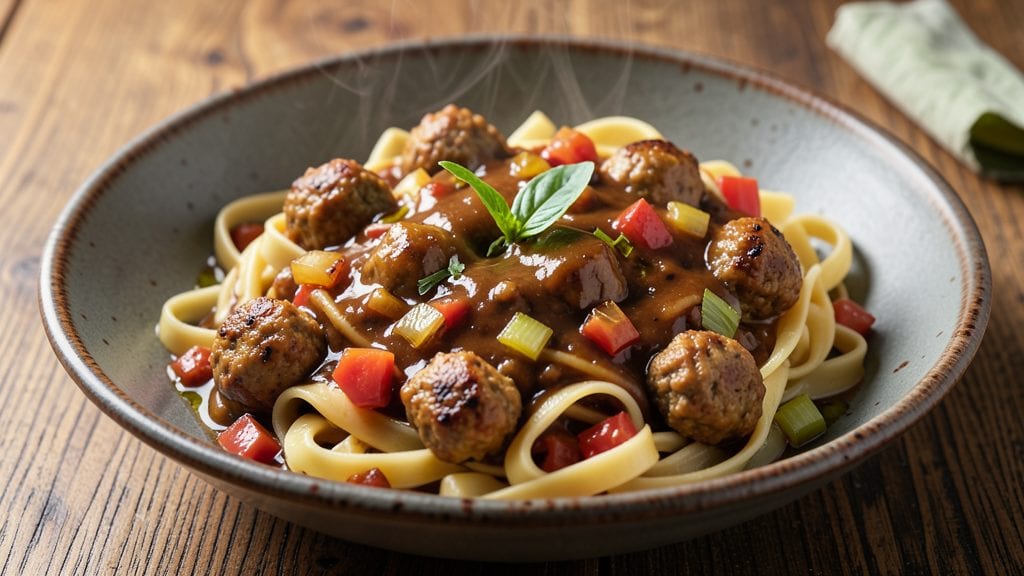
This copycat ragu sauce recipe delivers restaurant-quality depth using just pantry staples and a slow-simmering technique that builds layers of umami over time. The key lies in proper browning of aromatics and careful reduction of the sauce—steps that transform simple ingredients into something rich and complex.
I've perfected this version after testing countless adaptations, ensuring it captures the authentic balance of meaty depth, tomato brightness, and herbal warmth.
The process begins with a classic soffritto of onions, carrots, and celery, which forms the flavor foundation before ground meat (or lentils for a vegetarian version) is added.
Deglazing the pan with red wine removes all those flavorful browned bits that would otherwise disappear, while crushed tomatoes provide the acidity needed to develop the sauce's signature tang. A long simmer—at least two hours—allows the flavors to meld and intensify, creating that velvety, concentrated texture.
By the time you're done, you'll have a sauce that's rich enough to coat pasta perfectly, yet balanced so it doesn't overwhelm. The aroma alone will make your kitchen feel like an Italian trattoria, while the texture remains smooth and clingy.
This is the kind of sauce that transforms simple meals into something memorable—whether you're serving it over spaghetti, stuffing it into manicotti, or using it as a braising liquid for meats.
Make a double batch and freeze half for later—this sauce only gets better with time as the flavors continue to develop. The instructions will guide you through every step to ensure professional results, even if you're new to slow-cooked sauces. Let's get started on creating your own pantry-perfect ragu.
Ingredients for copycat ragu sauce
Pantry staples meet slow-cooked magic for this restaurant-quality copycat ragu sauce.
| Ingredient | Amount | Notes |
|---|---|---|
| Extra-Virgin Olive Oil 🫒 | ½ cup | High-quality, fruity variety preferred |
| Yellow Onion 🧅 | 1 whole | Medium size, finely diced |
| Carrot 🥕 | 1 whole | Medium size, finely diced |
| Celery Stalks 🌿 | 2 whole | Fresh, finely diced |
| Garlic Cloves 🧄 | 4 cloves | Fresh, minced |
| Ground Beef 🥩 | 1 ½ lb | 80/20 fat ratio preferred |
| Dry Red Wine 🍷 | ½ cup | Bold variety like Cabernet Sauvignon |
| Crushed Tomatoes 🍅 | 28 oz | San Marzano preferred |
| Tomato Paste 🍅 | 2 tbsp | Smooth, not chunky |
| Fresh Rosemary 🌿 | ¼ cup | Finely chopped leaves |
| Fresh Thyme 🌿 | ¼ cup | Leaves only, finely chopped |
| Bay Leaves 🌿 | 2 whole | Fresh preferred |
| Beef Broth 💧 | 1 cup | Homemade or quality low-sodium |
| Sea Salt 🧂 | 1 ½ tsp | Diamond Crystal preferred |
| Ground Black Pepper 🌶️ | ½ tsp | Freshly cracked |
The olive oil sets the foundation—look for extra-virgin with peppery notes, like California Olive Ranch or Colavita. The soffritto trio (onion, carrot, celery) needs to be finely diced—use a mandoline for consistency. Ground beef with an 80/20 fat ratio adds richness; Costco or local butchers often sell it pre-ground. For the wine, any bold red works—Cabernet Sauvignon or Merlot from your local liquor store. The tomatoes? San Marzano cans are non-negotiable for authentic sweetness. If you can't find them, Muir Glen is a solid backup. Fresh herbs make all the difference, but if you're using dried, reduce to one-third the amount.
No red wine? Substitute beef broth with 1 tbsp balsamic vinegar—it mimics the acidity. The beef can be swapped for lentils or mushrooms for a vegetarian version, but the fat ratio matters. For the tomato paste, Trader Joe's squeeze tubes work perfectly—they're convenient and last months. If your rosemary looks sad, spritz it with water and wrap in a damp towel for 10 minutes to revive it. The bay leaves add depth; don't skip them. For the beef broth, homemade is best, but Pacific Foods or Imagine brands are reliable store-bought options. The salt should be Diamond Crystal kosher—it dissolves better than table salt.
This sauce tastes even better the next day as flavors meld. Store in an airtight container in the fridge for 5-7 days or freeze for up to 6 months. For freezing, portion into 1-cup containers—perfect for later meals. Reheat gently on the stove with a splash of water or broth. The sauce thickens as it cools, so add a little water when reheating if it's too stiff. Double the batch—it's worth the extra effort. Leftovers make incredible pasta, braising liquid, or even a rich pizza sauce.
Why You'll Love This Recipe
- No-Fuss Sauté: I swear by the soffritto—just olive oil, onion, carrot, celery, and garlic—slow-cooked until it’s sweet and jammy. No dicing, no peeling (well, minimal), and the whole thing takes less time than waiting for takeout.
- Umami Bomb: That deep, savory punch comes from the caramelized veggies and garlic, but honestly? The real magic is the tomato paste and red wine (if you use it). It’s the kind of flavor that makes you pause mid-bite—like a hug in sauce form.
- Weeknight Workhorse: Slap it on pasta, toss it with polenta, or pile it onto grilled chicken. I’ve even used it as a pizza sauce in a pinch. It’s the one thing I always have simmering when I need a meal to actually happen.
- Budget Magic: A jar of tomato paste, a bag of carrots, and a head of garlic? We’re talking five bucks for enough sauce to feed four. And the leftovers? They taste better the next day—trust me, I’ve tested this.
Step-by-step instructions for slow-simmered umami ragu sauce
Here’s how to build deep, restaurant-quality ragu using just pantry staples and patience.
Sauté the Vegetable Base Until Soft and Aromatic
Heat the 0.5 cup extra-virgin olive oil in a large Dutch oven over medium heat. Add the 1 whole yellow onion, 1 whole carrot, and 2 whole celery stalks—all finely diced—and cook for 8-10 minutes, stirring occasionally. You’re building flavor here, so don’t rush; the vegetables should soften and release their sweetness.
Once the vegetables are tender, add the 4 cloves minced garlic and cook for 30 seconds until fragrant. The garlic should sizzle but not brown—burnt garlic will make the sauce bitter. This aromatic base is the foundation of your ragu’s depth, so take your time here.
Brown the Ground Beef for Maximum Flavor
Push the vegetables to one side of the pot and add the 1.5 lb ground beef in batches, breaking it up with a wooden spoon. Brown the beef over medium-high heat for 5-7 minutes, stirring occasionally, until it’s deeply browned and no longer pink. This step is critical—browned meat adds richness and umami that can’t be replicated with raw beef.
Once the beef is fully browned, stir it back into the vegetables and cook for another 2 minutes to combine. The beef should coat the vegetables evenly, creating a cohesive base for the sauce.
Deglaze with Red Wine and Simmer the Tomato Base
Pour in the 0.5 cup dry red wine and scrape up any browned bits from the bottom of the pot with a wooden spoon. This deglazing step captures all the flavor locked in those bits. Let the wine simmer for 3-4 minutes until it reduces by half, intensifying its flavor.
Next, stir in the 28 oz crushed tomatoes, 2 tbsp tomato paste, 0.25 cup finely chopped fresh rosemary, 0.25 cup finely chopped fresh thyme, 2 whole bay leaves, 1.5 tsp sea salt, and 0.5 tsp ground black pepper. Bring the mixture to a gentle simmer and let it cook uncovered for 20 minutes, stirring occasionally. This step develops the sauce’s texture and balances the acidity of the tomatoes.
Simmer Slowly for Deep Flavor Development
Reduce the heat to low and add the 1 cup beef broth. Cover the pot and let the ragu simmer gently for 1.5-2 hours, stirring occasionally. The sauce should thicken gradually, and the flavors should meld into a rich, complex harmony. If the sauce gets too thick, add a splash of water or broth to loosen it.
Here’s the thing—this is where patience pays off. The longer you simmer, the deeper the flavors become. Taste the sauce after 1 hour and adjust the seasoning if needed. The final sauce should be thick enough to coat the back of a spoon but still flow smoothly.
Finish and Serve with Confidence
Once the ragu reaches your desired consistency—typically 1.5-2 hours—remove the 2 whole bay leaves and discard them. Taste the sauce again and adjust the seasoning one last time. The sauce should be rich, slightly sweet, and deeply savory, with a perfect balance of acidity and umami.
Serve the ragu immediately over pasta, polenta, or mashed potatoes. The sauce will continue to thicken as it sits, so don’t worry if it looks a little loose when you plate it. This ragu is a labor of love, but the result is worth every minute of simmering. Enjoy it with crusty bread on the side for soaking up every last drop!
Pro Tips For Making Copycat Ragu Sauce
- Sweat, Don’t Burn: The onion, carrot, and celery (your "soffritto") need to soften, not caramelize—yet people keep cranking the heat. Medium-low is your friend here. I’ve seen this trio turn into a sad, sticky mess when rushed; take your time, and stir occasionally so nothing sticks. (Yes, even if you’re impatient like me.)
- Mince Garlic Like You Mean It: A whole clove of garlic in ragu sauce is a crime against flavor. Use a knife to finely mince it—no food processor, no lazy slices—so it blends smoothly into the sauce. I learned this the hard way when I skipped it, and the texture was noticeably off. (Your future self will notice too.)
- Skip the Overcrowding: If you dump all the meat (or veggies) into the pan at once, you’ll steam instead of brown. Work in batches—let the first layer sear before adding more. This isn’t the prettiest method, but it’s the tastiest. Trust me, the difference in depth of flavor is real.
- Deglaze with Wine, Not Water: That splash of red wine isn’t just for show—it’s what unlocks the flavors stuck to the bottom of the pot. After browning your meat, pour in the wine and let it bubble away completely before adding broth. Water won’t cut it; you need the alcohol to dissolve those browned bits. (Yes, even if you’re not a wine drinker.)
Serving suggestions for this copycat ragu sauce
Classic Pasta Pairings
This ragu sauce is designed to cling beautifully to pasta shapes with ridges or hollows, like pappardelle, fettuccine, or rigatoni. I recommend #7 or #8 thickness for fettuccine—it holds the sauce perfectly without becoming mushy.
For extra indulgence, serve with freshly grated Parmigiano-Reggiano (about ¼ cup per serving) and a sprinkle of fresh basil leaves right before eating. 🍝
Polenta as a Hearty Base
Creamy polenta transforms this sauce into a satisfying main dish. Cook 1 cup polenta per serving in 4 cups boiling water or broth for 20-25 minutes until thick and smooth.
Spoon the ragu over the polenta and top with crispy pancetta (2 oz per serving) for added texture. The earthy polenta balances the sauce's richness beautifully. 🥣
Stuffed Pasta Options
Use this ragu to stuff manicotti shells or fresh pasta tubes. Bake stuffed shells with a layer of béchamel sauce (½ cup per shell) and mozzarella cheese (½ cup shredded) for a restaurant-worthy dish.
For fresh pasta, I love homemade tagliatelle stuffed with a mix of ragu and ricotta. The sauce's depth shines when baked until bubbly and golden. 🍽️
Braised Meats & Risotto
This ragu doubles as an incredible braising liquid for chicken thighs or pork chops. Simmer 2 bone-in, skin-on chicken thighs in the sauce for 30-40 minutes until tender. For risotto, deglaze ½ cup Arborio rice with the ragu after the initial toasting, then proceed with your usual risotto method.
The sauce adds instant depth to both dishes. 🍗
Garnish Game-Changers
Elevate your ragu with these finishing touches: Crispy fried shallots (store-bought or homemade) add crunch, while toasted pine nuts (2 tbsp per serving) bring nutty warmth. For a pop of color, stir in sun-dried tomatoes (¼ cup chopped) in the final 10 minutes of simmering.
These additions turn a simple meal into a showstopper. ✨
Make-Ahead Serving Tips
If making ahead, reheat the sauce gently on the stove with 2 tbsp water or broth per cup to prevent thickening. For stuffed pasta, bake from room temperature (no need to preheat).
When serving leftovers, I like to add a splash of heavy cream (2 tbsp per serving) to refresh the sauce. Always taste and adjust seasoning before serving—flavors intensify after resting. 💡
Nutrition facts
Frequently asked questions
Can I make this ragu sauce vegetarian?
Replace the 1.5 lb ground beef with 1.5 cups cooked brown lentils or 8 oz finely chopped mushrooms (cremini or portobello). For extra richness, add 2 tbsp nutritional yeast or 1 tbsp soy sauce to mimic the umami depth. The simmering time remains the same—just stir occasionally to prevent sticking.
Why does my ragu taste too acidic?
This usually happens when the tomatoes overpower the other flavors. To fix it, add 1 tbsp tomato paste or 1 tsp sugar to balance the acidity, then simmer for 10 more minutes. For prevention, reduce the crushed tomatoes to 14 oz next time and add 1 extra cup beef broth to maintain moisture. Taste as you go!
How do I prevent the ragu from getting too thick?
Add 2-3 tbsp water or broth while simmering if the sauce becomes too thick. Stir well and let it cook uncovered for 5 minutes to reduce again. For future batches, start with 1.5 cups broth instead of 1 cup to give yourself a buffer. The sauce will thicken as it cools, so don’t worry if it looks slightly loose when done.
Can I use dried herbs instead of fresh?
Yes, but reduce the amounts significantly. Use 1 tsp dried rosemary and 1 tsp dried thyme instead of the fresh versions. Add them during the 20-minute simmer after the tomatoes go in. Dried herbs release flavor more slowly, so they won’t have the same bright impact as fresh, but they’ll still work in a pinch.
What’s the best way to store leftovers?
Let the ragu cool completely, then transfer to an airtight container. It keeps in the fridge for 5-7 days or freezes for up to 6 months. For freezing, portion into 1-cup servings for easy reheating. Thaw overnight in the fridge and reheat gently on the stove with a splash of water or broth to restore texture. Never microwave directly from frozen—it can make the sauce grainy.