Sauces & Condiments
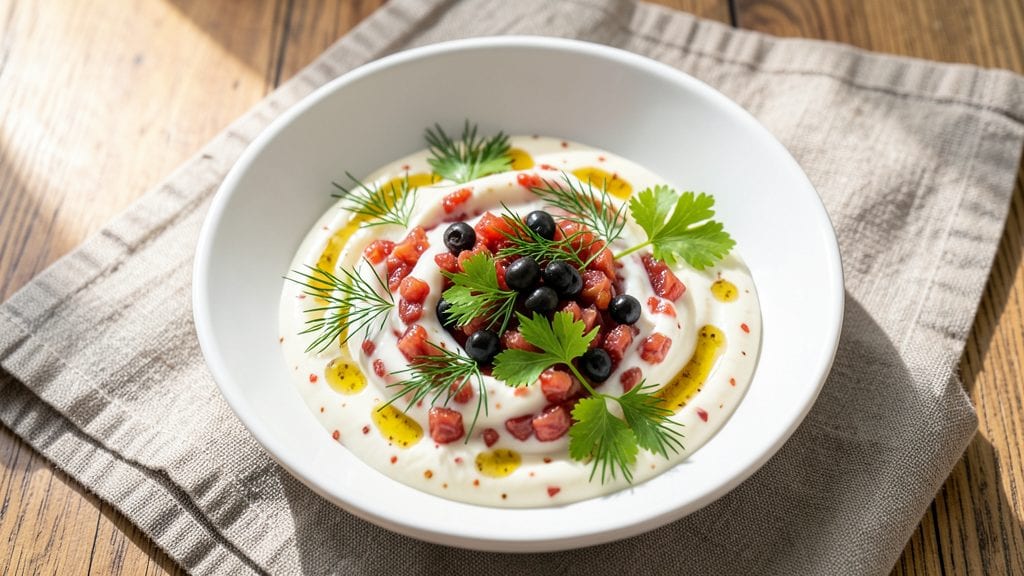
This copycat tartar sauce delivers the same bright, tangy, and herby flavor that makes it the perfect match for fried fish, shrimp, or golden fries. The secret lies in balancing mayonnaise with finely chopped pickles, capers, and fresh herbs—no shortcuts, just precise measurements for that signature texture.
I’ve perfected this recipe over years of testing, ensuring every spoonful stays emulsified and full of flavor.
The key to authentic tartar sauce is the emulsification process, where mayonnaise binds with the acidity of lemon juice and the saltiness of capers. Chop the pickles and herbs finely for a smooth, velvety consistency that clings to every bite.
This isn’t just a sauce—it’s a flavor enhancer that transforms simple dishes into restaurant-quality meals.
Once mixed, this tartar sauce keeps beautifully in the refrigerator for up to a week, making it ideal for meal prep or entertaining. The right balance of ingredients ensures it stays creamy and vibrant, not grainy or separated.
Whether you’re dipping, drizzling, or spreading, this copycat version delivers the same bold, tangy punch as the original.
Ready in just 10 minutes, this recipe requires no special equipment—just a bowl, a whisk, and a taste for precision. The result? A sauce so good, you’ll never buy it again. Let’s get started.
Ingredients for copycat tartar sauce
Nine ingredients. One bowl. The perfect balance of tangy, herby, and creamy for that signature tartar sauce.
| Ingredient | Amount | Notes |
|---|---|---|
| Dijon Mustard 🍯 | 1 tbsp | High-quality, for emulsification |
| Extra-Virgin Olive Oil 🫒 | ¼ cup | Light, fruity variety preferred |
| Dill Pickle Relish 🥒 | ¼ cup | Finely chopped, not chunky |
| Fresh Dill Weeds 🌿 | ¼ cup | Finely chopped, stems removed |
| Fresh Parsley Leaves 🌿 | ⅛ cup | Finely chopped, flat-leaf preferred |
| Capers 🍈 | 2 tbsp | Rinsed, finely chopped |
| Lemon Juice 🍋 | 1 tbsp | Freshly squeezed, no pulp |
| Mayonnaise 🥫 | ½ cup | High-quality, smooth texture |
| Kosher Salt 🧂 | ½ tsp | Diamond Crystal preferred |
| Black Peppercorns 🌶️ | ¼ tsp | Freshly ground, coarse grind |
The mayonnaise serves as the emulsifying base, so Duke's or Hellmann's are ideal for their smooth texture and stable consistency. Fresh dill and parsley are non-negotiable for that bright, herby punch—grab them from the grocery store's refrigerated section, ideally within 24 hours of purchase. Capers should be brined, not salt-packed, and rinsed thoroughly to remove excess salt. For the pickles, Heinz Dill Pickle Relish is the gold standard, but any finely chopped relish works. The Dijon mustard adds depth without overpowering, while the olive oil provides a subtle fruity note that rounds out the flavors.
No fresh dill? Dried dill at one-third the amount is a decent substitute, though it lacks the vibrant freshness. Short on capers? Finely chopped green olives or cornichons add a similar briny tang. The lemon juice is critical for acidity—bottled lemon juice works in a pinch, but freshly squeezed delivers superior brightness. For a lighter version, reduce the mayonnaise to 0.375 cups and add an extra 0.125 cup of olive oil. The key to emulsification is slow, steady whisking—don't rush it, or you'll end up with a broken sauce.
This tartar sauce holds beautifully in an airtight container in the refrigerator for up to 7 days. For longer storage, portion into ice cube trays, freeze, and transfer to a bag—perfect for single-use portions. If the sauce separates, simply whisk vigorously to re-emulsify. The flavor actually improves after 24 hours as the ingredients meld together. Store any unused mayonnaise in the fridge for up to 3 months, though fresh is always best for this application.
Why You'll Love This Recipe
- No-Fuss Mixing: I swear by this recipe because it’s basically a whisk-and-go situation. Just stir together Dijon, olive oil, that tangy pickle relish, and a handful of fresh herbs—no blender, no fuss, no waiting for anything to cool.
- Tangy, Herby Magic: The combo of Dijon’s sharp bite, the briny crunch from the relish, and the bright freshness of dill and parsley? It’s like a flavor party in your mouth. Honestly, I’ve tried store-bought versions, but this one actually tastes homemade.
- Game for Any Meal: This sauce works with fish, chicken, fries, even as a dip for veggies. I keep a jar in the fridge for lazy weeknights when I’m craving something quick but still want that restaurant-quality taste.
- Lasts All Week: Between us, I’ve had this sauce survive five days in the fridge without losing its zip. It’s cheap to make (pickle relish is a steal!) and saves me from buying overpriced bottled sauce every time I want a little extra flavor.
Step-by-step instructions for copycat tartar sauce
This method delivers a perfectly balanced, restaurant-quality tartar sauce with bright acidity and herby freshness.
Combine Base Ingredients for Emulsification
In a medium bowl, whisk together the 0.5 cup mayonnaise and 1 tbsp Dijon mustard until completely smooth. The Dijon helps create a stable emulsion, preventing the sauce from separating. Add the 0.25 cup extra-virgin olive oil and whisk vigorously for 30 seconds until fully incorporated.
This initial blending is critical—the mayonnaise and oil must integrate completely before adding other ingredients. If you notice any streaks of oil, continue whisking until the mixture achieves a uniform, velvety consistency. The sauce should coat the back of a spoon without leaving an oily residue.
Fold in Pickle Relish and Herbs
Add the 0.25 cup dill pickle relish, 0.25 cup fresh dill weeds, and 0.125 cup fresh parsley leaves to the bowl. Using a rubber spatula, gently fold these ingredients into the mayonnaise mixture until evenly distributed. The relish provides the signature tangy sweetness, while the fresh herbs contribute bright, aromatic depth.
Work quickly but carefully—overmixing can break down the emulsion. You're aiming for a sauce with visible flecks of herbs and relish, not a completely smooth texture. The final product should have a vibrant green hue with subtle speckles throughout. If the mixture appears too thick, add 1 teaspoon water and stir gently to adjust consistency.
Incorporate Acid and Seasonings
Add the 2 tbsp capers, 1 tbsp lemon juice, 0.5 tsp kosher salt, and 0.25 tsp black peppercorns to the bowl. Using the spatula, fold these ingredients in until fully combined. The capers provide a briny contrast, while the lemon juice brightens the overall flavor profile. Taste the mixture and adjust seasoning if needed—you may want to add a pinch more salt or lemon juice to achieve the perfect balance.
At this stage, the sauce should have a tangy, herby character with a subtle crunch from the capers. The texture should remain smooth but with visible herb flecks. If the sauce appears too thick, add 1 teaspoon water at a time until it reaches a spreadable consistency. For best results, let the sauce rest for 10 minutes before serving to allow flavors to meld completely.
Final Adjustments and Serving
After resting, give the sauce one final taste and adjust seasoning if necessary. The ideal tartar sauce should be tangy, herby, and slightly briny with a smooth, creamy texture. Transfer the sauce to a serving bowl or small dish and cover with plastic wrap, pressing the wrap directly onto the surface to prevent a skin from forming.
This sauce pairs perfectly with fried fish, shrimp cocktails, or as a dip for golden fries. For best flavor, use within 2-3 days when stored in the refrigerator. The emulsion will hold well, but the fresh herbs will maintain their brightest flavor during this time. If the sauce separates slightly, simply whisk it vigorously to restore the creamy texture before serving.
Pro Tips For Making Copycat Tartar Sauce
- Whisk Slowly First: Start with a slow, deliberate whisk to emulsify the Dijon mustard and olive oil—this is where the sauce either comes together or falls apart. I used to blast it, and the oil would just float on top. After three failed batches, I learned patience pays off here.
- Drain Pickle Juice: Skip the excess pickle juice from the relish—it’ll make your sauce watery and dull. Pat the relish dry with a paper towel first, or drain it in a fine-mesh strainer for 10 seconds. Trust me, the texture will be smoother and brighter.
- Pulse Herbs, Don’t Chop: Use a mini food processor or clean hands to gently pulse the fresh dill and parsley—this keeps the herbs bright and prevents clumps. I tried mincing them finely once, and the sauce tasted like a mouthful of grass. A quick pulse is all you need.
- Finish with Cold Oil: Reserve 1 teaspoon of olive oil at the end and drizzle it in while whisking—this locks in the emulsion and adds that signature silky finish. I learned this after my sauce broke twice when I mixed everything at once. It’s a small move, but it makes a real difference.
Essential equipment for copycat tartar sauce
Mixing Bowl Essentials
Start with a medium stainless steel bowl—I recommend OXO Good Grips for its non-slip base and durable construction. The smooth interior prevents the sauce from sticking, and the size accommodates all ingredients without overcrowding.
A whisk with silicone handles (like Norpro’s 12-inch model) ensures even emulsification without splattering. 🥄
Knife and Cutting Board
Use a sharp chef’s knife (I prefer Wüsthof’s Ikon series) to finely chop pickles, capers, and herbs—the goal is a paste-like texture with no visible chunks.
A cutting board with a juicer groove (like John Boos’ bamboo boards) catches excess liquid from the herbs, keeping your workspace tidy. For extra precision, a microplane works well for zesting lemon rind if you want added brightness.
Measuring Tools
Precision matters here, so grab a liquid measuring cup for the olive oil and lemon juice, and a set of stainless steel measuring spoons (like OXO’s nested set) for the Dijon, capers, and salt.
A small rubber spatula (I use OXO’s flexible silicone version) helps scrape every last bit of sauce from the bowl during folding. 📏
Optional Pro Tools
For a smoother finish, consider a mini food processor (like Cuisinart’s 3-cup model) to finely chop the herbs and pickles—just pulse briefly to avoid over-processing. A small glass jar with a tight-sealing lid (like Ball mason jars) is perfect for storing leftovers, as the dark glass preserves freshness.
If you’re making this often, a small mortar and pestle helps crush capers and peppercorns for an extra layer of texture.
Storage Containers
Transfer finished sauce to an airtight glass container (I love Le Parfait’s 8-ounce jars) for fridge storage. The glass won’t absorb odors, and the tight seal keeps the emulsion intact.
For single servings, silicone ice cube trays work great—freeze portions and transfer to a bag for later use. Label containers with the date to track freshness. ❄️
Nutrition facts
Frequently asked questions
Why does my tartar sauce separate or get grainy?
This usually happens when the emulsion breaks due to overmixing or improper ingredient ratios. The key is to whisk the mayonnaise and oil together first until smooth, then fold in other ingredients gently. If it separates, whisk vigorously to re-emulsify. For a smoother texture, ensure your pickles and herbs are finely chopped (almost paste-like).
Can I make tartar sauce without mayonnaise?
Yes! For a lighter version, replace half the mayonnaise with 0.25 cup olive oil and add 1 tbsp lemon juice to help bind it. You may need to whisk more vigorously to maintain the creamy texture. This version works well for those avoiding dairy or watching fat intake.
What’s the best way to store leftover tartar sauce?
Transfer to an airtight glass container and refrigerate for up to 7 days. Press plastic wrap directly on the surface to prevent a skin from forming. For longer storage, freeze in ice cube trays—thaw overnight in the fridge before using. The flavor actually improves after 24 hours as ingredients meld.
How do I adjust the flavor if it tastes too salty or bland?
For extra tang, add ½ tsp more lemon juice. If it’s bland, try ½ tsp extra capers or a pinch of freshly ground black pepper. Too salty? Balance it with 1 tsp honey or sugar to mellow the saltiness. Always taste as you go—small adjustments make the biggest difference!
Can I use dried herbs instead of fresh?
Yes, but use ⅓ the amount of dried dill or parsley (e.g., ⅛ tsp dried dill instead of ¼ cup fresh). Dried herbs lack the bright, fresh flavor, so they won’t replicate the restaurant-quality taste. If using dried, add ½ tsp extra lemon juice to compensate for the lack of freshness.