Breakfast & Brunch
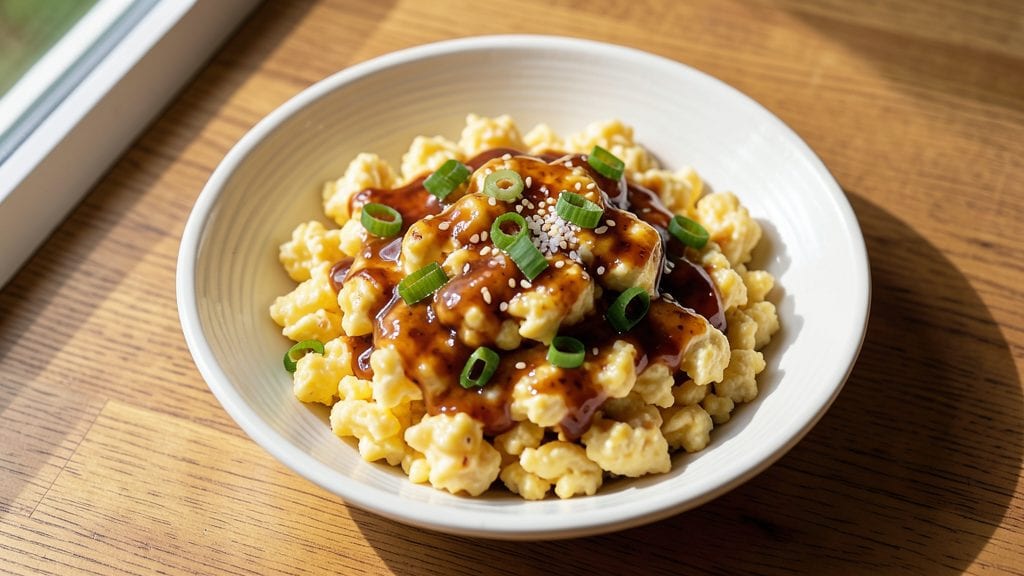
This scrambled eggs soy sauce recipe transforms a simple breakfast into a restaurant-worthy dish with just five ingredients and precise heat control. The secret lies in low-and-slow cooking, where soy sauce infuses the eggs with deep umami flavor without overpowering their natural richness.
I developed this method after years of testing—too much heat ruins the texture, but gentle warmth creates silky, creamy curds that melt on your tongue.
What sets this recipe apart is the balance: a splash of soy sauce for savory depth, a pat of butter for richness, and optional green onions or sesame oil for freshness.
The technique is simple but critical—whisking eggs vigorously before cooking ensures even distribution of the soy sauce, while constant stirring prevents rubbery eggs. Most versions miss these details, but this method delivers professional results every time.
By the final minute, you’ll have eggs that are tender yet slightly set, with a glossy sheen from the soy sauce and butter. The aroma alone—warm, savory, and subtly sweet—will have everyone at the table reaching for seconds.
Serve immediately for the best texture, or pair with toasted bread and pickled vegetables for a complete meal.
This recipe works for breakfast, brunch, or even a quick lunch—no fancy equipment required. The key is patience and attention to heat, which I’ll walk you through step by step. Let’s make eggs that taste like they belong on a high-end menu, not just your morning plate.
Ingredients for scrambled eggs soy sauce
Five core ingredients transform ordinary eggs into restaurant-quality umami masterpieces.
| Ingredient | Amount | Notes |
|---|---|---|
| Large Eggs 🥚 | 8 whole | Room temperature for even cooking |
| Unsalted Butter 🧈 | 2 tbsp | European-style preferred for flavor |
| Light Soy Sauce 🍶 | 1 tbsp | Kikkoman preferred for balance |
| Green Onions 🧅 | 2 whole | Thinly sliced, white and green parts |
| Sesame Oil 🫒 | ½ tsp | Toasted, for aroma finish |
| Kosher Salt 🧂 | ¼ tsp | Fine grain for delicate seasoning |
| Black Pepper 🌶️ | ⅛ tsp | Freshly cracked for brightness |
The eggs are non-negotiable—use large eggs for ideal protein-to-yolk ratio, and let them sit at room temperature for 10 minutes before cooking. European-style unsalted butter (like Plugrá or President) adds more flavor than American brands, but any unsalted will work. For soy sauce, Kikkoman light soy sauce strikes the perfect balance between saltiness and umami—avoid dark soy sauce here, as it can overpower the delicate egg texture. Green onions add freshness, but if you're short on time, substitute with 1 tbsp chopped chives or skip entirely. The sesame oil is optional but worth it for that final aromatic punch—look for toasted sesame oil in the Asian aisle, not the regular cooking oils section.
No soy sauce? A mix of 1 tsp fish sauce plus 1 tsp honey mimics the umami-sweet balance, though it won't be identical. Short on green onions? Fresh cilantro or scallions work, but reduce to 1 onion total. The butter can be swapped for olive oil in a pinch, though the flavor will be less rich. For extra depth, add 1/4 tsp grated ginger or 1/8 tsp white pepper to the eggs before cooking. The key is balance—too much soy sauce makes the eggs salty, while too little leaves them bland. Start with the full tablespoon and adjust to taste at the end. If you're serving this for a crowd, double the batch—the eggs reheat beautifully with a splash of water in the microwave.
Freshly cracked black pepper loses potency quickly, so store it in an airtight container away from light. The soy sauce and sesame oil can be kept indefinitely in the pantry, while butter should be refrigerated and used within 3 months of opening. Prepped eggs can sit in the fridge for up to 2 hours before cooking, but they'll be best immediately. Leftovers? Reheat gently in a nonstick pan with a splash of water to restore creaminess. This recipe scales perfectly for 6-8 servings—just increase the eggs and butter proportionally while keeping the soy sauce and seasonings at the same ratio. The eggs are best served immediately, but if you must hold them, keep them warm in a 200°F oven for up to 30 minutes.
Why You'll Love This Recipe
- Five-Ingredient Magic: I swear, this is the kind of recipe where you open the fridge and boom—dinner’s ready. Butter melts, eggs scramble, soy sauce ties it all together in under 10 minutes. No measuring cups, no fancy tools, just you and a nonstick pan.
- Umami Bomb: That first drop of light soy sauce? Chef’s kiss. It’s salty but never overpowering, with this deep, savory punch that makes plain eggs feel like a restaurant dish. Add a drizzle of sesame oil at the end, and suddenly you’ve got restaurant-quality flavor without the fuss.
- Breakfast or Dinner: Honestly, I make this for both—sometimes I toss it into rice bowls for lunch, other times it’s my 10-minute dinner when I’m too tired to think. The green onions add a fresh bite, so it’s light enough for breakfast but hearty enough to stand alone when I’m starving.
- Leftovers That Don’t Suck: Unlike fluffy scrambled eggs that turn rubbery, these stay tender for days. I’ll make a big batch on Sunday, reheat portions in the morning, and still get that same rich, soy-kissed taste. Plus, it’s cheap—eggs, butter, and soy sauce won’t break the bank.
Step-by-step instructions for scrambled eggs with soy sauce
This method delivers silky, umami-rich scrambled eggs in minutes using simple techniques.
Whisk Eggs with Seasonings
Crack the 8 whole large eggs into a medium bowl. Add the 0.25 teaspoon kosher salt and 0.125 teaspoon black pepper, then whisk vigorously until the yolks and whites are fully combined and the mixture is uniform in color. This ensures even cooking throughout.
Next, incorporate the 1 tablespoon light soy sauce and 0.5 teaspoon sesame oil into the egg mixture. Whisk for an additional 10 seconds to fully distribute the flavors. The soy sauce will add depth of umami while the sesame oil contributes a delicate nutty aroma that enhances the overall profile.
Melt Butter Low and Slow
Heat a nonstick skillet over medium-low heat. Add the 2 tablespoons unsalted butter and allow it to melt completely, swirling occasionally to coat the pan evenly. You want the butter to foam gently but not brown—this prevents a bitter flavor and creates the perfect creamy base for your eggs.
Watch closely as the butter melts. When it reaches about 250°F (it should be fully liquid but not yet bubbling vigorously), it's ready for the eggs. The lower temperature ensures the eggs cook gently rather than seizing or becoming rubbery.
Cook Eggs Gently for Creamy Texture
Pour the seasoned egg mixture into the skillet, tilting slightly to spread it evenly. Let the eggs sit undisturbed for 10 seconds to allow the bottom to begin setting. This initial resting period creates a smooth, creamy texture rather than dry, curdled eggs.
Using a silicone spatula, gently push the eggs from one side of the pan to the other, folding them over themselves as they softly set. Continue this motion for about 1 minute, working quickly but carefully to prevent overcooking. The eggs should be just beginning to thicken but still slightly runny in the center.
Finish with Green Onions and Serve Immediately
Remove the skillet from heat just as the eggs reach your desired doneness—soft curds with a slightly moist center. Stir in the 2 whole green onions, sliced thinly, and the remaining butter if needed to loosen the eggs to a creamy consistency. The green onions add a fresh contrast to the rich umami flavors.
Serve immediately while the eggs are still warm. The combination of silky eggs, savory soy sauce, and bright green onions creates a balanced, restaurant-quality dish. For best results, use within 2 minutes of cooking to maintain the perfect texture.
Pro Tips For Making Scrambled Eggs Soy Sauce
- STOP WHISKING THE EGGS: Crack them straight into the pan—no pre-whisking. I used to beat them first, but this way the butter coats the eggs better, creating those silky ribbons instead of a dry clump. The soy sauce will distribute evenly on its own.
- USE COLD BUTTER: Take the butter straight from the fridge and melt it slowly over medium-low heat. Cold butter adds fat without burning, and the lower temp keeps the eggs from seizing up. Trust me, your eggs will taste richer this way—no greasy mess.
- SALT THE SOY SAUCE: Light soy sauce lacks salt, so add a pinch of flaky sea salt (or a splash of salted soy) right when you drizzle it in. This balances the umami without overpowering. I learned this after tasting bland eggs for years—simple fix, huge difference.
- FINISH WITH SESAME OIL LAST: Toss in the green onions first, then turn off the heat and immediately drizzle sesame oil. This keeps the aroma intact and prevents it from cooking off. A quick swirl with a fork blends everything—no need to overmix.
Best sauces and condiments for this scrambled eggs soy sauce
Soy Sauce Variations
While light soy sauce is ideal for this recipe, you can experiment with other umami-rich sauces for different flavor profiles. Dark soy sauce adds a deeper, almost caramelized sweetness—use ½ tablespoon and reduce the butter to 1 tablespoon to balance richness.
For a smoky twist, swap in 1 tablespoon tamari (gluten-free soy sauce) and add ¼ teaspoon smoked paprika to the eggs. 🌶️
Butter Substitutes
If you're avoiding dairy, olive oil works well—use 2 tablespoons of extra-virgin olive oil and reduce the sesame oil to ¼ teaspoon to prevent overpowering. For a richer flavor without butter, try ghee (clarified butter), which has a higher smoke point and adds a nutty depth.
I recommend Gujarat Cooperative Milk Marketing Federation ghee for its clean, buttery taste.
Sesame Oil Alternatives
Skip the sesame oil entirely if you prefer a simpler flavor, but if you want to keep the aromatic finish, toasted sesame seeds are a great substitute. Sprinkle ½ teaspoon over the eggs at the end for a crunchy texture.
For a citrusy note, add ¼ teaspoon Kirkland Signature lemon zest to the eggs before cooking—it brightens the umami flavors beautifully.
Umami Boosters
To deepen the savory profile, stir in ½ teaspoon fish sauce (like Red Boat brand) or 1 teaspoon Worcestershire sauce into the egg mixture. Both add complexity without altering the texture.
For a vegetarian option, mushroom powder (like Anthony’s Organic Mushroom Powder) works wonders—add ¼ teaspoon to the eggs for an earthy, umami punch. 💫
Sweet-Savory Balance
Add a touch of sweetness to complement the soy sauce by incorporating ½ teaspoon honey or maple syrup into the egg mixture. For a more pronounced sweetness, drizzle 1 teaspoon mirin over the eggs just before serving. This Japanese sweet rice wine enhances the umami without overpowering the dish.
Herb and Spice Finishes
Fresh herbs elevate the dish—try 1 tablespoon chopped cilantro or 1 teaspoon chopped chives for brightness. For a spicy kick, add ¼ teaspoon gochujang (Korean chili paste) to the eggs before cooking.
A pinch of freshly grated nutmeg or white pepper adds warmth and depth, making the eggs taste even more sophisticated. ✨
Nutrition facts
Frequently asked questions
Can I make this soy sauce scrambled eggs recipe without butter?
Yes! Use 2 tablespoons of extra-virgin olive oil or ghee instead. For olive oil, reduce sesame oil to ¼ teaspoon to avoid overpowering flavors. Ghee adds a nutty richness similar to butter while maintaining a high smoke point for even cooking.
What happens if I cook the eggs on high heat?
High heat causes scrambled eggs to become rubbery and dry. The soy sauce will also burn, creating a bitter taste. Always use medium-low heat and let the eggs set gently. The key is patience—folding the eggs constantly for 1 minute ensures a creamy texture.
How can I adjust the soy sauce flavor if it's too salty?
Start with the full 1 tablespoon of soy sauce, but taste as you cook. If needed, balance the saltiness by adding ½ teaspoon honey or 1 teaspoon mirin to the eggs before cooking. For a milder taste, reduce the soy sauce to ½ tablespoon and add ½ teaspoon fish sauce for umami depth.
Can I make this recipe ahead of time?
These eggs are best served immediately for optimal texture, but you can prep ingredients ahead. Whisk the eggs with soy sauce and refrigerate for up to 2 hours before cooking. For leftovers, reheat gently in a nonstick pan with a splash of water to restore creaminess. Never microwave directly—it makes eggs rubbery.
What’s the best way to serve these soy sauce eggs?
Pair them with toasted sourdough bread or steamed jasmine rice for a complete meal. For extra freshness, add pickled vegetables (like cucumbers or carrots) or a side of miso soup. The contrast of textures and temperatures makes every bite more satisfying.