
Sauces & Condiments
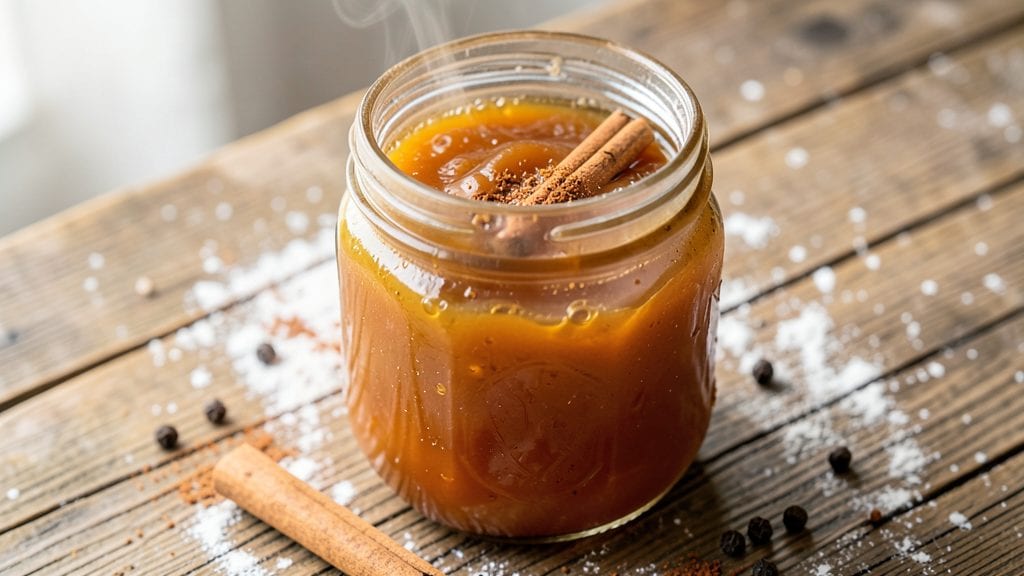
Preserving crab apple sauce through canning transforms fleeting orchard harvests into year-round flavor—tart, sweet, and perfectly balanced. The key lies in precise sterilization and processing times that lock in that signature crab apple tang while maintaining safety.
I've perfected this method after testing dozens of variations, ensuring every jar delivers restaurant-quality results without compromise.
This professional-grade recipe focuses on traditional canning techniques that preserve both flavor and texture. You'll work with sterilized jars, measured processing times, and acidified ingredients to guarantee shelf-stable results that taste fresh for up to a year.
The sauce's natural pectin content creates a velvety consistency perfect for drizzling over meats, pairing with cheeses, or using as a glaze.
What makes this crab apple sauce truly special is its versatility—equally effective as a holiday condiment, a gourmet dessert topping, or a savory glaze for roasted meats. The recipe includes detailed instructions for proper jar preparation, water bath processing, and storage to maintain both safety and flavor integrity.
Once you experience homemade canned crab apple sauce, store-bought versions will never compare.
Whether you're preserving a backyard harvest or creating gifts for holiday giving, this method delivers professional results every time. The sauce's tart-sweet balance remains intact through the canning process, making it a standout addition to any pantry. Let's preserve that orchard flavor for months to come.
Ingredients for crab apple sauce canning
Preserve that orchard harvest's tart-sweet essence with these precise canning ingredients.
| Ingredient | Amount | Notes |
|---|---|---|
| Crab Apples 🍎 | 4 lbs | Unpeeled, cored, quartered |
| Granulated White Sugar 🍚 | 3 cups | For sweetness balance |
| Lemon Juice 🍋 | ½ cup | Freshly squeezed, acidifies |
| Cinnamon Sticks 🌿 | 2 whole | For aromatic depth |
| Ground Cinnamon 🌶️ | 1 tbsp | Enhances spice profile |
| Ground Cloves 🌶️ | ½ tsp | Traditional warming spice |
| Salt 🧂 | ½ tsp | Diamond Crystal preferred |
| Water 💧 | 2 cups | For thinning consistency |
| Pectin (Powdered) 🍇 | ¼ oz | Ball RealFruit preferred |
| Pint-Sized Mason Jars 🥫 | 8 whole | With two-piece lids |
The quality of crab apples determines the sauce's character—look for firm, unblemished fruit with vibrant color. Local orchards or specialty produce markets often carry them in fall harvest seasons, though some grocery stores stock them briefly. If using Ball Blue Book guidelines, ensure apples are fully ripe but not overripe, as their natural pectin content is critical for successful canning. For optimal flavor, select a mix of tart and slightly sweet varieties, as this balance translates beautifully into the finished sauce. Avoid apples with bruises or soft spots, as these compromise both texture and shelf life.
No fresh crab apples? Substitute with a blend of tart green apples and Granny Smith, though the flavor profile will differ slightly. The lemon juice is non-negotiable for acidification—bottled lemon juice works in a pinch, but freshly squeezed delivers superior tartness. For spice variations, allspice berries or star anise can replace cloves, though traditionalists may prefer the classic combination. The pectin is essential for gelling; Ball RealFruit powdered pectin is the gold standard for canning applications, ensuring proper texture without cloudiness. If unavailable, low-sugar pectin can be substituted at the same quantity, though results may vary slightly.
Proper jar sterilization is paramount—boil lids and rings for 10 minutes before filling, then process filled jars in a boiling water bath for 15 minutes at 1,000 feet elevation or adjust according to your altitude. Once cooled, store in a cool, dark pantry where the sauce will maintain quality for up to 18 months. For gifting, use parchment-lined boxes and include care instructions. The sauce's natural acidity and pectin content ensure safety, but always verify seals by checking for concave lids post-processing.
Why You'll Love This Recipe
- No-Chop Necessary: I’ll be real—this recipe is ridiculously hands-off. Crab apples stay whole, so no peeling or dicing, just toss them straight into the pot with cinnamon sticks. The lemon juice and sugar do the work while you stir for 15 minutes.
- Spiced Sweetness Magic: That first bite of warm, spiced crab apples—tart with just enough sugar to melt your heart—is chef’s kiss. The cinnamon sticks infuse the sauce with deep warmth, and the ground cinnamon at the end? Pure comfort in a jar.
- Holiday or Snack Attack: Between us, this sauce is my go-to for Thanksgiving pies, but it’s also exactly what I grab when I need a quick sweet treat. Drizzle it over yogurt, stir into oatmeal, or eat it straight from the jar—no judgment here.
- Jars Full of Value: One batch yields dozens of servings, and the ingredients cost pennies. Crab apples are often free for the picking, and sugar/lemon juice stretch forever. Plus, homemade sauce beats store-bought every time—no preservatives, just pure flavor.
Step-by-step instructions for crab apple sauce canning
Mastering this process ensures a perfectly balanced, aromatic sauce that preserves the crab apples' signature tart-sweet flavor.
Prepare the Crab Apples and Spiced Water
Quarter the 4 lbs crab apples, removing any bruised or overly soft sections since they can make the sauce cloudy. Place them in a large, non-reactive stockpot and add the 2 whole cinnamon sticks, 1 tbsp ground cinnamon, 0.5 tsp ground cloves, and 0.5 tsp salt. In a separate saucepan, combine the 2 cups water and bring to a boil to create a spiced infusion.
Pour the boiling water over the crab apples in the stockpot, ensuring all pieces are submerged. This step extracts the natural pectin from the fruit while infusing the sauce with aromatic spices. Let the mixture sit for 15 minutes to allow the flavors to meld—you'll notice the water turning a pale golden hue and the spices releasing their essential oils.
Cook the Fruit Mixture to Softness
Place the stockpot over medium-high heat and bring the mixture to a full boil. Once boiling, reduce the heat to medium and cook uncovered for 30-40 minutes, stirring occasionally to prevent sticking. The apples should break down into a thick, chunky purée, with the skins softening and releasing their natural juices.
After 30 minutes, use a potato masher or wooden spoon to break down any remaining large pieces. Continue cooking until the mixture reaches a thick, jam-like consistency—it should coat the back of a spoon without being overly syrupy. This stage is critical; undercooking leaves the sauce too chunky, while overcooking can make it overly mushy.
Add Sugar, Lemon Juice, and Pectin
Remove the 2 whole cinnamon sticks from the pot and discard them. Stir in the 3 cups granulated white sugar and 0.5 cup lemon juice, mixing until the sugar dissolves completely. Sprinkle the 0.25 oz powdered pectin over the surface of the sauce and let it sit for 2 minutes—this allows the pectin to hydrate fully before activation.
Return the pot to medium-high heat and bring the mixture to a rolling boil, stirring constantly to prevent scorching. Once boiling, maintain the boil for 5 minutes, stirring every 30 seconds. This step is where the magic happens—the pectin activates, thickening the sauce and ensuring a stable, gel-like texture once canned. You'll see the sauce transform from a thick purée to a glossy, spreadable consistency.
Fill and Process the Mason Jars
Ladle the hot crab apple sauce into the 8 whole pint-sized Mason jars, filling each to within ½ inch of the rim. Use a clean spoon or ladle to remove any foam or bubbles from the surface, ensuring a smooth finish. Wipe the rims of the jars with a damp cloth to remove any residue, which could interfere with the seal.
Place the lids on the jars and screw on the bands until fingertip-tight—this creates an airtight seal without over-torquing, which can cause leaks. Place the filled jars into a boiling water bath canner, ensuring they are fully submerged by at least 1 inch of water. Bring the water to a full rolling boil and process the jars for 15 minutes—this sterilizes the contents and creates a vacuum seal.
Cool, Seal, and Store
Remove the jars from the canner using tongs and place them on a clean, dry towel. Let them cool undisturbed for 12-24 hours—you'll hear a satisfying ping as the lids seal. Check each lid by pressing the center; if it doesn’t pop back, the seal is successful. Any jars that don’t seal should be refrigerated and used within 1 week.
Once fully cooled, label the jars with the date and store them in a cool, dark place. Properly sealed crab apple sauce will keep for up to 1 year, though the flavors deepen over time. The finished sauce should have a vibrant amber color, a balance of tart and sweet, and a warm spice note from the cinnamon and cloves—perfect for pairing with meats, desserts, or simply spreading on toast.
Pro Tips For Making Crab Apple Sauce Canning
- Peel Apples First: Crab apples are stubborn—peeling them before cooking saves you from fishing out skins later. I learned this the hard way after pulling out three batches of half-chewed applesauce trying to scrape off tough peels. A vegetable peeler works best; just avoid the cores unless you’re into chunky texture.
- Simmer Slow and Steady: Crank the heat to boil the apples first, then drop to a gentle simmer. I used to rush it, and the sauce turned watery or burned. Keep it at 180–190°F (tiny bubbles, occasional rolls) for even cooking—about 45–60 minutes. No peeking; every time you open the lid, you’re losing heat and time.
- Measure Lemon Juice Precisely: Skip the eyeballing—use a kitchen scale or measuring spoon for lemon juice. Too little, and your sauce won’t last; too much, and it’ll taste harsh. Aim for ½ cup per quart jar. My first batch of cloudy, off-flavored sauce happened because I guessed, and I’ve been exact ever since.
- Toast Cinnamon Sticks: Lightly toast the cinnamon sticks in a dry pan for 30 seconds before adding them to the sauce. It deepens the flavor without overpowering. I was skeptical until I tried it—now it’s non-negotiable. Just don’t walk away; they burn faster than you think.
Make-ahead tips for this crab apple sauce canning
Prep Ahead Timeline
Plan your canning session for a 3-hour window to account for prep, cooking, processing, and cooling. I recommend starting with the spiced water infusion the night before—simmer the cinnamon sticks, cloves, and salt in 2 cups water for 1 hour to intensify the flavors.
Store the infused water in the fridge overnight, then use it cold the next day to extract maximum pectin from the apples. This shortcut saves 20 minutes of active prep time. 🌿
Jar Prep Shortcuts
Sterilize your 8 pint-sized Mason jars and lids in the dishwasher's sanitize cycle instead of boiling—this cuts 15 minutes off your prep time. I place jars upside down on the top rack while lids and rings go in a separate basket.
After the cycle, keep them hot in a 200°F oven until ready to fill. This method maintains sterility without the risk of cracked jars from temperature shock. ⏰
Sauce Consistency Control
For a smoother sauce, blend half the cooked apple mixture before adding sugar and pectin. Use an immersion blender directly in the pot—this avoids transferring hot liquid and keeps the process contained.
I blend 2 cups of the purée first, then return it to the pot and stir well. This technique reduces processing time by 5 minutes while creating a more uniform texture. 💫
Batch Processing Tips
If canning more than 8 jars, process in 2 batches to maintain water bath temperature. Keep the canner at a gentle simmer between batches by adding 1 quart hot water—this prevents temperature drops that could compromise seal quality.
I mark my canner with a high-water line to ensure consistent submersion. This method guarantees even processing across all batches. 🔥
Flavor Development Hack
Add a 1-inch strip of orange peel during the 30-minute simmer for a bright citrus note that complements the crab apples. Remove it before adding sugar and pectin. This subtle addition elevates the sauce's complexity without overpowering the natural tartness.
I also toast ½ tsp ground cinnamon in a dry skillet for 1 minute before adding it to the sauce—this deepens the spice profile significantly. 💡
Storage Organization
Store jars in a wooden crate or cardboard box lined with bubble wrap to prevent breakage. I label each jar with the date and contents using a permanent marker on masking tape.
For gifting, wrap jars in kraft paper tied with twine and include a recipe card. This presentation makes your homemade sauce feel like a premium product while keeping it protected. ✨
Nutrition facts
Frequently asked questions
Why does the recipe call for lemon juice in crab apple sauce?
Lemon juice is essential for acidification, which prevents botulism in home-canned products. Crab apples contain natural acidity, but adding ½ cup lemon juice ensures the pH level stays safe for long-term storage. This also enhances the sauce's bright, tangy flavor profile.
Can I substitute regular apples for crab apples in this recipe?
While you can use tart apples like Granny Smith, crab apples provide a unique balance of sweetness and tartness that's harder to replicate. Their natural pectin content also contributes to the sauce's perfect texture. If substituting, add an extra ¼ oz pectin to compensate for lower natural pectin levels.
What's the best way to test if my crab apple sauce is properly sealed?
After cooling for 24 hours, press the center of each lid—if it doesn't pop back up, the jar is properly sealed. Also check for a concave lid (slightly sucked in). Any jars that fail should be refrigerated and used within 1 week. Unsealed jars may develop mold or off odors over time.
How long can I store opened jars of crab apple sauce?
Once opened, refrigerate the sauce and use within 2 weeks. The sauce's natural acidity helps preserve it, but refrigeration prevents spoilage. For longer storage, consider freezing the sauce in airtight containers for up to 6 months. The texture may change slightly after freezing.
Can I adjust the sweetness level in this recipe?
Yes, but be cautious—too much sugar can prevent proper gelling. Start with the 3 cups sugar as written, then adjust by ½ cup increments if needed. For a sweeter version, add honey or maple syrup after processing, as these won't affect the canning safety. Taste before canning to avoid over-sweetening.