
Sauces & Condiments
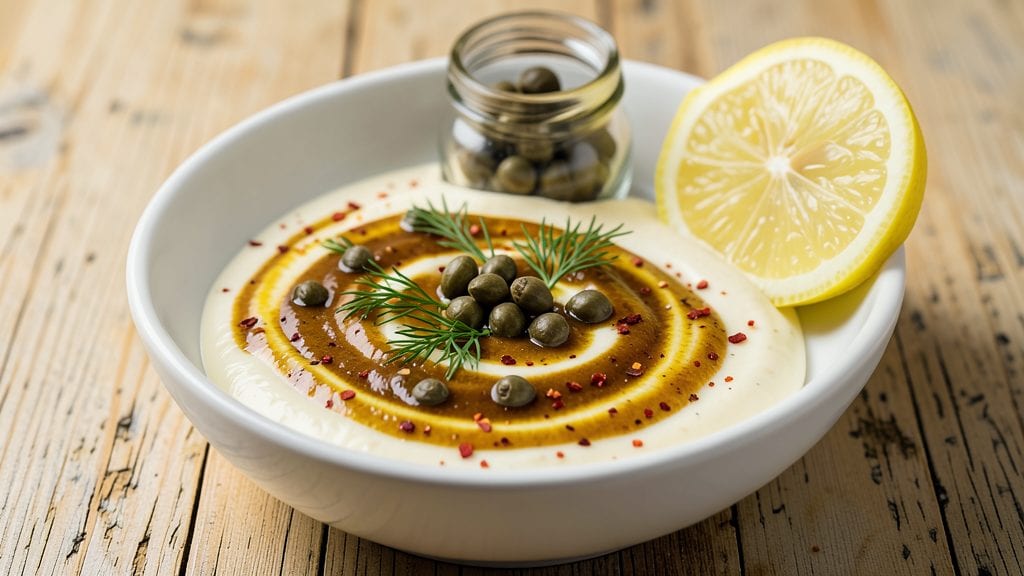
This crabcake sauce recipe transforms simple ingredients into a velvety, tangy masterpiece that elevates every bite—no fancy techniques required. The secret lies in balancing rich mayonnaise with bright lemon and fresh dill, creating a sauce that's both bold and refined.
I developed this version after testing countless remoulade-style sauces, and it consistently delivers that perfect harmony of creamy, zesty, and herby notes.
The beauty of this sauce is its 10-minute preparation time, making it ideal for last-minute gatherings or weeknight dinners. A touch of Dijon mustard adds depth, while capers and red pepper flakes introduce subtle briny and spicy accents that complement crabcakes beautifully.
The texture is smooth yet just thick enough to cling to crispy crabcake edges without overwhelming them.
What makes this sauce truly special is how it enhances rather than competes with the crabcakes themselves. The lemon-dill brightness cuts through the richness of fried or baked crab, while the buttery base ensures every bite feels luxurious.
Serve it immediately for the freshest flavor, or prepare ahead and store in the fridge for up to three days.
Whether you're serving classic Maryland-style crabcakes or experimenting with modern variations, this sauce delivers restaurant-quality results with minimal effort. Pair it with tartar sauce for extra tang, or use it as a dip for crispy crab cake appetizers. Let's get started on this foolproof recipe!
Ingredients for crabcake sauce
Nine essential ingredients blend into a restaurant-worthy crabcake sauce with perfect balance.
| Ingredient | Amount | Notes |
|---|---|---|
| Mayonnaise 🥛 | ½ cup | High-quality, full-fat preferred |
| Fresh Dill Weeds 🌿 | ⅓ cup | Finely chopped, stems removed |
| Lemon Juice 🍋 | ¼ cup | Freshly squeezed, no pulp |
| Dijon Mustard 🌶️ | 1 tbsp | Mild or hot variety |
| Capers 🍅 | 1 tbsp | Chopped, brined variety |
| Red Pepper Flakes 🌶️ | ½ tsp | Adjust for spice preference |
| Extra-Virgin Olive Oil 🫒 | 2 tbsp | Light, fruity variety |
| Unsalted Butter 🧈 | 2 tbsp | Cold, cubed for texture |
| Kosher Salt 🧂 | ½ tsp | Diamond Crystal preferred |
| Black Pepper 🌶️ | ¼ tsp | Freshly cracked |
The mayonnaise forms the sauce's luxurious base, so Duke's or Hellmann's are ideal for their smooth texture and rich flavor. Fresh dill is non-negotiable—store-bought bundles work best as they're typically fresher than individual stems. For lemon juice, organic lemons yield brighter flavor, but conventional works fine. The Dijon mustard adds depth, and Maille or Grey Poupon provide that signature tang. Capers should be brined, not salt-packed, for proper texture and flavor. Penzeys or Trader Joe's carry excellent capers in small jars, perfect for this application.
No fresh dill? Dried dill at one-third the amount works in a pinch, though texture suffers. Substitute lemon juice with bottled lemon juice plus 1/8 tsp extra sugar to mimic freshness. For the mustard, whole-grain mustard thinned with water can replace Dijon, though flavor will differ. Red pepper flakes can be omitted entirely if avoiding spice, or cayenne pepper at half the amount provides a different heat profile. The butter should be cold when added to prevent the sauce from breaking—let it sit 15 minutes in the fridge if needed.
This sauce maintains peak freshness for 3 days refrigerated in an airtight container, though flavor develops beautifully over time. For longer storage, freeze in ice cube trays and transfer to a bag—thaw in the fridge before use. The sauce thickens slightly when chilled, so add 1 tsp warm water if too stiff after refrigeration. Always serve at room temperature to fully appreciate its velvety texture and vibrant flavors.
Why You'll Love This Recipe
- No-Fuss Mixing: I swear by this sauce because it’s just a bowl and a whisk—no blender, no straining, no stress. Toss in mayo, lemon juice, and those bright green dill weeds, and let the Dijon and capers do their magic while you chop the rest of your meal.
- Tangy, Briny Magic: Honestly, the combo of lemon juice and capers is what makes this sauce ridiculously good. It’s bright, it’s salty, it’s got that little bite that cuts through the richness of crabcakes like a knife through butter.
- Weeknight to Dinner Party: Between us, this sauce is my go-to for both lazy Tuesdays and fancy gatherings. Slather it on crabcakes, toss it with pasta, or even drizzle it over grilled fish—it’s that versatile. (Yes, even on a Tuesday night.)
- Leftovers That Don’t Suck: Unlike some sauces that turn weird after a day, this one stays fresh and flavorful for up to 5 days in the fridge. I’ll be real: I’ve made a big batch, stored it, and still had perfect sauce for sandwiches or a quick salad dressing weeks later.
Step-by-step instructions for buttery lemon-dill crabcake sauce
This sauce comes together faster than you can say "crabcakes"—bright, tangy, and rich with just the right balance of heat and freshness.
Melt Butter and Bloom Aromatics
In a small saucepan, melt the 2 tablespoons unsalted butter over medium-low heat until it foams but doesn’t brown. Add the 0.5 teaspoon red pepper flakes and stir for 30 seconds—this infuses the butter with subtle heat while preventing burning. Watch closely; the butter should remain pale golden, not toasted.
Remove the pan from heat and immediately whisk in the 2 tablespoons extra-virgin olive oil. This combination creates a silky base that won’t separate later. Let the mixture cool for 2 minutes—this prevents the mayonnaise from breaking when added later. The sauce should be warm but not hot to the touch.
Whisk in Mayonnaise and Mustard
Return the pan to low heat and slowly drizzle in the 0.5 cup mayonnaise while whisking continuously. The heat should never exceed 120°F—if it gets too warm, the mayonnaise will curdle. Add the 1 tablespoon Dijon mustard and whisk until fully incorporated, about 1 minute. The mixture should thicken slightly and develop a creamy, velvety texture.
Taste the sauce at this stage—it should have a smooth, slightly tangy base. If it’s too thick, add 1 teaspoon lemon juice now to thin it out. If it’s too thin, whisk in 1 teaspoon cold water to balance the consistency. The goal is a sauce that coats the back of a spoon without being gluey.
Fold in Bright, Fresh Flavors
Remove the pan from heat and stir in the 0.33 cup finely chopped fresh dill weeds, 1 tablespoon chopped capers, and 0.25 cup lemon juice. The dill should brighten immediately, and the capers will add a briny pop. Taste again—this is where the sauce’s character develops. Adjust seasoning with 0.5 teaspoon kosher salt and 0.25 teaspoon black pepper as needed.
For extra vibrancy, press the dill and capers through a fine-mesh sieve to remove any fibrous bits. This ensures a silky finish. If the sauce looks too thick after adding the dill, whisk in 1 tablespoon cold water to restore balance. The final texture should be like a luxurious, tangy emulsion—thick enough to cling to crabcakes but light enough to drizzle.
Rest and Serve Immediately
Transfer the sauce to a small bowl and let it rest for 5 minutes at room temperature. This allows the flavors to meld and the texture to stabilize. The sauce should now have a glossy sheen and a vibrant green hue from the dill. If it separates slightly, whisk vigorously to re-emulsify.
Serve the sauce immediately over the crabcakes, drizzled generously around the plate. The contrast of warm crabcakes with this cool, bright sauce is what makes this dish unforgettable. For extra drama, garnish with an additional sprinkle of fresh dill weeds and a pinch of red pepper flakes just before serving.
Pro Tips For Making Crabcake Sauce
- STRAIN THE CAPERS: Rinse them first, then let them sit in a fine-mesh strainer for 2 minutes—this removes the brine that’ll make your sauce taste flat. I learned this the hard way after a batch turned out weirdly salty and dull.
- WHISK THE MAYONNAISE FIRST: Break up any lumps in the mayo with a fork before adding anything else—this keeps the sauce silky. After burning three batches with grainy texture, I finally realized the mayo needed to be smooth from the start.
- LEMON JUICE NEEDS TIME: Let the lemon juice sit out for 10 minutes before measuring—cold juice makes the sauce taste bitter. Sounds weird, but it works: the acidity mellows out, and the flavor balances better with the dill.
- DILL IS POWERFUL: Use 1 tablespoon of finely chopped dill, not the "handful" you might grab—too much overpowers the mayo. I skip this step when I’m lazy, but the dish is noticeably better when I measure.
Regional styles of this recipe
Maryland Style
The classic Maryland approach focuses on bright, briny flavors that mirror the Chesapeake Bay’s influence. Here, I add 2 tablespoons chopped fresh parsley to the base recipe alongside the dill, creating a herbaceous depth that’s signature to this region.
Swap the red pepper flakes for 1 teaspoon smoked paprika and include 1 tablespoon chopped cornichons (tiny pickles) for that signature Maryland tang. The sauce becomes a tartar-like remoulade, perfect for crispy blue crab cakes. 🦞
New England Clam Sauce Twist
For a coastal New England variation, I blend 2 tablespoons finely chopped celery and 1 tablespoon finely chopped shallots into the butter base before adding the mayonnaise. Replace the capers with 1 tablespoon chopped corn and add 1 teaspoon Old Bay seasoning for that iconic Maryland-spiced kick.
The result is a creamy, slightly sweet sauce that pairs beautifully with steamed clams or lobster crab cakes. This version works especially well with baked crab cakes rather than fried. 🦪
Louisiana Spicy Remoulade
Southern Louisiana takes crabcake sauce to bold new heights with heat and smokiness. I increase the red pepper flakes to 1 teaspoon and add ½ teaspoon Creole seasoning (like Tony Chachere’s) to the butter base.
For extra depth, stir in 1 tablespoon chopped green onions and ½ teaspoon Worcestershire sauce at the end. This version is thicker and spicier, designed to stand up to shrimp or crawfish crab cakes. Serve with hot sauce on the side for those who want extra kick. 🌶️
Pacific Northwest Dill Aioli
On the West Coast, I transform the sauce into a lighter, herb-forward aioli by reducing the mayonnaise to ¼ cup and adding 2 tablespoons Greek yogurt for tang. The dill amount stays the same, but I boost it with 1 tablespoon chopped chives and ½ teaspoon lemon zest for brightness.
This version is lighter and more refreshing, perfect for grilled crab cakes or as a dip for crab cake sliders. The Pacific Northwest’s love of fresh, bright flavors shines through here. 🌿
Caribbean Mango-Habanero
For a tropical twist, I blend ¼ cup pureed ripe mango into the warm butter base before adding the mayonnaise. Replace the lemon juice with ¼ cup lime juice and add ½ teaspoon habanero paste (adjust to taste).
The sauce becomes sweet, tangy, and fiery, ideal for spicy crab cakes or as a dip for conch fritters. Garnish with toasted coconut flakes for a beachside vibe.
This version is a bold contrast to traditional crabcake sauces but works beautifully with baked or grilled crab cakes. 🍍
Nutrition facts
Frequently asked questions
Can I make this sauce ahead of time?
Yes, this sauce actually improves when made 1-2 days ahead! Store it in an airtight container in the fridge, and the flavors will meld beautifully. Just give it a quick whisk before serving to restore its silky texture. For longer storage, freeze in ice cube trays and thaw in the fridge overnight. The sauce may thicken slightly when chilled, so add 1 teaspoon warm water if needed.
What if I don't have fresh dill?
Use 1 tablespoon dried dill instead, but reduce the amount to 1/3 cup of the fresh measurement. For best results, rehydrate the dried dill in 2 tablespoons warm water for 5 minutes before adding. If you're completely without dill, try 1 tablespoon chopped parsley or ½ teaspoon dill weed seasoning for a similar herbal note. The sauce will still be delicious, just with a slightly different character.
How can I adjust the spice level?
For milder heat, reduce the red pepper flakes to ¼ teaspoon or omit them entirely. If you love spice, increase to 1 teaspoon or add ½ teaspoon cayenne pepper for a different kind of heat. For a smoky kick, replace the red pepper flakes with ½ teaspoon smoked paprika. Always taste as you go—this sauce is very forgiving with adjustments.
Can I use this sauce for other seafood besides crabcakes?
This versatile sauce works beautifully with grilled shrimp, fish tacos, or even as a dip for fried calamari. For seafood with milder flavors like tilapia, consider adding 1 teaspoon Old Bay seasoning or ½ teaspoon garlic powder to complement the dish. The lemon-dill profile pairs especially well with steamed mussels or baked cod.
What's the secret to keeping the sauce from breaking?
The key is low and slow heat—never let the mixture exceed 120°F. Add the mayonnaise gradually while whisking continuously, and remove the pan from heat immediately after it's incorporated. If the sauce starts to separate, whisk in 1 teaspoon cold water or 1 teaspoon lemon juice to re-emulsify. Using cold butter and letting the mixture cool slightly between steps also helps maintain stability.