
Sauces & Condiments
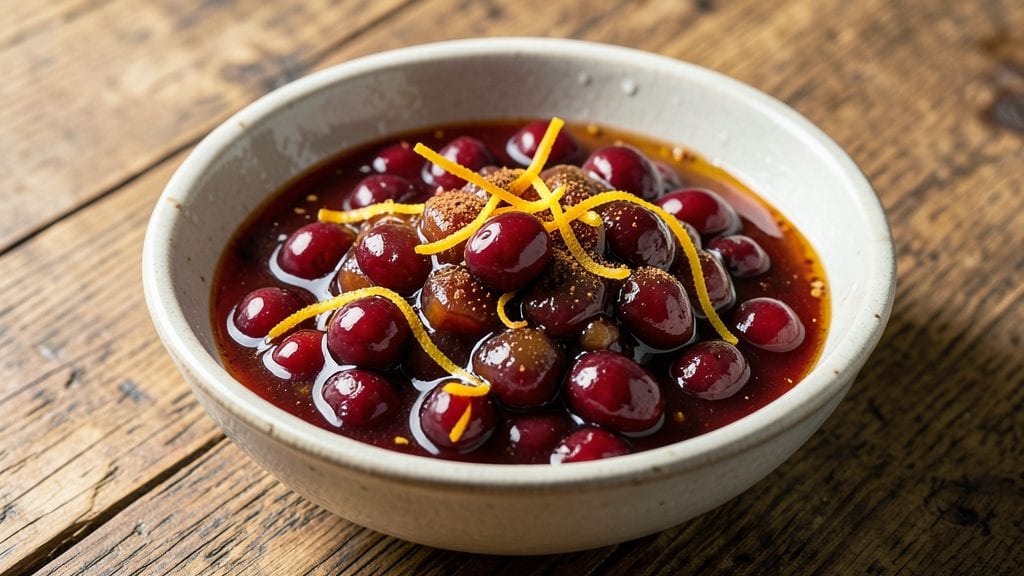
This cranberry sauce chutney recipe transforms pantry staples into a vibrant, tangy-sweet condiment that elevates everything from holiday ham to charcuterie boards.
The secret lies in balancing tart cranberries with just enough sweetness and a touch of warmth from spices like cinnamon and cloves, creating a spreadable texture that’s neither too thick nor too runny.
What sets this chutney apart is its versatility—no special equipment or rare ingredients are needed. Simmering cranberries with vinegar and sugar develops deep, complex flavors while maintaining a glossy, spoonable consistency. The slow reduction ensures every bite delivers that perfect tart-sweet harmony without overpowering other flavors.
Once cooled, this chutney keeps beautifully in the refrigerator for up to two weeks, making it ideal for gifting or meal prep. Its rich, jammy texture clings to meats, cheese boards, or even toast, adding a festive touch to any dish.
The process is straightforward, but the results are anything but basic—this is chutney with restaurant-quality depth.
Perfect for holiday entertaining or everyday use, this recipe delivers professional results with minimal effort. Let’s create a chutney that’s as impressive as it is easy to make.
Ingredients for cranberry sauce chutney
Pantry staples meet sophisticated spicing for this restaurant-worthy cranberry chutney.
| Ingredient | Amount | Notes |
|---|---|---|
| Fresh Cranberries 🍇 | 1 ½ lbs | Whole, firm berries preferred |
| Granulated Sugar 🍚 | 1 ¼ cups | Light brown sugar for depth |
| White Vinegar 💧 | ½ cup | Distilled preferred for clarity |
| Orange Zest 🍊 | 1 tbsp | From 1 large organic orange |
| Fresh Orange Juice 🍊 | ½ cup | No pulp for smooth texture |
| Ground Cinnamon 🌿 | 1 ½ tsp | Ceylon preferred for delicate flavor |
| Ground Cloves 🌶️ | ¼ tsp | Freshly ground for potency |
| Ground Ginger 🌿 | ½ tsp | Freshly grated preferred |
| Salt 🧂 | ½ tsp | Diamond Crystal kosher salt |
| Extra-Virgin Olive Oil 🫒 | 1 tbsp | For glossy finish and balance |
The cranberries are non-negotiable—organic berries from Trader Joe's or Whole Foods deliver the brightest tartness. Look for firm, plump berries with no soft spots; frozen works in a pinch but fresh yields superior texture. Sugar is where you can get creative: light brown sugar adds subtle molasses notes, while raw cane sugar offers a cleaner finish. The vinegar should be distilled white—apple cider vinegar introduces unwanted complexity. For the orange, navel oranges provide the most zest without bitterness, and always use freshly squeezed juice to prevent oxidation.
No fresh cranberries? Canned cranberry sauce (unsweetened) works in a bind, but drain it thoroughly to avoid excess moisture. Substituting the orange zest with bottled orange juice concentrate (thinned with water) is fine, though the flavor won’t be as vibrant. If you’re avoiding sugar, honey or maple syrup can replace granulated sugar at a 1:1 ratio, but the texture will be slightly softer. The spices—Ceylon cinnamon and freshly ground cloves—are critical for depth; pre-ground spices lose potency quickly, so invest in small quantities from Penzeys or your local spice merchant. For a vegetarian-friendly twist, omit the olive oil and use vegetable glycerin for shine.
This chutney develops deeper flavor over time, so reheat gently in a saucepan for 2-3 minutes before serving. Store in an airtight glass jar in the refrigerator for up to 3 weeks, though the texture may thicken slightly—simply stir in a splash of water or orange juice to restore consistency. For gifting, portion into small jars with a parchment-lined lid to prevent sticking. Freezes beautifully for up to 6 months; thaw overnight in the fridge for best results. The chutney’s versatility makes it ideal for batch prep—double the recipe and store portions for holiday entertaining or last-minute charcuterie boards.
Why You'll Love This Recipe
- No-Simmer Required: I swear by this—no stovetop babysitting, no watching for bursts. Just toss cranberries, sugar, and vinegar into a saucepan, bring to a boil, then let it simmer once while I grab a glass of orange juice. The acidity from the vinegar and bright orange zest cut through the sweetness so fast, it’s basically foolproof.
- Tart-Sweet Magic: That first bite where the cranberries pop against the sugar’s bite? Chef’s kiss. The orange zest adds this citrusy zing that makes it feel festive year-round, not just at Thanksgiving. Honestly, I’ve used it as a glaze for roasted pork or stirred into yogurt—it’s like a little flavor explosion in every spoonful.
- Holiday Table Star: Between us, this chutney is my secret weapon for holiday meals. It pairs perfectly with turkey, ham, or even cheese boards—no one bats an eye when I serve it. And here’s the kicker: it’s way easier than store-bought cranberry sauce, but way more interesting.
- Lasts All Week: I make a double batch every year because it keeps for months in the fridge. The vinegar acts as a natural preservative, so I’m not scrambling to use it up before it spoils. Plus, the sugar balances the tartness over time, making it even richer as the weeks go by. (Yes, even on a Tuesday night.)
Step-by-step instructions for cranberry sauce chutney
This method transforms humble pantry staples into a vibrant chutney with perfect tart-sweet harmony.
Prepare the Cranberries for Cooking
Rinse the 1.5 lbs fresh cranberries under cold water, then drain them thoroughly in a colander. Remove any stems or damaged berries, as they can make the final chutney bitter. I like to spread the cranberries on a clean kitchen towel to dry completely before cooking—this ensures they don't release excess moisture and steam instead of caramelizing.
In a large, heavy-bottomed saucepan, combine the cranberries with the 1.25 cups granulated sugar. Gently stir to coat each berry evenly with sugar. This creates a natural syrup as they cook, preventing the chutney from becoming too acidic. If using light brown sugar as recommended, you'll notice a deeper caramel flavor developing during cooking.
Simmer Until Cranberries Break Down
Place the saucepan over medium-high heat and bring the mixture to a boil. Once boiling vigorously, reduce the heat to medium and let it simmer uncovered for 15 minutes. You'll see the cranberries begin to soften and burst, releasing their vibrant juice and transforming into a thick jam-like consistency.
After 15 minutes, use a wooden spoon to gently crush any remaining whole cranberries against the side of the pan. This ensures complete breakdown while maintaining some texture. If the mixture appears too thick at this stage, add 1-2 tablespoons of water to help the cooking process along. The goal is a thick, jammy base that still has some body.
Add Aromatics and Acid for Balance
With the cranberry mixture simmering gently, add the 0.5 cup white vinegar, 0.5 cup fresh orange juice, 1 tbsp orange zest, 1.5 tsp ground cinnamon, 0.25 tsp ground cloves, 0.5 tsp ground ginger, and 0.5 tsp salt. Stir well to combine all ingredients thoroughly. The vinegar will brighten the flavor while the citrus elements add freshness that cuts through the sweetness.
Let the mixture simmer for another 10-12 minutes, stirring occasionally. You're looking for the flavors to meld together and the liquid to reduce slightly. The chutney should coat the back of a spoon but still maintain a slightly loose consistency—this prevents it from becoming too thick and gluey when cooled. Taste as you go, adjusting sweetness with additional sugar if needed (though the original amount should be sufficient).
Finish with Olive Oil for Gloss and Balance
Remove the saucepan from heat and let the chutney cool for 5 minutes. This resting period allows the flavors to settle. Then stir in the 1 tbsp extra-virgin olive oil. The oil serves two purposes: it adds a luxurious finish and prevents the chutney from drying out during storage. The oil will create a subtle sheen that makes the chutney look restaurant-quality.
Transfer the chutney to a clean glass jar or airtight container. Let it cool completely at room temperature, then refrigerate for at least 2 hours before serving. This chilling period allows all the flavors to fully develop and the textures to set properly. The chutney will thicken slightly as it cools, achieving that perfect spreadable consistency that pairs beautifully with both savory and sweet dishes.
Pro Tips For Making Cranberry Sauce Chutney
- Simmer Slow and Steady: After burning the first batch by boiling it like maple syrup, I learned to keep the heat at a gentle simmer—just enough to see tiny bubbles at the edges. Too much heat turns your chutney into a sad, grainy mess instead of a glossy, balanced sauce.
- Rinse Cranberries First: Give those cranberries a quick rinse and dry them well before tossing them in the pot. The leftover dirt and stems from store-bought berries add bitterness and make your chutney taste like you skipped the good stuff.
- Reduce Vinegar Gradually: Start with half the vinegar called for, then add the rest as you taste. Too much upfront makes the chutney taste harsh—you want the acidity to brighten, not dominate, especially when the sugar’s already doing its job.
- Strain the Zest: Wrap orange zest in a cheesecloth or fine mesh strainer before adding it to the pot. Sounds tedious, but it keeps your chutney from looking like confetti exploded in it—plus, it’s smoother on the tongue. (Yes, even if you’re impatient like me.)
Make-ahead tips for this dish
Batch Prep Timeline
Plan your chutney prep during a 2-hour window to maximize efficiency. Start by washing and prepping cranberries while the saucepan heats up—this saves 15 minutes of active time. I like to make this chutney on a Sunday afternoon so it’s ready for holiday meals throughout the week.
The 2-hour chilling period can overlap with other meal prep tasks like chopping vegetables or marinating proteins. 📅
Storage Containers
Use glass jars with airtight lids (like Ball Mason jars) for storage—they preserve flavor and texture better than plastic. Portion into 8-ounce jars for perfect single-serving gifts or 16-ounce jars for family use.
For long-term storage, leave ½-inch headspace to prevent mold growth from condensation. I always label jars with the date using a white vinyl label maker for easy tracking. ❄️
Freezer-Friendly Tips
This chutney freezes beautifully for up to 6 months without texture loss. Portion into ice cube trays for individual servings—simply pop out and reheat in the microwave for 10 seconds before serving.
For larger batches, use freezer-safe silicone molds to create chutney "logs" that thaw quickly. Always thaw overnight in the fridge to maintain consistency. 💫
Gift-Worthy Packaging
Elevate your chutney gifts with parchment-lined lids to prevent sticking. I use kraft paper boxes from Uline to package individual jars, adding a handwritten tag with the recipe and serving suggestions.
For a rustic touch, tie the lid with twine and a sprig of rosemary. These details make your homemade chutney feel like a gourmet treat. 🎁
Reheating for Serving
For the best texture, reheat chilled chutney in a small saucepan over low heat with 1 tablespoon of water or orange juice to restore moisture. Stir constantly to prevent scorching—it takes just 2-3 minutes to warm through.
Avoid microwaving, as it can make the chutney grainy. If serving at room temperature, simply let it sit at room temperature for 15-20 minutes before plating. 🔥
Flavor Evolution
The chutney’s flavors deepen over time, especially after 3-4 days of refrigeration. This is why I always make a double batch—it gives you time to let the flavors develop fully before serving.
If the texture thickens too much, simply stir in 1 teaspoon of water or orange juice to restore spreadability. The longer it sits, the more complex the cinnamon and clove notes become. ✨
Nutrition facts
Frequently asked questions
Can I use frozen cranberries instead of fresh?
Yes, but with a few adjustments! Use 1.5 cups of thawed frozen cranberries (about 12 oz) instead of 1.5 lbs fresh. Drain them thoroughly and pat dry to remove excess moisture, which can make the chutney too watery. You may need to simmer slightly longer—about 5 extra minutes—to achieve the same jammy texture.
How do I adjust the sweetness level?
The recipe balances tartness with 1.25 cups sugar, but you can tweak it to taste. For a sweeter version, add ¼ cup more sugar during the final 10-minute simmer. For a tartier chutney, reduce sugar to 1 cup and add 1 extra tablespoon of vinegar to brighten the flavor. Always taste as you go!
Can I make this chutney without orange?
Swap the orange zest/juice for 1 tbsp lemon zest + ½ cup lemon juice (more acidic, so reduce vinegar to ¼ cup). For a non-citrus option, use 1 tsp vanilla extract + ½ tsp almond extract to add depth. The spices (cinnamon, cloves) will still shine, but the citrus adds a critical brightness that balances the tartness.
Why did my chutney turn out too thick?
Over-simmering or using too many cranberries (especially frozen) often causes thickening. To fix it, stir in 1-2 teaspoons of water, orange juice, or vinegar while warm. For prevention, reduce heat to low after the initial 15-minute simmer and monitor closely. The chutney should coat a spoon but still glide smoothly—like a thick jam.
What are the best ways to use this chutney?
This versatile chutney shines on holiday hams, cheese boards, or as a glaze for roasted pork tenderloin. Try it with aged cheddar, provolone, or goat cheese for a sweet-savory pairing. For desserts, drizzle over vanilla ice cream or spread on toasted brioche. The olive oil finish makes it luxurious enough for gourmet dishes!