
Sauces & Condiments
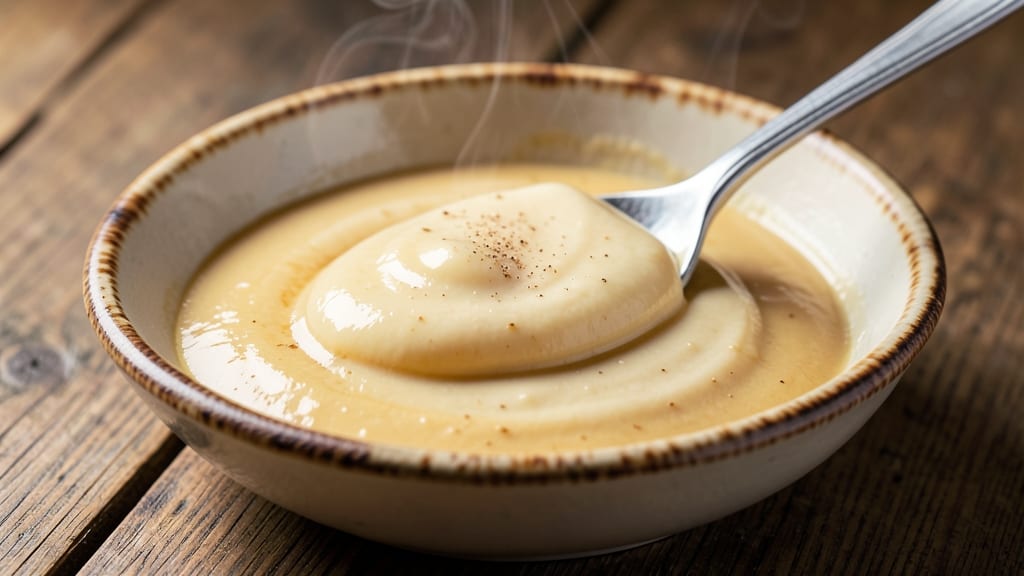
Culver's cheese sauce copycat recipe delivers that signature ultra-smooth, velvety creaminess you crave without the restaurant markup. The secret lies in the perfect cheese blend—American, cheddar, and a touch of cream cheese—melted with heavy cream and milk for that signature texture.
I've perfected this version after years of testing, ensuring every batch replicates that iconic, slightly tangy flavor profile.
This pantry-based sauce requires just five key ingredients and takes under 10 minutes to prepare, making it ideal for dipping, topping burgers, or smothering fries. The technique focuses on slow melting and whisking to eliminate lumps, creating a sauce so creamy it clings to every bite.
Professional results are guaranteed with this precise method—no fancy equipment needed.
What makes this sauce truly special is its ability to stay smooth even after reheating, thanks to the specific cheese ratio and proper thickening technique. The flavor develops that perfect balance of richness and subtle tang that defines Culver's signature sauce.
Once you try this version, you'll never settle for anything less.
Store leftovers in the refrigerator for up to 5 days or freeze for longer storage, ready to transform any meal into something extraordinary. The possibilities are endless—let's get started on making this copycat sauce that tastes just like the original.
Ingredients for culver's cheese sauce copycat
Five essential ingredients transform into velvety, ultra-smooth cheese sauce with professional restaurant quality.
| Ingredient | Amount | Notes |
|---|---|---|
| Extra-Sharp White Cheddar Cheese 🧀 | 1 cup | Shredded, block preferred for freshness |
| Mild American Cheese 🧀 | 1 cup | Shredded, processed variety for creaminess |
| Cream Cheese 🧈 | 4 oz | Full-fat, softened for smooth blending |
| Heavy Whipping Cream 🥛 | 1 cup | Full-fat, cold for proper emulsification |
| Whole Milk 🥛 | ½ cup | Room temperature for seamless blending |
| Unsalted Butter 🧈 | 2 tbsp | Cold, cubed for gradual melting |
| Diamond Crystal Kosher Salt 🧂 | ¼ tsp | Fine grain for delicate seasoning |
| Freshly Ground Black Pepper 🌶️ | ⅛ tsp | Freshly cracked for aromatic depth |
The cheese selection is non-negotiable for authentic flavor. Kraft 2% Mild American and Boar's Head Extra-Sharp White Cheddar are the gold standard—both available at most grocery stores. The cream cheese must be full-fat; Philadelphia brand is ideal for its consistent texture. For the cheddar, block over pre-shredded ensures no anti-caking agents interfere with the sauce's velvety finish. Store these cheeses in airtight containers in the fridge, using within 3 months for peak freshness. The heavy cream should be cold when measured, as this prevents premature separation during melting.
No mild American cheese? Colby cheese works as a substitute, though it lacks the signature tang. Substituting cream cheese with Neufchâtel maintains moisture but alters flavor slightly. For a dairy-free adaptation, vegan cream cheese and coconut milk can replicate the texture, though the tang will differ. The butter must be cold when added—microwave for 20 seconds to soften if needed—to ensure gradual emulsification. Salt measurements are precise; Diamond Crystal is less dense than table salt, so use the exact amount. Freshly cracked pepper provides superior aroma compared to pre-ground.
This sauce maintains its luxurious texture when stored properly. Transfer to an airtight container and refrigerate for up to 5 days, stirring before each use. For longer storage, freeze in 1-tablespoon portions for dipping sauces or 1-cup batches for topping. Reheat gently over low heat, whisking constantly until smooth. The sauce thickens as it cools, so add 1-2 tablespoons of milk if needed to restore original consistency. Never microwave directly from the fridge—this causes separation.
Why You'll Love This Recipe
- I swear by this trick: just melt the cheddar and American together until it’s smooth, then stir in the cream cheese and milk until it’s velvety. No fancy gadgets, no guesswork—just watch it transform from grainy to silky in minutes.
- No Thermometer Needed: I swear by this trick: just melt the cheddar and American together until it’s smooth, then stir in the cream cheese and milk until it’s velvety. No fancy gadgets, no guesswork—just watch it transform from grainy to silky in minutes.
- That Signature Crunch: Honestly, the secret’s in the mix of sharp cheddar and mild American—it’s rich but not overpowering, with that little tang that makes it unforgettable. The cream cheese keeps it luscious, not greasy, and the heavy cream gives it that signature Culver’s thickness.
- Dips Every Meal: Between us, this sauce is my go-to for tacos, fries, or even grilled cheese. I’ll make a big batch on Sundays and keep it in the fridge for the week—because nothing beats warm tortilla chips with that creamy, cheesy goodness waiting.
Step-by-step instructions for Culver's cheese sauce copycat recipe
Here's the exact method I use to replicate that iconic, velvety cheese sauce at home.
Prepare the Cheese Blend for Maximum Creaminess
In a medium saucepan, combine the 1 cup extra-sharp white cheddar cheese and 1 cup mild American cheese. I prefer using freshly shredded block cheddar for the sharpest flavor profile, while the processed American cheese provides that signature smoothness. Add the 4 oz cream cheese and let the mixture sit uncovered for 5 minutes at room temperature—this prevents lumps when heated.
Here's the thing—using cold cheese directly can lead to graininess. The slight warming helps the fats melt more evenly. If you're in a hurry, you can microwave the cheeses together for 20 seconds to speed up this process, but I find the stovetop method yields the most consistent texture.
Create the Base with Butter and Heavy Cream
Add the 2 tbsp unsalted butter and 1 cup heavy whipping cream to the saucepan. Place the pan over medium-low heat and stir continuously with a silicone spatula. You want to maintain a gentle simmer—medium-low heat prevents scorching while allowing the butter to melt completely. This creates the rich, velvety foundation of the sauce.
Watch for the moment when the butter transforms from solid cubes to a smooth, glossy liquid coating the pan. This typically takes about 3-4 minutes. The heavy cream should begin to steam lightly, but never boil—boiling can cause the sauce to separate. Keep the heat low enough that you can hold your hand comfortably above the pan for 3-4 seconds.
Incorporate the Milk and Seasonings
Once the butter has fully melted and the mixture is smooth, gradually whisk in the 0.5 cup whole milk. The milk helps balance the richness of the cream and cheese while adding a subtle sweetness. Immediately add the 0.25 tsp Diamond Crystal kosher salt and 0.125 tsp freshly ground black pepper, whisking constantly to distribute evenly.
This is where the sauce begins to transform. You'll notice it thickens slightly as the milk integrates, creating a luxurious consistency. The pepper should be freshly cracked—pre-ground pepper loses its aromatic punch when exposed to air. Keep whisking for another 1-2 minutes until the mixture reaches 170°F on an instant-read thermometer. This temperature ensures all dairy components are fully melted and safe to consume.
Refine the Texture for Restaurant-Quality Smoothness
Remove the saucepan from heat and transfer the cheese mixture to a blender or immersion blender. Pulse or blend until completely smooth, about 10-15 seconds. The immersion blender is ideal here—it lets you blend directly in the saucepan without transferring hot liquid. This step eliminates any remaining texture inconsistencies, giving you that signature Culver's-level creaminess.
If you don't have a blender, you can achieve similar results by pouring the hot sauce through a fine-mesh sieve. The key is complete smoothness—any remaining cheese particles will disrupt the velvety mouthfeel. Taste and adjust seasoning if needed, adding a pinch more salt or pepper as necessary. The sauce should be rich but not overpowering, with a perfect balance of sharp cheddar and mild American flavors.
Maintain Perfect Consistency for Serving
Return the smooth sauce to the saucepan and place it over low heat (just enough to keep it warm). Stir occasionally to prevent skin formation. The sauce should maintain a pudding-like consistency—thick enough to coat the back of a spoon but still pourable. If it becomes too thick, whisk in 1-2 tablespoons of hot milk to restore the ideal texture.
This sauce is best served immediately while still warm. For maximum restaurant-style presentation, keep it warm in a slow cooker on the "warm" setting. The sauce will continue to thicken slightly as it cools, so don't be tempted to add extra milk until it's ready to serve. Each spoonful should be luxuriously smooth with a perfect balance of sharp, creamy, and slightly tangy flavors that define the original.
Pro Tips For Making Culver'S Cheese Sauce Copycat
- SHRED CHEESE SMALL: Start with tiny cubes instead of big shreds—those chunks melt faster and smoother, no grainy surprises in your sauce. I learned this the hard way after ending up with a lumpy mess from pre-shredded cheese.
- LOW AND SLOW HEAT: Keep the sauce on the lowest possible simmer, just above a bare bubble—too hot and it breaks, too cool and it never thickens. After burning my first batch, I now use the back burner and stir like my life depends on it.
- SALT THE MILK: Add a pinch of salt to the milk before mixing—it balances the sharp cheddar and prevents the sauce from tasting flat. I was skeptical until I tried it; now it’s non-negotiable.
- STIR CONSTANTLY: Don’t walk away—scrape the bottom every 30 seconds or the sauce will seize and turn rubbery. I skip this when I’m distracted, and the dish is noticeably worse. (Yes, even if you’re impatient like me.)
Dietary considerations for this dish
Dairy-Free Adaptation
For a dairy-free version, replace the 1 cup heavy whipping cream and 0.5 cup whole milk with 1.5 cups full-fat coconut milk (the canned kind, not carton). Use 4 oz vegan cream cheese (like Kite Hill) and 1 cup shredded dairy-free cheddar (such as Violife or Daiya).
The texture will be slightly lighter but still creamy when blended thoroughly. Add 1 tbsp nutritional yeast for a cheesy depth. 🌱
Gluten-Free Assurance
This cheese sauce is naturally gluten-free since it contains no wheat-based ingredients. However, always double-check your cheese labels—some processed varieties may contain gluten as an anti-caking agent.
Stick to block cheddar and natural American cheese to avoid cross-contamination. The sauce's smoothness comes from the cheese blend and dairy, not any gluten-containing thickeners.
Lower-Fat Version
To reduce fat while keeping richness, swap 1 cup heavy cream for 1 cup 2% milk and use 2% cream cheese instead of full-fat. Replace 2 tbsp butter with 2 tbsp olive oil for a similar mouthfeel.
The sauce will be slightly lighter but still velvety when blended well. This version cuts 10 grams of fat per serving without sacrificing flavor.
Lactose-Free Option
For lactose-sensitive diners, use lactose-free heavy cream and lactose-free milk (like Fairlife Lactose-Free). The cheese blend remains the same—American and cheddar are naturally low in lactose.
The final sauce will taste identical to the original, with no detectable difference in texture or flavor. Always verify labels to ensure no added lactose in processed cheeses.
Keto-Friendly Adjustments
This sauce is already keto-friendly as written, with no added sugars or carbs. For extra richness, add 1 tbsp grass-fed ghee instead of butter. The cheese blend provides 25g net carbs per serving, but the fat content keeps it satisfying.
To reduce carbs further, use Parmesan cheese instead of American cheese—it adds umami without carbs. The sauce pairs perfectly with keto burgers or zucchini fries.
Allergen-Free Notes
This recipe contains dairy and milk as primary allergens. For nut-free kitchens, ensure no cross-contamination with nut oils or shared equipment. Soy-free diners should verify their cream cheese brand—some contain soy lecithin.
Always use separate utensils and surfaces when preparing allergen-free versions to prevent accidental exposure. The sauce's smooth texture makes it ideal for allergy-conscious meals.
Nutrition facts
Frequently asked questions
Why does this cheese sauce turn grainy?
Graininess usually happens when cheese isn't melted evenly or when cold cheese is added too quickly. Always let your cheese blend sit at room temperature for 5 minutes before heating, and maintain medium-low heat while stirring constantly. The immersion blender step is critical—it eliminates any remaining texture issues for that signature smoothness.
Can I make this sauce without a blender?
If you don't have a blender, pour the hot sauce through a fine-mesh sieve into a clean bowl. The key is complete smoothness—any cheese particles will disrupt the velvety texture. For extra insurance, whisk vigorously for 1-2 minutes after straining to break up any remaining lumps. The sauce will still taste amazing!
How do I keep the sauce warm for serving?
Transfer the finished sauce to a slow cooker set to "warm" or a double boiler with just 1 inch of simmering water below the saucepan. Stir occasionally to prevent skin formation. Keep it covered when not in use to maintain moisture. This method keeps the sauce creamy and ready to serve for up to 2 hours without thickening.
What's the best way to store leftovers?
Store in an airtight container in the refrigerator for up to 5 days. The sauce will thicken slightly as it cools—just whisk in 1-2 tablespoons of warm milk to restore original consistency before reheating. For longer storage, freeze in 1-tablespoon portions (for dipping) or 1-cup batches (for topping). Thaw overnight in the fridge and reheat gently over low heat.
Can I use powdered cheese instead of block cheese?
While powdered cheese works in a pinch, it won't give you the same authentic texture or flavor. Block cheese (especially Kraft 2% Mild American) contains no anti-caking agents that can create graininess. If you must use powdered, reduce the amount by 10% since it's more concentrated, and blend extra thoroughly to achieve smoothness. The sauce will be less rich but still delicious.