
Sauces & Condiments
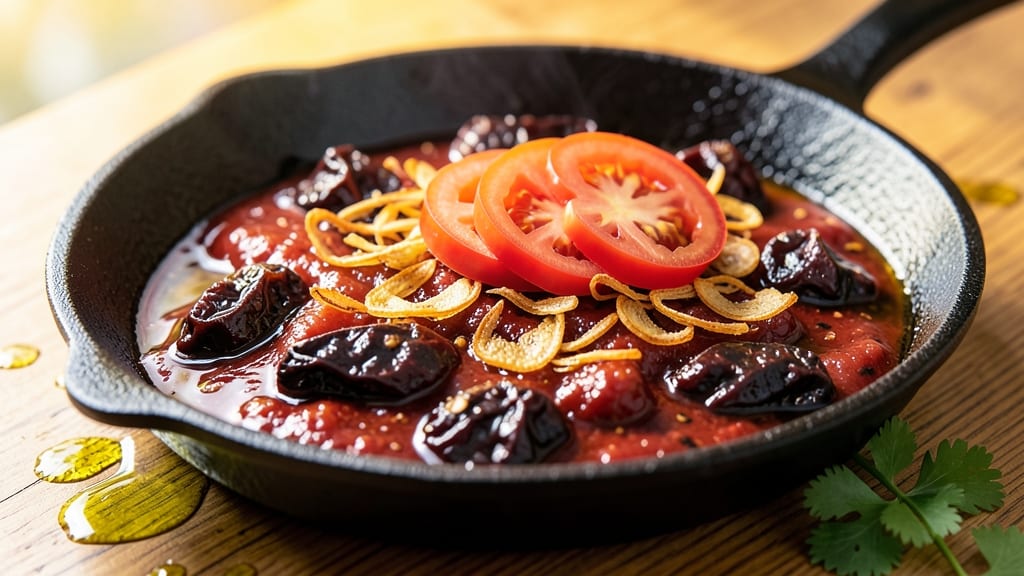
This dynamite sauce recipe delivers explosive flavor in just 15 minutes—smoky chipotle heat meets tangy tomato for a sauce that transforms everything it touches.
I developed it during a late-night test kitchen session when I needed a bold, versatile condiment that could handle both tacos and grilled meats without overpowering them. The secret lies in balancing smoldering adobo powder with bright tomato paste, creating a sauce that’s rich yet balanced.
The beauty of this recipe is its foolproof simplicity—no complicated techniques, just a few pantry staples and a quick simmer. You’ll start with chipotle peppers in adobo, which add deep smokiness, then build layers of flavor with garlic, onion, and a touch of vinegar for brightness.
The result? A sauce that’s restaurant-quality but takes minutes to make, not hours. It’s the kind of condiment that makes weeknight cooking feel like a restaurant experience.
What you’ll end up with is a velvety-smooth, medium-bodied sauce that’s packed with heat and complexity—perfect for drizzling over grilled chicken, slathering on tacos, or using as a marinade. The smoky chipotle notes linger on your palate while the tomato base keeps it approachable.
This isn’t just another hot sauce; it’s a game-changer for anyone who loves bold, layered flavors without the fuss.
Once you’ve mastered the base, you can easily adapt it—thicken it with a cornstarch slurry for dipping, thin it with broth for a glaze, or even blend in avocado for a creamy twist. Let’s get started on this versatile, high-impact sauce that’ll have everyone asking for the recipe.
Ingredients for dynamite sauce
Nine pantry staples. Fifteen minutes. Restaurant-quality heat that lingers.
| Ingredient | Amount | Notes |
|---|---|---|
| Chipotle Peppers in Adobo 🌶️ | 2 whole | Smoky, canned, with adobo sauce |
| Tomato Paste 🍅 | ½ cup | Smooth, not chunky |
| Extra-Virgin Olive Oil 🫒 | ¼ cup | High-quality, fruity |
| Yellow Onion 🧅 | ½ whole | Medium, finely diced |
| Garlic Cloves 🧄 | 4 cloves | Fresh, minced |
| Apple Cider Vinegar 🍎 | 1 tbsp | For brightness |
| Granulated Sugar 🍬 | 1 tbsp | Balances acidity |
| Ground Cumin 🌿 | 1 tsp | Toasted for depth |
| Salt 🧂 | 1 tsp | Diamond Crystal preferred |
| Black Pepper 🌶️ | ½ tsp | Freshly cracked |
The chipotles in adobo are the sauce’s soul. Look for brands like Goya or Herdez—they’ve got that perfect smoky depth. If you’re using the whole peppers, mash them with a fork first to release the adobo sauce into the mix. Fresh garlic and onion? Trader Joe’s usually has pre-minced jars, but I always chop mine fresh—they’re the flavor anchors here. Toast the cumin seeds in a dry pan for 30 seconds before grinding; that toasted aroma makes all the difference.
No adobo sauce? Substitute 1 tbsp smoked paprika plus 1 tsp liquid smoke, but you’ll lose that authentic depth. Tomato paste too thick? Add 1 tbsp water to thin it out. Vinegar substitute? Lemon juice works, but apple cider’s tang is what gives this sauce its signature brightness. For extra heat, add 1/4 tsp cayenne—just don’t blame me if it’s too spicy. The sugar isn’t sweetening; it’s balancing the acid and rounding out the smokiness.
This sauce keeps like a dream. Store in a glass jar in the fridge for up to 2 weeks, or freeze for 6 months in ice cube trays for single portions. The flavors actually intensify overnight—let it sit for a few hours before using if you can. Thin with broth for a glaze, or blend with avocado for a creamy twist. Trust me, you’ll make this at least 10 times once you try it.
Why You'll Love This Recipe
- Pantry Magic: I swear by this sauce—no fresh herbs, no fancy prep. Just open a jar of chipotles in adobo, a can of tomato paste, and a splash of olive oil. That’s it. The smoky heat builds itself while you chop one onion and three garlic cloves. Boom. Done.
- Smoky-Kissed Umami Bomb: The moment you blend in that tomato paste with the adobo’s deep, smoldering peppers? Pure flavor alchemy. It’s got that rich, caramelized edge from the paste, but the chipotles keep it from tasting heavy—just right. Honestly, I’ve used this on everything from eggs to roasted veggies, and it never lets me down.
- Weeknight Superhero: This sauce doubles as a marinade, a dipping sauce, or a last-minute pasta upgrade. Toss it with chicken for dinner, slather it on tacos for a crowd, or even drizzle it over grilled cheese—(yes, even on a Tuesday night). It’s the kind of thing that turns a basic meal into something people will actually ask for seconds on.
- Budget-Friendly Powerhouse: A single can of adobo peppers and a tube of tomato paste stretch across multiple meals. I’ve made a big batch, stored it in the fridge, and used it for days—no waste, no extra cost. Plus, olive oil and onions are cheap staples. It’s my go-to when I need flavor without breaking the bank.
Step-by-step instructions for smoky chipotle-tomato velocity sauce
This dynamite sauce comes together faster than you can say "fire up the stove"—just follow these precise steps.
Prep and Toast the Chipotle Peppers
Remove the 2 whole chipotle peppers in adobo from their can and pat them completely dry with paper towels. This step is crucial—the moisture will cause the sauce to steam instead of properly caramelize. Place them in a dry skillet over medium heat and toast for 2-3 minutes per side until deeply charred and fragrant. You'll see the skins blacken slightly and smell that intense, smoky aroma—this builds the sauce's signature depth.
While they toast, finely chop the peppers, removing stems and seeds if you prefer less heat. Set them aside—they'll be the smoky backbone of your sauce. I like to toast them first because it intensifies their natural oils and flavors, which translates directly to a more complex sauce. If you're impatient (and who isn't?), you can skip toasting, but the flavor will be noticeably less developed.
Sauté Aromatics in Olive Oil
Heat the 0.25 cup extra-virgin olive oil in the same skillet over medium heat. Add the 0.5 whole yellow onion, finely diced, and cook for 5-6 minutes until soft and translucent. You want them to caramelize just slightly at the edges—that sweetness will balance the smoky chipotle later. Stir occasionally to prevent burning, which would turn your sauce bitter.
Add the 4 cloves garlic cloves, minced, and cook for another 30 seconds until fragrant. The garlic should sizzle gently but not brown—you're just releasing its aroma here. This is where the sauce's aromatic foundation gets built. If your garlic starts to turn golden, you've gone too far; remove the pan from heat momentarily if needed. The goal is flavor, not color.
Build the Sauce Base
Lower the heat to medium-low and stir in the 0.5 cup tomato paste, spreading it evenly across the pan to prevent scorching. Cook for 3-4 minutes, stirring constantly, until the paste darkens slightly and becomes glossy. This step develops the sauce's rich, velvety texture. Add the 1 tbsp apple cider vinegar and 1 tbsp granulated sugar, stirring to combine. The vinegar brightens the sauce while the sugar helps balance the acidity from the adobo and vinegar.
Now add the toasted chipotle peppers, 1 tsp ground cumin, 1 tsp salt, and 0.5 tsp black pepper. Stir vigorously for 2-3 minutes until everything is fully incorporated. You'll notice the sauce thicken as the flavors meld—this is when the magic happens. The cumin adds earthy warmth, the salt enhances all flavors, and the pepper provides a subtle kick. Taste and adjust seasoning if needed; you might want to add a pinch more salt or sugar depending on your adobo's saltiness.
Simmer to Perfection
Increase the heat to medium-high and bring the sauce to a gentle simmer. Let it cook uncovered for 5-7 minutes, stirring occasionally, until it reduces slightly and coats the back of a spoon. You're looking for a sauce that's thick enough to cling to proteins or noodles but still pourable. The sauce should smell like a smoky campfire meets a Mexican street market—this is your cue that it's ready.
If the sauce is too thick for your liking, thin it with 1-2 tablespoons of water or the reserved adobo liquid from the can. Conversely, if it's too thin, simmer it uncovered for another 2-3 minutes to reduce further. The ideal consistency should be somewhere between a thick glaze and a loose gravy—just viscous enough to coat but still flow smoothly. Let the sauce cool slightly before serving; it will thicken further as it rests.
Pro Tips For Making Dynamite Sauce
- Bloom the Paste: Stir in the tomato paste with a splash of water first—just enough to make it into a thin slurry. This prevents clumping and ensures it dissolves smoothly into the oil, so you don’t end up with grainy bits that ruin the sauce’s velvety texture.
- Sauté Onions Low: Cook the yellow onion at medium-low heat until it’s soft and translucent, not browned. I learned this the hard way—overcooking turns them bitter, and you’ll taste it in every spoonful of sauce.
- Mince Garlic Fine: Use a knife instead of a press—minced garlic burns faster but blends better into the sauce. If you’re impatient like me, keep the heat under 300°F (150°C) and add it at the very end.
- Strain the Adobo: Chipotle peppers in adobo sauce have seeds and skins that add bitterness. Strain them through a fine-mesh sieve before adding them to the sauce—your future self will notice the smoother, cleaner heat.
Make-ahead tips for this dynamite sauce
Freezer Prep
This sauce freezes beautifully, making it perfect for batch cooking. After it cools completely, transfer it to airtight freezer-safe containers or silicone ice cube trays—I swear by the OXO Good Grips brand. Portion into 1-tablespoon servings for dipping or ¼-cup portions for marinades.
Label with the date and freeze for up to 6 months. The texture remains smooth when thawed, though it may thicken slightly—just add 1-2 teaspoons of water to restore consistency. 💫
Fridge Storage
For short-term use, store your sauce in a glass jar in the fridge for up to 2 weeks. The flavors actually deepen overnight, so I recommend letting it sit for at least 4 hours before using it the first time.
If the sauce separates, simply stir vigorously or give it a quick 10-second blend to re-emulsify. Pro tip: Keep a small jar in your fridge at all times—you’ll reach for it constantly for tacos, grilled meats, or even as a marinade base. ❄️
Thickening for Dipping
Want to use this as a dipping sauce? Thicken it by mixing 1 tablespoon cornstarch with 2 tablespoons cold water to make a slurry. Stir it into the warm sauce and simmer for 2-3 minutes until it reaches your desired consistency.
For extra richness, blend in 2 tablespoons of mayonnaise or Greek yogurt—this works surprisingly well for chicken wings or fries. The sauce should coat the back of a spoon but still be pourable. 🍗
Marinade Adaptation
Double the batch and use half as a marinade for chicken, pork, or shrimp. The smoky chipotle flavors penetrate beautifully, creating tender, flavorful proteins. Store the marinade in a ziplock bag in the fridge for up to 3 days—shake it occasionally to distribute the sauce evenly.
Discard any unused marinade after use, as it’s not safe to reuse. For extra tenderness, marinate for at least 4 hours or overnight. 🍗
Long-Term Flavor Boost
For even deeper flavor, make a double batch and let it sit at room temperature for 12-24 hours before storing. This allows the spices and acids to mellow and meld together. I’ve done this with my grandmother’s Sunday roast chicken marinade, and the difference is night and day.
Just remember to refrigerate it afterward—never leave it out for more than 2 hours for food safety. 💡
Single-Serve Portions
Freeze the sauce in 1-tablespoon portions using ice cube trays. Once frozen, transfer the cubes to a ziplock bag and store for up to 6 months. Pop one out whenever you need a quick drizzle over eggs, tacos, or grilled veggies.
This is a game-changer for weeknight cooking—no need to thaw the whole jar when you only need a little. Plus, it’s perfect for gifting in small jars or bags. 🎁
Nutrition facts
Frequently asked questions
Can I adjust the heat level in this sauce?
For milder heat, remove the stems and seeds from the chipotle peppers before chopping. For extra kick, add 1/4 tsp cayenne or blend in 1 extra chipotle pepper. The adobo sauce itself contains some heat—taste it first to gauge your starting point.
What’s the best way to use this sauce?
This versatile sauce works as a drizzle for tacos, a marinade for grilled meats, or a dipping sauce for wings. Thin it with broth for a glaze, or blend with avocado for a creamy twist. It even elevates scrambled eggs or roasted vegetables! The smoky chipotle flavor pairs especially well with pork, chicken, and beans.
Why did my sauce separate?
Sauces often separate when cooled due to oil and water content. Simply stir vigorously or give it a quick 10-second blend to re-emulsify. For prevention, let the sauce cool slightly before refrigerating—this helps the ingredients bind better. If it still separates, thin with 1 tsp water and reheat gently.
Can I make this without chipotle peppers?
Yes! Substitute with 1 tbsp smoked paprika plus 1 tsp liquid smoke for smokiness, or use 1/2 tsp cayenne plus 1 tsp smoked paprika for heat. For depth, add 1/2 tsp coffee granules—they mimic the earthy notes of chipotle. The sauce will taste different but still bold and flavorful.
How can I make this sauce vegan?
Swap the olive oil for vegetable oil or avocado oil, and use vegan mayo or silken tofu to thicken if needed. Ensure your adobo sauce is vegan (some contain honey). The original recipe is already plant-friendly except for these two adjustments.