
Sauces & Condiments
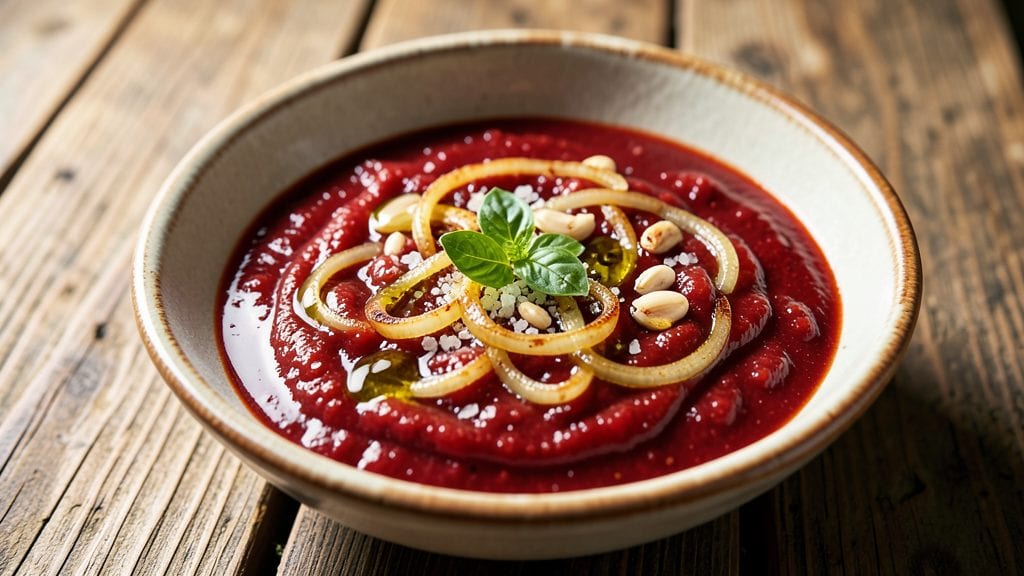
Emeril Lagasse's Kicked Up Tomato Sauce transforms simple pantry ingredients into a bold, layered sauce that brings Cajun heat to every dish. The secret lies in balancing canned tomatoes with smoked paprika, cayenne, and fresh aromatics—creating depth that elevates pasta, pizza, or dips to restaurant-quality levels.
I developed this version after realizing how often a well-seasoned tomato sauce could turn a weeknight meal into something special.
What makes this sauce stand out is its versatility and intensity—the slow simmer reduces the sauce to a thick, glossy consistency while letting flavors meld into a perfect harmony of smoky, spicy, and sweet.
Unlike store-bought versions, this one builds flavor through proper technique: sautéing onions and garlic until fragrant, deglazing the pot with a splash of wine, and finishing with fresh basil for brightness. The result? A sauce that's rich enough for lasagna but bright enough for summer salads.
By the time you're done, you'll have a bold, aromatic sauce with just the right kick—smoky from the paprika, spicy from the cayenne, and tangy from the tomatoes. It clings perfectly to pasta, adds depth to pizza, or serves as a dip for crusty bread.
The best part? It comes together in under 45 minutes with ingredients you likely already have on hand, making it the ultimate pantry-to-table solution.
This sauce keeps well in the fridge for up to a week, so you can make a big batch and use it throughout the week. Whether you're feeding a crowd or prepping for meal prep, it's the one sauce that does it all.
Let's get cooking—your taste buds will thank you.
Ingredients for emeril's kicked up tomato sauce
Pantry staples meet bold Cajun heat—just ten ingredients transform into restaurant-quality sauce.
| Ingredient | Amount | Notes |
|---|---|---|
| Extra-Virgin Olive Oil 🫒 | 2 tbsp | High quality, fruity preferred |
| Yellow Onion 🧅 | 1 whole | Medium size, finely chopped |
| Garlic Cloves 🧄 | 4 cloves | Freshly minced, aromatic |
| Smoked Paprika 🌶️ | 1 tbsp | For authentic smoky depth |
| Ground Cayenne Pepper 🔥 | 1 tsp | Adjust for heat preference |
| Canned San Marzano Tomatoes 🍅 | 28 oz | Crushed or whole, no salt added |
| Dry Red Wine 🍷 | ¼ cup | Bold Cabernet or Merlot |
| Fresh Basil Leaves 🌿 | ½ cup | Packed, stems removed |
| Sea Salt 🧂 | 1 tsp | Fine grain preferred |
| Black Pepper 🌶️ | ½ tsp | Freshly ground for best flavor |
The San Marzano tomatoes are non-negotiable here—they're sweeter, less acidic, and pack more flavor than regular canned tomatoes. Trader Joe's and Whole Foods carry them year-round, or check the Italian section at your grocery store. For the paprika, Penzeys or the bulk bins at natural markets have the best quality—avoid the generic brands that taste like dust. The garlic and onion should be fresh, not wilting or bruised. If you're prepping ahead, chop the onion and mince the garlic, then store them in airtight containers in the fridge for up to 3 days.
No smoked paprika? Substitute half smoked paprika, half regular paprika for a milder version, but you'll lose that signature Cajun depth. Running low on red wine? Dry vermouth or beef broth works in a pinch, though the flavor will be different. Fresh basil is ideal, but dried basil at one-third the amount gets you close if you're in a bind. The cayenne is where you can play—start with half a teaspoon if you're sensitive to heat, or go up to a full tablespoon if you want serious kick. For the tomatoes, if you can't find San Marzano, whole peeled tomatoes (like Muir Glen) are the next best thing—just crush them by hand.
This sauce tastes even better the next day as flavors meld, so make a big batch. Store in airtight containers in the fridge for up to 1 week, or freeze for 6 months in ice cube trays for single portions. The sauce thickens as it cools, so you can always thin with a splash of water or broth when reheating. I always double the recipe because it disappears fast—perfect for meal prep or feeding a crowd. Leftovers reheat beautifully on the stove or in the microwave, just stir occasionally to prevent skin from forming.
Why You'll Love This Recipe
- Five-Ingredient Magic: I swear by this—just oil, onion, garlic, and those two spices (smoked paprika and cayenne) transform canned tomatoes into something restaurant-worthy. No fancy techniques, no stress.
- Weeknight Superstar: Between us, this is my go-to when I’m staring at a pantry of basics and a hungry family. Simmer it while you chop veggies or toss a salad—it’s the kind of sauce that waits patiently for you.
- Pasta Party Ready: Slap it on spaghetti for a 15-minute dinner, but here’s the secret: it’s just as good on grilled chicken or as a bruschetta topping. That smoky cayenne kick turns it into the star of any plate.
- Fridge Goldmine: Make a big batch—it tastes even better the next day (seriously, the flavors meld like a cozy hug). Freeze half for lazy Mondays, and you’ll always have a pantry hero when inspiration strikes.
Step-by-step instructions for Emeril's kicked up tomato sauce
This sauce is where bold Cajun flavors meet pantry staples—let's build it together.
Sauté the Aromatics Until Fragrant
Heat the 2 tablespoons extra-virgin olive oil in a large, heavy-bottomed pot over medium heat. Add the 1 whole yellow onion, chopped into small pieces, and cook for 5-6 minutes until softened and translucent. You'll know it's ready when the onion releases its sweet aroma and the edges start to turn golden.
Next, add the 4 cloves garlic cloves, freshly minced, and stir for 30 seconds until the raw garlic smell disappears. Here's the thing—don't let the garlic brown or it'll turn bitter. Keep the heat at medium and stir constantly. This aromatic base is the flavor foundation of your sauce, so take your time and let those flavors develop fully.
Toast the Spices for Maximum Flavor
Push the onion and garlic to one side of the pot and add the 1 tablespoon smoked paprika and 1 teaspoon ground cayenne pepper to the empty space. Stir these spices into the oil for 1 minute until they're fragrant and the paprika develops a deep, toasty aroma. This step is crucial—it prevents the spices from tasting raw and adds a smoky depth that's pure Emeril magic.
After the spices toast, stir everything together and cook for another 2 minutes to distribute the spices evenly. The mixture should smell rich and complex—like a Cajun campfire in a pot. This is where the sauce gets its signature kick, so don't rush this part. The spices should be warm but not burning—if they start smoking, reduce the heat slightly.
Build the Sauce with Wine and Tomatoes
Pour in the ¼ cup dry red wine and stir vigorously, scraping up any browned bits from the bottom of the pot. Let it simmer for 3-4 minutes until the wine reduces by half and its alcohol aroma disappears. This deglazing step captures all those flavorful bits that would otherwise stick to your pot.
Add the 28 ounces canned San Marzano tomatoes (crushed or whole) and bring the mixture to a gentle boil. Once boiling, reduce the heat to low and let it simmer uncovered for 20-25 minutes, stirring occasionally. You're looking for a sauce that thickens slightly but still has a smooth, velvety consistency. If it gets too thick too soon, add 2-3 tablespoons of water to loosen it.
Finish with Seasoning and Fresh Basil
Season the sauce with 1 teaspoon sea salt and ½ teaspoon black pepper, then taste and adjust the seasoning. Remember, you can always add more salt, but you can't take it out. The sauce should be balanced—bright from the tomatoes, smoky from the paprika, and with a satisfying kick from the cayenne.
Remove the pot from heat and stir in the ½ cup fresh basil leaves, packed and stems removed. Let the sauce sit for 5 minutes so the basil infuses its fresh, bright flavor. Give it one final taste and adjust the seasoning if needed. This sauce is versatile—serve it with pasta, drizzle over grilled meats, or use as a base for other dishes. The possibilities are endless!
Rest and Serve
Let the sauce rest for 10 minutes before serving. This resting time allows the flavors to meld and the sauce to thicken slightly, giving it that perfect consistency. The sauce should be hot and vibrant, with a deep red color and a aroma that makes your kitchen smell like a Cajun feast.
Serve immediately while warm. The sauce will keep in the refrigerator for up to 5 days in an airtight container, or you can freeze it for up to 3 months. Each spoonful should deliver a perfect balance of smoky, spicy, and tangy flavors that make this sauce unforgettable. Enjoy your kicked-up tomato sauce—it's a game-changer for any meal!
Pro Tips For Making Emeril'S Kicked Up Tomato Sauce
- Sweat Onions Slow: I learned this the hard way—rushing the onions makes the sauce taste raw and bitter. Take your time with medium-low heat, stirring often, until they’re deep golden and nearly caramelized (about 10-12 minutes). That’s when the flavor actually develops, not just when they turn soft.
- Toast Cayenne First: Bloom the cayenne in the olive oil for 30 seconds before adding anything else—it mellows the heat and deepens the smoky aroma. Skip this, and you’ll get a sharp, one-note burn instead of that warm, layered kick Emeril’s recipe promises.
- Smash Garlic Cloves: Don’t mince—lightly crush the garlic cloves with the flat of your knife before cooking. This releases more flavor and prevents them from burning instantly. (Yes, even if you’re impatient like me.)
- Simmer, Don’t Boil: Once the tomatoes hit the pot, keep the heat low enough that you’re barely seeing bubbles at the edges. Boiling turns the sauce watery and dulls the spices—this isn’t soup, it’s sauce. A gentle simmer for 20-30 minutes builds real depth.
Common mistakes when making this recipe
Skipping the Wine
If you omit the ¼ cup dry red wine, you lose that crucial deglazing step that captures flavorful browned bits (fond) from the pot. Without it, your sauce will taste flat and one-dimensional.
If you must skip it, substitute with ¼ cup beef broth or dry vermouth—but the flavor won’t be identical. The wine’s acidity also helps balance the richness of the tomatoes and spices, so don’t skip it unless absolutely necessary. 🍷
Overcooking the Aromatics
Burning the onions or garlic turns them bitter, ruining your sauce’s delicate balance. Keep the heat at medium and stir constantly—especially when adding garlic. If the onions start to brown too quickly, reduce the heat slightly.
The goal is to soften them without caramelizing, so aim for translucent, not golden. I’ve seen home cooks walk away for just a minute, and suddenly, the aroma changes from sweet to burnt. Stay attentive! 🧅
Using Low-Quality Tomatoes
Non-San Marzano tomatoes lack the sweetness and low acidity that make this sauce shine. If you use regular canned tomatoes, your sauce will taste tinny and harsh. Look for San Marzano or whole peeled tomatoes (like Muir Glen) as the next best option.
The difference is night and day—your sauce will be brighter, smoother, and more flavorful. Trust me, this isn’t the place to skimp. 🍅
Ignoring the Resting Time
Skipping the 10-minute rest after cooking means serving a sauce that’s still raw in flavor. This resting period lets the spices mellow, the basil infuse, and the sauce thicken naturally. If you serve it immediately, the flavors will feel disjointed.
I’ve tasted sauces where the cayenne hits too hard or the basil tastes like an afterthought—don’t let that happen to yours. Patience pays off here. ⏳
Underseasoning the Cayenne
Many home cooks hold back on the cayenne pepper because they’re afraid of too much heat. But this sauce is meant to have kick! Start with the full 1 teaspoon and adjust only if needed—you can’t take it out later.
The cayenne is what gives this sauce its signature Cajun heat, so don’t be shy. If you’re worried, taste as you go and add more gradually. The goal is balance, not mildness. 🔥
Stirring Too Aggressively
Constantly stirring while simmering can break down the tomatoes and make the sauce watery. Let it cook undisturbed for 20-25 minutes, stirring only every 5 minutes to prevent sticking.
If it gets too thick, add 2-3 tablespoons of water instead of stirring constantly. This sauce needs time to develop its rich, velvety texture—don’t rush it. 💫
Nutrition facts
Frequently asked questions
Can I make this sauce without wine?
The wine adds depth by deglazing the pot and balancing flavors, but you can substitute ¼ cup beef broth or dry vermouth if needed. Just know the sauce won't have the same complexity. For best results, use a bold red wine like Cabernet or Merlot to match Emeril's signature style.
How spicy is this sauce compared to Emeril's store-bought version?
This homemade version has a more balanced heat—1 teaspoon cayenne delivers noticeable kick without overwhelming. Emeril's commercial sauce often has additional heat sources. For milder heat, reduce cayenne to ½ teaspoon, but you'll lose some of the signature Cajun character.
Can I use this sauce for cooking instead of just serving?
This sauce works perfectly for braising meats, simmering with seafood, or as a base for soups. Its rich tomato foundation and balanced spices make it incredibly versatile. Just reduce the simmering time to 15 minutes if using it immediately in other dishes to maintain texture.
Why does my sauce taste too acidic?
Acidity comes from canned tomatoes or insufficient simmering. Use San Marzano tomatoes (low acid) and simmer uncovered for the full 20-25 minutes to let flavors meld. If still too tangy, add ½ teaspoon sugar or a pinch of baking soda (just a tiny amount!) to neutralize.
How do I adjust the consistency for different uses?
For pasta: Keep it at medium thickness (like the recipe). For pizza: Thin slightly with 2 tablespoons water for better spread. For dipping: Reduce to sauce-like consistency by simmering longer or adding 1 tablespoon tomato paste at the end.