
Sauces & Condiments
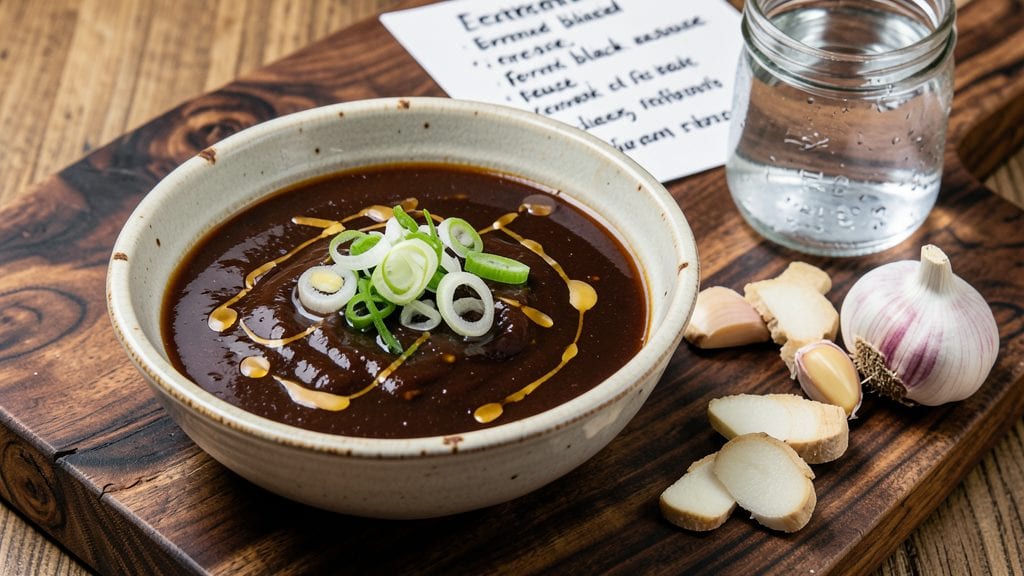
This fermented black bean sauce recipe unlocks deep, complex umami flavors through a simple fermentation process that transforms humble black beans into a versatile condiment.
The magic happens over time as natural enzymes break down the beans, creating a rich, tangy, and slightly sweet sauce that elevates everything from stir-fries to noodle dishes.
I first discovered this technique while researching traditional Chinese sauces, and the results were nothing short of transformative—far beyond anything store-bought could offer.
The beauty of fermented black bean sauce lies in its simplicity and adaptability. With just a few ingredients and minimal effort, you’ll create a sauce that’s packed with flavor and shelf-stable for months.
The fermentation process develops naturally over a week or two, allowing the beans to soften and release their full potential. This isn’t just a condiment; it’s a flavor multiplier that adds depth to any dish without overpowering it.
What you’ll end up with is a smooth, velvety sauce with a perfect balance of saltiness, tang, and umami—ideal for drizzling over rice, tossing with noodles, or using as a dipping sauce.
The fermentation process also makes it incredibly versatile, as you can adjust the saltiness or add aromatics like garlic or ginger to tailor it to your taste. Once you try it, you’ll never go back to bottled versions.
Perfect for meal prep, gifting, or keeping on hand for quick flavor boosts, this sauce is a game-changer for home cooks who love bold, authentic flavors. Let’s get started on creating your own batch—your taste buds will thank you.
Ingredients for fermented black bean sauce
Seven simple ingredients transform into a flavor powerhouse through fermentation.
| Ingredient | Amount | Notes |
|---|---|---|
| Black Soybeans 🌱 | 1 ½ cups | Dried, uncooked black soybeans |
| Sea Salt 🧂 | ½ cup | Fine grain preferred |
| Water 💧 | 1 ½ cups | Filtered or distilled |
| Garlic Cloves 🧄 | 4 cloves | Peeled, minced |
| Fresh Ginger 🌿 | 1 tbsp | Finely grated |
| Soy Sauce 🍶 | ¼ cup | Organic, gluten-free if needed |
| Sesame Oil 🫒 | 1 tbsp | Toasted, for finishing |
| White Vinegar 🍶 | 1 tbsp | For tanginess |
The black soybeans are the star here—look for them in the bulk section or Asian markets. They should be plump and uniformly dark, not shriveled or discolored. Trader Joe's and Whole Foods usually carry them, but if you can't find them, black lentils work in a pinch (though texture will differ). The sea salt matters too—use fine grain like Diamond Crystal for even distribution. Fresh ginger and garlic are non-negotiable for authentic flavor, but if you're short on time, dried ginger at half the amount will do. The soy sauce can be any brand, but Kikkoman or Tamari add that extra depth.
No black soybeans? Black lentils or adzuki beans work in a pinch, though fermentation time may vary. Short on sesame oil? Toasted peanut oil gives a similar nutty finish. The vinegar can be swapped for rice vinegar or apple cider vinegar if you prefer milder tang. For extra umami, add 1 tsp mushroom powder to the mix. The garlic and ginger can be pre-minced from the freezer aisle—just thaw before adding. If you're sensitive to salt, reduce by 1/4 cup but fermentation may take longer.
Ferment in a clean glass jar with a lid that allows air flow (or a fermentation lid). Store in a cool, dark place for 7-14 days, stirring daily. Once ready, blend until smooth, then store in the fridge for up to 3 months. The sauce thickens over time—add a splash of water if needed. I keep a small jar in my fridge for quick flavor boosts, and the rest gets frozen in ice cube trays for easy portioning.
Why You'll Love This Recipe
- No-Soaking Hassle: I’ll be real—soaking beans for hours used to make me groan. These black soybeans? Just rinse, simmer, and ferment—no waiting around. The texture gets tender on its own, and the salt does the magic while I’m busy with other stuff.
- Umami Bomb: That first taste of fermented beans? It’s like a punch of deep, savory happiness. The garlic and ginger mellow into something rich and layered—bright enough to wake up a simple stir-fry, but complex enough to stand alone with rice.
- Pantry Stash Magic: This sauce keeps for weeks in the fridge, and honestly? It gets better with time. Slather it on noodles, mix it into soups, or drizzle it over grilled chicken—it’s my go-to for when I’m too tired to plan but still want flavor that doesn’t skimp.
- Budget Win: A single batch feeds me for a solid week, and I’m not exaggerating. Black soybeans are cheap, salt is cheap, and the rest? Just basics from the spice rack. It’s the kind of recipe that makes me feel like I’m eating fancy without breaking the bank.
Step-by-step instructions for fermented black bean sauce
Here's how to create this deeply flavorful sauce through simple fermentation and simmering.
Prepare the Black Soybeans for Fermentation
Start by rinsing the 1.5 cups black soybeans thoroughly under cold water to remove any debris. Place them in a clean glass jar and cover completely with the 1.5 cups water. I like to use filtered water for this step—it helps prevent any off flavors from developing during fermentation.
Add the 0.5 cup sea salt and stir until fully dissolved. The salt helps preserve the beans and kickstarts the fermentation process. Seal the jar tightly and let it sit at room temperature for 48 hours. You'll know it's ready when you see bubbles forming and a slightly tangy aroma develops. This fermentation step is what creates that incredible umami depth we're after.
Add Aromatics and Continue Fermentation
After the initial 48 hours, open the jar and add the 4 cloves minced garlic and 1 tablespoon finely grated fresh ginger. Stir everything together to distribute the aromatics evenly through the fermenting mixture. Return the jar to room temperature and let it ferment for another 24 hours. This extended fermentation allows the garlic and ginger to meld beautifully with the beans.
During this time, you'll notice more bubbles and a stronger aroma developing. This is completely normal and actually indicates the flavors are deepening. If you see any mold forming on the surface, simply skim it off—it won't affect the flavor of the sauce.
Simmer the Fermented Mixture
After the full 72 hours of fermentation, transfer the entire contents to a saucepan and bring to a gentle simmer over medium heat. Add the 0.25 cup soy sauce and stir continuously to prevent sticking. Let it cook for 30-40 minutes, stirring occasionally, until the mixture thickens and the beans begin to break down slightly. You're looking for a sauce that coats the back of a spoon but isn't gluey.
This simmering step reduces the liquid and concentrates all those amazing fermented flavors. The sauce should smell rich and complex—like a perfect balance of salty, tangy, and umami notes. If it gets too thick too quickly, you can add a splash of water to loosen it up.
Finish with Sesame Oil and Vinegar
Once the sauce has reached your desired consistency, remove it from heat and let it cool slightly. Stir in the 1 tablespoon sesame oil and 1 tablespoon white vinegar. The sesame oil adds a nutty depth while the vinegar brightens the flavors with a subtle tang. Give it one final taste and adjust the seasoning if needed—you might want to add a bit more soy sauce for saltiness or vinegar for acidity.
The sauce should be thick, glossy, and packed with complex flavors. Let it cool completely before transferring to a clean jar for storage. This fermented black bean sauce will keep in the refrigerator for up to 2 weeks, making it perfect for adding to stir-fries, marinades, or drizzling over noodle dishes.
Pro Tips For Making Fermented Black Bean Sauce
- SOAK BEANS 12 HOURS: I learned this the hard way—skipping the long soak leaves you with a grainy, underdeveloped sauce. Use 2 parts water to 1 part beans, cover, and let them sit at room temp (not hot) for a full 12 hours. The longer they soak, the smoother the final texture.
- PEEL GINGER LIKE A PRO: Skip the messy peeler—just smack the ginger root hard on the countertop with the flat side of a knife. The skin will crack and peel off in sheets. Use 1-inch chunks (no need to mince yet) for fermenting, then finely chop later. This saves time and keeps your kitchen cleaner.
- COVER WITH WATER (NOT SALT WATER): After soaking, rinse the beans and cover them with plain water—no salt yet. Adding salt too early draws out moisture and slows fermentation. Let them ferment uncovered for 2-3 days, stirring once daily, before you even think about adding garlic or salt.
- PRESS OUT EXCESS LIQUID: After fermenting, the beans will be soft and surrounded by murky liquid. Drain them, then press the beans through a colander with the back of a spoon to remove every last drop. This prevents a watery sauce later—trust me, you don’t want a thin, soupy mess when you’re done.
Pro cooking tips for fermented black bean sauce
Fermentation Control
Temperature is your secret weapon for consistent fermentation. Keep your jar between 68-72°F for optimal microbial activity—I place mine in a dark pantry corner away from direct sunlight. Use a fermentation thermometer like the Soma Fermentation Thermometer to monitor this range.
If your kitchen runs hotter, try fermenting in a cool basement or near an exterior wall. The ideal temperature range prevents over-fermentation (which can make the sauce too sour) while ensuring proper lactic acid bacteria development.
Salt Ratio Precision
Never eyeball your salt! The 1:3 salt-to-bean ratio (½ cup salt to 1.5 cups beans) is critical for both safety and flavor. Too little salt risks spoilage, while too much can inhibit fermentation.
I use a digital kitchen scale for accuracy—75 grams of sea salt for 1.5 cups of beans. For a milder sauce, reduce to ¼ cup salt, but expect fermentation to take 2-3 days longer.
The salt also helps draw out moisture from the beans, creating the perfect environment for fermentation to thrive.
Stirring Technique
Stir your fermenting mixture once daily to distribute flavors and prevent mold formation. Use a clean silicone spatula to scrape the sides and bottom—this ensures even exposure to oxygen. I stir in a figure-8 motion to maximize surface area contact.
If you see any gray or white mold (common in the first 24 hours), simply skim it off with a clean spoon. The good bacteria will outcompete any mold within 12-24 hours, so don't panic if you spot some initially.
Simmering Mastery
When simmering the fermented mixture, maintain low heat to prevent scorching. I use a heavy-bottomed stainless steel pot to distribute heat evenly. Stir continuously for the first 10 minutes to break up any bean clumps, then reduce to occasional stirring.
The sauce should reduce by about 30%—if it thickens too quickly, add 1-2 tablespoons of water in increments. This step concentrates the flavors while developing that signature glossy texture. 🌡️
Flavor Development
Taste your sauce at the 30-minute mark during simmering to gauge progress. It should be developing a complex balance of saltiness, tang, and umami. If it needs more depth, add ½ teaspoon of fish sauce (for extra umami) or 1 teaspoon of miso paste for richness.
For a sweeter profile, stir in 1 teaspoon of honey during the final 5 minutes of simmering. The key is to build layers of flavor gradually rather than overwhelming the palate all at once.
Storage Secrets
Once cooled, transfer your sauce to a sterilized glass jar with an airtight seal. For short-term use (2 weeks), store in the refrigerator. For longer shelf life (3-4 months), freeze in ice cube trays and transfer to a freezer bag.
Thaw overnight in the fridge before using. I also keep a small portion in the fridge for immediate use and freeze the rest in 1-tablespoon portions—perfect for adding to stir-fries or marinades without measuring. The sauce actually improves with age, developing deeper complexity over time. ✨
Nutrition facts
Frequently asked questions
How long does fermented black bean sauce keep in the fridge?
Properly stored in an airtight container, this sauce stays fresh for 2-3 months in the refrigerator. The flavors actually deepen over time, so don't rush to finish it! For longer storage, freeze in 1-tablespoon portions for easy use in stir-fries or marinades. Thaw overnight in the fridge before using.
Can I make fermented black bean sauce without soy sauce?
Yes, but you'll need to adjust for umami depth. Use 1 tablespoon of tamari or coconut aminos plus ½ teaspoon of mushroom powder instead. For a vegetarian option, add 1 teaspoon of nutritional yeast during simmering. The key is balancing saltiness with umami—taste as you go and add more aromatics like garlic or ginger if needed.
What if my fermented black bean sauce smells bad?
If you detect a sharp, putrid odor (not the normal tangy aroma), your sauce has gone bad. This usually happens from improper fermentation conditions—like too warm temperatures or insufficient salt. Discard immediately if you see foul smells or mold that won't disappear after stirring. Always use clean equipment and maintain proper salt ratios to prevent spoilage.
How can I use fermented black bean sauce in cooking?
This versatile sauce works in countless ways! Use it as a dipping sauce for dumplings, a marinade for tofu or chicken, or a flavor booster in stir-fries. Try drizzling over noodles or mixing into 1 tablespoon per cup of broth for instant umami depth. For a quick upgrade, add ½ teaspoon to your BBQ sauce or 1 tablespoon to homemade mayo.
Can I ferment black beans without salt?
Not recommended—salt is crucial for both safety and flavor development. Without it, harmful bacteria can grow during fermentation. If you're avoiding salt for health reasons, try kelp powder (½ teaspoon) as a mineral-rich alternative, but expect longer fermentation times. The salt also helps draw out moisture, creating the perfect environment for beneficial lactic acid bacteria to thrive.