Sauces & Condiments
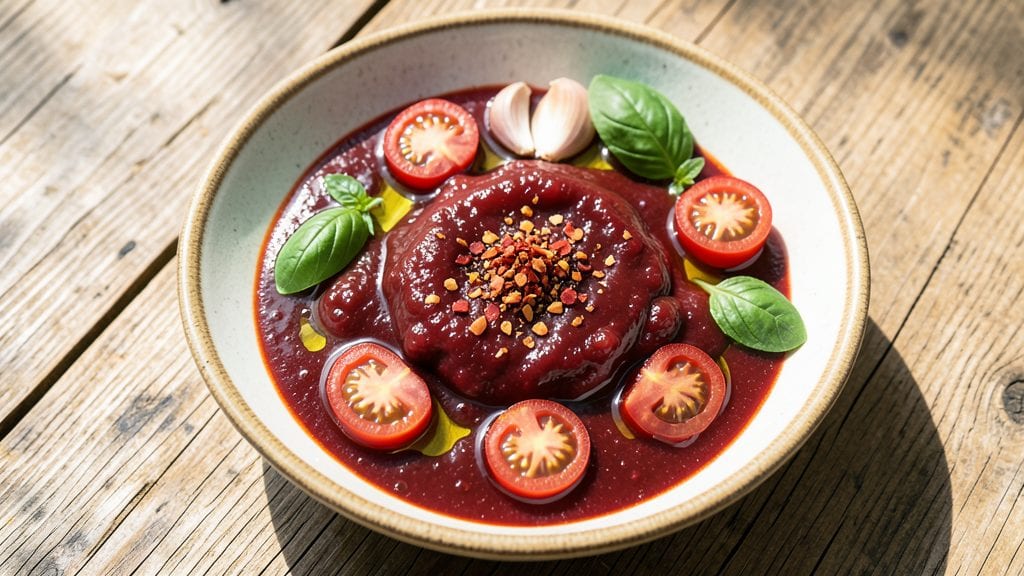
A fermented tomato sauce recipe transforms ordinary tomatoes into a probiotic-rich, deeply flavorful condiment that only gets better with time. This isn't your typical cooked sauce—it develops complex, tangy notes through natural fermentation, creating a living ingredient that elevates every dish it touches.
I first discovered this method while researching traditional Italian salsa cruda, where tomatoes ferment slowly to concentrate their natural sweetness and develop beneficial bacteria.
The process is surprisingly simple: just tomatoes, salt, and patience. You'll start with fresh, ripe tomatoes (or high-quality canned ones) and let them ferment in a clean environment for 5-7 days, developing a rich, slightly tangy flavor profile that's packed with probiotics.
The beauty of fermentation is how it transforms basic ingredients into something extraordinary—no fancy equipment required, just careful technique and time.
What makes this sauce special is its versatility. Use it as a pizza base, pasta sauce, or sandwich spread—each application benefits from its deep, complex flavor. The sauce will continue to develop in the fridge for weeks, becoming more flavorful with each passing day.
For those who prefer extra depth, you can infuse it with garlic, chili flakes, or fresh herbs during fermentation, creating endless variations.
Perfect for anyone interested in natural food preservation or gut-friendly cooking, this fermented tomato sauce is a game-changer for home cooks. Whether you're a seasoned fermenter or trying it for the first time, the results are consistently impressive.
Let's get started on creating your own probiotic-rich sauce that will deepen in flavor over time.
Ingredients for fermented tomato sauce
Four pounds of tomatoes, a pinch of salt, and time transform into a probiotic powerhouse sauce.
| Ingredient | Amount | Notes |
|---|---|---|
| Fresh Roma Tomatoes 🍅 | 4 lbs | Ripe, firm, organic preferred |
| Non-Iodized Sea Salt 🧂 | ¼ cup | Fine grain, like Diamond Crystal |
| Garlic Cloves 🧄 | 6 cloves | Fresh, peeled, lightly crushed |
| Red Chili Flakes 🌶️ | 1 tbsp | Adjust for heat preference |
| Fresh Basil Leaves 🌿 | ½ cup | Packed, stems removed |
| Extra-Virgin Olive Oil 🫒 | ¼ cup | High-quality, fruity variety |
| Lemon Juice 🍋 | 2 tbsp | Freshly squeezed |
| Fresh Oregano Leaves 🍃 | ¼ cup | Packed, finely chopped |
| Distilled Water 💧 | 1 cup | Chlorine-free preferred |
The tomatoes are the heart of this sauce—Roma tomatoes are ideal for their meaty texture and lower water content, but any ripe heirloom variety works. Local farmers markets often have the freshest, most flavorful options, especially in peak season. If you can't find fresh, San Marzano canned tomatoes are the next best thing—they're sweet, low-acid, and perfect for fermentation. Avoid bruised or soft tomatoes, as they'll spoil faster. For extra insurance, give them a quick rinse and dry thoroughly before processing. The salt is non-negotiable—Diamond Crystal kosher salt dissolves cleanly and won't cloud your sauce. If you're new to fermentation, start with this ratio and adjust based on your tomatoes' natural water content.
No fresh basil? Dried oregano at half the amount works in a pinch, though fresh herbs add vibrant complexity. Short on garlic? Asafoetida powder (hing) at 1/4 tsp mimics its depth without the pungency. The olive oil isn't just for flavor—it creates a protective barrier that helps preserve the sauce. Trader Joe's or Whole Foods carry excellent extra-virgin options that won't overpower the tomatoes. For the chili flakes, California or Mexican varieties have the best heat-to-flavor balance. If you're sensitive to spice, reduce to 1/2 tbsp or swap for smoked paprika. The lemon juice is optional but brightens the fermented tang—Meyer lemons add a floral note worth seeking out when in season.
This sauce gets better with time, so store it in a clean, airtight glass jar in the fridge. It'll continue fermenting gently for 3-6 months, developing deeper flavor. For long-term storage, transfer to sterilized mason jars and keep submerged under brine. The sauce can be frozen for up to 1 year—portion into ice cube trays for easy use. When ready to serve, stir well and taste. The flavor evolves from bright and tangy to rich and umami over weeks, making it a rewarding project. Use within 1 week of opening for peak freshness, or preserve the remainder in oil for extended shelf life.
Why You'll Love This Recipe
- No-Chop Required: I’ll be real—this sauce only needs a knife for garlic and basil. Toss in whole tomatoes, crush them with salt, and let the magic happen. That’s what I call effortless.
- Umami Bomb: The salt pulls out deep, tangy sweetness from the tomatoes, while the garlic and chili add this bright, almost smoky punch. Honestly? It’s the kind of flavor that makes you pause mid-bite.
- Weeknight to Party: Same jar of sauce works for pasta, pizza, or drizzled over grilled fish. My lazy Tuesday nights and Sunday potlucks both thank me for keeping this in the fridge.
- Lasts Without Losing: Fermented means it stays fresh for weeks—no sad, watery leftovers here. I’ve had a batch last three weeks, and every time I open it, the taste is still crisp. Budget win, flavor win.
Step-by-step instructions for fermented tomato sauce
This method transforms simple ingredients into a vibrant, probiotic-rich sauce that develops deeper flavor with each passing day.
Prepare and Pack the Tomatoes
Begin by washing the 4 lbs fresh Roma tomatoes thoroughly and removing any stems. Cut them into quarters, leaving the core intact to maintain shape. In a large mixing bowl, combine the tomato quarters with the 0.25 cup non-iodized sea salt and gently toss until each piece is evenly coated. Let them sit at room temperature for 30 minutes—this allows the salt to draw out moisture and begin the fermentation process.
Next, transfer the salted tomatoes to a clean, quart-sized glass jar, packing them tightly. Leave about 1 inch of headspace at the top. The tomatoes should be submerged in their own juices, but if they don't release enough liquid, add 1 cup distilled water to ensure complete submersion. This prevents mold growth and encourages even fermentation. Press down gently to remove air bubbles, then cover the jar loosely with a lid or cloth—fermentation creates gas, so a tight seal could cause pressure buildup.
Add Aromatics and Seal for Fermentation
In a small bowl, finely chop the 6 garlic cloves and 0.5 cup fresh basil leaves, then mix with the 1 tbsp red chili flakes and 0.25 cup fresh oregano leaves. Spoon this aromatic blend into the jar, pressing it down gently to nestle between the tomato quarters. Drizzle the 0.25 cup extra-virgin olive oil over the top and swirl the jar to distribute it evenly. Finally, add the 2 tbsp lemon juice—this subtle acidity helps balance flavors and supports the fermentation process.
Seal the jar with a lid and let it sit at room temperature for 3-5 days, depending on your taste preference. You'll know fermentation is active when you see small bubbles forming in the liquid and a faint effervescence when you open the jar. The sauce should develop a tangy, slightly sour aroma—this is exactly what you want. For a milder flavor, ferment for 3 days; for deeper complexity, extend to 5 days. Avoid temperatures above 75°F, as heat can accelerate fermentation and risk spoilage.
Blend and Store for Maximum Flavor Development
Once fermentation is complete, remove the jar from the counter and transfer its contents to a blender or food processor. Pulse until the tomatoes are finely chopped but still retain some texture—this ensures a rustic, chunky consistency. Taste the sauce and adjust seasoning if needed; you may want to add a pinch more non-iodized sea salt or red chili flakes to suit your palate. The sauce should be vibrant red, slightly thick, and brimming with herbal notes.
Pour the blended sauce back into a clean jar, leaving ½ inch of headspace at the top. Seal tightly and store in the refrigerator, where it will continue to develop flavor over time. The sauce is best after 1-2 weeks, but it will keep for up to 3 months, deepening in complexity with each passing day. For serving, let the sauce come to room temperature before using—this enhances its rich, fermented character. Pair it with crusty bread, grilled meats, or use it as a base for pasta dishes.
Pro Tips For Making Fermented Tomato Sauce
- SCORE TOMATOES FIRST: Cut the Roma tomatoes in half lengthwise before fermenting—this exposes more surface area to the salt and speeds up the breakdown. I used to slice them like apples, but this method keeps the skins intact longer, which actually helps trap flavor during fermentation.
- SALT IN LAYERS: Don’t just dump salt on top. Pack the tomatoes into your jar, sprinkle a thin layer of sea salt (about ½ teaspoon per cup of tomatoes), then add another layer of tomatoes. This ensures even distribution and prevents clumping—my first batch had a salty bottom and bland top, and I’ve never made that mistake again.
- CRUSH GARLIC GENTLY: Smash the garlic cloves with the flat side of your knife instead of mincing them. This keeps the allicin intact longer, which actually enhances the fermenting process. I learned this from a Neapolitan chef who said, “Too much knife work kills the soul of the garlic.”
- COVER WITH BRINE: After salting, pour cold water over the tomatoes until they’re fully submerged—no peeking! Use a fermentation weight or a smaller jar filled with water to keep them under liquid. I once left mine exposed for “just a minute,” and mold showed up in 48 hours. Don’t risk it.
Troubleshooting perfect results
Mold Prevention Tips
If you notice white or fuzzy mold on the surface within 24-48 hours, don't panic—this is common in fermentation. Simply skim off the moldy layer with a clean spoon, ensuring you don't disturb the submerged tomatoes.
The sauce will still ferment properly below the mold. For prevention, always use chlorine-free water and sterilized jars—I like to run my jars and tools through a dishwasher cycle before use. 🧼
Flavor Too Mild?
If your sauce tastes too subtle after fermentation, extend the room-temperature stage by 1-2 extra days—this lets the flavors develop further. For an immediate boost, add 1 extra garlic clove or ½ tsp black pepper during blending.
I also recommend using sun-ripened tomatoes (like Brandywine or Cherokee Purple) for naturally sweeter, more complex flavor. For heat lovers, increase the red chili flakes to 2 tbsp during the initial packing stage.
Excessive Bubbling?
Rapid bubbling or foaming means fermentation is happening too aggressively, often due to warm temperatures above 75°F. Move your jar to a cooler spot (like a pantry) and reduce fermentation time to 2-3 days.
If you see large gas bubbles escaping, crack the lid slightly or cover with a clean cloth instead of a lid to allow pressure release. This keeps the process safe while maintaining flavor development.
Sauce Too Watery?
If your fermented sauce is too thin, simmer it uncovered on low heat for 10-15 minutes to reduce excess liquid. For a thicker texture from the start, use Roma tomatoes (they have less water content) and pack them extra tightly in the jar.
I also recommend straining through a fine-mesh sieve after blending to remove excess liquid while keeping the tomato solids. This works especially well for pizza sauce applications where thickness matters.
Off Smell Detected?
If your sauce smells sharp, putrid, or like rotten eggs, discard it immediately—this indicates bad bacteria has taken over. To prevent this, always submerge tomatoes completely in brine (use 1 extra cup water if needed) and keep the jar covered loosely (not airtight).
I also recommend fermenting in a cool spot (65-70°F) for the first 24 hours to stabilize the environment before moving to room temperature. 🚨
Uneven Fermentation?
If some tomatoes ferment faster than others, stir the jar gently every 12 hours to redistribute the brine. For stubborn slow spots, add 1 extra tsp salt to the jar and mix well—this helps balance fermentation.
I've also found that cutting tomatoes into smaller pieces (like ½-inch cubes) ensures more even exposure to the brine. This is especially helpful when using large heirloom tomatoes with thick skins that might resist fermentation.
Nutrition facts
Frequently asked questions
Can I use canned tomatoes for fermented tomato sauce?
Yes, but choose high-quality canned tomatoes like San Marzano for the best results. Drain them well first to reduce excess water, which can dilute the fermentation. For every 15 oz can, use 1 tbsp extra salt to ensure proper preservation. The texture will be slightly smoother than fresh, but the flavor develops just as well over time.
How do I know when fermentation is complete?
Fermentation is done when you see small bubbles in the liquid and detect a tangy, slightly sour aroma (like yogurt or sauerkraut). After 3-5 days, taste a small amount—it should be bright and slightly acidic, not overly sharp. The sauce will continue developing flavor in the fridge for weeks, so don't worry if it's not fully "done" at this stage.
What can I do with leftover fermented tomato sauce?
This versatile sauce works as a pizza base, pasta sauce, or sandwich spread. For extra depth, simmer it with 1 minced onion and 1 tsp sugar for 10 minutes to mellow the tang. Freeze portions in ice cube trays for easy use, or preserve in olive oil for long-term storage. It also makes a fantastic marinade for grilled meats or vegetables.
Why did my fermented tomato sauce turn pink?
A pinkish hue often means the tomatoes weren't fully submerged during fermentation, exposing them to oxygen. This is harmless but can affect flavor development. Next time, pack tomatoes extra tightly and add ½ inch more brine (water + salt) to ensure complete submersion. The color will normalize as fermentation progresses.
Can I add cheese or dairy to fermented tomato sauce?
While the sauce itself is dairy-free, you can certainly pair it with cheese after fermentation. For example, blend in ¼ cup ricotta or 2 oz fresh mozzarella when serving on pizza or pasta. Avoid adding dairy during fermentation—it can spoil due to the acidic environment. Instead, incorporate it at the end for creaminess.