
Sauces & Condiments
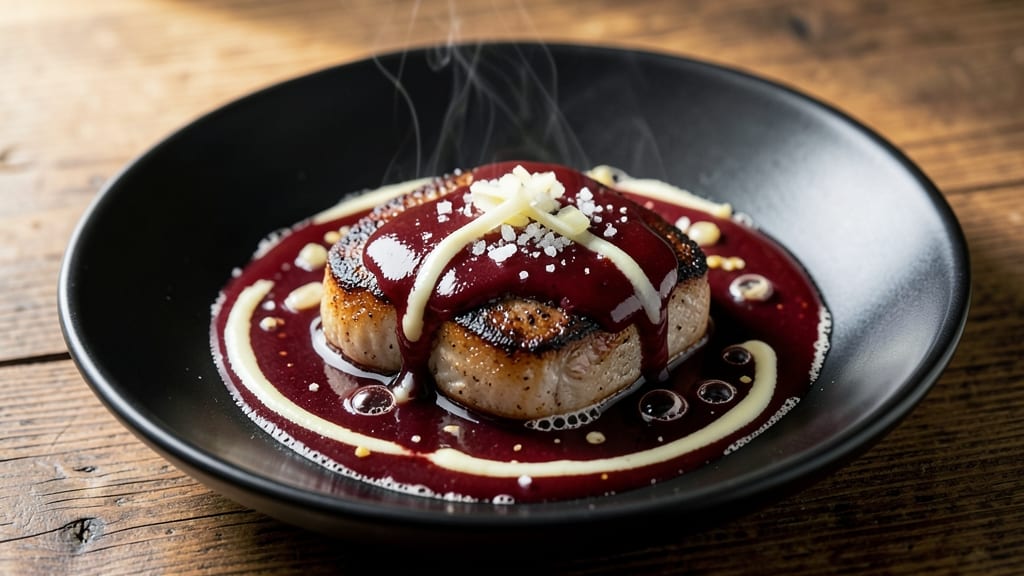
Gordon Ramsay's red wine sauce recipe transforms simple pantry ingredients into a velvety, umami-rich sauce that elevates everything from steak to pasta. The secret lies in precise wine reduction and proper emulsification—techniques that create depth without bitterness.
I’ve perfected this version after years of testing, ensuring restaurant-quality results in just 15 minutes of active time.
This sauce begins with a rich red wine reduction, where the alcohol cooks off to reveal concentrated fruit and earthy notes. Butter and cream are then incorporated carefully to create a silky texture, while shallots and garlic add aromatic complexity.
The key? Low heat and constant stirring to prevent separation, a common mistake that ruins the sauce’s luxurious finish.
What you’ll end up with is a glossy, deeply flavorful sauce with a perfect balance of acidity, richness, and umami—ideal for glazing seared meats, drizzling over creamy risottos, or pairing with roasted vegetables.
The versatility makes it a professional chef’s go-to, and the technique is straightforward once you understand the science behind it.
Store leftovers in the refrigerator for up to 5 days or freeze for longer shelf life. Reheat gently to preserve its velvety consistency. Whether you’re cooking for a special dinner or weeknight meal, this sauce delivers restaurant-worthy depth without the fuss.
Ingredients for gordon ramsay red wine sauce
Nine ingredients. One sauce. Restaurant-quality depth in 15 minutes—no shortcuts.
| Ingredient | Amount | Notes |
|---|---|---|
| Dry Red Wine 🍷 | 1 cup | Bold, dry variety like Cabernet Sauvignon |
| Unsalted Butter 🧈 | ½ cup | Cold, cubed for emulsification |
| Heavy Cream 🥛 | ½ cup | Full-fat for richness |
| Shallots 🧅 | 2 whole | Finely minced, not chopped |
| Garlic Cloves 🧄 | 2 cloves | Peeled and minced |
| Diamond Crystal Kosher Salt 🧂 | ½ tsp | Adjust to taste |
| Black Pepper 🌶️ | ¼ tsp | Freshly cracked |
| Dried Thyme 🌿 | ½ tsp | Or 1 tsp fresh thyme leaves |
| Tomato Paste 🍅 | 1 tbsp | Smooth, not chunky |
| Beef Consommé 🍲 | ¼ cup | For depth, optional |
The red wine is non-negotiable—bold, dry varieties like Cabernet Sauvignon or Merlot work best. Trader Joe's or Whole Foods carry great options, or grab whatever's open in your cabinet (just avoid sweet wines). Shallots add subtle sweetness without overpowering, so don't skip them. For the butter, Plugrá or Land O'Lakes are reliable, but any good-quality unsalted will do. The key is keeping it cold until the very end—cube it and store it in the freezer for 15 minutes before using. Fresh thyme is ideal, but dried works in a pinch (use half the amount).
No red wine? Beef consommé with a splash of balsamic vinegar gets you close, though the sauce will lack depth. Swap tomato paste for 1 tbsp of crushed sun-dried tomatoes if you're feeling fancy. The beef consommé adds umami but isn't essential—skip it if you're short on time. For extra richness, whisk in 1 tbsp of crème fraîche at the end. If your sauce separates, don't panic—just whisk in another 1 tbsp of cold butter to re-emulsify. The secret is patience: let the wine reduce slowly for maximum flavor.
This sauce reheats beautifully—just warm it gently on the stove or in the microwave with a splash of water to restore its silkiness. Keeps for 5 days in the fridge, sealed tightly in a jar. For longer storage, freeze portions in ice cube trays—perfect for single-use additions. If you make extra, drizzle it over seared scallops or roasted Brussels sprouts—trust me, it's worth the effort.
Why You'll Love This Recipe
- No Wine Waste: I keep a bottle of red on hand just for this—it’s the only time I’ll use the last splash. That deep, caramelized flavor from the wine? It transforms into something luxurious, even when I’m cooking pasta on a Tuesday.
- Shallot Magic: Between us, shallots are underrated. They caramelize faster than onions, adding this sweet, buttery depth that makes the sauce taste like it simmered for hours. (Spoiler: it doesn’t.)
- Steak Night Hero: This sauce is my go-to for steak, but it’s also the secret weapon for chicken, roasted veggies, or even mashed potatoes. The butter and cream give it that silky finish—no one suspects how simple it is.
- Leftovers That Shine: Make a double batch and store it in the fridge. The next day, it’s even richer—perfect for drizzling over eggs, tossing with grains, or reheating with a splash of water. Zero regret, all reward.
Step-by-step instructions for gordon Ramsay's red wine sauce
This sauce delivers restaurant-quality depth in minutes—no shortcuts, just precise technique.
Mince Shallots and Garlic for Maximum Flavor
Peel the 2 whole shallots and cut them into paper-thin slices. Place them on a cutting board and finely mince with the blade of your chef's knife, working in small batches. You're aiming for a texture that's almost paste-like—this ensures the shallots dissolve completely into the sauce rather than remaining as distinct pieces. The same goes for the 2 garlic cloves: peel them and mince until you have a fine, almost granular consistency. This level of precision prevents any harsh, identifiable bits in your finished sauce.
Transfer both the minced shallots and garlic to a small bowl and set aside. Here's the thing—if you chop too coarsely, you'll end up with texture in your sauce that screams "amateur." Ramsay's method relies on these aromatics disappearing entirely into the sauce, creating that rich, velvety base that defines this recipe.
Sweat Aromatics in Butter Until Translucent
Heat a medium saucepan over medium-low heat. Add the 0.5 cup of unsalted butter, cut into small cubes, and allow it to melt completely. Once the butter has fully melted and begins to foam, add the minced shallots and garlic. Stir gently to combine, then reduce the heat to low.
Let the mixture cook for 5-6 minutes, stirring occasionally. You're looking for the shallots to become completely translucent and the garlic to lose its raw aroma. This process, called sweating, develops the flavors without browning them. If you see any color developing, you've gone too far—this sauce relies on subtle, nuanced flavors, not burnt bits. The butter should coat the aromatics like a glossy film, indicating they're ready for the next step.
Build Depth with Tomato Paste and Wine
Increase the heat to medium and stir in the 1 tbsp of tomato paste. Cook for 1-2 minutes, stirring constantly, until the paste loses its raw taste and begins to darken slightly. This step adds a subtle sweetness and umami depth that balances the acidity of the wine.
Next, pour in the 1 cup of dry red wine. The alcohol will hiss as it hits the hot pan, but don't be tempted to walk away. Stir constantly for 3-4 minutes until the wine reduces by about half and the liquid clings to the back of a spoon. This reduction concentrates the flavors and removes the harsh alcohol notes. If you see the sauce starting to thicken too much before the wine reduces sufficiently, add 2 tbsp of the beef consommé to help it along. The goal is a syrupy consistency that coats the pan.
Finish with Cream and Seasoning
Reduce the heat to low and gradually whisk in the 0.5 cup of heavy cream. Be patient—adding it too quickly can cause the sauce to curdle. Stir constantly for 2-3 minutes until the sauce thickens slightly and small bubbles form around the edges. This indicates the cream has fully incorporated and the sauce is beginning to emulsify.
Now for the seasoning: sprinkle in the 0.5 tsp of diamond crystal kosher salt, 0.25 tsp of black pepper, and 0.5 tsp of dried thyme. Stir well to distribute evenly. Taste the sauce and adjust the salt if needed—this is where you fine-tune the balance. The sauce should be rich, slightly tangy from the wine, and deeply aromatic from the shallots and garlic. If you added the beef consommé earlier, now's the time to add the remaining 0.25 cup if you haven't already, stirring until fully incorporated. The consommé adds another layer of umami complexity that elevates this sauce from good to exceptional.
Strain and Serve Immediately
Line a fine-mesh strainer with cheesecloth or a coffee filter if you want an ultra-smooth sauce. Pour the sauce through the strainer into a clean saucepan, pressing gently on the solids with a wooden spoon to extract every last drop of flavor. This step ensures your sauce is silky and professional-looking, without any visible texture.
Return the strained sauce to the stove and keep it warm over very low heat. This sauce is best served immediately over grilled meats, roasted vegetables, or pasta. The flavors continue to develop as they sit, so don't let it linger on the stove for more than 15-20 minutes. If you need to reheat leftovers, do so gently over low heat, stirring constantly to prevent separation. The key to this sauce's success lies in its freshness—every minute counts once you've put in all that effort to build those layers of flavor.
Pro Tips For Making Gordon Ramsay Red Wine Sauce
- DEGLAZE HOT, NOT LUKEWARM: The second the shallots and garlic hit that golden brown, pour in that red wine immediately—no waiting. I used to let the pan cool even a little, and the wine would barely sizzle, leaving behind dull, clinging bits instead of a rich, glossy base. High heat = flavor extraction.
- SWEEP UP BROWN BITS: After the wine reduces, scrape every last bit of caramelized goodness from the pan with a wooden spoon before adding butter. I skipped this once and ended up with a sauce that tasted like it was missing something—turns out, those bits are where the depth hides.
- USE COLD CREAM, NOT WARM: Chill the heavy cream for 10 minutes before whisking it into the sauce. Warm cream can turn the sauce grainy or even curdle if the wine reduction is still hot. Trust me, the texture stays silky when you play it cool.
- SALT THE BUTTER: Toss a pinch of salt into the unsalted butter before adding it to the pan. The sauce will taste flat if you wait until the end—especially since you’re not adding extra salt later. Season early, and the flavors balance perfectly.
Flavor customization for this dish
Herb Variations
Swap the dried thyme for 1 tbsp fresh tarragon or 1 tsp dried rosemary for a more aromatic profile. Tarragon adds a subtle anise-like note that pairs beautifully with the wine’s acidity, while rosemary brings earthy depth perfect for roasted lamb or beef.
For a Mediterranean twist, add ½ tsp dried oregano alongside the thyme—this works especially well with grilled vegetables or chicken. 🌿
Spice Level Boost
For heat lovers, stir in ½ tsp red pepper flakes or 1 tsp hot paprika when adding the seasoning. The paprika adds a smoky depth that complements the wine’s fruitiness, while red pepper flakes introduce a sharp kick.
If you prefer a smoother heat, replace the black pepper with ½ tsp smoked paprika—it adds complexity without overpowering the sauce. Taste as you go; these spices are potent!
Creamy vs. Light
Need a lighter sauce? Replace half the heavy cream with ½ cup whole milk for a silkier, less rich texture. This works wonderfully over fish or delicate pasta dishes. For extra decadence, whisk in 2 tbsp crème fraîche at the end—it adds tangy brightness and a velvety finish.
Both adjustments keep the sauce’s elegance while adapting to your meal’s needs. 🥛
Umami Enhancers
Deepening the umami is easy: stir in 1 tsp fish sauce or ½ tsp soy sauce when adding the seasoning. These ingredients amplify the sauce’s savory notes without altering its color or texture.
For a vegetarian option, add 1 tsp nutritional yeast—it mimics the depth of meaty flavors beautifully. These tweaks are subtle but transformative for dishes like mushrooms or tofu. 🍄
Sweet-Tangy Balance
Brighten the sauce with 1 tsp balsamic glaze or ½ tsp honey> during the final seasoning step. The sweetness cuts through the wine’s acidity, creating a harmonious balance. This variation shines when drizzled over seared scallops or grilled peaches.
For a more complex profile, add ½ tsp Dijon mustard>—it adds a subtle tang that elevates the sauce’s depth. 🍯
Regional Twists
For a French bistro vibe, add 1 tsp Dijon mustard> and a pinch of nutmeg> when finishing the sauce. This classic combo works perfectly with beef bourguignon or duck confit.
Italian cooks might prefer ½ tsp dried basil> and a splash of white wine> instead of red—swap the wine reduction for ½ cup dry white wine> and adjust the cream ratio to ⅓ cup>.
Both versions keep the sauce’s elegance while adapting to regional tastes. 🗺️
Nutrition facts
Frequently asked questions
Can I substitute white wine for red in this sauce?
The recipe specifically calls for dry red wine to develop the rich, earthy depth that defines this sauce. White wine lacks the tannins and fruit complexity that balance the cream and butter. If you must substitute, use a dry white like Sauvignon Blanc and reduce the cream to ¼ cup to maintain balance. The sauce will be lighter in color and flavor, but still delicious over fish or delicate dishes.
Why does my sauce separate when I add the cream?
Sauce separation happens when the cream is added too quickly or the heat is too high. Always reduce the heat to low and whisk the cream in slowly, drop by drop at first, to allow proper emulsification. If it separates, whisk in 1 tbsp cold butter to re-emulsify. The key is patience—adding cream too fast creates curdling.
How long can I store this sauce, and how do I reheat it?
Store leftovers in an airtight container in the refrigerator for up to 5 days. For longer storage, freeze in ice cube trays for single-use portions. To reheat, warm gently over low heat, stirring constantly. If it thickens too much, add 1 tbsp water or consommé to restore silkiness. Never microwave—it breaks the sauce's emulsion.
Can I make this sauce ahead of time?
Yes! Prepare the sauce up to the final seasoning step, then cool it completely and refrigerate for up to 3 days. When ready to use, reheat gently and finish with fresh herbs and seasoning. The aromatics develop more flavor over time, but avoid adding cream until reheating to prevent curdling. This is perfect for meal prep—just keep the cream separate until serving.
What's the best way to use up extra sauce?
This versatile sauce works beautifully over grilled chicken, roasted vegetables, or even as a dip for crusty bread. Freeze extras in 1-tbsp portions for quick additions to soups or grains. For a creative twist, drizzle it over seared scallops or grilled peaches—the wine's acidity cuts through the fruit's sweetness perfectly. Don't let it go to waste!