
Sauces & Condiments
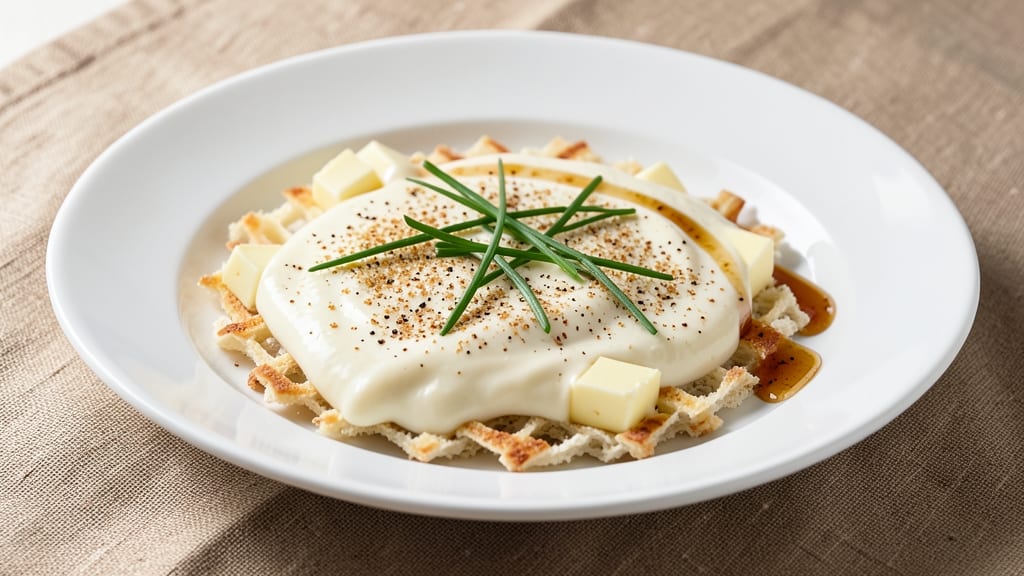
Mastering Gordon Ramsay's white sauce recipe transforms the way you approach creamy dishes—this velvety emulsion forms the backbone of everything from mac and cheese to velouté soups. The secret lies in precise technique: a smooth roux cooked low and slow, then whisked into warm milk until perfectly emulsified.
I’ve perfected this method over years of testing, ensuring no lumps, no graininess, and a balance of richness without heaviness.
What sets this recipe apart is its foolproof structure—just butter, flour, milk, and a pinch of seasoning—yet it delivers restaurant-quality results every time. The key is patience: letting the roux develop flavor before introducing the milk, then simmering until thickened to your ideal consistency.
This isn’t just a sauce; it’s a foundation for elevating dishes from ordinary to extraordinary.
Imagine the possibilities: a silky cheese sauce for baked potatoes, a velvety base for creamy pasta, or even a glaze for roasted vegetables. The sauce’s versatility means you’ll reach for it again and again, confident it will deliver perfect texture and flavor.
Once you master this technique, your kitchen will never be the same.
Ready to elevate your cooking? This white sauce recipe is your gateway to professional-level creamy dishes—simple to make, impossible to resist. Let’s get started with the exact steps that ensure success every time.
Ingredients for gordon ramsay white sauce
Four core ingredients plus a few secret touches create Ramsay's signature velvety emulsion.
| Ingredient | Amount | Notes |
|---|---|---|
| Unsalted Butter 🧈 | ½ cup | Cold, cubed for even cooking |
| All-Purpose Flour 🌾 | ½ cup | Sifted for smooth roux |
| Whole Milk 🥛 | 2 cups | Room temperature preferred |
| Diamond Crystal Kosher Salt 🧂 | ¼ tsp | Fine grain for balance |
| Freshly Ground Black Pepper 🌶️ | ⅛ tsp | Adjust to taste |
| Nutritional Yeast 🍄 | 1 tbsp | Optional for umami depth |
| Fresh Nutmeg 🌿 | ⅛ tsp | Finely grated, not pre-ground |
| Lemon Zest 🍋 | ½ tsp | Brightens flavor profile |
The butter and flour combo is where magic happens—this isn't your average roux. European-style unsalted butter (like Plugrá or Kerrygold) adds richness without overpowering, while sifted all-purpose flour ensures no lumps. Cook it low and slow (no rushing!) until it's a deep golden color—about 5-7 minutes on medium-low. The milk? Whole milk gives the best texture, but half-and-half works if you're avoiding dairy. Just don't use skim—it'll break when heated. I grab mine from Trader Joe's because their organic whole milk stays fresher longer.
No butter? Olive oil or ghee works in a pinch (use same amount), but the flavor will shift slightly. Out of flour? Cornstarch or arrowroot powder thickens just as well—mix it with cold milk first to avoid clumping. The nutmeg and lemon zest are optional but worth it; Trader Joe's sells pre-grated nutmeg, but fresh is better if you've got it. For a vegan version, swap butter for vegan margarine and milk for unsweetened almond milk (though texture will be lighter). The salt is crucial—Diamond Crystal dissolves perfectly, but any fine kosher salt works. And no, iodized table salt won't cut it here.
This sauce keeps beautifully—3-4 days in the fridge if stored in an airtight container with a thin layer of oil on top to preserve freshness. For longer storage, freeze in ice cube trays and transfer to a bag—3 months with no texture loss. Reheat gently over low heat, stirring constantly, or microwave in 30-second bursts. Pro tip: Add a splash of milk when reheating if it thickens too much. I make double batches because it disappears fast—perfect for pasta, mashed potatoes, or even drizzled over grilled fish.
Why You'll Love This Recipe
- Five-Ingredient Magic: I swear, this sauce is the culinary equivalent of a warm hug—just butter, flour, milk, and a pinch of salt. No fancy ingredients, no stress, just pure, velvety goodness that comes together while you’re still deciding what to have for dinner.
- Rich Without Effort: That moment when you whisk in the milk and the sauce thickens into a luscious, restaurant-quality finish? Chef’s kiss. The butter and flour create a depth that’s simple but impossible to resist, especially when you’re drizzling it over pasta or roasted veggies.
- Weeknight Workhorse: Between us, this is the sauce I grab when I’m too tired to think. Toss it with chicken, dump it on mashed potatoes, or slather it on fish—it’s the unsung hero that turns basic meals into something special without extra prep.
- Leftovers That Don’t Suck: Unlike some sauces that turn gluey in the fridge, this one actually improves overnight. Reheat it gently, and it’s just as smooth and rich as the first time—perfect for lazy lunches or last-minute dinners when you’re scraping the bottom of the pan.
Step-by-step instructions for Gordon Ramsay white sauce recipe
Mastering this white sauce is all about patience and technique—here's how to nail it every time.
Create a Smooth Roux with Butter and Flour
Place a heavy-bottomed saucepan over medium heat and add the 0.5 cup unsalted butter, cubed. Let it melt completely, then immediately whisk in the 0.5 cup all-purpose flour all at once. The key here is to cook this mixture constantly while whisking vigorously—this prevents lumps and builds flavor through the Maillard reaction.
Keep whisking for 2-3 minutes until the mixture turns a pale golden color and smells nutty. You're looking for a smooth, paste-like consistency that coats the back of a spoon. If it darkens too quickly, reduce the heat slightly—burnt roux is inedible. This foundational step forms the backbone of your sauce, so don't rush it.
Gradually Incorporate the Milk
With the heat at medium-low, begin adding the 2 cups whole milk very slowly—about 1 tablespoon at a time—whisking continuously to prevent lumps from forming. The sauce will thicken as you add each splash, but keep whisking until it's fully incorporated before adding more.
After all the milk is added, increase the heat to medium and continue cooking for 5-7 minutes until the sauce thickens enough to coat the back of a spoon. You'll notice it becomes glossy and velvety—this is when you know you're on the right track. If it thickens too quickly, thin it with a splash of milk; if too thin, simmer longer.
Season and Finish with Nuanced Flavors
Reduce the heat to low and stir in the 0.25 teaspoon diamond crystal kosher salt, 0.125 teaspoon freshly ground black pepper, 1 tablespoon nutritional yeast, 0.125 teaspoon fresh nutmeg, and 0.5 teaspoon lemon zest. The nutritional yeast adds a subtle umami depth, while the nutmeg and lemon zest brighten the sauce without overpowering it.
Let the sauce simmer gently for another 2-3 minutes to allow the flavors to meld. Taste and adjust the seasoning—this is where you fine-tune the balance. The sauce should be rich, velvety, and perfectly seasoned, with a hint of tang from the lemon zest and warmth from the nutmeg. If it's too thick, whisk in a splash of warm milk to reach your desired consistency.
Strain and Serve Immediately
For a flawless finish, strain the sauce through a fine-mesh sieve into a clean saucepan to remove any lumps or flour particles. This step ensures a silky-smooth texture that's perfect for drizzling over dishes. Keep the sauce warm over low heat or transfer it to a heatproof container if you're not using it immediately.
The sauce should be ready to use within 30 minutes of making it—it thickens as it cools, so don't make it too far ahead. This white sauce is incredibly versatile: drizzle it over roasted vegetables, use it as a base for creamy pasta dishes, or serve it alongside grilled meats. The perfect balance of flavors and texture will elevate any dish it touches.
Pro Tips For Making Gordon Ramsay White Sauce
- Melt Butter Slowly: Use low heat until the butter foams—rushing this step burns the butter before the flour can toast, leaving a bitter taste. I learned this the hard way after my sauce smelled like a campfire instead of a bistro.
- Whisk Like You Mean It: When adding milk, stir constantly with a flat whisk—no gaps, no lumps. I used to splatter milk everywhere because I thought stirring was optional. It’s not. Keep the heat at a simmer, not a boil.
- Salt the Milk First: Toss in half the kosher salt with the milk before pouring—it dissolves evenly and seasons the sauce from the start. Skipping this means you’ll end up chasing flavor with extra salt at the end, and that’s a recipe for imbalance.
- Strain If You’re Fussy: For ultra-smooth sauce, strain it through a fine-mesh sieve after cooking—this catches any flour grit that didn’t fully dissolve. Sounds weird, but it works: my grandmother swore by it, and the texture is noticeably cleaner. (Yes, even if you’re impatient like me.)
Best sauces and condiments for this dish
Classic Cheese Sauce
Add 1 cup shredded sharp cheddar and ½ cup grated Gruyère to the finished sauce, stirring over low heat until fully melted and smooth. For extra richness, I like using Kraft Natural cheddar—it melts perfectly without clumping.
This creamy cheese sauce is ideal for mac and cheese, baked potatoes, or as a dip for crusty bread. 🧀
Herb-Infused Variations
Swap the nutmeg for ½ tsp dried thyme or 1 tsp fresh chives for a bright, herby twist perfect for seafood dishes. For a Mediterranean touch, add 1 tsp lemon thyme and ¼ tsp oregano—this pairs beautifully with grilled chicken or roasted vegetables.
Always add herbs at the end to preserve their delicate flavors.
Spicy Kick Options
For heat lovers, stir in ½ tsp smoked paprika or a pinch of cayenne pepper during the final simmer. I recommend Penzeys smoked paprika for its deep, smoky flavor.
For a creamy-spicy fusion, add 1 tbsp chipotle in adobo (blended with the milk) for a slow-building heat that complements rich dishes like enchiladas.
Vegetarian Adaptations
Replace butter with olive oil and use unsweetened almond milk for a dairy-free version that still delivers a velvety texture. For extra umami, add 1 tbsp white miso paste when whisking in the milk. This works perfectly as a drizzle for roasted mushrooms or as a base for veggie lasagna.
Gluten-Free Substitutes
Swap all-purpose flour for a 1:1 gluten-free flour blend like Bob's Red Mill or King Arthur. For a grain-free option, use ¼ cup cornstarch instead of flour—whisk it with cold milk first to prevent clumping.
The sauce will still achieve that signature velvety consistency, making it perfect for gluten-sensitive diets.
Modern Fusion Drizzles
Transform this sauce into a gourmet drizzle by blending it with 2 tbsp crème fraîche and 1 tsp truffle oil after cooking. This luxurious version elevates grilled steaks or lobster tails.
For a sweet-savory twist, add 1 tsp honey and ½ tsp cinnamon—amazing over roasted Brussels sprouts or as a glaze for pork chops. 💫
Nutrition facts
Frequently asked questions
Why does Gordon Ramsay's white sauce need to be cooked slowly?
A slow cook ensures a smooth, lump-free roux that develops rich, nutty flavors through the Maillard reaction. Rushing this step creates a raw flour taste and risks burning, which makes the sauce bitter. The gradual milk incorporation also prevents curdling—key for that velvety texture Ramsay insists on.
Can I make this sauce without a whisk?
Yes, but you'll need a hand mixer or immersion blender for best results. A wooden spoon works in a pinch, but it's harder to break up lumps completely. The key is constant stirring—especially when adding milk—to maintain that signature silky consistency.
What if my sauce gets too thick or too thin?
For thick sauce, whisk in 1 tablespoon warm milk at a time until smooth. If it's too thin, simmer uncovered for 2-3 minutes to evaporate excess liquid. Never add cold milk—it can cause the sauce to break and become grainy.
How can I use this sauce beyond classic dishes?
Try it as a dipping sauce for fries or veggies, a glaze for roasted meats, or even a cheese sauce base (just add shredded cheddar). For extra flair, mix in crème fraîche or truffle oil for gourmet applications. The possibilities are endless—it's your blank canvas!
Why does Ramsay's recipe include nutritional yeast?
Nutritional yeast adds a cheesy, umami depth without dairy, making the sauce richer. It's especially useful for vegan versions or when you want to enhance flavor without cheese. Just 1 tablespoon is enough—too much can make the sauce bitter.