
Sauces & Condiments
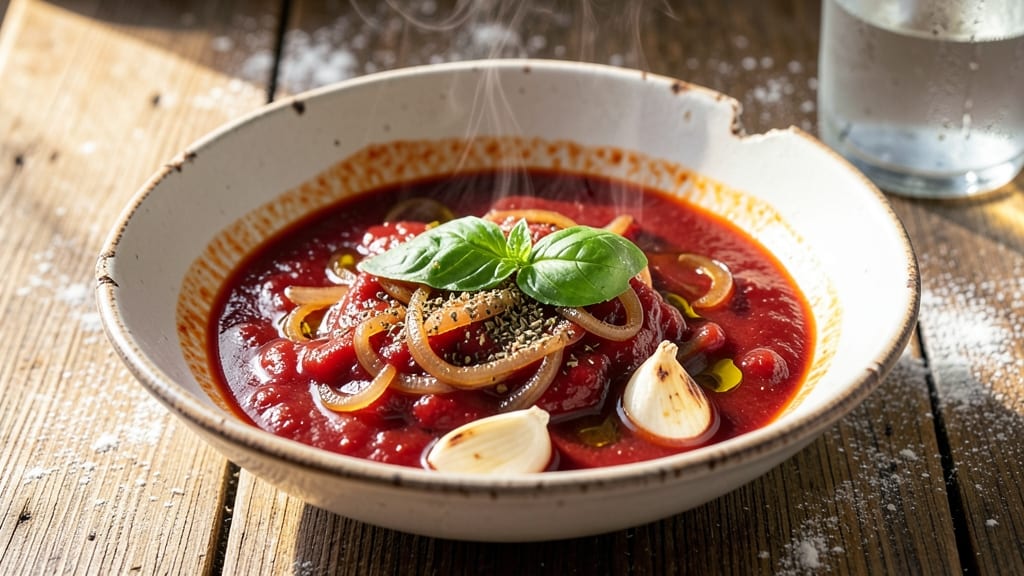
This grandma's old-fashioned tomato sauce recipe brings back the rich, unhurried flavors of Sunday dinners—no fresh herbs required. The secret lies in slow simmering canned tomatoes with garlic, onions, and pantry staples like tomato paste and olive oil, creating depth that rivals any fresh-herb sauce.
I first made this version when I couldn’t find basil, and it became my go-to for its simplicity and reliability.
What makes this sauce special is its ability to transform basic ingredients into something deeply comforting. No blender needed—just a heavy pot, 45 minutes of simmering, and a few pantry staples. The sauce thickens naturally as it cooks, developing a complex flavor that only improves with time.
It’s the kind of recipe that tastes better the next day, when the flavors have had a chance to meld.
By the end, you’ll have a velvety, aromatic sauce with just the right balance of sweetness and acidity—perfect for pasta, pizza, or dipping bread. The texture is smooth but not overly refined, keeping that homemade charm.
This is the sauce that makes every meal feel like a celebration, even on a weeknight.
Store it in the fridge for up to a week or freeze for months—it only gets better with time. Here’s how to make it, step by step, just like Grandma would have taught you.
Ingredients for grandma's old fashioned tomato sauce
Pantry staples transform into velvety tomato sauce with just 10 ingredients and 45 minutes.
| Ingredient | Amount | Notes |
|---|---|---|
| Canned San Marzano Tomatoes 🍅 | 28 oz | Crushed by hand or blender |
| Extra-Virgin Olive Oil 🫒 | ½ cup | High quality, fruity variety |
| Yellow Onion 🧅 | 1 whole | Medium size, finely chopped |
| Garlic Cloves 🧄 | 4 cloves | Peeled, minced or crushed |
| Tomato Paste 🍅 | 2 tbsp | Smooth, not chunky |
| Dried Oregano 🍃 | 1 tsp | Mexican oregano preferred |
| Salt 🧂 | 1 ½ tsp | Kosher or sea salt |
| Black Pepper 🌶️ | ½ tsp | Freshly ground preferred |
| White Sugar 🍚 | 1 tbsp | Granulated or powdered |
| Red Wine Vinegar 🍷 | 1 tbsp | Or balsamic vinegar |
San Marzano tomatoes are the secret weapon here—their natural sweetness and low acidity make all the difference. Trader Joe's and Whole Foods usually carry them, but any high-quality canned tomatoes work in a pinch. The olive oil should be fruity, not bitter—California Olive Ranch or Colavita are reliable brands. Skip the pre-minced garlic; peeling and crushing whole cloves gives deeper flavor. The tomato paste? Rao's or Bertolli are my go-tos, but the squeeze tubes at Trader Joe's are perfect for small batches.
No San Marzano tomatoes? Any crushed tomatoes will work, but add a pinch of sugar to balance acidity. Fresh garlic? Garlic powder at half the amount works, but it won’t have the same punch. The dried oregano is non-negotiable—Mexican oregano has a distinct, earthy flavor that pairs perfectly. No red wine vinegar? Balsamic vinegar or even lemon juice will do, though the flavor profile shifts slightly. The sugar can be swapped for honey or maple syrup, but white sugar dissolves cleanly. For a richer sauce, stir in a splash of beef or chicken broth at the end.
This sauce only gets better with time—taste it after 24 hours, and you’ll see what I mean. Keeps 1 week in the fridge and 6 months in the freezer. Portion into ice cube trays for easy single-use portions. The texture thickens as it cooks, but if it’s too thick, just stir in a splash of water or broth. Leftovers? Perfect for pasta, pizza, or dipping bread—Grandma’s sauce never disappoints.
Why You'll Love This Recipe
- Here’s what sold me: the tomato paste and San Marzano tomatoes create this unreal depth. It’s not just sweet—it’s got that slow-simmered, almost smoky richness that makes you want to eat it straight from the pot. (Yes, even on a Tuesday night.)
- No-Fuss Pantry Staples: I swear by this sauce because it’s built on ingredients I always have—no last-minute grocery runs. That can of San Marzano tomatoes? Sweet, meaty, and actually worth the splurge. The onion and garlic get a slow cook in olive oil until they’re caramelized but not burnt, and boom—flavor without fuss.
- Deep, Rich Umami Bomb: Here’s what sold me: the tomato paste and San Marzano tomatoes create this unreal depth. It’s not just sweet—it’s got that slow-simmered, almost smoky richness that makes you want to eat it straight from the pot. (Yes, even on a Tuesday night.)
- Pasta Party or Potluck Hero: This sauce works everywhere. Toss it with spaghetti for a classic, or slather it on grilled chicken for dinner. Freeze half for lazy nights when you’re too tired to cook. Between us, my college roommate still asks for it at gatherings—no one suspects how simple it is.
Step-by-step instructions for Grandma's old fashioned tomato sauce
Here's how to make this rich, pantry-friendly sauce that captures all the deep flavor of Grandma's kitchen.
Sauté the Onion Until Transparent
Heat the 0.5 cup extra-virgin olive oil in a medium saucepan over medium heat. Add the 1 whole yellow onion, chopped into small pieces, and cook for 5-7 minutes until completely soft and translucent. You'll know it's ready when the onion loses its raw color and becomes almost see-through.
This slow cooking step builds the sauce's sweetness and removes any sharpness from the onion. Don't rush it—if the onion starts to brown too quickly, reduce the heat slightly. I like to stir occasionally to ensure even cooking, but there's no need to be aggressive about it.
Add Garlic and Tomato Paste
Once the onion is soft, add the 4 cloves garlic cloves, minced or crushed, and cook for 30 seconds until fragrant. The garlic should smell wonderful but not burn—if it starts to darken too quickly, remove the pan from heat for a moment. Immediately add the 2 tbsp tomato paste and stir vigorously to create a smooth base for your sauce.
This is where the magic happens. The tomato paste deepens the flavor and gives the sauce its signature richness. Stirring well ensures the paste dissolves completely into the oil, creating a velvety texture that carries all the other flavors. Let it cook for another 1-2 minutes until the raw tomato paste smell disappears.
Pour in Tomatoes and Seasonings
Add the 28 oz canned San Marzano tomatoes, crushed by hand or blended until smooth. Stir in the 1 tsp dried oregano, 1.5 tsp salt, 0.5 tsp black pepper, 1 tbsp white sugar, and 1 tbsp red wine vinegar. The vinegar might seem unusual, but it brightens the sauce and balances the sweetness beautifully.
Bring the sauce to a gentle simmer over medium-low heat. You're looking for small bubbles that break the surface occasionally, but not a vigorous boil. This controlled simmer prevents the sauce from becoming too thin or developing a skin on top. Let it cook uncovered for 20-25 minutes, stirring occasionally to prevent sticking.
Simmer Until Thick and Flavorful
After the initial simmer, reduce the heat to low and let the sauce cook uncovered for another 15-20 minutes. This slow cooking allows the flavors to meld and the sauce to thicken naturally. You'll notice the sauce reduces slightly and becomes glossy—this is when you know it's coming together.
Taste the sauce and adjust the seasoning if needed. I often find I need a little more salt or sugar at this point, depending on the specific tomatoes used. The sauce should be rich, slightly sweet, and deeply flavorful without being overly acidic. If it's too thick, add a splash of water or tomato juice to reach your desired consistency.
Pro Tips For Making Grandma'S Old Fashioned Tomato Sauce
- Sweat the Onion First: I learned this the hard way—skip the sautéing, and your sauce will taste raw and dull. Cook the diced onion in olive oil over medium heat until it’s translucent and just starting to caramelize (about 8-10 minutes). That golden color? It’s the flavor base your tomatoes will cling to.
- Crush the Garlic: Minced garlic burns faster than you think, especially when you’re stirring the sauce. Instead, smash the cloves with the flat side of your knife before adding them to the pot. They’ll release flavor without turning bitter—no need to babysit the pan.
- Stir the Paste In: Don’t just dump the tomato paste and walk away. Whisk it into the oil first, breaking up any clumps, then let it cook for 2-3 minutes until it darkens slightly. This step makes a real difference—it deepens the sauce’s richness before the tomatoes even hit the pot.
- Simmer, Don’t Boil: After adding the San Marzano tomatoes, keep the heat low enough that the sauce barely bubbles. Boiling it turns the sauce watery and dulls the sweetness. A gentle simmer (20-30 minutes) lets the flavors meld without losing intensity—your grandma’s sauce wasn’t made in a rush.
Regional styles of this recipe
Southern Italian Roots
This sauce traces back to Southern Italy, where tomatoes were first cultivated and transformed into simple, hearty sauces. In regions like Campania, cooks relied on San Marzano tomatoes—grown near Mount Vesuvius—for their natural sweetness and low acidity.
The slow simmering technique developed as a way to intensify flavor without fresh herbs, which weren’t always available. I’ve made this version countless times, and it always reminds me of my nonna’s kitchen, where every ingredient was chosen for maximum depth. 🌿
Sicilian Twist
In Sicily, the sauce takes on a slightly sweeter profile, often enhanced with orange zest or a splash of white wine instead of vinegar. Swap the red wine vinegar for 1 tbsp fresh orange juice and add ½ tsp grated orange zest to the simmering pot.
The citrus brightens the sauce while keeping that old-fashioned charm. Sicilian cooks also sometimes add a pinch of cinnamon (just ⅛ tsp) for warmth—trust me, it works beautifully.
Neapolitan Simplicity
The Neapolitan approach focuses on minimal ingredients but maximum flavor development. Skip the sugar and vinegar entirely, and increase the tomato paste to 3 tbsp. Use 1 tsp crushed red pepper flakes instead of black pepper for a subtle heat.
The sauce thickens more dramatically, creating a glossy, almost jam-like consistency perfect for ragù or lasagna. This version is all about letting the tomatoes shine with just a touch of spice.
American Pantry Adaptation
For those without access to San Marzano tomatoes, Muir Glen Organic tomatoes work beautifully—they’re widely available and hold up well in slow cooking. If you’re using regular canned tomatoes, add ½ tsp citric acid (found in baking aisles) to brighten the flavor.
In the Midwest, cooks often add ½ tsp ground allspice for a warm, comforting note. I’ve even seen versions with 1 tsp Worcestershire sauce for umami depth—it’s a game-changer for those who love rich flavors.
Modern Shortcut
For busy weeknights, use a 6-ounce can of tomato paste instead of fresh tomatoes. Mix it with 1 cup water, the same seasonings, and simmer for 30 minutes on low heat. This version is even more concentrated in flavor, perfect for quick pasta sauces.
I keep a jar of this shortcut sauce in my freezer—just thaw and heat for an instant flavor boost. It’s not traditional, but it’s a lifesaver when time is tight. ⏰
Grandma’s Secret Additions
Many grandmothers had their own little secrets to elevate this sauce. Some added 1 crushed bay leaf during simmering, others stirred in ½ cup grated Parmesan at the end for extra richness.
My own grandma swore by 1 tsp dried basil (not oregano) if she had it, but the oregano version was her true standby. The key is to taste as you go—adjust salt, sugar, or even a splash of vinegar until it sings.
That’s the beauty of this recipe: it’s flexible enough to become your own. 💡
Nutrition facts
Frequently asked questions
Can I make this sauce without fresh garlic?
Use 1 teaspoon garlic powder instead of fresh garlic. For best results, toast the garlic powder in the olive oil for 30 seconds to deepen the flavor. If you have garlic salt, reduce the regular salt by 0.5 teaspoon since it already contains garlic. The sauce will still be delicious, though fresh garlic adds a more complex aroma.
How do I adjust the thickness of the sauce?
If your sauce is too thick after simmering, stir in 1-2 tablespoons of water or tomato juice until it reaches your desired consistency. For a thicker sauce, simmer uncovered for an extra 5-10 minutes to reduce the liquid naturally. Never rush this step—Grandma’s sauce thickens beautifully over time. The key is patience!
Can I use this sauce for other dishes besides pasta?
This versatile sauce works perfectly for pizza sauce, meatballs, lasagna, or even as a dipping sauce for bread. For pizza, spread a thin layer on the crust before adding toppings. For meatballs, simmer them directly in the sauce for extra flavor. The rich, balanced taste makes it ideal for any Italian-inspired dish.
Why does my sauce taste too acidic?
If your sauce tastes too sharp, balance it with 1 extra tablespoon of sugar or ½ teaspoon of honey. The red wine vinegar is key for brightness, but some canned tomatoes can be acidic. To prevent this, always use San Marzano tomatoes or add a pinch of sugar when opening the can. Taste as you go—adjusting while cooking is easier than fixing it later!
How can I make this sauce even more flavorful?
For deeper flavor, add 1 crushed bay leaf during simmering or stir in ½ cup grated Parmesan at the end. Some grandmas also used 1 teaspoon dried basil instead of oregano. For a smoky touch, add ½ teaspoon smoked paprika when sautéing the onions. The beauty of this recipe is its flexibility—experiment and make it your own!