
Sauces & Condiments
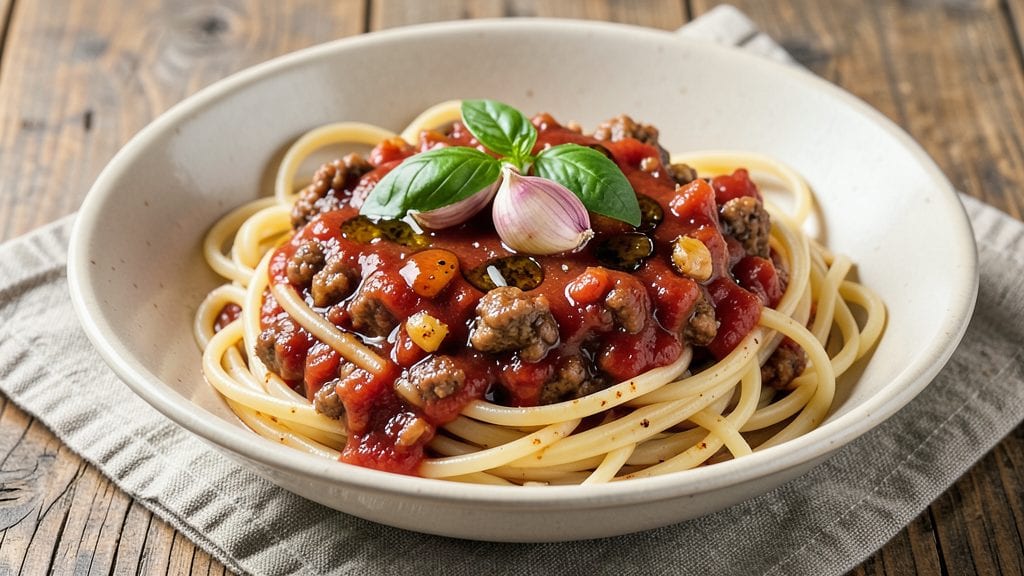
Grandma's spaghetti meat sauce recipe isn't just a dish—it's a flavor memory that simmers with homestyle umami and the kind of depth you can't buy in a jar.
The secret lies in slow-browning ground beef until it's rich and caramelized, then layering it with crushed tomatoes, herbs, and a splash of red wine that deepens the flavor.
I learned this version from my grandmother, who swore by the one-pot method to keep everything cohesive and full of that comforting, savory aroma that fills the kitchen.
What makes this sauce special is the balance of technique and simplicity—no fancy ingredients, just quality ground beef, canned tomatoes, and a handful of pantry staples.
The key steps—deglazing the pan with wine, simmering for at least 45 minutes, and stirring in fresh basil at the end—transform simple ingredients into something that tastes like a Sunday dinner.
It’s the kind of recipe that gets better the longer it cooks, with flavors melding into a rich, velvety texture that clings to every strand of spaghetti.
By the time you twirl that first forkful, you’ll taste the deep umami of the meat, the bright acidity of the tomatoes, and the aromatic herbs working together in perfect harmony. The sauce is thick enough to coat the pasta beautifully but still light enough to let the noodles shine.
Serve it with a sprinkle of fresh parsley and a side of crusty garlic bread for the full experience—this is the kind of meal that feels like a hug in a bowl.
Whether you're feeding a family or just craving a taste of nostalgia, this recipe delivers restaurant-quality results with minimal effort. The best part? It tastes even better the next day, making it perfect for meal prep or leftovers. Let’s get cooking—your kitchen will smell like home in no time.
Ingredients for grandma's spaghetti meat sauce
Just 14 ingredients transform into a sauce that tastes like Sunday dinner nostalgia.
| Ingredient | Amount | Notes |
|---|---|---|
| Ground Beef (80/20) 🥩 | 1 ½ lb | Chopped into small pieces |
| Crushed Tomatoes (40 oz) 🍅 | 1 can | San Marzano preferred |
| Red Wine 🍷 | ½ cup | Bold, dry variety |
| Garlic Cloves 🧄 | 4 cloves | Minced for depth |
| Onion (Yellow) 🧅 | 1 whole | Diced, medium size |
| Olive Oil 🫒 | 2 tbsp | Extra-virgin for richness |
| Dried Oregano 🌿 | 1 tbsp | Mexican oregano ideal |
| Salt 🧂 | 1 ½ tsp | Kosher or sea salt |
| Black Pepper 🌶️ | ½ tsp | Freshly ground preferred |
| Fresh Basil Leaves 🌿 | ¼ cup | Chopped, for finishing |
| Fresh Parsley 🌿 | ⅛ cup | Chopped, for garnish |
| Spaghetti 🍝 | 12 oz | Dry, medium thickness |
| Butter 🧈 | 2 tbsp | Unsalted, for tossing |
| Grated Parmesan Cheese 🧀 | ¼ cup | Freshly grated preferred |
The ground beef is where all the magic starts. 80/20 fat ratio is non-negotiable—it renders fat that caramelizes into deep, savory flavors. Costco or local butchers usually have the best prices for bulk packs, and you can freeze extras for months. If you're in a pinch, the pre-ground beef at Trader Joe's works fine, but chopping your own gives you better control. Look for bright red, well-marbled beef—it's worth the extra minute to check. And don't skip the browning step! That's where the umami develops. My grandma always said, 'Patience in the pan means flavor in the bowl.'
No red wine? Beef broth with a splash of balsamic vinegar works in a pinch, but you'll miss that depth. Fresh garlic and onion are ideal, but powdered garlic and onion at half the amount save time. The crushed tomatoes? San Marzano cans are worth it—they're sweeter and less acidic, but regular brands work too. For the herbs, fresh basil and parsley make all the difference at the end, but dried oregano at one-third the amount keeps the flavor if you're short on time. And if you're worried about the wine smell lingering, don't be—it cooks off completely.
This sauce tastes even better the next day, so make extra—it's perfect for meal prep. Store it in the fridge for up to 5 days or freeze portions for 3 months. I always double the recipe and freeze half. When you're ready to serve, just reheat it gently on the stove, toss with fresh pasta, and finish with that butter and Parmesan. The leftovers? Even better. My grandma used to say, 'Sauce gets better with age, just like good memories.' And she was always right.
Why You'll Love This Recipe
- Here’s what sold me: that splash of red wine doesn’t just cook off—it lingers. The acidity cuts through the richness of the beef, while the crushed tomatoes give it that real Italian sauce texture. Not too sweet, not too heavy—just right.
- One-Pot Simplicity: I swear by this recipe because it’s literally one pot—no extra pans, no fuss. Brown the beef, toss in the onions and garlic, then dump in the wine and tomatoes. Stir, simmer, and that’s it. My lazy nights thank me every time.
- Wine-Infused Depth: Here’s what sold me: that splash of red wine doesn’t just cook off—it lingers. The acidity cuts through the richness of the beef, while the crushed tomatoes give it that real Italian sauce texture. Not too sweet, not too heavy—just right.
- Leftovers That Shine: Between us, this sauce improves the next day. The flavors meld, and reheating it? Zero effort. I make a double batch on Sundays, freeze half, and still have enough for Tuesday’s quick dinner. (Yes, even on a Tuesday night.)
Step-by-step instructions for grandma's spaghetti meat sauce
Here's how to build that rich, layered flavor Grandma perfected—simple steps for maximum umami.
Brown the Ground Beef Perfectly
Heat the 2 tablespoons olive oil in a large, deep skillet or Dutch oven over medium-high heat. Add the 1.5 pounds ground beef (80/20) and break it apart with a wooden spoon, letting it sizzle and brown without stirring constantly. This releases those incredible meaty flavors that form the sauce's foundation.
Cook for 8-10 minutes until the beef loses its raw color and becomes deep brown in spots. Drain all but 1 tablespoon of the rendered fat—this remaining fat will help build the sauce's richness. If the pan gets too dry, add 1 tablespoon red wine to deglaze and scrape up all those flavorful browned bits clinging to the bottom.
Sauté Onions and Garlic for Depth
Add the diced yellow onion to the skillet and cook for 5 minutes until softened and just beginning to caramelize. This step develops natural sweetness that balances the sauce's acidity. Stir in the 4 minced garlic cloves and cook for 30 seconds until fragrant—don't let it burn, or it'll turn bitter.
Here's where the magic happens: Pour in the 0.5 cup red wine and let it simmer for 2-3 minutes until mostly evaporated. This reduces the alcohol content while concentrating the wine's flavor. Stir in the 1 tablespoon dried oregano, 1.5 teaspoons salt, and 0.5 teaspoon black pepper, letting the spices toast slightly in the oil.
Build the Sauce with Crushed Tomatoes
Add the 1 can (40 oz) crushed tomatoes to the skillet, stirring to combine everything. Bring to a gentle simmer, then reduce heat to medium-low and let it cook uncovered for 45-60 minutes. The sauce should thicken gradually as it reduces, developing that deep, complex flavor. Stir occasionally to prevent sticking.
Real talk: This is where patience pays off. The longer you let it simmer, the more the flavors meld together. You'll know it's ready when the sauce coats the back of a spoon and has a thick, syrupy consistency. If it's too thin, simmer uncovered for another 10-15 minutes—just don't walk away, or it might burn.
Finish with Fresh Herbs and Pasta
While the sauce simmers, cook the 12 oz spaghetti in salted boiling water until 1 minute shy of package directions for al dente. Reserve 1 cup pasta water before draining. Toss the drained pasta with the 2 tablespoons butter to prevent sticking.
Return the sauce to a gentle simmer and stir in the 0.25 cup chopped fresh basil leaves and 0.125 cup chopped fresh parsley. Taste and adjust seasoning—you might need a pinch more salt or pepper. If the sauce is too thick, add 2-3 tablespoons reserved pasta water to loosen it to your desired consistency.
Serve with Perfectly Grated Cheese
Divide the spaghetti among plates and ladle the rich meat sauce over the top. Finish each serving with 0.25 cup freshly grated parmesan cheese—this is non-negotiable for that authentic Grandma touch. The cheese should melt slightly from the heat of the sauce, creating a creamy, savory topping.
Here's the thing—this sauce tastes even better the next day as the flavors continue to develop. If you have leftovers, store them in the refrigerator for up to 5 days or freeze for 3 months. When reheating, add a splash of water or pasta water to prevent drying out. Serve with a side of garlic bread and a simple green salad for the ultimate comfort meal!
Pro Tips For Making Grandma'S Spaghetti Meat Sauce
- CRUSH THE ONIONS: Ditch the knife and pulse them in the food processor until they’re almost paste—no need for perfect dice. This melts into the sauce faster and keeps the texture smooth, which is especially helpful when you’re also dealing with garlic and wine.
- SWEAT THE GARLIC LOW: After cooking the onions, turn the heat to medium-low and add the minced garlic—it should sizzle gently, not brown. I learned this the hard way: burned garlic tastes bitter, and no amount of tomato or wine can fix it.
- DEGLAZE WITH WINE NOW: As soon as the beef browns, pour in the red wine immediately while the pan is still hot. Let it bubble for 2-3 minutes to cook off the alcohol—this builds flavor way better than dumping it in later like an afterthought.
- STIR THE TOMATOES LONG: After adding the crushed tomatoes, give them a solid 10 minutes of stirring (yes, even if you’re multitasking). The starches need time to break down, or the sauce will taste thin and watery—trust me, your pasta will thank you.
Make-ahead tips for grandma's spaghetti meat sauce
Sauce Prep Ahead
Make the sauce the night before for deeper flavor development. After simmering for 45 minutes, let it cool completely, then transfer to an airtight container. Store in the fridge for up to 5 days—the flavors intensify as the spices meld together.
When ready to serve, simply reheat on the stove over medium-low heat with a splash of water or pasta water to restore moisture. 💛
Pasta Cooking Shortcut
Cook your spaghetti one day ahead and store it in the fridge in a sealed container. When reheating, toss the cold pasta with a little olive oil and butter to prevent sticking.
This method actually improves texture—just add the sauce straight from the fridge and warm through together. I always make extra pasta for busy weeknights!
Freezer-Friendly Portions
Divide the fully assembled sauce into quart-sized freezer bags with 1 inch headspace for expansion. Label with the date—it keeps for 3 months without losing quality. When ready to use, thaw overnight in the fridge, then reheat gently on the stove.
For pasta, cook fresh or use pre-cooked noodles straight from the freezer (they'll need 1-2 extra minutes to cook through).
Leftovers Strategy
This sauce gets better with time—perfect for meal prep! Store leftovers in the fridge for up to 5 days. Reheat portions in a saucepan with 1-2 tablespoons water or broth to prevent drying out.
For quick lunches, serve over fresh pasta or even toasted bread for a hearty sandwich. The texture remains rich and flavorful, not mushy. 🍲
Pasta Water Reserve
Always save 1 cup pasta water when cooking your noodles—it's liquid gold for sauces! Keep it in a small container while the pasta cooks. When reheating leftovers, add 2-3 tablespoons reserved pasta water to loosen the sauce naturally.
This starch-based water helps emulsify the sauce, keeping it silky rather than dry. Trust me, it makes all the difference!
Make-Ahead Serving Plan
For a stress-free dinner, prep everything the night before: cook the sauce, boil the pasta, and grate the cheese. Store components separately in the fridge. When ready to serve, simply reheat the sauce, toss with fresh pasta, and top with cheese.
This method ensures perfect texture and temperature every time. It's my go-to for family dinners—minimal effort, maximum flavor. ✨
Nutrition facts
Frequently asked questions
Can I use ground turkey or chicken instead of beef?
Yes, but expect a lighter flavor and texture. Ground turkey (especially 85/15) works best—just be sure to brown it thoroughly for maximum flavor. For chicken, use 93/7 and add 1 teaspoon Italian seasoning to compensate for the milder taste. The sauce will be leaner, so simmer it 5-10 minutes longer to concentrate flavors.
Why does my sauce taste thin or watery?
Thin sauce usually means it didn't reduce enough. Always simmer uncovered on medium-low heat for at least 45 minutes—stir occasionally to prevent sticking. If it's still too thin, simmer uncovered another 10-15 minutes or stir in 1 tablespoon cornstarch mixed with 2 tablespoons water to thicken. Never rush this step—patience creates depth!
Can I make this sauce in a slow cooker?
Brown the meat in a skillet first, then transfer everything to a 6-quart slow cooker. Cook on LOW for 6-8 hours or HIGH for 3-4 hours. The slow cooking enhances flavors, but you may need to add 1-2 tablespoons red wine or broth to prevent drying out. Stir occasionally and adjust seasoning at the end.
What's the best way to store leftovers?
Store in an airtight container in the fridge for up to 5 days or freeze for 3 months. For reheating, add 1-2 tablespoons water or pasta water to prevent drying. Pro tip: Freeze sauce in 1-cup portions for easy single-serving meals—just thaw overnight in the fridge before reheating.
Can I add other vegetables to this recipe?
Yes! For extra nutrition, stir in 1 cup diced bell peppers or 1 zucchini (grated) with the onions. For heartier texture, add 1 cup chopped mushrooms or 1 diced carrot. Just make sure to cook them until tender before adding tomatoes. Avoid leafy greens—they'll wilt in the acidity.