Sauces & Condiments
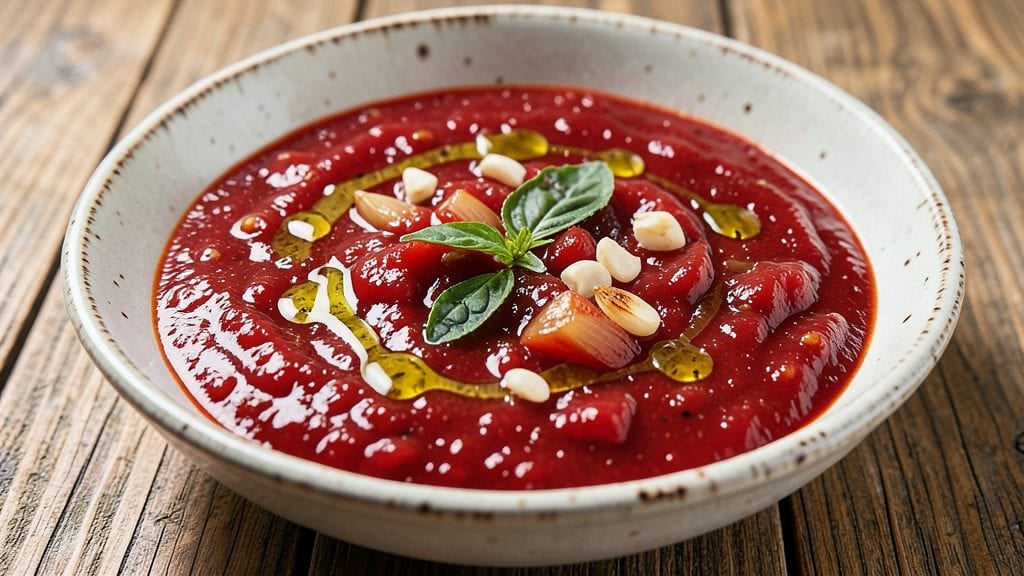
Grandma's tomato sauce recipe transforms simple pantry ingredients into a rich, velvety condiment that elevates every dish. The secret lies in slow simmering—letting flavors meld over time while reducing the sauce to perfect consistency.
I first learned this method from my grandmother, who insisted that patience was the key to depth. That herby, slightly sweet sauce became the foundation for countless family meals.
This recipe requires just seven ingredients but delivers restaurant-quality results with minimal effort. Aromatics like garlic and onion build the flavor base, while canned tomatoes provide acidity that balances the richness.
The sauce thickens naturally as it simmers, creating that signature glossy finish we all crave. It works equally well on pasta, pizza, or as a dipping sauce for bread.
What makes this sauce special is its versatility—use it immediately or store it for up to a month in the refrigerator. The slow cooking process intensifies flavors, while the blending step ensures a smooth texture without losing that rustic charm.
Every spoonful carries the warmth of tradition, yet it’s simple enough for weeknight cooking.
The beauty of this recipe lies in its adaptability—add fresh basil for brightness, a pinch of sugar to balance acidity, or a splash of red wine for complexity.
Whether you're feeding a crowd or prepping for meal prep, this sauce delivers consistent, professional-quality results every time. Let's get started on creating your own pantry staple.
Ingredients for grandma's tomato sauce
Seven simple pantry staples create Grandma's velvety tomato sauce—rich, herby, and full of tradition.
| Ingredient | Amount | Notes |
|---|---|---|
| Canned San Marzano Tomatoes 🍅 | 28 oz | Crushed or whole, no salt added |
| Yellow Onion 🧅 | 1 whole | Medium size, finely chopped |
| Garlic Cloves 🧄 | 4 cloves | Fresh, peeled, minced |
| Extra-Virgin Olive Oil 🫒 | ¼ cup | High quality, fruity aroma |
| Dried Basil 🌿 | 1 tbsp | Or 0.25 cup fresh basil |
| Granulated Sugar 🍚 | 1 tbsp | Balances acidity naturally |
| Salt 🧂 | 1 tsp | Kosher or sea salt |
San Marzano tomatoes are the gold standard for this sauce—their natural sweetness and low acidity create depth without overpowering. Whole Foods or specialty stores carry them reliably, but any high-quality canned tomatoes work in a pinch. The onion and garlic are your flavor anchors—don't skip browning them in the olive oil, as this step builds the sauce's complexity. For dried basil, Penzeys or Italian markets offer the best quality, but regular grocery store brands suffice. The sugar might seem counterintuitive, but it rounds out the acidity from the tomatoes, just like Grandma always did.
No San Marzano tomatoes? Crushed tomatoes in a 28 oz can work just fine—just add an extra pinch of sugar to compensate for higher acidity. Fresh basil is ideal, but dried works at one-third the amount. If you're feeling fancy, swap the sugar for 1 tbsp of honey or maple syrup for a subtle floral note. Olive oil quality matters here—avoid the cheap stuff. For extra depth, deglaze the pot with 2 tbsp of red wine after sautéing the aromatics. And if you're short on time, a pinch of smoked paprika adds instant smokiness without extra effort.
This sauce tastes even better the next day as flavors meld. Store in an airtight container in the fridge for up to 1 month, or freeze portions for 6 months. For meal prep, double the batch—it reheats beautifully and keeps perfectly. The sauce thickens as it cools, so stir in 1-2 tbsp of water or broth if it's too thick for your liking. And if you're using it for pasta, reserve 1/4 cup of the pasta water to thin it out at the end.
Why You'll Love This Recipe
- No Chopping Nightmares: I swear by this recipe because it only asks for one onion to dice—and I mean one. That’s it. The San Marzano tomatoes handle the rest, letting their natural sweetness shine without you spending 20 minutes chopping. Honestly, I’ve made it after work when I’m exhausted, and it still tastes like I slaved over it.
- Sweet-Savory Magic: Between us, the San Marzano tomatoes are the star here—they’re so rich and balanced, you don’t even need to add sugar. Sauté the onions and garlic in olive oil until they’re golden, then let those dried basil leaves steep in the sauce. That crisp, herbal finish? It’s the kind of flavor that makes you pause mid-bite.
- Pasta Party Starter: This sauce is my go-to for game nights, potlucks, or when my college-age kids show up hungry. It’s the base for spaghetti, but I’ve also tossed it with grilled chicken, baked into lasagna, or even dolloped over toasted bread. Between us, it’s the only sauce I keep on hand for anything—and it never lets me down.
- Budget-Friendly Pantry Hero: A single can of San Marzano tomatoes and a few pantry staples make this recipe unfailingly cheap. I’ve made it for under $3 per serving, and it keeps for weeks in the fridge. Here’s what sold me: I can freeze half the batch, then pull it out for a lazy Sunday supper without even thawing it. That’s real savings.
Step-by-step instructions for Grandma's tomato sauce
This classic sauce builds depth through slow simmering—simple steps yield rich, herby flavor.
Sauté Onion Until Translucent
Heat the 0.25 cup extra-virgin olive oil in a heavy saucepan over medium heat. Add the 1 whole yellow onion, chopped into small pieces, and cook for 8-10 minutes until soft and translucent. Stir occasionally to prevent browning—you want the onions to melt into the oil without color.
This foundational step develops sweetness that balances the acidity of the tomatoes. If the onions begin to brown too quickly, reduce the heat slightly. The goal is tender, flavorful onions that dissolve seamlessly into the sauce later. I like to press down gently with a wooden spoon to help them break down faster.
Add Garlic and Cook Briefly
When the onions are translucent, add the 4 cloves minced garlic and cook for 30 seconds until fragrant but not browned. Garlic burns quickly, so keep the heat at medium and stir constantly. You'll smell the aroma change—this is your cue that it's ready.
Overcooking garlic turns it bitter, so don't walk away. The moment it releases its sweet, pungent scent is when you remove it from the pan. This quick cooking preserves the garlic's flavor without letting it turn harsh. The onions and garlic should now form a smooth, golden base for the sauce.
Incorporate Tomatoes and Seasonings
Pour in the 28 oz canned San Marzano tomatoes, breaking them up with your hands if they're whole. Add the 1 tbsp granulated sugar, 1 tsp salt, and 1 tbsp dried basil. Stir well to combine, ensuring all ingredients are evenly distributed. The sugar helps balance the tomatoes' natural acidity, while the basil adds aromatic depth.
Bring the mixture to a gentle boil over medium-high heat, then immediately reduce to low heat. You want the sauce to simmer steadily—not bubble vigorously—which prevents burning and allows flavors to meld. This simmering process is where the sauce develops its rich, concentrated flavor.
Simmer Uncovered for 30-40 Minutes
Let the sauce simmer uncovered for 30-40 minutes, stirring occasionally. The liquid will reduce significantly, and the sauce will thicken naturally. You'll notice the color deepen to a rich, ruby red, and the aroma will become intensely tomatoey with herbal notes.
This slow reduction is critical—it develops the sauce's complexity. If it thickens too quickly, add 1-2 tablespoons of water to maintain a smooth consistency. The sauce is ready when it coats the back of a spoon and has a velvety texture. Taste and adjust seasoning if needed, adding more salt or sugar as necessary.
Finish and Serve
Once the sauce reaches the desired consistency, remove it from heat. Let it sit for 5 minutes to settle, then taste one last time. The flavors should be balanced—sweet, savory, and herby with no harsh acidity. Serve immediately over pasta or store in an airtight container in the refrigerator for up to 5 days or freeze for 3 months.
This sauce keeps improving over time as the flavors continue to meld. The longer it sits, the deeper and more complex it becomes. It's perfect for tossing with al dente spaghetti or using as a base for lasagna. The secret lies in the patience of simmering—rushing this step will always yield a lesser result.
Pro Tips For Making Grandma'S Tomato Sauce
- CRUSH THE ONIONS FIRST: Don’t just chop onions—give them a rough mash with the flat side of your knife before slicing. This breaks down their fibers faster and keeps them from lingering as separate pieces in your sauce. (Yes, it’s extra work, but your sauce will feel smoother, not chunky.)
- SWEAT THE GARLIC LOW: After cooking the onions, reduce heat to low when adding garlic—no sizzling, just a gentle simmer. Garlic burns in seconds, and once it does, it turns bitter. I learned this the hard way after ruining a batch with overzealous heat.
- SALT THE TOMATOES: Toss the San Marzano tomatoes with a pinch of salt before crushing them. This softens their skins and draws out excess water, so your sauce thickens faster and doesn’t taste watery. (Skip this, and you’ll be stirring for twice as long.)
- STIR THE BASIL LATE: Add dried basil only at the very end—let it steep for 5 minutes, then strain it out if you hate grittiness. Fresh basil? Crush it first for aroma, but dried? Toss it in last and taste before serving. (Your grandma probably did this; she knew what she was doing.)
Wine and beer pairings for this grandma's tomato sauce
Classic Italian Reds
For a true Italian experience, pair this tomato sauce with a glass of Chianti Classico—its bright acidity and cherry notes complement the sauce's herbal depth. I love a 2019 Chianti Classico DOCG from Tuscany, which balances the sauce's richness with its earthy, slightly tart profile.
The tannins also help cleanse your palate between bites of pasta. 🍷
Crisp Whites for Balance
A Vermentino from Sardinia is my go-to white wine pairing—its citrusy freshness cuts through the sauce's velvety texture beautifully. Look for a 2022 Vermentino di Sardegna, which offers crisp acidity and a mineral finish that refreshes your palate.
Alternatively, a Pinot Grigio from Alto Adige provides a lighter, more delicate match for those who prefer subtler flavors.
Light Beers for Refreshment
If you're serving this sauce with pizza or as a dip, a Peroni or Moretti lager is perfect—its light, effervescent quality won't overpower the sauce's rich flavors. For craft beer lovers, a Belgian witbier like Hoegaarden adds a fun contrast with its coriander and citrus notes.
Avoid heavy stouts or IPAs, as they can clash with the sauce's delicate herbal profile. 🍺
Red Wine Alternatives
If Chianti isn't available, a Montepulciano d'Abruzzo offers a similar depth with softer tannins. For a bolder option, try a Sangiovese from Emilia-Romagna—its juicy red fruit notes enhance the sauce's sweetness.
I also enjoy a Valpolicella Ripasso for its velvety texture, which mirrors the sauce's richness. Each of these wines bridges the gap between the dish and your palate effortlessly.
Non-Alcoholic Options
For a refreshing non-alcoholic pairing, serve this sauce with a sparkling blood orange soda—the citrusy bubbles complement the sauce's herbal notes. Another great option is San Pellegrino Aranciata, which adds a sweet, citrusy contrast.
If you prefer something more herbal, a ginger beer with a squeeze of lemon enhances the sauce's depth without overpowering it.
Seasonal Wine Pairings
In summer, a rosé from Provence with its crisp acidity and berry notes pairs wonderfully with chilled pasta. For winter, a Chianti Riserva offers more structure and depth, standing up to heartier dishes like lasagna.
The key is matching the wine's intensity to the meal's richness—lighter wines for summer, bolder ones for winter. 🍷
Nutrition facts
Frequently asked questions
Can I use fresh tomatoes instead of canned?
Fresh tomatoes work but require extra prep. Use 4-5 large ripe tomatoes (about 1.5 lbs) and peel, seed, and chop them before cooking. Fresh tomatoes have more water content, so simmer the sauce for 45-60 minutes instead of 30-40 minutes to achieve the same thickness. For best results, roast the tomatoes first to concentrate their flavor.
How do I adjust the thickness of the sauce?
If your sauce is too thick, stir in 1-2 tablespoons of water or broth while simmering. For a thicker consistency, simmer uncovered for an extra 10-15 minutes or mash a few cooked tomatoes into the sauce. The ideal texture should coat the back of a spoon but still be pourable. Always taste and adjust as you go!
Can I make this sauce in a slow cooker?
Follow the same steps for sautéing onions and garlic, then transfer everything to your slow cooker. Cook on low for 4-5 hours or high for 2-3 hours, stirring occasionally. The slow cooker enhances the flavors even more, but you may need to add 1-2 tablespoons of water if it gets too thick during cooking.
What can I do if my sauce tastes too acidic?
Add a pinch more sugar (1/2 tsp at a time) or a splash of red wine (1 tbsp) to balance the acidity. If the sauce is still too tart, a small pat of butter (1 tsp) or a sprinkle of Parmesan cheese can help round out the flavors. Taste as you go—this sauce should be bright but never harsh!
How do I prevent my sauce from burning?
Never let the sauce boil vigorously—keep it at a gentle simmer (small bubbles at the edges). Use a heavy-bottomed pot to distribute heat evenly, and stir occasionally. If it starts to stick, add 1-2 tablespoons of water or broth to loosen the bottom. Patience is key—rushing leads to burning!