
Sauces & Condiments
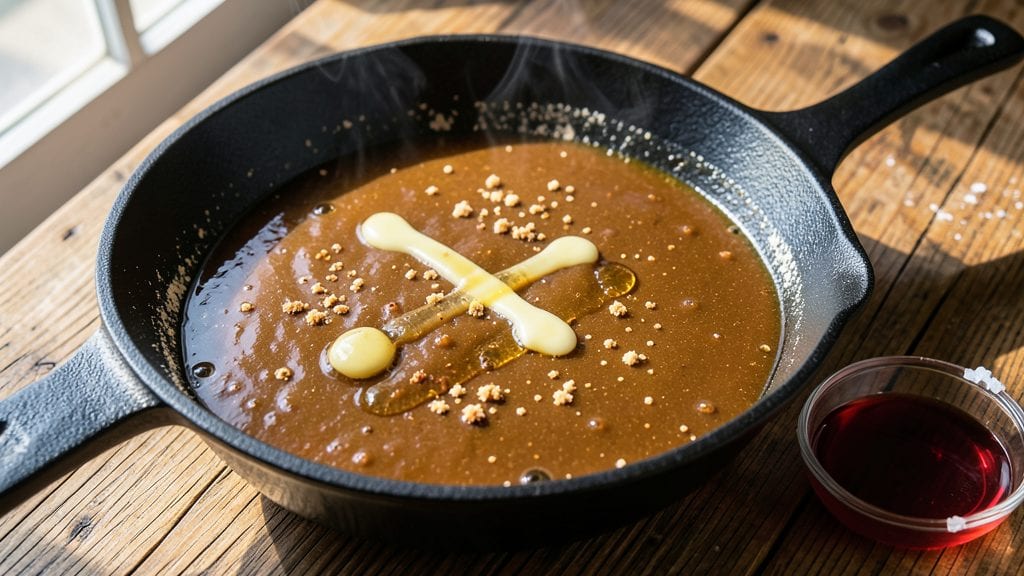
This gravy sauce recipe turns humble pan drippings into a luxurious, velvety elixir that instantly transforms any dish. This recipe builds on fundamental techniques—starting with a roux and finishing with carefully reduced stock—to deliver a sauce that's thick, flavorful, and restaurant-quality every time.
The beauty lies in its versatility: use it immediately to coat roasted meats or store it for later use, where it only improves with time.
What sets this gravy apart is its foolproof method for achieving the perfect consistency—silky yet substantial, with a depth of flavor that comes from slow reduction.
You'll begin with basic pantry staples like flour and butter, then progress to stock and seasonings that can be customized to your taste. The key is patience: letting the roux develop properly ensures a sauce that won't separate or turn grainy, even after reheating.
By the time you pour this gravy over mashed potatoes, roasted vegetables, or crispy fried chicken, you'll taste the difference between store-bought and homemade. The texture is luxuriously thick yet smooth, with a subtle richness that comes from proper technique rather than excessive fat.
This isn't just gravy—it's the kind of sauce that makes ordinary meals feel like a special occasion.
Whether you're serving it fresh or storing it for future use, this recipe delivers consistent, professional results with minimal effort. The instructions are designed to guide you through each step—from making the roux to balancing the seasonings—so you can achieve perfect gravy without guesswork.
Let's get started on creating your own pantry-perfect sauce.
Ingredients for gravy sauce
Pantry staples transform into velvety perfection with just ten ingredients—luxurious gravy awaits.
| Ingredient | Amount | Notes |
|---|---|---|
| Unsalted Butter 🧈 | ½ cup | Cold, cubed for proper roux |
| All-Purpose Flour 🌾 | ½ cup | White or whole wheat preferred |
| Beef Stock 🍲 | 2 cups | Homemade or high-quality store-bought |
| Chicken Stock 🍗 | 1 cup | For lighter flavor variation |
| Dry White Wine 🍷 | ¼ cup | Subtle acidity balance |
| Diamond Crystal Kosher Salt 🧂 | 1 tsp | For seasoning adjustments |
| Freshly Ground Black Pepper 🌶️ | ½ tsp | Cracked peppercorns preferred |
| Thyme Leaves 🌿 | ½ tsp | Fresh or dried, finely chopped |
| Pan Drippings 🥩 | 1 cup | From roasted meats or vegetables |
| Heavy Cream 🥛 | ¼ cup | Optional for ultra-rich finish |
The butter and flour form the gravy's foundation, so don't skimp on quality. European-style unsalted butter like Plugrá or Land O'Lakes has higher fat content for richer flavor. For the flour, King Arthur or Bob's Red Mill are ideal—they whisk into a smooth paste without lumps. If you're making gravy from scratch, homemade beef stock elevates everything, but Pacific Foods or Swanson brands work in a pinch. The wine? Any dry white like Sauvignon Blanc or Pinot Grigio—cheap stuff is fine, but avoid anything with residual sugar. Fresh thyme from the grocery store's produce section (not the dried spices aisle) adds a bright herbal note that dried just can't match.
No wine? Apple cider vinegar or lemon juice adds acidity at half the amount. Short on beef stock? Vegetable stock plus a splash of soy sauce mimics umami depth. The pan drippings are non-negotiable—they carry the roasted meat's flavor. If you're using chicken drippings, add an extra pinch of garlic powder (about 0.25 tsp) to compensate. For a lighter gravy, skip the heavy cream, but if you're going all-out, full-fat cream is worth it. The salt and pepper should be tasted in—start with the amounts listed, then adjust to your preference. And remember, the roux must cook until it's a golden brown—that's when the magic happens.
This gravy peaks after 2-3 days in the fridge, so make extra. Store in an airtight container with a parchment paper lid to prevent skin formation. For longer storage, freeze in ice cube trays—thaw and reheat with a splash of stock to restore silkiness. If it thickens too much, whisk in a few teaspoons of warm stock. The key to reheating? Low heat only—never microwave, or you'll break the emulsion. Leftovers? Perfect for drizzling over breakfast potatoes or using as a braising liquid for next week's roast.
Why You'll Love This Recipe
- Pantry Magic: I swear by this—no fresh herbs, no fancy gadgets, just butter, flour, and stock. The wine adds depth without screaming "I tried," and it’s the kind of sauce that makes me feel like a home chef even when I’m winging it.
- Rich Umami Bomb: That beef stock and white wine combo? Pure flavor gold. It’s savory, slightly tangy, and the roux (butter + flour) gives it that velvety mouthfeel—like a hug in sauce form. Honestly, it’s the kind of taste that makes people ask, "What’s in this?"
- Leftovers That Lie: Make a double batch and stash it in the fridge. Drizzle it over mashed potatoes, roasted veggies, or even eggs the next morning—no one will guess it’s not fresh. (Between us, I’ve "accidentally" used it as a dip for toast. Don’t tell.)
- Weeknight Hero: Twenty minutes, one pot, zero stress. While your roast or steak cooks, this sauce simmers alongside it—no chopping, no waiting. It’s my go-to when I’d rather eat than cook, and somehow, it still feels special.
Step-by-step instructions for rich, thick gravy sauce
This method transforms simple pantry staples into velvety, restaurant-quality gravy every time.
Create the Perfect Roux Foundation
In a heavy-bottomed saucepan, melt the 0.5 cup unsalted butter over medium-low heat. Once fully melted and foaming subsides, immediately whisk in the 0.5 cup all-purpose flour to form a smooth paste. This is your roux—the backbone of your gravy—and it needs constant attention to prevent burning.
Cook the roux for 3-4 minutes, whisking vigorously the entire time, until it turns a rich golden brown color. You'll notice the aroma deepen and the mixture thicken noticeably. This color development creates the complex flavors that separate good gravy from great gravy. If you see any browned bits sticking to the bottom, immediately scrape them up with a wooden spoon—those flavor molecules are pure liquid gold.
Deglaze with Wine and Stock
Immediately pour in the 0.25 cup dry white wine and whisk vigorously to dissolve the roux completely. The wine will bubble vigorously as the alcohol burns off—this is normal and actually enhances the flavor. Let it simmer for 2-3 minutes until the wine has completely evaporated and you're left with just the aromatic essence.
Next, slowly whisk in the 2 cups beef stock and 1 cup chicken stock, adding them alternately in small increments. This gradual addition prevents lumps from forming. Bring the mixture to a gentle simmer and continue whisking for 5-7 minutes until it thickens slightly. You're looking for a sauce that coats the back of a spoon but isn't gluey yet. This is where the magic happens—allowing the flavors to meld and the roux to fully develop its thickening power.
Incorporate Pan Drippings and Seasonings
Reduce the heat to low and stir in the 1 cup pan drippings from your roasted meat or vegetables. These drippings contain concentrated meaty flavors that will elevate your gravy from good to extraordinary. Add the 1 teaspoon diamond crystal kosher salt, 0.5 teaspoon freshly ground black pepper, and 0.5 teaspoon thyme leaves, whisking until fully dissolved and aromatic.
Here's where attention to detail pays off: taste the gravy and adjust the seasoning. The wine adds acidity that might need balancing with a pinch more salt, while the thyme should be just perceptible. If the sauce is too thick at this stage, whisk in 1-2 tablespoons of hot water to reach your desired consistency. Remember, gravy should coat the back of a spoon but still flow smoothly—not like glue.
Finish with Cream for Ultra-Rich Texture
For that luxurious, velvety finish, stir in the 0.25 cup heavy cream off the heat. The residual heat will gently warm the cream, allowing it to blend seamlessly without curdling. Return the pan to low heat and simmer for just 1-2 minutes, stirring constantly. This brief cooking time is crucial—overheating will cause the cream to separate.
Strain the gravy through a fine-mesh sieve into a clean saucepan to remove any lumps or thyme stems. The result should be silky smooth with a perfect balance of richness and depth. For serving, keep the gravy warm over low heat or transfer to a thermos to maintain its perfect consistency. This gravy will transform any simple roast into an unforgettable centerpiece.
Pro Tips For Making Gravy Sauce
- WHISK THE ROUX FAST: Get that butter and flour moving within 30 seconds of hitting the pan—any longer, and you’ll end up with a greasy mess instead of a proper blond roux. I used to let it sit too long, wondering why my gravy always tasted flat. High heat, constant whisking, and don’t walk away.
- DEGLAZE WITH WINE FIRST: Pour in the white wine immediately after removing the pan from heat—this stops the alcohol from burning and lets it deglaze properly. I learned this the hard way after one batch tasted like vinegar. Let it bubble for 30 seconds, then add the stocks.
- SIFT THE FLOUR: Skip the clumps by sifting the flour into the butter instead of dumping it in—this guarantees a smooth roux and prevents lumps in your final sauce. Yes, it’s an extra step, but your gravy will thank you. (And future you will too.)
- STRAIN BEFORE SERVING: After simmering, strain the gravy through a fine-mesh sieve to remove any stray bits of roux or sediment—this makes a noticeable difference in texture. I used to skip it, but now I can’t imagine serving anything less than silky smooth.
Common mistakes when making this recipe
Roux Overcooking
The most common mistake is burning your roux, which creates bitter flavors and ruins the sauce. I’ve seen people walk away for just a minute while cooking the 0.5 cup butter and flour combo—big mistake! The roux should be a golden brown, not dark brown or black.
If it gets too dark, start over with fresh butter and flour. Use a heavy-bottomed saucepan like All-Clad to prevent scorching, and whisk constantly for 3-4 minutes max. 🔥
Adding Liquid Too Fast
Pouring stock or wine too quickly creates lumps that turn into a grainy texture. I learned this the hard way when I rushed and ended up with a sauce that looked like glue. Instead, add liquids gradually—about ¼ cup at a time—while whisking vigorously.
For the 2 cups beef stock and 1 cup chicken stock, alternate between them to balance flavors while keeping the mixture smooth.
Skipping the Wine Deglaze
Many recipes omit the wine, but it’s essential for balancing richness and adding depth. The 0.25 cup dry white wine deglazes the pan, lifting flavorful browned bits that would otherwise stick.
If you skip it, your gravy will taste flat. Let the wine simmer until fully evaporated—never rush this step. The residual aroma is what makes homemade gravy taste professional.
Ignoring the Pan Drippings
Using plain stock instead of pan drippings is a missed opportunity for flavor. Those drippings contain concentrated meaty essence that elevates gravy from good to extraordinary. Always strain them through a fine-mesh sieve to remove fat, then whisk them in at the end.
If you’re short on drippings, add 1 tsp Worcestershire sauce for umami depth.
Overheating with Cream
Adding heavy cream off the heat is critical—direct heat causes separation. I’ve ruined gravy by simmering with cream for too long, resulting in a curdled mess. Stir in the 0.25 cup heavy cream while the pan is off the heat, then return to low heat for just 1-2 minutes.
The cream should blend smoothly, adding richness without breaking.
Not Tasting as You Go
Seasoning gravy is subjective, but most people underseason. Taste after adding salt and pepper, then adjust—don’t wait until the end. The 1 tsp kosher salt and 0.5 tsp black pepper are starting points.
If the wine makes it too acidic, balance with a pinch more salt. For extra depth, add ½ tsp smoked paprika or a splash of soy sauce. 💡
Nutrition facts
Frequently asked questions
Can I make this gravy without wine?
The wine adds acidity and depth, but you can substitute 0.25 cup apple cider vinegar or lemon juice for a similar tang. For umami richness, add 1 tsp soy sauce instead. Just remember to let the liquid fully evaporate before adding stock to prevent a thin sauce.
How do I fix gravy that's too thick or too thin?
For thick gravy, whisk in 1-2 tablespoons of hot stock or water gradually until smooth. If it's too thin, mix 1 tablespoon flour with 1 tablespoon cold water, stir into the sauce, and simmer for 2-3 minutes until thickened. Always adjust over low heat to avoid lumps.
What's the best way to store leftover gravy?
Let it cool completely, then transfer to an airtight container with a layer of parchment paper on top to prevent skin formation. Refrigerate for up to 3 days or freeze in ice cube trays for up to 3 months. To reheat, warm over low heat and whisk in 1 tsp stock if it thickens too much. Never microwave—it breaks the emulsion.
Can I use this gravy recipe for vegetarian dishes?
Replace the beef stock with vegetable stock and pan drippings from roasted vegetables. For extra richness, add 1 tbsp nutritional yeast or a splash of white miso paste to mimic umami depth. The same roux technique works perfectly for plant-based gravy.
Why did my gravy turn out grainy?
Graininess usually means the roux wasn't fully dissolved or the liquid was added too quickly. Always whisk vigorously when adding stock and ensure the roux reaches a golden brown color. If it happens, strain the gravy through a fine-mesh sieve before serving. For next time, add liquids 1/4 cup at a time while whisking constantly.