Sauces & Condiments
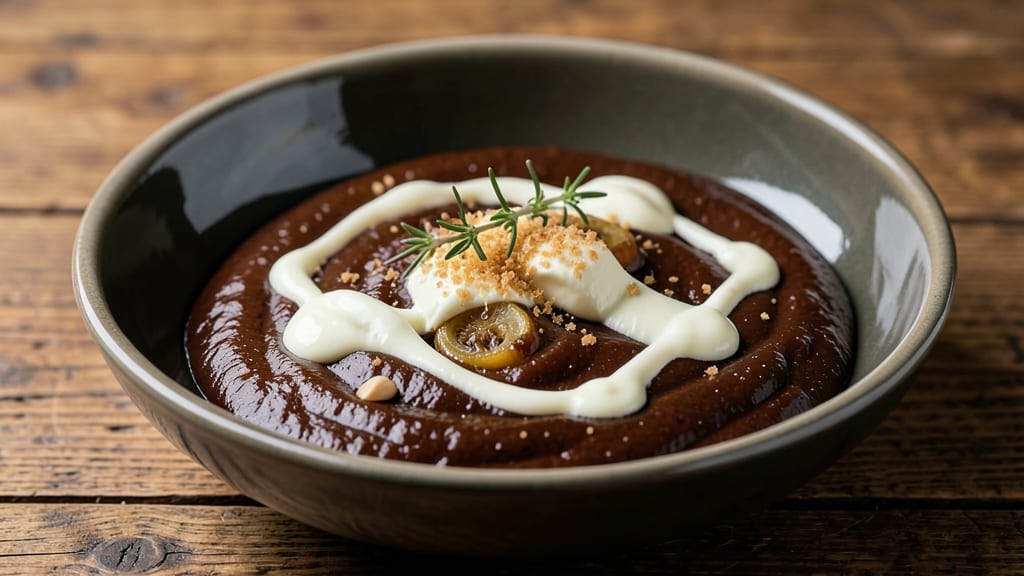
This Guinness sauce recipe transforms bold stout into a velvety glaze with caramelized depth that elevates everything from steak to roasted vegetables. The rich malty notes of Guinness create a complex sauce that's both savory and slightly sweet, perfect for adding restaurant-quality depth to home cooking.
I developed this version after years of experimenting with stout-based sauces, refining it to balance creaminess with just the right amount of bitterness.
The secret lies in reducing the Guinness slowly with butter and cream, allowing the alcohol to cook off while intensifying the malt flavors. A touch of brown sugar helps caramelize the sauce, giving it that glossy finish that makes it irresistible.
What makes this sauce truly special is how versatile it is—it works as a glaze, a dipping sauce, or even a rich gravy, all while keeping the preparation straightforward.
By the time you're done, you'll have a sauce that's rich, glossy, and packed with layers of flavor—ideal for drizzling over grilled meats, roasted potatoes, or even as a finishing touch for mashed potatoes.
The sauce thickens beautifully as it cools, making it perfect for meal prep or storing in the fridge for up to a week. This is the kind of sauce that turns ordinary meals into something extraordinary.
Whether you're cooking for a special occasion or just want to add depth to your weeknight dinners, this Guinness sauce delivers professional results with simple ingredients. Let's get started on creating a sauce that will impress everyone at the table.
Ingredients for guinness sauce
Nine simple ingredients transform bold stout into a velvety, restaurant-worthy glaze.
| Ingredient | Amount | Notes |
|---|---|---|
| Guinness Stout 🍺 | 1 cup | Cold, straight from the bottle |
| Unsalted Butter 🧈 | 4 tbsp | Cold, cut into pieces |
| Heavy Cream 🥛 | ½ cup | Full-fat for richness |
| Brown Sugar 🍯 | 1 tbsp | Light or dark variety |
| Shallots 🧅 | 2 whole | Minced, not sliced |
| Garlic Cloves 🧄 | 2 cloves | Minced, not powdered |
| Diamond Crystal Kosher Salt 🧂 | ¼ tsp | Adjust to taste |
| Freshly Ground Black Pepper 🌶️ | ¼ tsp | Freshly cracked |
| Extra-Virgin Olive Oil 🫒 | 1 tbsp | For deglazing |
| Fresh Thyme Leaves 🌿 | 2 tsp | Or 0.5 tsp dried |
The Guinness is the star here—cold, straight from the bottle—so don’t warm it up ahead of time. Guinness Draught from the grocery store works perfectly, but if you've got a favorite pub stout, use that. The butter needs to be cold (cut into pieces) so it melts slowly and creates that silky texture. Shallots add depth without overpowering—Trader Joe's sells pre-minced ones if you're short on time. Fresh thyme is ideal, but dried works in a pinch (use one-third the amount). The brown sugar caramelizes beautifully, so don’t skip it—it’s what gives the sauce that glossy finish.
No Guinness? Substitute with dark beer like porter or stout, but reduce the liquid by 2 tbsp if it’s lighter. Short on butter? Use ghee or extra olive oil, but the sauce won’t be as rich. Fresh thyme? Dried thyme at one-third the amount works, but fresh has that bright aroma. The olive oil is just for deglazing—any neutral oil works, but extra-virgin adds a nice fruity note. Want more depth? Add a pinch of smoked paprika at the end. The sauce thickens as it cools, so if it’s too thin, simmer uncovered for another 2-3 minutes.
This sauce keeps beautifully—up to 1 week in the fridge sealed in a jar. The flavors actually improve overnight as the maltiness mellows. For meal prep, portion into small containers—perfect for drizzling over steak, roasted veggies, or mashed potatoes. Freezes for up to 3 months, but thaw gently in the fridge to avoid separating. If it thickens too much after refrigerating, stir in a splash of warm water or heavy cream to loosen it up.
Why You'll Love This Recipe
- Here’s what sold me: the way the brown sugar and shallots deepen the Guinness’s maltiness while the heavy cream smooths it all out—like a hug in sauce form. It’s not sweet, not savory, but both, and that balance makes it irresistible. (Yes, even on a Tuesday night.)
- Pantry in Minutes: I swear by this sauce because it’s exactly what you need when you’ve got nothing but a bottle of Guinness, a stick of butter, and 10 minutes to spare. No fancy prep—just melt butter, caramelize shallots until they’re golden and sweet, then let the stout and cream work their magic. That’s it. No peeling, no dicing, no stress.
- Rich Without Effort: Here’s what sold me: the way the brown sugar and shallots deepen the Guinness’s maltiness while the heavy cream smooths it all out—like a hug in sauce form. It’s not sweet, not savory, but both, and that balance makes it irresistible. (Yes, even on a Tuesday night.)
- Dresses Up Everything: This sauce turns a simple grilled chicken breast into a restaurant-worthy meal, but it’s also my secret weapon for roasted potatoes, mashed cauliflower, or even drizzled over a steak. Honestly, I’ve used it on toast with a fried egg and called it breakfast—no judgment here.
Step-by-step instructions for Guinness sauce recipe
Here's how to create a velvety, caramelized stout glaze that balances smoky depth with sweet richness.
Build the Flavor Base with Shallots and Butter
In a medium saucepan, melt the 4 tablespoons unsalted butter over medium heat until it foams and turns golden. Add the 2 whole shallots that you've minced and cook for 8-10 minutes, stirring occasionally, until they become soft and translucent with just a hint of golden color.
This slow cooking process develops the shallots' natural sweetness while preventing them from burning. You'll know they're ready when they look like tiny, glossy pearls and smell deeply aromatic. If they start to brown too quickly, reduce the heat slightly and keep stirring.
Add Garlic and Brown Sugar for Caramelized Depth
Stir in the 2 cloves minced garlic and cook for 30 seconds until fragrant—don't let it brown or it'll turn bitter. Immediately add the 1 tablespoon brown sugar and cook for another 2-3 minutes until the sugar begins to caramelize and the mixture smells like a mix of toasted nuts and molasses.
The sugar here serves two purposes: it adds subtle sweetness to balance the stout's bitterness, and its caramelization creates complex flavors that make this sauce truly special. Watch carefully—the sugar can go from perfect to burnt in seconds.
Deglaze with Guinness Stout for Richness
Pour in the 1 cup cold Guinness Stout all at once and bring to a gentle simmer. Let it bubble away for 5-6 minutes until the liquid reduces by about half and the sauce thickens slightly. You'll notice the alcohol smell dissipating as the stout cooks down.
This reduction step is crucial—it concentrates the flavors and creates that signature velvety texture. If the sauce starts to stick, add 1-2 tablespoons water to keep it moving. The color should deepen to a rich amber hue with little bubbles forming on the surface.
Finish with Cream and Seasonings
Reduce heat to low and stir in the 0.5 cup heavy cream. Let the sauce simmer gently for 3-4 minutes until it thickens enough to coat the back of a spoon. Add the 0.25 teaspoon diamond crystal kosher salt, 0.25 teaspoon freshly ground black pepper, and 2 teaspoons fresh thyme leaves, stirring until fully incorporated.
The cream adds luxurious body while tempering the stout's intensity. Taste and adjust seasoning—you might want to add a pinch more salt to balance the richness. The sauce should be glossy with a smooth, velvety consistency that clings beautifully to meats or vegetables.
Deglaze the Pan for Maximum Flavor
Transfer the sauce to a small bowl and set aside. Wipe out the saucepan with a paper towel to remove any residual sauce bits, then return it to medium heat. Add the 1 tablespoon extra-virgin olive oil and let it get hot for 30 seconds until shimmering.
Immediately pour in any remaining stout from the bottle (about 1-2 tablespoons) and scrape vigorously with a wooden spoon to deglaze the pan, collecting all those flavorful browned bits. Add this deglazing liquid back to the sauce and stir well. Your finished sauce should coat the back of a spoon and have a beautiful, glossy sheen.
Pro Tips For Making Guinness Sauce
- Reduce Slowly: Let the Guinness simmer uncovered for 10-12 minutes first—this drives out the alcohol and deepens the malt flavor before you add cream. I used to rush this step, and the sauce always tasted raw and beer-forward. Patience here makes all the difference.
- Sweat Shallots Right: Cook the shallots in butter until they’re golden and just starting to caramelize—about 8-10 minutes on medium-low. Overcooking turns them bitter, and you’ll taste it in every bite. (Yes, even if you’re impatient like me.)
- Whisk in Butter Gradually: Add the cold butter to the warm sauce in small batches while whisking vigorously—this emulsifies the sauce and prevents it from breaking into a greasy mess. I learned this the hard way after one disastrous batch where the sauce split like a bad roux.
- Strain for Smoothness: Skip the strainer if you love texture, but if you want a silky sauce, strain out the shallot bits after cooking. It’s a few extra seconds of work, but the result is restaurant-quality. (Your future self will thank you.)
Troubleshooting this recipe
Sauce Too Thin?
If your Guinness sauce isn't thickening enough, the issue is likely insufficient reduction time. After adding the stout, simmer uncovered for an extra 5-10 minutes until it reaches a glossy, syrupy consistency.
For immediate thickening, stir in 1 tablespoon cornstarch mixed with 2 tablespoons cold water and cook for 1-2 minutes until smooth. I've found that using Guinness Extra Stout (which is slightly thicker) also helps achieve better body naturally. 🔥
Sauce Too Thick?
Over-reduced sauce? Thin it gradually with warm heavy cream or beef stock, adding 1 tablespoon at a time while stirring. The key is to avoid adding too much liquid at once, which can dilute the flavors.
For a smoother texture, whisk vigorously while heating gently. If the sauce separates, whisk in 1 tablespoon cold butter to emulsify it back together.
Alcohol Taste Lingers?
The alcohol should cook off completely during reduction, but if you still taste it, extend the simmering time by 5-10 minutes or until the sauce smells fully aromatic (no sharp beer odor).
For extra insurance, add a pinch of brown sugar or maple syrup at the end to help mask any lingering bitterness. I've noticed that using Guinness Draught (which has lower alcohol content) reduces this issue significantly. 🍺
Sauce Separates?
This happens when the sauce cools too quickly or when too much liquid is added at once. To fix it, whisk in 1 tablespoon cold butter or 1 tablespoon heavy cream while gently reheating over low heat.
For prevention, avoid rapid temperature changes—always cool the sauce gradually. If it's already separated, you can also try blending it briefly with an immersion blender to re-emulsify.
Flat or Bland Flavor?
If your sauce lacks depth, you may need to enhance the caramelization. Try adding ½ teaspoon smoked paprika or a pinch of ground allspice at the end for complexity. For extra richness, deglaze the pan with 1 tablespoon red wine instead of just stout.
I've found that using dark brown sugar instead of light adds more molasses notes that elevate the flavor profile significantly. 💫
Storage Issues?
If your sauce thickens too much after refrigeration, stir in 1-2 tablespoons warm water or cream to loosen it. For freezing, portion into ice cube trays—this makes it easy to thaw just what you need. When reheating, warm gently over low heat and avoid boiling, which can cause separation.
I store my sauce in glass jars with airtight lids and it keeps perfectly for up to 1 week in the fridge. ❄️
Nutrition facts
Frequently asked questions
Can I use any stout beer instead of Guinness?
While Guinness is ideal for its balanced maltiness, you can substitute with other dark stouts or porters. Look for brands with similar roasted notes like Murphy's Irish Stout or Founders Kentucky Breakfast Stout. Just reduce the liquid by 2 tablespoons if using a lighter beer to maintain the right thickness. The flavor will differ slightly but still deliver that rich, velvety texture.
What's the best way to store leftover sauce?
Store in an airtight glass jar in the fridge for up to 1 week. The flavors actually improve as it sits! For longer storage, freeze in ice cube trays—perfect for thawing just what you need. When reheating, warm gently over low heat and avoid boiling to prevent separation. The sauce thickens when cold, so stir in a splash of warm water if needed.
Why does my sauce taste bitter?
Overcooking the shallots or garlic can create bitterness. Cook them just until soft (8-10 minutes) and remove from heat immediately after adding brown sugar. To balance bitterness, add a pinch of brown sugar or maple syrup at the end, or stir in 1 teaspoon heavy cream to mellow the flavors. Using Guinness Draught (lower alcohol) also reduces bitterness.
Can I make this sauce dairy-free?
Yes! Replace butter with vegan butter or olive oil and use coconut cream instead of heavy cream. The texture will be slightly lighter but still rich. For extra depth, add 1 tablespoon nutritional yeast at the end. The sauce will maintain its glossy finish and work perfectly as a glaze for roasted vegetables or grilled meats.
How do I use this sauce beyond steak?
This versatile sauce works as a glaze for roasted potatoes, a drizzle over mashed potatoes, or a dip for fried chicken. Try brushing it on grilled vegetables like Brussels sprouts or even using it as a base for beef or mushroom stroganoff. The caramelized depth pairs beautifully with hearty dishes—just reheat gently to restore its silky texture.